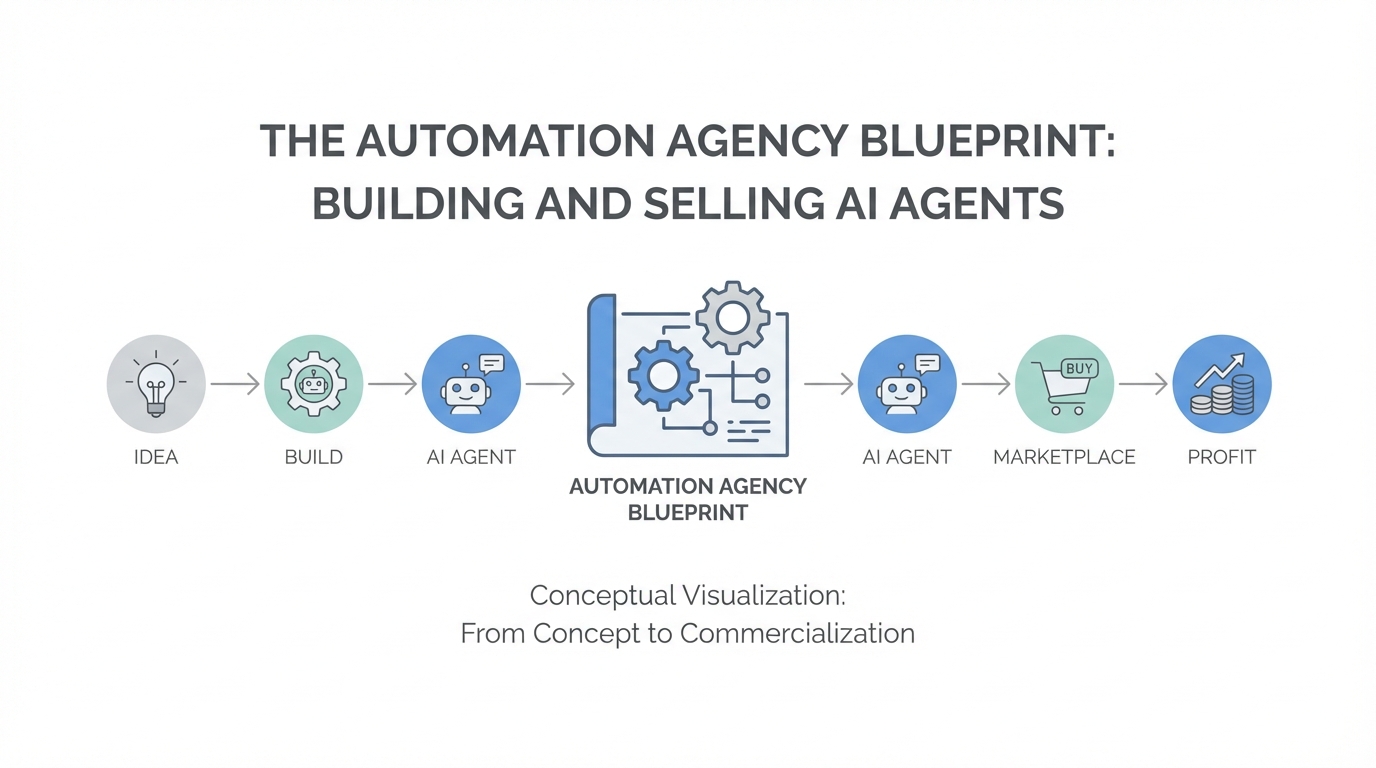
The era of the "idea guy" is officially here, but it comes with a technical caveat: the market no longer rewards just the idea; it rewards the ability to automate its execution. As Sam Altman of OpenAI recently noted, we are entering a phase where the friction between a concept and a functioning product is nearing zero. This shift has given birth to a new breed of entrepreneur: the AI Automation Engineer. This role isn't about writing thousands of lines of legacy code; it is about "vibe coding"—using natural language prompts to stitch together complex agents that handle everything from lead generation to client onboarding. If you are looking for an AI agency side hustle or a full-scale business model, the path forward is through productization.
The Rise of the AI Automation Engineer
In the past, building a business automation required a deep understanding of platforms like n8n or complex logic trees that looked like a "Beautiful Mind" chalkboard. While powerful, these tools often became a barrier to entry for the average entrepreneur. Today, the hottest new job requirement is the ability to communicate with AI to build autonomous agents that function as invisible employees. These engineers use platforms like String.com to deploy agents using plain English prompts rather than manual node-charting.
The value proposition of an AI automation agency is simple: you are selling time. Every business owner has 15 minutes to an hour of "operational BS" they do daily—checking Hacker News for brand mentions, summarizing Google Analytics data, or manually drafting LinkedIn posts. By mastering the reps and understanding the guardrails of current models, you can position yourself as the AI-native unicorn that every CEO is currently desperate to hire.
Productize Automations: Turning Logic into Revenue
To scale an agency, you cannot treat every client as a custom coding project. You must productize automations. This means taking a common business friction point—like client onboarding—and turning it into a repeatable agentic workflow. For example, an "Intelligent Client Onboarder" can be prompted to trigger when a Stripe payment is received, generate a personalized welcome document in Google Docs, and notify a Slack channel for team review.
When you start to sell AI agents, focus on "batteries included" solutions. Tools like Pipedream and String allow you to bundle API keys and token costs, so the end client doesn't have to manage technical overhead. A successful agent workflow might include:
- Monitoring: Scouring RSS feeds or social sentiment for specific keywords.
- Analysis: Using AI to determine if a mention is positive or negative.
- Action: Drafting a "viral" response or a summary for a product manager.
By moving away from a "per hour" model and toward a productized service, you create a cash-flowing asset that works while you sleep. High-quality data trends from sources like Idea Browser can help you identify exactly what these agents should be searching for to provide maximum value to your clients.
The MCP Server Business Opportunity
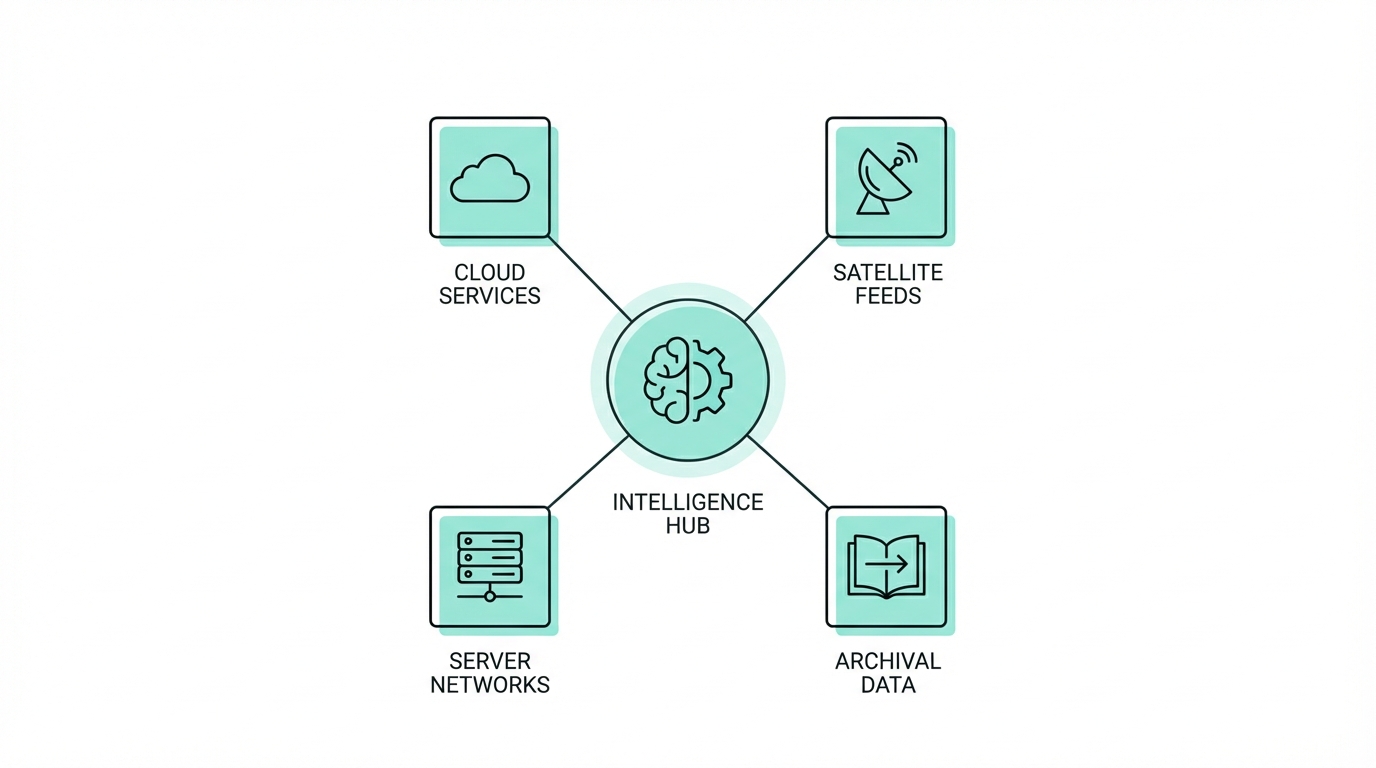
One of the most significant emerging opportunities for automation agencies is the Model Context Protocol (MCP). MCP is a standard that allows AI agents to securely access local or remote tools and data sources. There is a burgeoning MCP server business model where entrepreneurs build specific "skill sets" for AI—such as an MCP server that processes refunds for a specific SaaS app or manages Google Postmaster Tools statistics.
As more companies adopt AI chatbots, they will need these servers to connect their proprietary data to models like Claude or GPT-4. Currently, early adopters are seeing that one-third of website traffic is already shifting from Google to AI chatbots. Building the "connectors" (MCP servers) that these chatbots use to interact with the real world is the 21st-century equivalent of building the early web's infrastructure. If you can create a scalable agent that solves a real problem, you can turn that logic into an MCP server and sell it across emerging marketplaces.
Sourcing Creators and Scaling Outreach

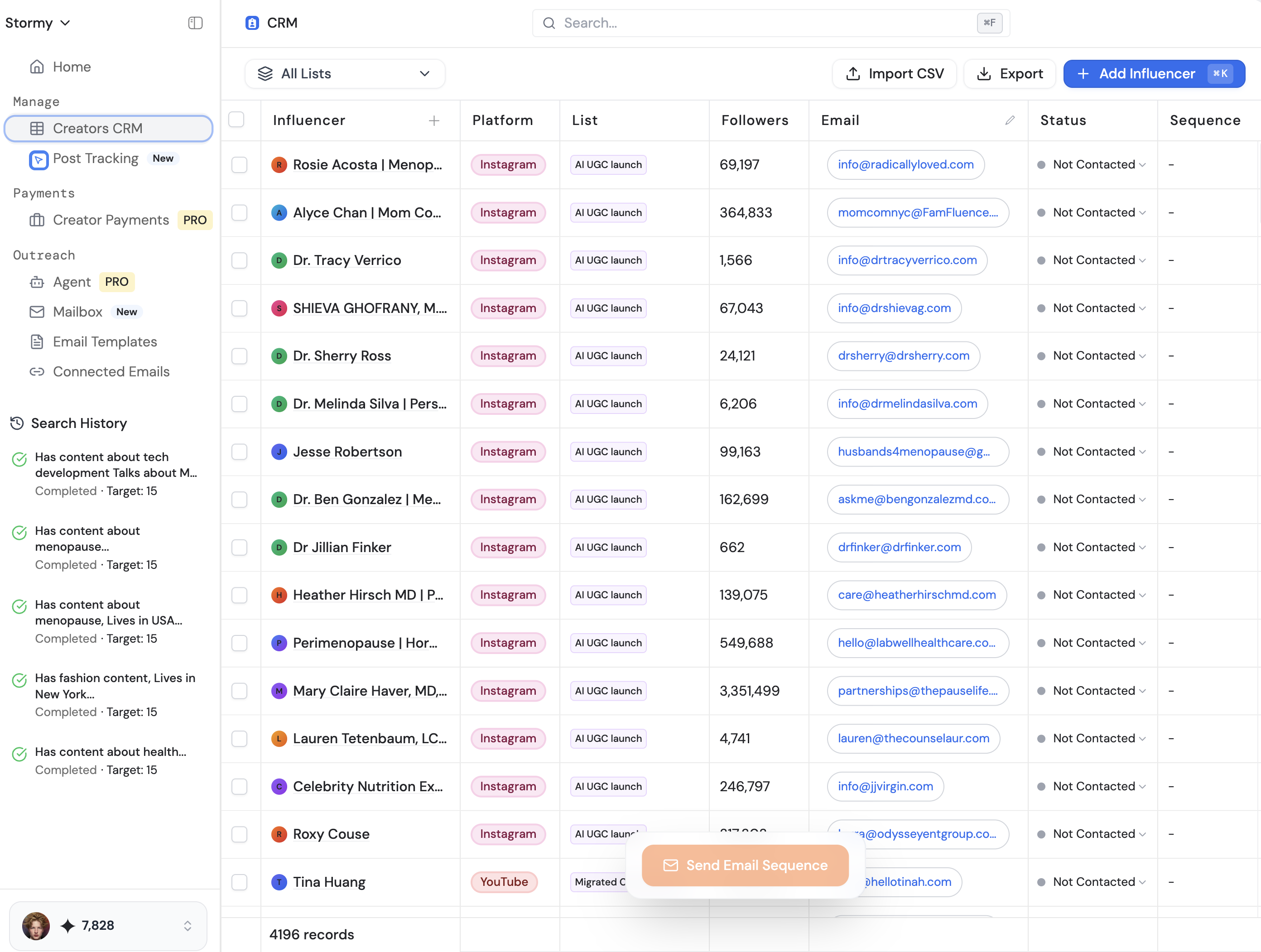
Many automation agencies find their niche in marketing and UGC (user-generated content). Brands are constantly looking for creators but lack the time to vet them. This is where AI-powered discovery tools become essential. To help clients find the right influencers, platforms like Stormy AI streamline creator sourcing and outreach at scale, allowing your agency to automate the discovery phase and focus on the strategy.
Once you have identified the creators, the next hurdle is outreach. Manually emailing hundreds of influencers is a bottleneck. By integrating AI-personalized outreach into your agency's workflow, you can send hyper-personalized emails that reference specific creator content, significantly increasing reply rates. This type of high-level automation is exactly what clients are willing to pay a premium for, as it directly impacts their app install campaigns and overall growth.
Pricing Strategies for Automation

Knowing how to start an AI automation agency also requires a clear pricing strategy. You generally have two paths: Subscription Models or Usage-Based Billing. A common approach for modern agencies is to offer a subscription that includes a set pool of AI tokens—often starting around 20 million tokens for a basic plan based on current API pricing. This covers the cost of the "foundational model" while providing a healthy margin for your agency's logic.
For more complex clients, consider a retainer for "Agentic Management." AI is rarely "set it and forget it." Models update, APIs change, and sometimes agents "go rogue" or produce "garbage" outputs. Charging a monthly fee to monitor success rates (which typically hover between 50-75% in alpha stages) ensures the client always has a functioning solution. If you're building on platforms like Vercel, you also need to manage technical constraints like reputation filtering in Gmail, which requires ongoing oversight.
Future-Proofing: Navigating the Constraints of Current Models
The biggest mistake a new agency owner can make is overpromising. Autonomous agents are the dream, but we are still in the "first inning" of their development. Understanding the constraints of current models is actually your competitive advantage. When a test fails in a tool like Replit or String, the ability to iterate and guide the AI through recovery is the skill that clients are paying for.
To future-proof your agency, focus on:
- Human-in-the-loop: Always provide a "last mile" human polish, especially for LinkedIn posts or client-facing emails.
- Auto-testing: Enable auto-testing for non-destructive tasks (like notifications) but maintain manual control for sensitive database interactions.
- Infrastructure: Build on top of established developer tools that offer an "escape hatch" to manual code if the AI hits a wall.
Conclusion: The Automation Playbook
Building an AI automation agency is about finding the gap between what AI can do and what a business owner has the patience to figure out. Start small. Identify the tasks that take an hour a week and automate them. Whether it's using Stormy AI for creator CRM management or deploying custom code through an MCP server, the goal is to get to value quickly. As the models improve, your agency will grow from a simple AI agency side hustle into an essential part of the modern business stack. Stop being the idea guy and start being the one who automates the reality.