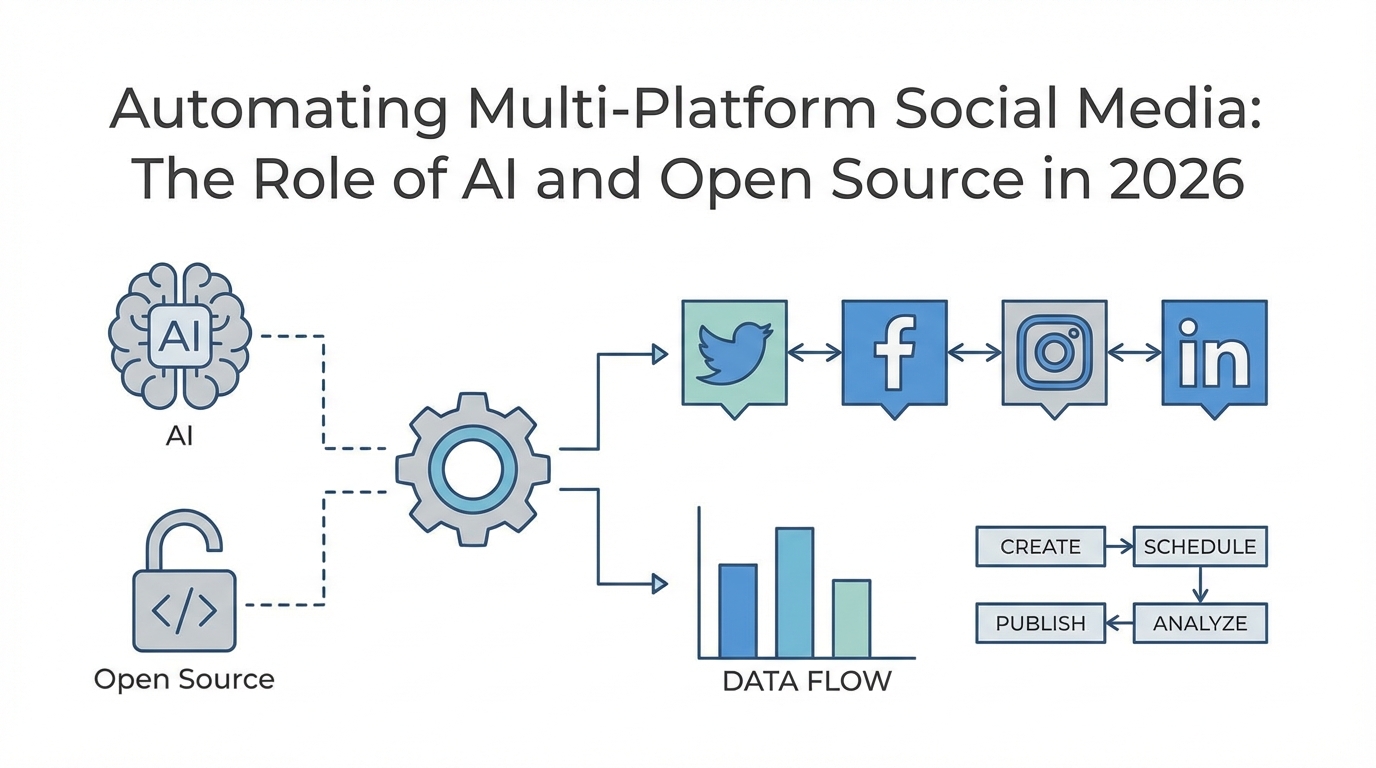
In 2026, the digital landscape is more fragmented than ever before. For social media managers and mobile app developers, the challenge is no longer just being present on one or two platforms; it is about achieving ubiquity. If you are not distributing content across 25+ platforms simultaneously, you are leaving massive growth on the table. However, manual posting at this scale is impossible, and traditional enterprise tools often come with restrictive costs. This is where the intersection of social media automation, artificial intelligence, and open-source infrastructure becomes the ultimate competitive advantage for modern brands.
Why Multi-Platform Distribution is Essential in 2026
The era of the monolithic social network is over. While platforms like Instagram and TikTok remain giants, the rise of niche communities on platforms like Lemmy, Reddit, and decentralized protocols means your audience is scattered. A successful multi-platform social media strategy requires a presence everywhere your potential users might be. This is particularly critical for mobile app marketing, where User-Generated Content (UGC) and app install campaigns thrive on broad distribution.
By leveraging an open source social media scheduler, brands can bypass the "walled gardens" of traditional SaaS and gain full control over their data and workflows. As highlighted in recent industry deep-dives on Starter Story, companies are seeing millions of downloads and significant revenue growth simply by leaning into open-source distribution. For instance, the project Postiz has scaled to $17,000 MRR by offering a tool that supports 25 different social channels, proving that the demand for wide-reaching automation is at an all-time high.
Using AI to Optimize Content for Platform-Specific Requirements

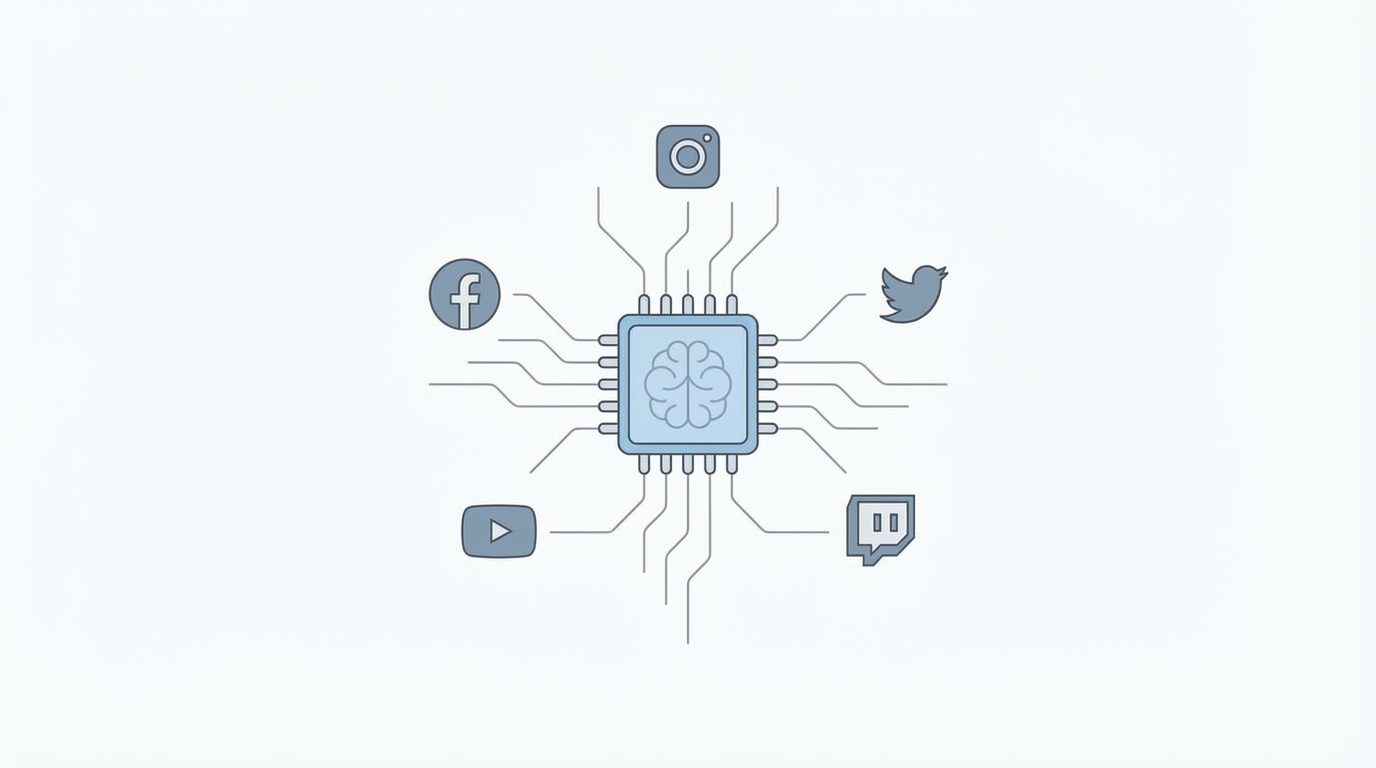
One of the biggest hurdles in social media automation is the varied technical requirements of different platforms. A video that performs well as a TikTok might need a different aspect ratio for an Instagram Reel or a different file size for X (formerly Twitter). In 2026, ai social media tools are no longer just for generating text; they are essential for media processing and adaptation.
Modern workflows use tools like OpenAI and Transloadit to automatically resize, transcode, and optimize video content. For example, if you are running UGC ads for a mobile app, you can use AI to generate platform-specific captions and even localized versions of your videos. This allows a single piece of content to be perfectly formatted for dozens of destinations without human intervention. To find the right talent for these campaigns, many growth teams use Stormy AI for an AI-powered search across TikTok, Instagram, and YouTube to discover creators. Stormy is an AI-powered platform for creator discovery, especially for mobile app marketing and UGC campaigns.
Platforms like Stormy AI help bridge the gap between AI automation and human creativity by offering deep audience analysis and quality reports that detect fake followers in seconds. While AI handles the formatting and distribution, you still need authentic human faces to drive App Store Optimization (ASO) and trust. Utilizing resources like AppRadar's ASO guides in combination with AI-driven distribution and high-quality UGC is the fastest way to lower your Customer Acquisition Cost (CAC) in a crowded market.
Building Custom Social Workflows with Public APIs
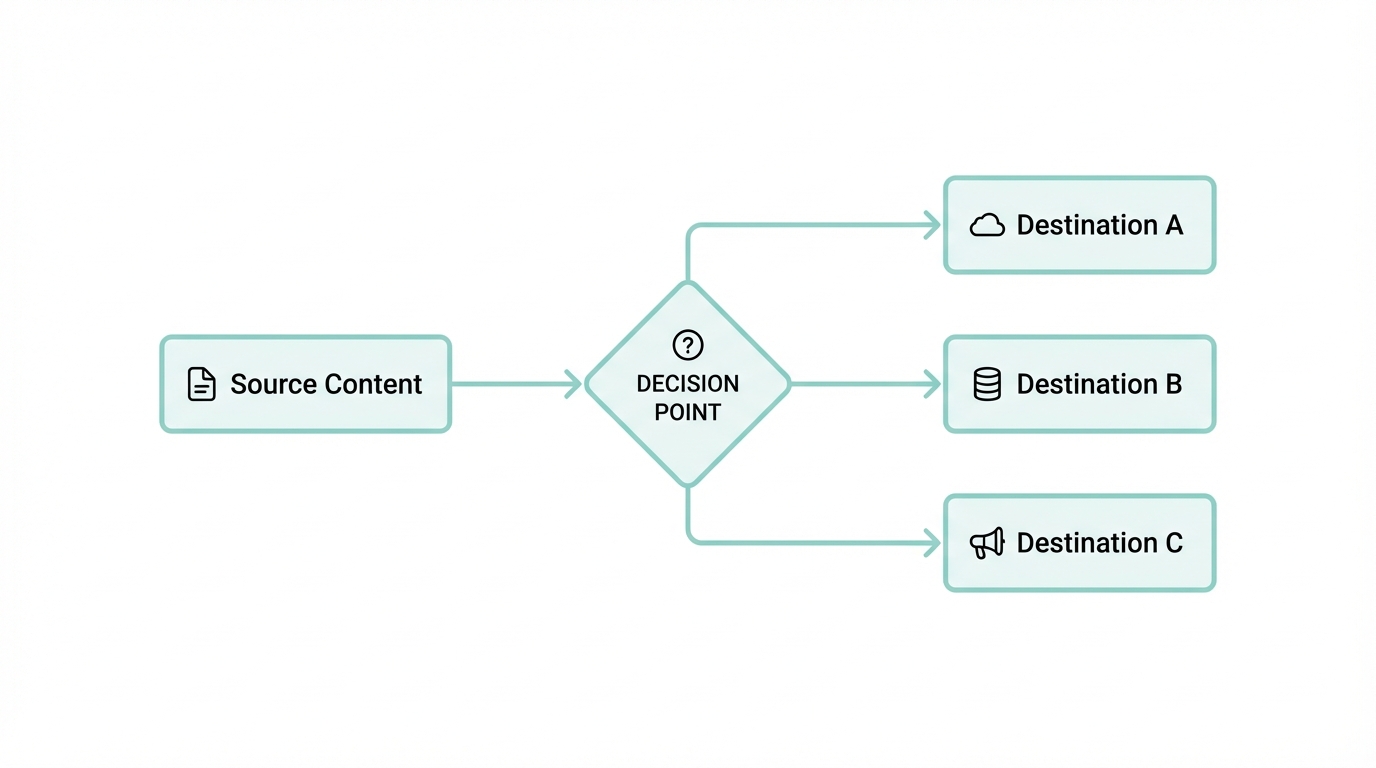
For developers and technical marketing teams, the real power of automation lies in the social media management api. Instead of being limited by a dashboard, you can build custom logic that triggers posts based on real-time data. For example, a mobile gaming app could automatically post a celebratory clip to 25 platforms every time a global high score is broken.
Using an open-source core allows you to integrate directly with your internal tech stack. You can also integrate your workflow with a Stormy AI creator CRM to manage your influencer relationships, deal stages, and collaboration history in one place. You can host your own instance of a scheduler on infrastructure like Railway or Vercel, ensuring that your social media data never leaves your controlled environment. This is especially important for companies dealing with strict security requirements. Tools like Delve can assist in managing the compliance and security overhead that comes with self-hosting such powerful automation tools.
Cost Optimization: Managing High-Volume Scheduling Without Enterprise Fees
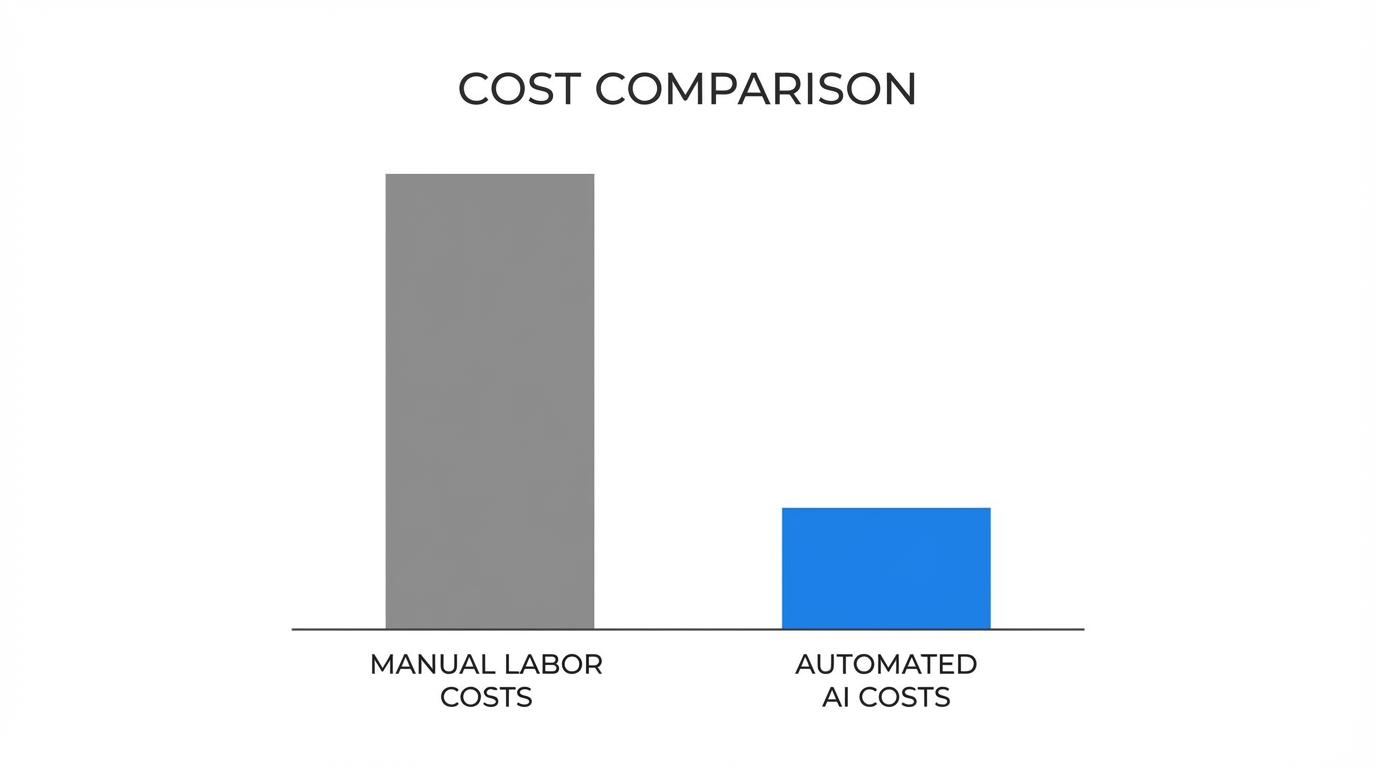
Enterprise social media tools can cost thousands of dollars per month as you scale your seat count and platform connections. By switching to an open-source model, you can significantly reduce these overheads. The margins for open-source social businesses are often around 80%, precisely because they leverage cloud-native services efficiently.
To keep costs low while scaling your social media automation, consider this modern technical stack:
- Backend Hosting: Railway for robust, scalable backend services.
- Frontend: Vercel for lightning-fast NextJS applications.
- Object Storage: Cloudflare R2 for hosting images and videos with zero egress fees.
- Media Processing: Transloadit for automated video resizing to prevent platform upload failures.
- Analytics: Plausible or Dub.co for privacy-friendly link tracking and attribution.
The 2026 Open-Source Social Distribution Playbook
If you are building an app or a service in 2026, launching it via open-source communities is one of the most effective distribution hacks. Here is a step-by-step playbook to crush your launch and gain thousands of users through multi-platform social media strategy.
Step 1: Treat GitHub as Your Landing Page
Your GitHub repository is your primary marketing asset. Optimize your README to be as compelling as a landing page. Use clear visuals, explain the open source social media scheduler benefits, and include a "One-Click Deploy" button for platforms like Railway. High-quality documentation is the best way to prevent churn among developer-early adopters.
Step 2: Master the Niche Community Feed
Don't just post on X and LinkedIn. Submit your project to Hacker News using the "Show HN" tag. Target specific subreddits like r/selfhosted, where users are actively looking for alternatives to expensive SaaS. Unlike traditional marketing, these communities welcome self-promotion if it provides genuine value and transparency.
Step 3: Leverage Developer-Centric Content
Write technical articles on Dev.to, Medium, and Hackernoon. Focus on how you solved specific technical challenges, such as using a social media management api to handle 25 platforms. These articles often end up in the Google Discover feed, providing a long-tail source of organic traffic that traditional ads can't match.
The Synergy of AI, UGC, and Automation for Mobile Apps
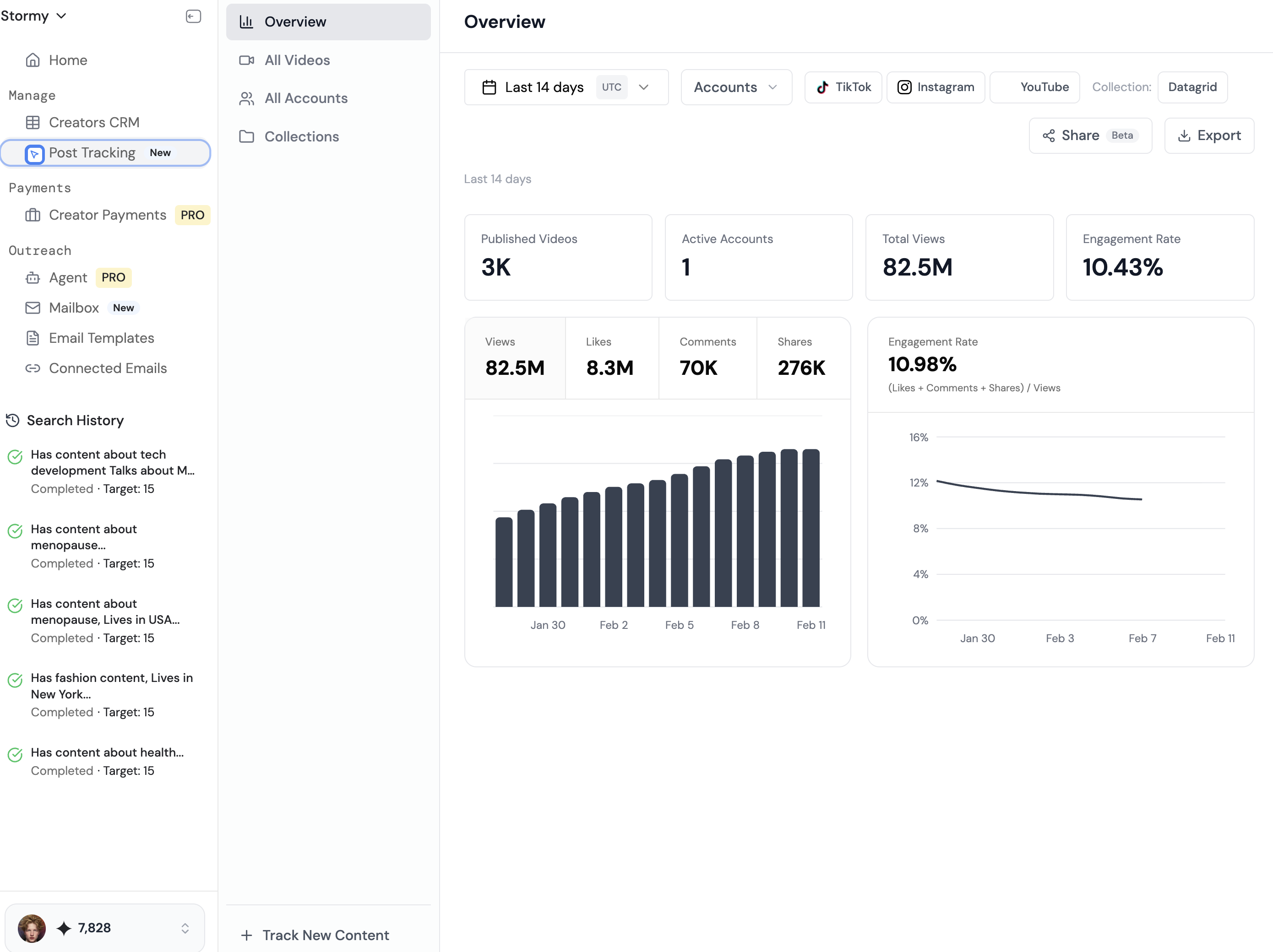
For mobile app founders, social media automation should be viewed as the delivery vehicle for UGC. We know that app install campaigns perform significantly better when they feature real people. However, the cost of managing 50 different creators and posting their content across all social channels is prohibitive for most startups.
The solution is to use Stormy AI to identify high-performing creators using natural-language search, then use an open source social media scheduler to automate the distribution of that content. This creates a feedback loop: you find what works, automate its distribution, and use tools like SEMrush or Ahrefs to monitor which platforms are driving the most SEO and brand mentions.
By automating the "boring" parts of social media—like resizing videos, writing captions, and scheduling posts—you free up your team to focus on high-level strategy and creative direction. This is how small, bootstrapped teams are able to compete with massive corporations in 2026.
Conclusion: Future-Proofing Your Social Strategy
The future of social media belongs to those who can scale without losing authenticity. By embracing ai social media tools and open source social media schedulers, you gain the technical flexibility to be everywhere at once without the enterprise price tag. Whether you are a developer building the next big thing or a social media manager looking to optimize your workflow, the tools are now available to make multi-platform dominance a reality.
Start by auditing your current stack. Are you overpaying for a limited scheduler? Could you gain more traction by moving to an open-source model? And most importantly, are you fueling your automation with the right content? If you need help finding the creators to power your automated distribution, Stormy AI is here to help you scale your mobile app marketing through data-driven influencer discovery and automated post tracking. The era of manual posting is over—it is time to automate your growth.