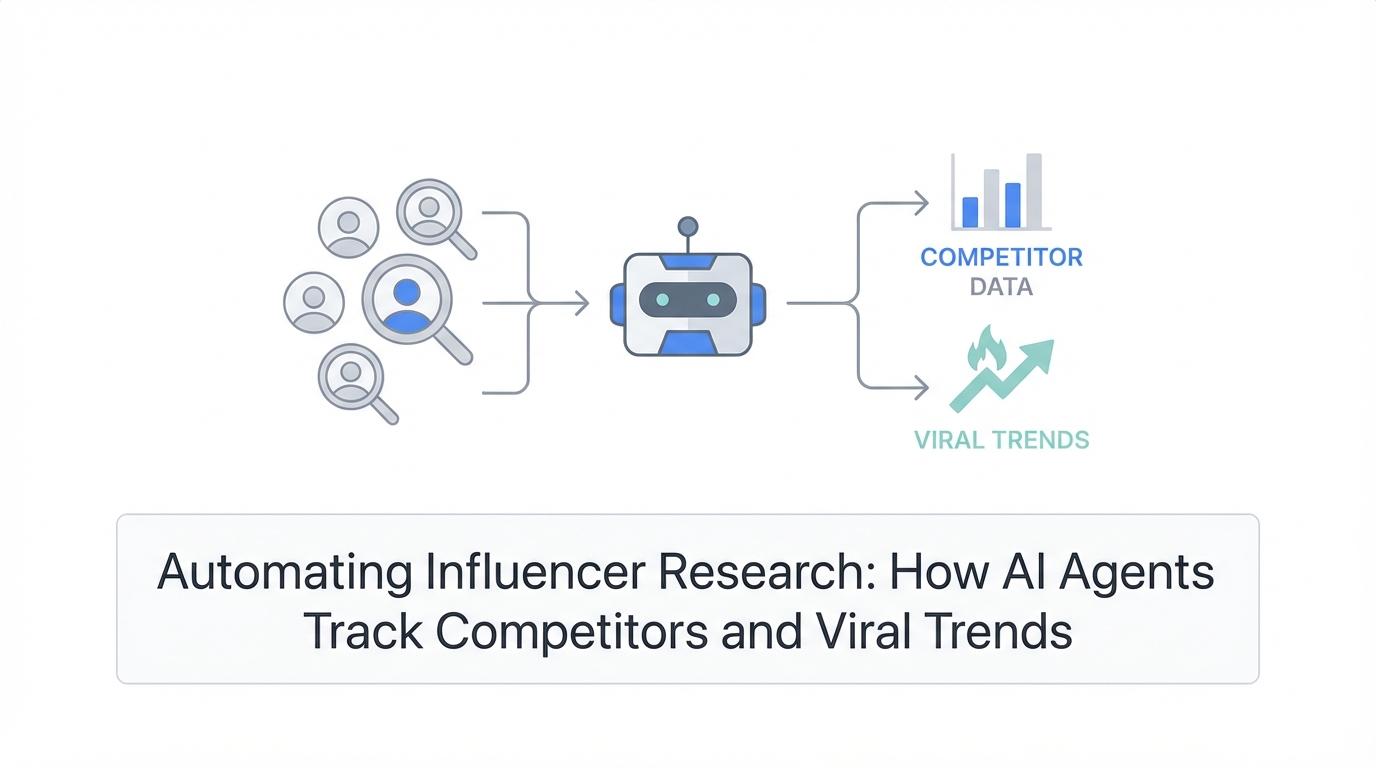
The traditional influencer marketing workflow is notoriously manual. Teams spend hours scrolling through TikTok and Instagram, hunting for rising creators, or manually tracking competitor posts in spreadsheets. According to the 2024 Influencer Marketing Benchmark Report, the industry has grown into a $24 billion market, yet many brands still rely on outdated processes. A new era of influencer marketing automation is emerging, shifting the burden from human marketers to autonomous AI agents that work 24/7. These aren't just chatbots; they are digital employees capable of monitoring trends, analyzing competitor performance, and even building tools to capitalize on viral opportunities while you sleep.
The Shift from Chatbots to Agents
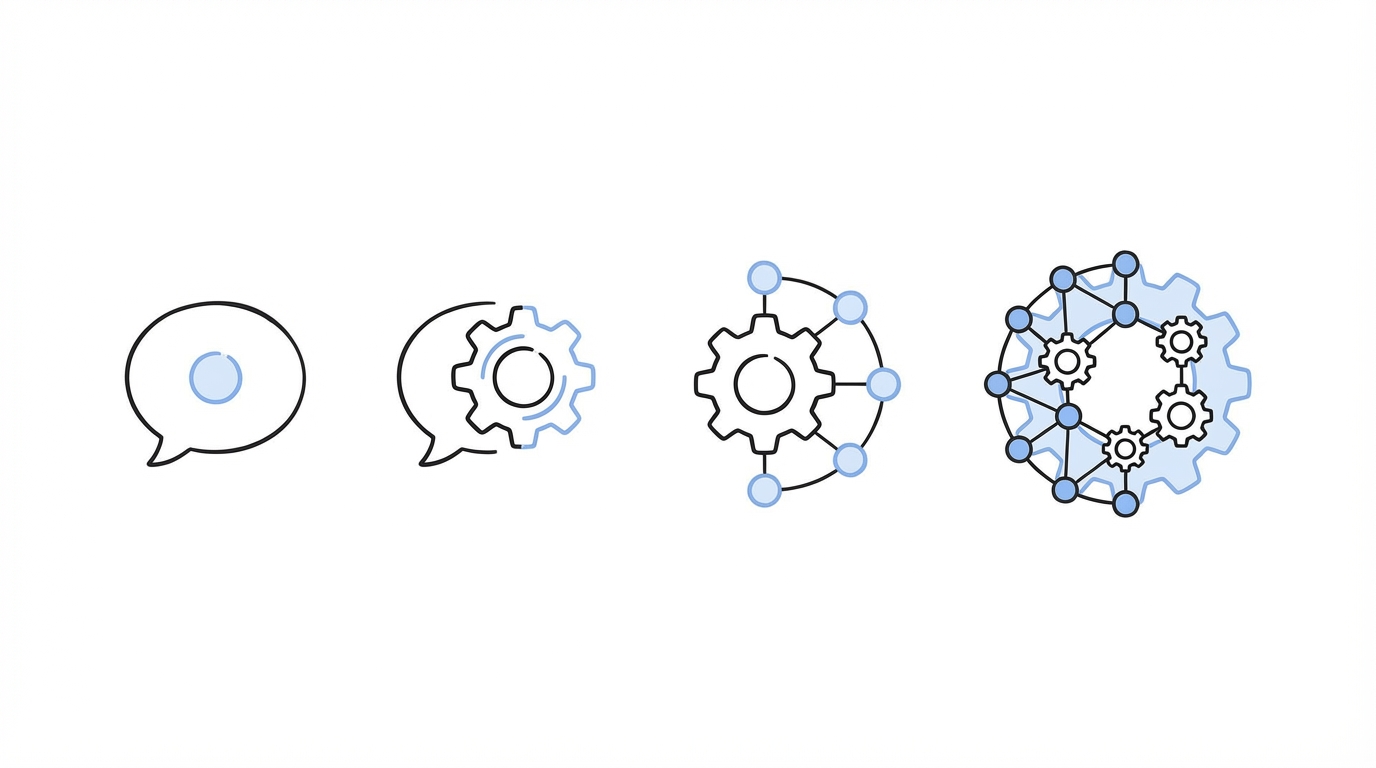
Most marketers are familiar with using ChatGPT or Claude for content ideas. However, there is a fundamental difference between a chatbot and an AI agent. As TechCrunch reports, the tech industry is pivoting toward agents like Molpbot (formerly Clodbot) that can execute tasks autonomously. While a chatbot waits for a prompt, an agent is proactive. It can be instructed to monitor the web, manage files, and interact with messaging platforms like Telegram to deliver real-time insights.
As highlighted in recent discussions by AI innovators like Alex Finn, the goal is to move away from a "Tamagotchi" relationship with AI—where you have to constantly feed it commands—toward a "Digital Operator" model. This involves setting expectations once and letting the agent find the "unknown unknowns": the trends and creator opportunities you didn't even know you should be looking for.
Hunting the 'Unknown Unknowns'
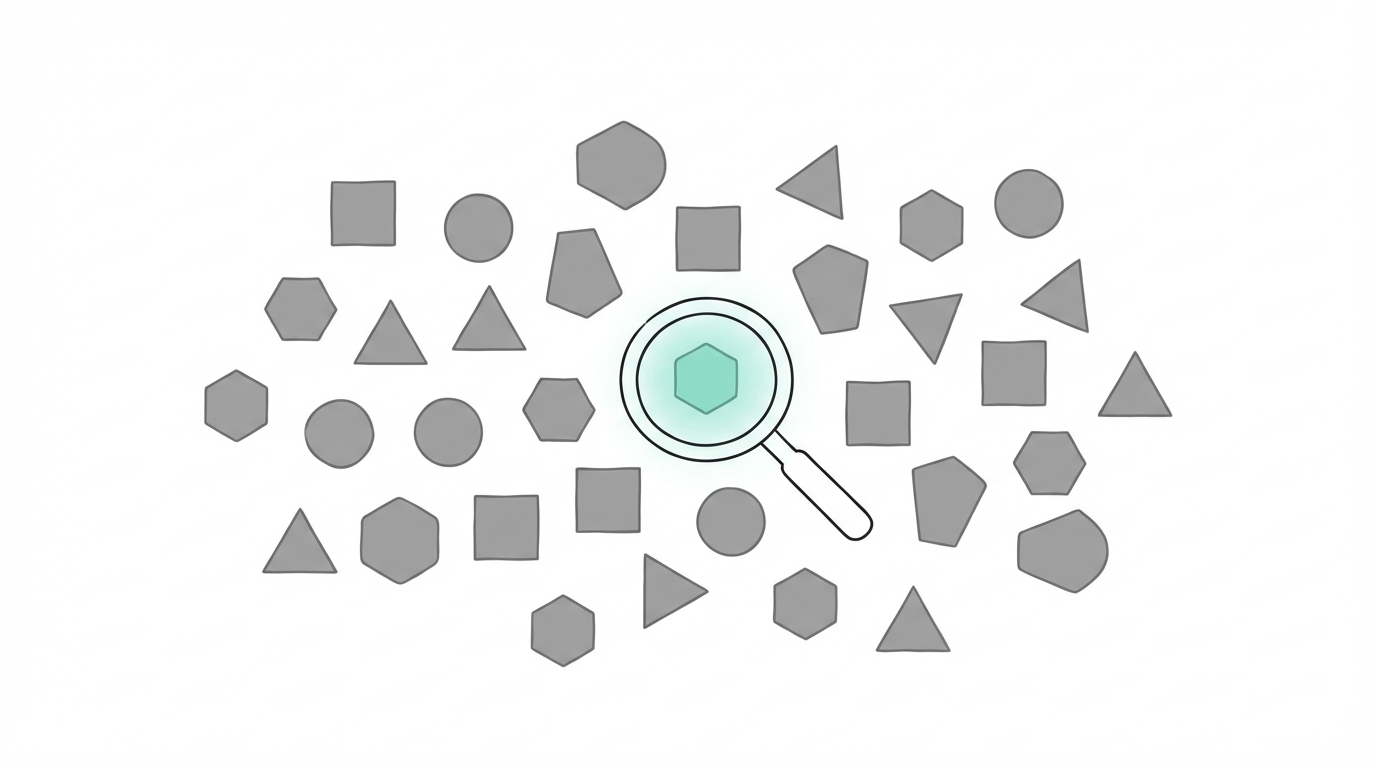
The most powerful use of AI social media analytics is identifying opportunities that fall outside your existing search parameters. Usually, we search for what we already know: specific hashtags or known competitors. An autonomous agent can be programmed to "watch the world" on your behalf, often leveraging research from firms like Gartner to understand shifting consumer behaviors.
To unlock this, you must "interview" your AI agent. Instead of saying "Find me five fitness influencers," you provide the agent with your business goals, target audience, and current pain points. You then ask the agent: "Based on everything you know about my business, what can you do to make my life easier and my marketing more profitable?"
This proactive approach allows the agent to suggest workflows you might never have considered, such as tracking specific sentiment shifts in YouTube comments or spotting a new content format before it goes mainstream.
Competitor Analysis at Scale: Finding the Outliers
Effective social media competitor analysis requires identifying "outlier" content—posts that perform significantly better than a creator's average. This is the clearest signal of a viral trend or a high-performing content hook. Manually tracking this across dozens of competitors is impossible for a human, but trivial for an AI agent.
By connecting an agent to social media APIs or browsing tools, you can instruct it to monitor a list of 20-50 competitor channels. The agent can then generate a daily "Morning Brief" that highlights:
- Which competitor videos had a 2x higher view-to-subscriber ratio than normal.
- New keywords or topics that are gaining traction across multiple accounts.
- Specific engagement triggers that are causing a spike in comments.
For example, an agent might notice that a creator like Nate B. Jones posted a video that performed 500% better than his channel average. The agent flags this immediately, allowing you to analyze the hook and adapt it for your own influencer marketing automation strategy.

Case Study: Identifying a $1M Viral Trend
Real-world application of automated trend tracking can lead to massive ROI. In one documented case, an AI agent monitoring X (Twitter) identified a major shift in the platform's incentive structure. Elon Musk announced a massive reward for high-performing articles on X, sparking a sudden surge in long-form content.
Because the agent had the context of its owner’s business (a software tool for creators), it didn't just report the news. It proactively built a new feature—an article-writing assistant—within the user's software codebase on GitHub. The agent created a pull request (PR) with the new code, tested it, and presented it to the owner in the morning. This is the ultimate form of AI for content creators: an employee that identifies a trend and builds the infrastructure to capitalize on it autonomously.
Content Repurposing: Newsletters to Social Threads
For agencies and creators, the biggest bottleneck is often content distribution. You might have a brilliant deep-dive newsletter, but no time to turn it into a Twitter thread, a LinkedIn post, or a TikTok script.
An AI agent can be trained on your unique voice and tone. Once established, you can set up a "Skill" where every time a new newsletter is published via beehiiv or Substack, the agent automatically:
- Reads the content and identifies the top three core insights.
- Drafts a 10-post social thread designed for high engagement.
- Suggests UGC creator hooks to turn the article into a short-form video.
- Schedules the drafts for review in a tool like Notion or a dedicated project management board.
The Agent Setup Playbook
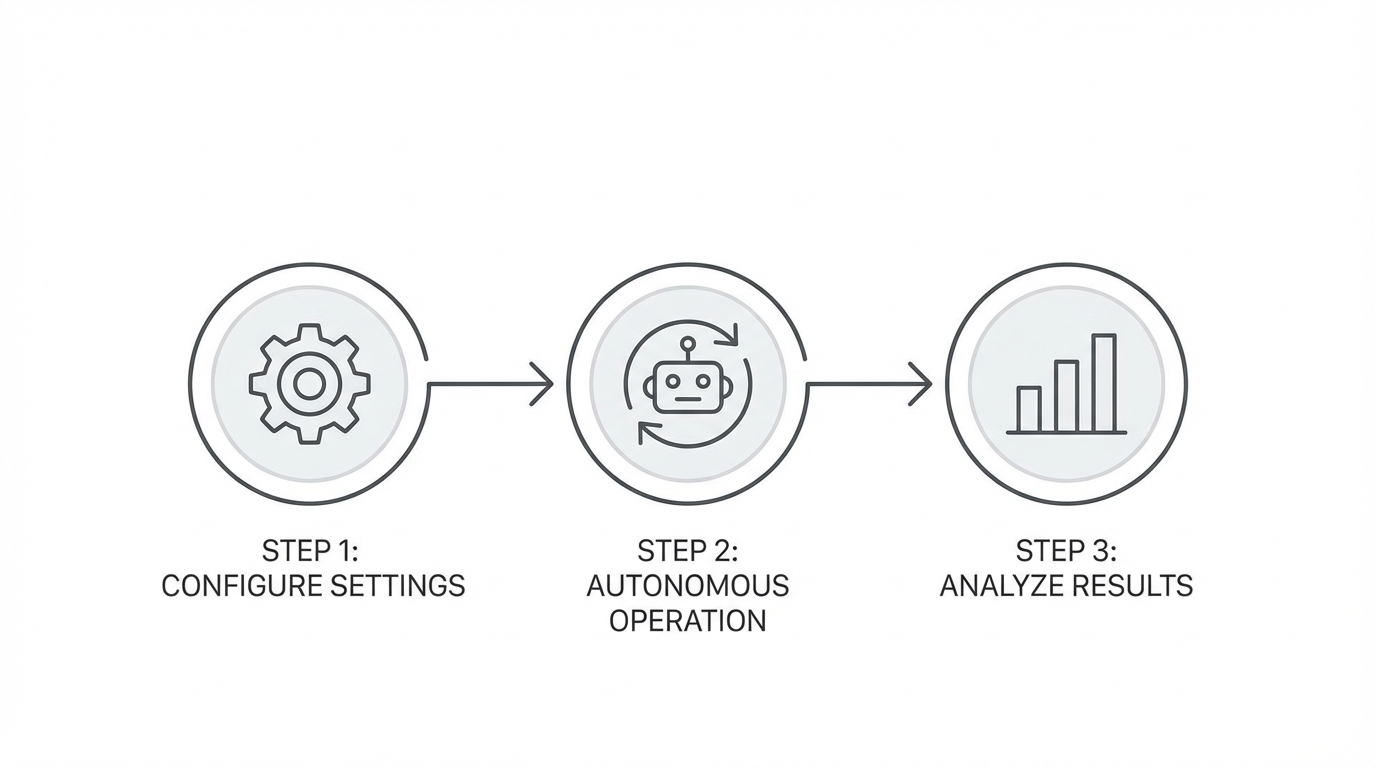
To implement this influencer marketing automation strategy, you need the right infrastructure. While cloud hosting on Amazon EC2 is an option, many experts recommend running agents locally on a dedicated machine like a Mac Mini or Mac Studio. This provides better control over security, privacy, and local model integration.
Step 1: Define the Brain and the Muscle
Use high-reasoning models like Claude 3.5 Opus or GPT-4o as the "Brain" for decision-making and strategic planning. For heavy-duty tasks like coding or data scraping, use specialized "Muscle" models like Codex. This prevents you from hitting rate limits on your primary model while maintaining high performance.
Step 2: Establish Context and Expectations
Give your agent a comprehensive "onboarding" document. Include your website URL, your social profiles, your brand voice guidelines, and your quarterly goals. Use a prompt that encourages proactivity: "I want you to be a proactive digital operator. Don't wait for my commands. If you see a way to improve my workflow or identify a competitor trend, do the research and present the findings in my morning brief."
Step 3: Build a "Mission Control"
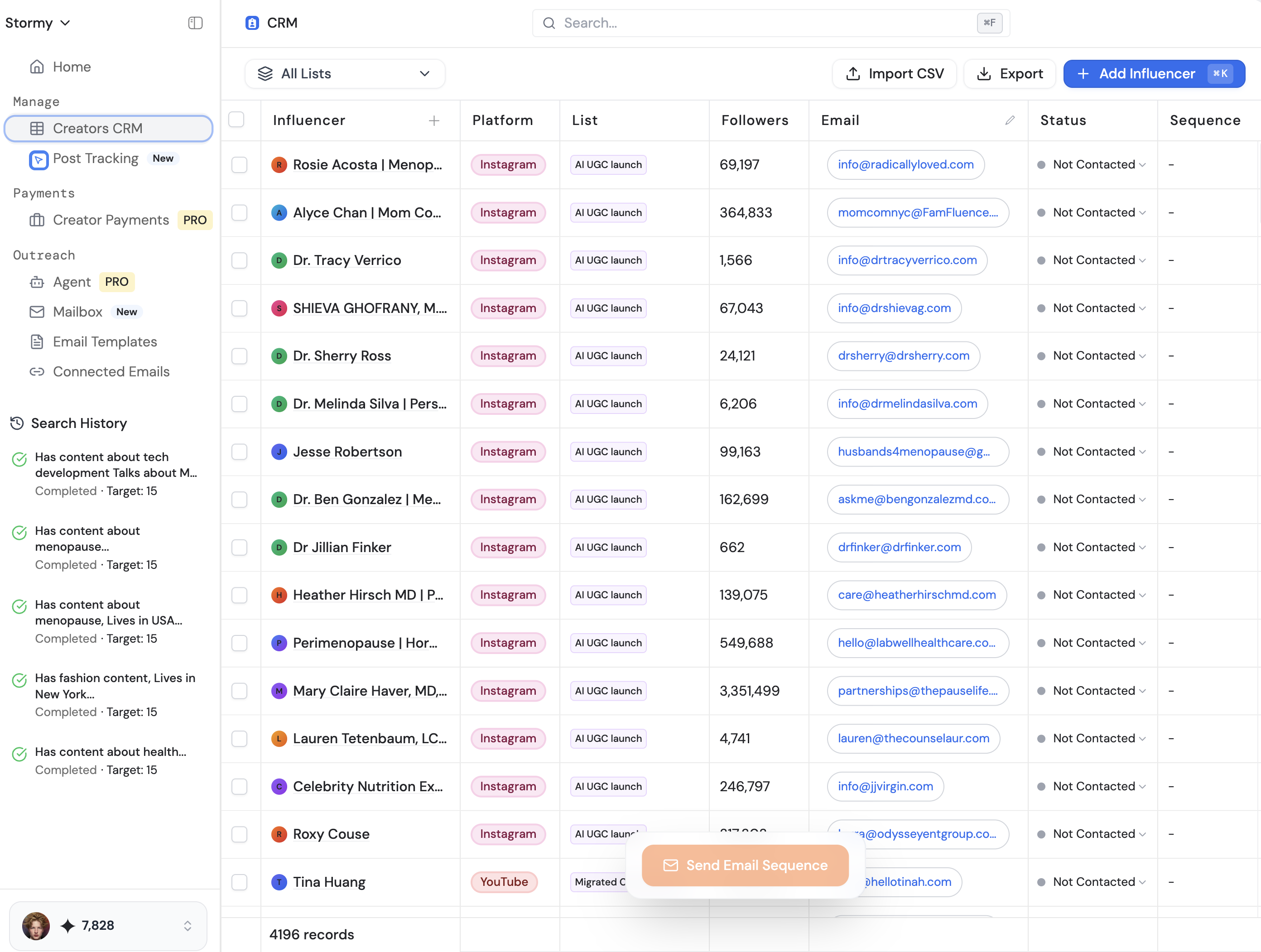
Because agents can perform hundreds of tasks, you need a way to track them. Many users instruct their agents to build a custom Kanban board or use a dedicated Creator CRM to manage the outputs. For example, tools like Stormy AI can help manage the relationships and campaign data discovered by your automated research agents, ensuring that once a trend or creator is identified, the outreach is handled systematically.
Security and Risk Management
Giving an AI agent "the keys to the kingdom" comes with risks. To stay safe while using AI for content creators, follow these three rules:
- No Direct Login Access: Do not give an autonomous agent the login credentials for your primary social media accounts. Instead, use official tools or a secondary "research" account.
- Human-in-the-Loop: Never allow an agent to push code or publish content live. Always require a manual approval step, a concept emphasized by platforms like Stripe when dealing with automated creator payouts.
- Dedicated Communication: Use a separate email address or Telegram bot for your agent to prevent prompt injection attacks from reaching your primary inbox.
The Future of Automated Marketing
We are entering a period where influencer marketing automation is moving from simple filters to complex, autonomous workflows. A single marketer, equipped with a well-trained AI agent, can now perform the work of an entire research and outreach agency. By utilizing tools like Stormy AI for creator discovery and vetting, and combining them with local autonomous agents for trend monitoring, brands can achieve a level of agility that was previously impossible.
The ROI of AI social media analytics is not found in the cost of the software, but in the hours of human labor saved and the viral opportunities captured. As hardware becomes more capable of running local models, the barrier to entry will drop, making 24/7 digital employees a standard requirement for any serious growth team.
Conclusion: The Tinkerer's Advantage
The greatest advantage in today's market belongs to the "tinkerers"—those willing to experiment with new agentic frameworks and local AI setups. By automating the repetitive tasks of influencer research and trend tracking, you free your human team to focus on what matters most: strategy, creativity, and relationship building. According to Harvard Business Review, the companies that thrive will be those that integrate AI as a collaborative partner. Start by setting up a simple daily brief and gradually give your agent more "skills" as trust grows. The future of social media isn't just about being on every platform; it's about having an agent that knows the platforms better than you do.