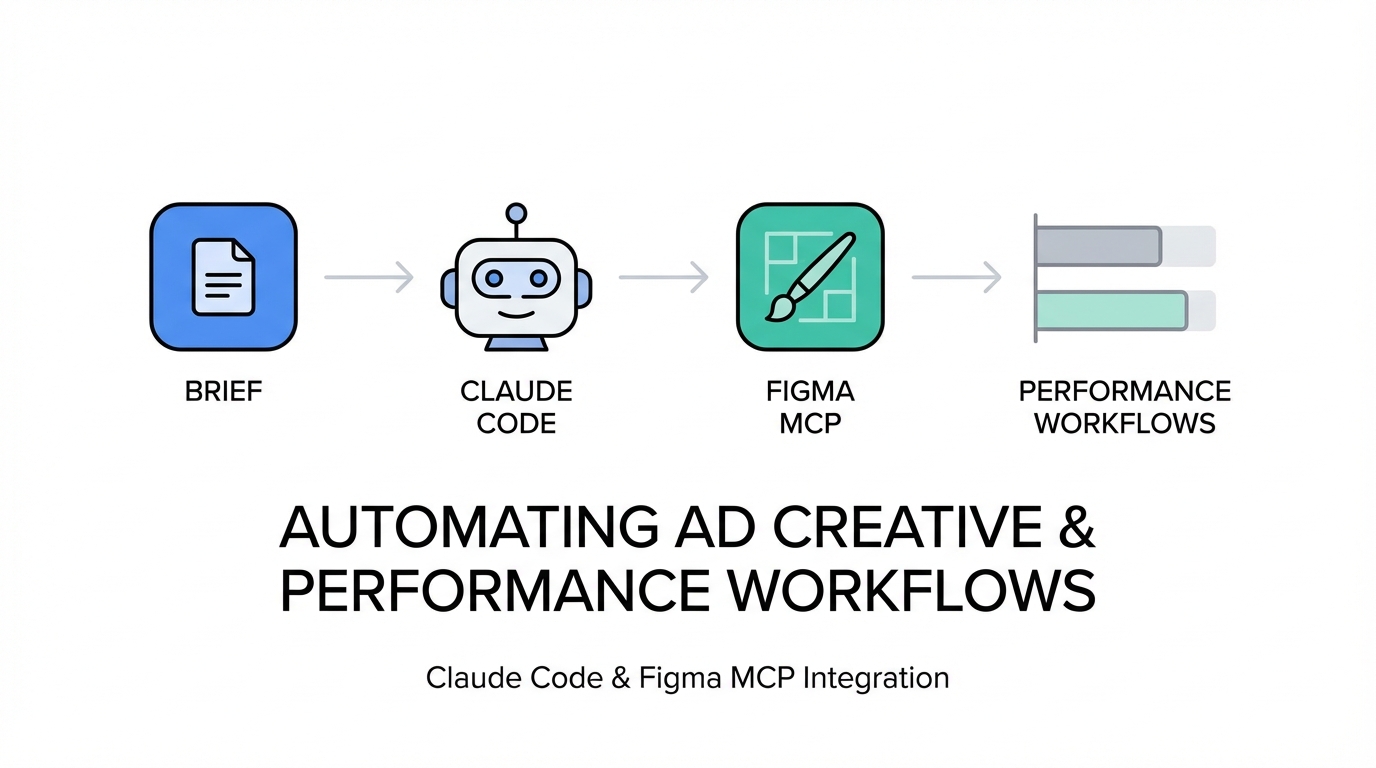
The traditional gap between marketing strategy and creative execution has always been a bottleneck. Historically, a growth lead identifies a winning trend, a copywriter drafts ten variations, and a designer manually updates Figma frames—a process that can take hours or even days. However, the rise of agentic coding tools is fundamentally shifting this dynamic. We are entering the era of "Engineering as Marketing," where the marketing team operates more like a high-velocity software engineering unit. With the AI code tools market projected to grow to $42.6 billion by 2034, the tools at our disposal are moving beyond simple chat interfaces into autonomous agents that can manipulate our design software directly.
The Rise of the "Vibe Coder" in Marketing Operations
A significant trend for 2025 is the emergence of the "vibe coder"—non-technical marketers who ship functional products and complex marketing automations using natural language. According to daily.dev, 92% of developers are already utilizing AI coding assistants, reporting a 25% boost in productivity. This same efficiency is now available to marketing operations through Claude Code and the Model Context Protocol (MCP).
By leveraging Claude Code, teams can move away from one-off prompts and toward reusable frameworks. This transition allows for automated creative production that isn't just fast, but data-driven and hyper-personalized.
"The key shift is treating your marketing stack like a development environment, allowing for reusable frameworks instead of one-off prompts."
Setting up the Figma MCP: Bridging AI and Design
The Model Context Protocol (MCP) is the open standard that allows Claude Code to securely interact with third-party tools. To automate your design workflow, you must first bridge the gap between your terminal and your Figma canvas using the Figma MCP Server. This connection enables Claude to "read" your design files and "write" changes to specific layers.
The Setup Playbook
- Install Claude Code: Ensure you have the Anthropic CLI tool installed and authenticated.
- Configure the Figma MCP: Use the
mcp installcommand to point Claude to the Figma server repository. - API Authentication: Generate a Personal Access Token in your Figma Developer Portal and provide it to the MCP configuration.
- Identify Your Canvas: Copy the URL of the Figma file you want to automate; Claude will use this as its workspace.
Once connected, you no longer need to manually copy-paste copy into text boxes. You can simply command the agent: "Analyze the 'Hero' frame and replace the headline with a variation focused on 'high-velocity growth'."
Automated Creative Production: Data-Driven Iteration
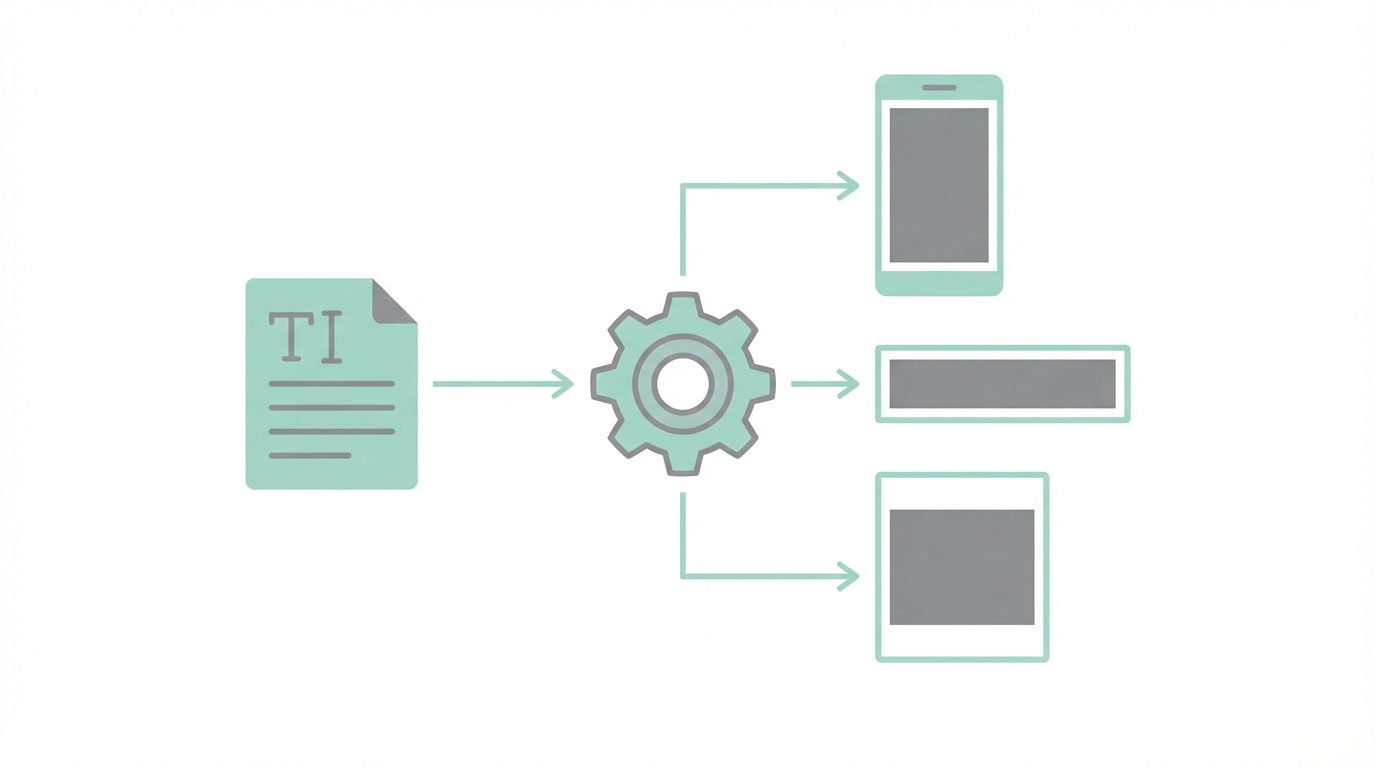
The real power of programmatic creative lies in the ability to feed performance data directly into the design process. Instead of guessing which copy works, you can pipe a performance CSV from your ad manager into Claude Code.
By using an ai ad copy generator that lives inside your terminal, you can automate the following workflow:
- Data Input: Upload a CSV containing CTR and conversion rates for your last 50 ads.
- Analysis: Ask Claude to identify the linguistic patterns in the top 10% of performers.
- Creative Generation: Instruct Claude to generate 20 new headline variations based on those winning patterns.
- Design Execution: Through the MCP Server Registry, Claude can then iterate through your Figma frames, creating new variants for each headline automatically.
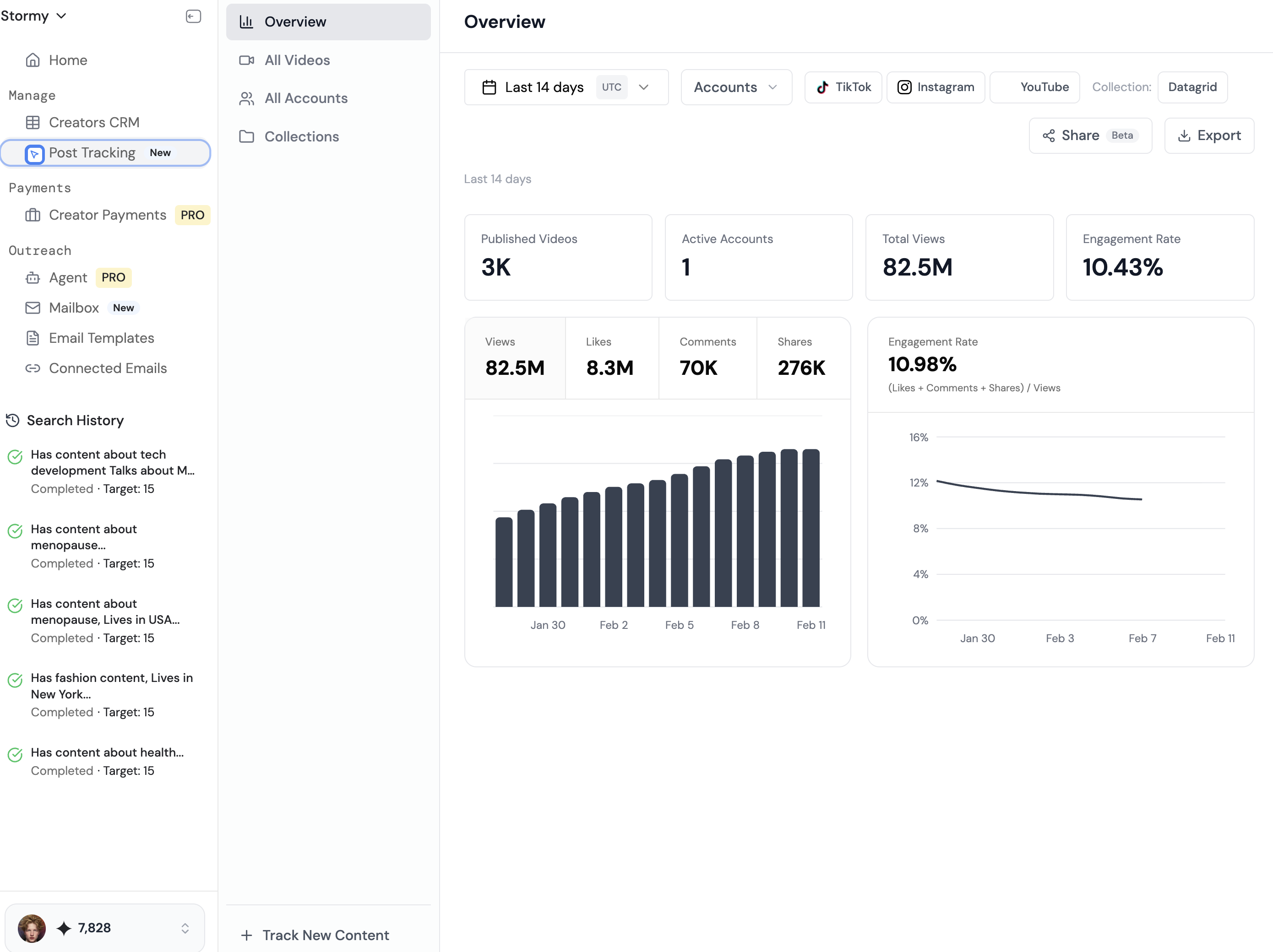
This level of marketing operations ai integration allows small teams to operate with the output volume of a global agency. When you need to scale this creative across multiple platforms, tools like Stormy AI are essential for managing the sheer volume of creator assets and UGC videos that these automated headlines will eventually pair with.
"Automating the 'boring' parts of marketing engineering like tracking scripts and landing page variants lowers the engineering bar for everyone."
Implementing Autonomous Testing Loops
Creatives are only as good as the tracking that measures them. One of the most common failures in automated production is the broken tracking pixel. To solve this, marketers are now using the Ralph Wiggum Plugin within Claude Code to run autonomous verification loops.
You can set a "completion promise" within the terminal. For example, tell Claude: "Generate three landing page variants and do not mark the task as complete until the Meta Pixel is verified as firing on all three URLs." This ensures that your automated creative production doesn't just result in "AI slop," but in functional, trackable marketing assets. This technique is often paired with Vercel for instant deployment of these variants via the terminal.
Managing Security: The Semgrep MCP
As you move toward vibe coding your marketing stack, security becomes a primary concern. It is surprisingly easy to inadvertently hardcode a Google Ads API key or a Figma token into a public repository during a fast-paced automation session. To prevent this, professional growth teams utilize the Semgrep MCP.
.env files for secrets and run a Semgrep scan via Claude before committing any automated code to ensure no credentials are leaked.By integrating Semgrep, Claude Code acts as its own security auditor, scanning for vulnerabilities and leaked secrets before they ever reach a production environment. This governance is critical when you are running high-budget campaigns where a single leaked key could result in significant financial loss.
Avoiding the "Context Death Spiral"
A common mistake in marketing operations AI is treating every task as a new conversation. This leads to the "Context Death Spiral," where the AI loses track of your brand's unique voice or historical performance data. To combat this, you should maintain a CLAUDE.md file in your project's root directory. This file should contain your North Star metrics, brand guidelines, and target audience personas.
Additionally, you can leverage specialized "Skills" such as the Marketing Skills Pack. These frameworks give Claude the necessary context for SEO, CRO, and high-conversion copywriting, ensuring that your ai ad copy generator stays on-brand and effective.
"The future of growth is not just about prompt engineering; it's about building specialized tools that automate the creative lifecycle from discovery to deployment."
Conclusion: Scaling the High-Velocity Team
Automating your creative workflow with Claude Code and the Figma MCP isn't just about saving time—it's about increasing the velocity of experimentation. By reducing the time it takes to go from a performance insight to a live, tracked creative variation, brands can find winning combinations faster than ever before. When combined with modern discovery platforms like Stormy AI—which can help source the right UGC creators to fuel these automated pipelines—the modern marketing team becomes a powerhouse of programmatic creative. Start small: connect your Figma, run one performance CSV analysis, and watch your creative production transform from a manual chore into an automated engine.