Building a startup in the modern era is no longer about who works the longest hours, but who leverages the smartest tools. According to Gartner, generative AI is rapidly becoming a key workforce partner for growing businesses. For many founders, the two most grueling hurdles are finding qualified leads and building a pitch deck that actually closes deals. Most people stick to the basics—ChatGPT or Claude—but a new wave of automated lead gen tools is emerging from the shadows. By utilizing advanced startup AI tools like GenSpark AI, entrepreneurs can now automate the discovery, vetting, and pitching process in a fraction of the time it once took.
The Efficiency of Multi-Agent Workflows
The biggest productivity killer in AI today is what many call “LLM ping-pong.” This is the tedious process of prompting ChatGPT, then copying that answer into Claude, and then checking Gemini to see which model gave the best result. Modern platforms are solving this by using a mixture of agents, a concept popularized by frameworks like LangChain. When you submit a single prompt, the system pings multiple top-tier models simultaneously, reflects on the outputs, and delivers the most optimized response. This isn't just a time-saver; it ensures your ai for lead generation strategies are backed by the best possible logic from across the entire AI ecosystem.
AI Spreadsheet Automation: Scraping and Ranking Leads

Finding leads used to require expensive databases or manual labor. With ai spreadsheet automation, tools like Numerous.ai allow you to now generate massive lists of potential clients or influencers directly within a sheet. For example, a user on X recently demonstrated how to create a list of YouTubers with over 100,000 subscribers in the AI niche, rank them by popularity, and even find their contact emails in under four minutes. By using AI Sheets, you aren't just looking at data; you are visualizing market opportunities based on the latest YouTube culture and trends. You can ask the AI to “rank these creators by engagement rate” or “identify which leads are most likely to need a SaaS solution,” turning a static list into a dynamic sales pipeline.

Finding Hidden Contact Information with AI Agents
The real “unfair advantage” in modern business is access. AI agents have become incredibly proficient at acting as digital detectives to find 'hidden' contact information like personal or professional email addresses. By connecting your workspace to tools like GenSpark through Model Context Protocol (MCP) servers, you can query your own Gmail or search the web to bridge the gap between a name and an inbox. These automated outreach tools can even go a step further by using AI voice agents like Bland AI to call businesses directly, inquire about specific needs, and transcribe the entire conversation for you to review later.
Using an AI Pitch Deck Generator for Silicon Valley Success
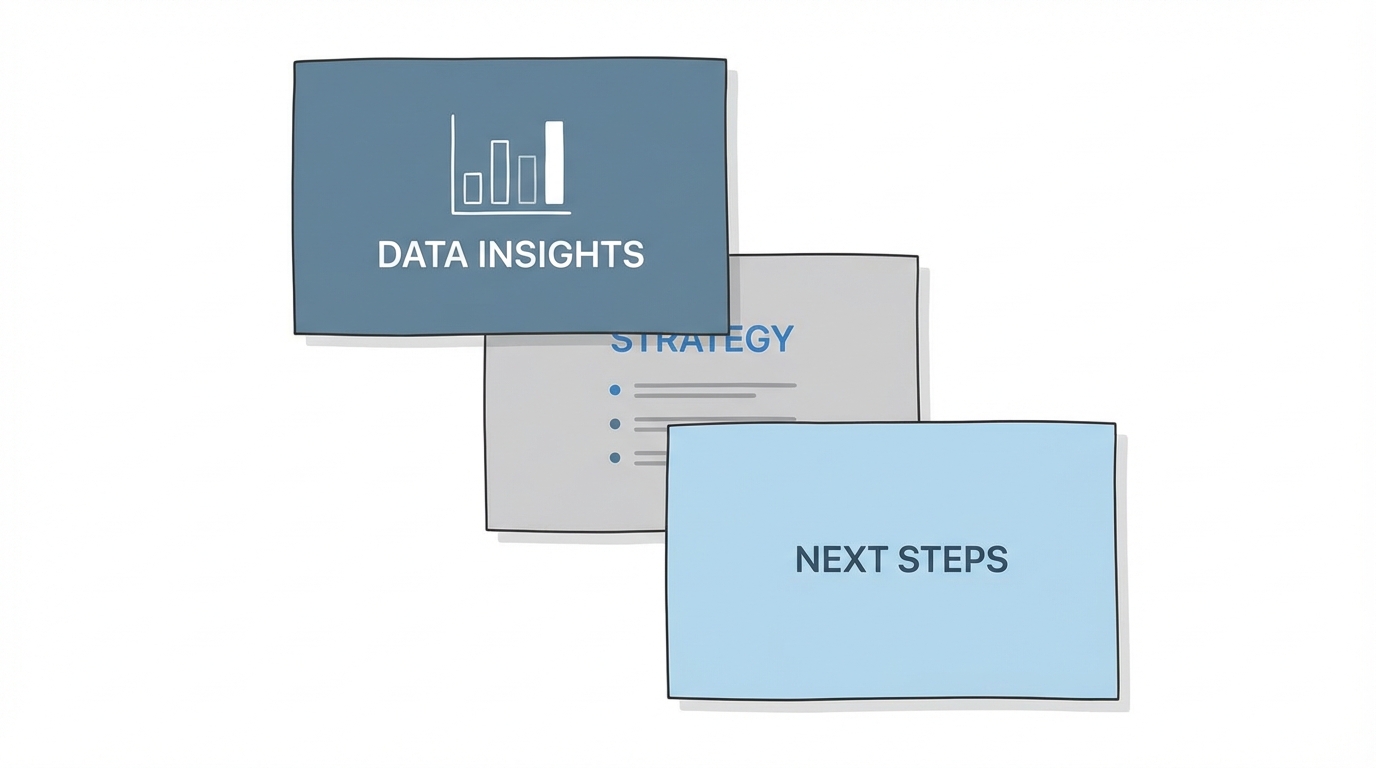
If lead generation is the fuel, a pitch deck is the engine. However, most founders spend weeks on design and copywriting. Using an ai pitch deck generator, you can turn a rough startup idea into a wireframed presentation in minutes. Take the example of “CemVault,” a hypothetical startup that digitizes cemetery records. By feeding a basic execution plan from IdeaBrowser into an AI Slides tool, you can generate a deck that includes competitive analysis, market gaps, and financial growth projections. This isn't just about aesthetics; it's about structure. The AI uses templates modeled after the greatest founders' pitch decks—think Airbnb or Uber—to ensure your narrative is “Silicon Valley ready.”
Step-by-Step: Building Your Deck
- Define Your Goal: Tell the AI exactly what you want to achieve, such as “Raise a $2M seed round from top-tier VCs.”
- Input Your Context: Paste your startup's core problem, solution, and execution plan.
- Select a Template: Choose a minimalist or professional wireframe to keep the focus on the data.
- Refine with AI Edit: Use “select-and-change” prompts to adjust specific slides, like adding more “why now” proof.
- Export and Finalize: Move your deck to Google Slides for final custom branding.
Turning Slides into Lead Magnets for Higher Conversion
One of the most underrated ways to use an ai pitch deck generator is for content marketing. Instead of just using slides for investors, you can create high-value presentations that act as lead magnets. By identifying a pain point for your target audience, you can generate a “How-To” or “Industry Trends” deck and offer it as a free download in exchange for an email address. This strategy converts social media traffic from platforms like X or LinkedIn into a proprietary email list. Modern platforms like Stormy AI can help manage these relationships once the leads start rolling in, allowing you to track which creators or influencers are engaging with your content the most.
Fact-Checking: Verifying AI Market Research and Data
While AI is powerful, it is not infallible. Startup AI tools are known to occasionally hallucinate data, a phenomenon well-documented by MIT Technology Review, especially regarding market size or financial growth graphs. It is critical to use built-in “Fact-Check” features that cross-reference claims against live web data. Always verify revenue growth projections and competitive analysis before presenting to a stakeholder. A professional approach involves using the AI to build the first 80% of the research and then manually validating the “killer stats” that your business case relies on. This ensures your automated lead gen efforts are not just fast, but accurate.
Automating the Next Step: Outreach and Management
Once you have used AI Sheets to scrape your leads and AI Slides to build your pitch, the final step is execution. The transition from “list of names” to “active collaboration” is where many businesses fail. Platforms like Stormy AI can help source and manage UGC creators at scale, providing a centralized CRM to track your outreach. Whether you are searching for fitness creators in LA or tech influencers on TikTok, integrating your discovery tools with an AI-powered outreach system ensures that no lead falls through the cracks. This end-to-end automation allows a small team to perform like a massive marketing department.

Conclusion: The Future of AI-Driven Business
The era of manual data entry and week-long deck design is over. By mastering ai for lead generation and utilizing ai spreadsheet automation, you can find the right people and the right data points to grow your business exponentially. The key is to stop viewing these tools as simple chatbots and start viewing them as autonomous agents. Whether you are using a ai pitch deck generator to raise capital or AI Sheets to build an influencer army, the goal is the same: move faster, spend less, and build a more resilient business. Start by picking one workflow—perhaps lead scraping or deck wireframing—and see how much time you can reclaim today.