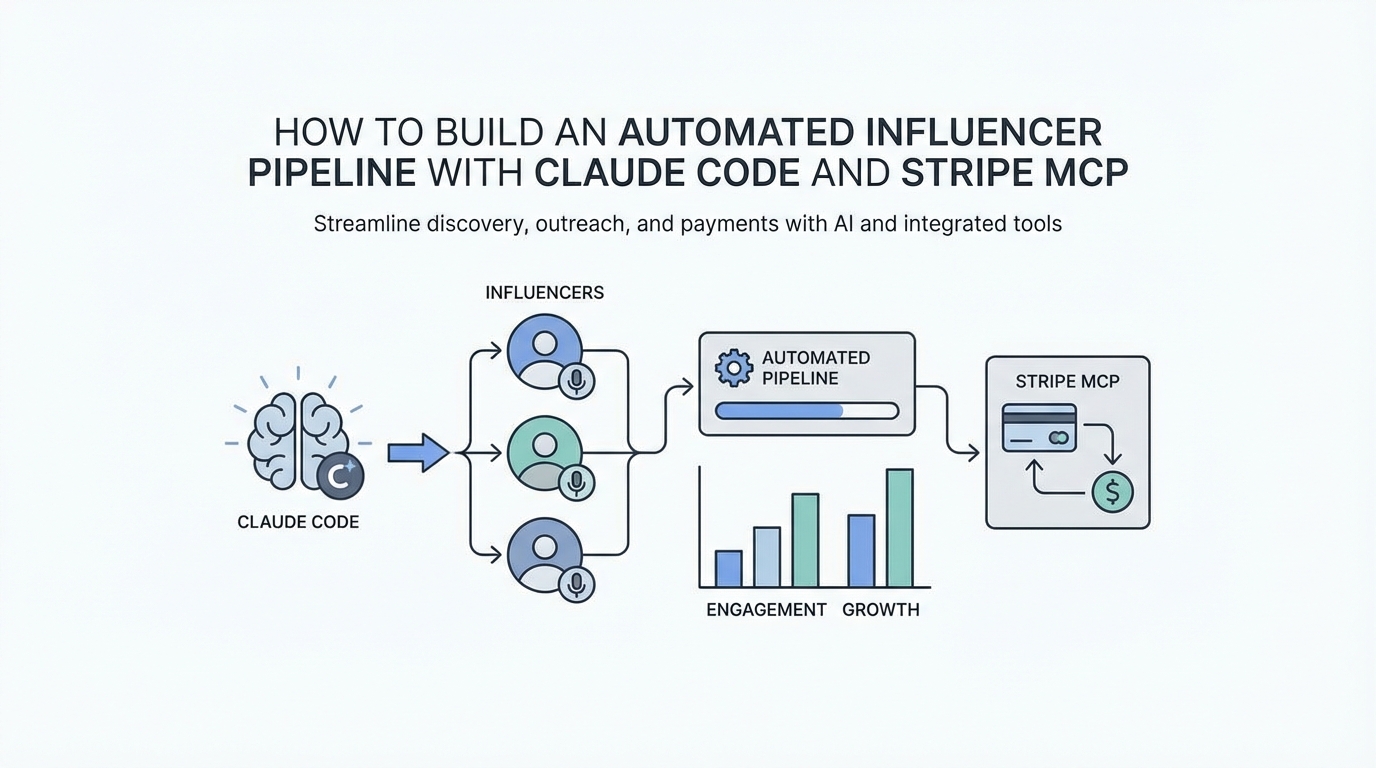
The evolution of digital marketing has reached a tipping point where the ability to write copy is no longer the primary competitive advantage. In 2025, the defining trend for growth hackers and marketing engineers is the transition from Chat AI—where users copy-paste prompts into a web interface—to Action AI. This new paradigm involves terminal-based automation, where AI models operate as developers within your environment, executing scripts, managing payments, and interacting directly with your tech stack. By leveraging Claude Code, marketing teams can now treat their influencer campaigns like a software codebase, moving from manual outreach to high-velocity, automated execution.
The Shift to Action AI: Why Your Terminal is the New Marketing Suite
The global influencer marketing industry is valued at $24 billion in 2024 and is projected to reach $32.55 billion by 2025, growing at a 33.1% CAGR according to data from Influencer Marketing Hub. As the market expands, the sheer volume of data required to remain competitive is overwhelming manual teams. Statistics show that 63% of marketing professionals plan to integrate AI and Machine Learning into their creator workflows this year, as noted by Statista.
For technical marketers, the answer isn't another browser-based dashboard. It is a command-line interface (CLI) that can bridge the gap between creative strategy and technical execution. Claude Code is a development environment by Anthropic that allows you to use the Model Context Protocol (MCP) to connect your AI directly to your data sources and payment gateways. This allows for "Vibe Marketing"—the ability to deploy entire campaigns from a command line with the speed and precision of a software release.
Setting Up the Infrastructure: Claude Code and Stripe MCP
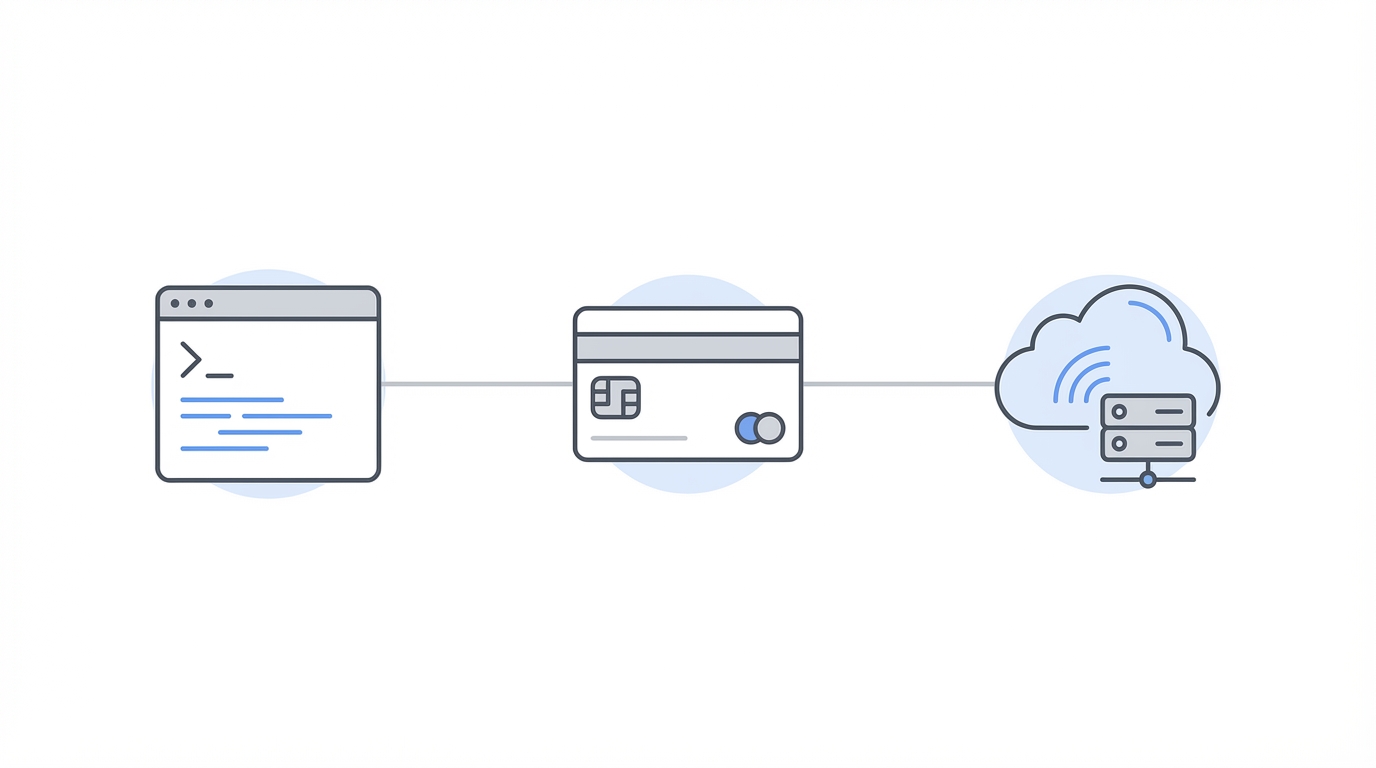
To build an automated pipeline, you first need to establish your command center. Unlike traditional SaaS tools, this setup lives in your terminal, providing unprecedented control over your data flow. The first step is installing the Claude Code CLI and configuring the necessary MCP servers.
Step 1: Install the Claude Code CLI
Begin by initializing your environment. This requires Node.js and an active Anthropic API key. Once installed, Claude Code functions as a "resident engineer" that can read your files, execute bash commands, and most importantly, call functions from external MCP servers.
Step 2: Connect the Stripe MCP
One of the biggest friction points in influencer marketing is the administrative overhead of automated influencer payments. By connecting the Stripe MCP, you allow Claude to create invoices, track payment status, and process payouts directly via the Stripe API. This eliminates the need for manual reconciliation between your marketing spend and your accounting software. You can simply command Claude to "Generate a $500 invoice for Creator X and send it to their registered email once the post is verified."
Discovery and Vetting: Using Apify and Firecrawl MCPs

Manual creator discovery is a bottleneck that prevents brands from scaling. To solve this, marketing engineers use Apify and Firecrawl MCPs to scrape data and analyze brand alignment automatically. Instead of browsing social media, you can use Claude to run a "Vibe Check" script across thousands of profiles.
First, use an Apify Actor to scrape engagement data from a targeted list of creators. This raw JSON data is then piped into Claude. Next, use Firecrawl to convert any influencer's portfolio or website into clean Markdown. Claude can then ingest this text to perform a sentiment analysis and check for historical brand safety issues.
For brands looking for a more streamlined way to handle this at the start of the funnel, platforms like Stormy AI offer an AI-powered search engine that finds influencers across TikTok, YouTube, and Instagram using natural language. This can be integrated into your workflow to seed the initial list of creators that your Claude script will then vet and manage.

Developing "Skills" for Influencer Vetting and Scoring
In Claude Code, a "Skill" is a reusable instruction or set of logic that the AI applies to a specific task. To move away from vanity metrics like follower count, you must engineer a Skill that focuses on Engagement Quality.
Research suggests that brands using AI-driven matching report a 25–30% lift in Return on Ad Spend (RoAS), as documented by research from Nielsen. To achieve this, your Claude Skill should prioritize the following logic:
- Engagement Threshold: Filter for creators with a minimum 2.5% engagement rate. This ensures the audience is active and responsive.
- Sentiment Analysis: Analyze the last 50 comments on a creator's posts to distinguish between bot spam and genuine community interaction.
- Brand Alignment: Compare the creator's content history against your brand's core values and tone of voice, using a "Style Reference" skill as recommended by creative strategy frameworks.
Engineering the Escrow Agent: The Performance-Based Pipeline

The most advanced application of influencer campaign automation is the "Escrow Agent." This is a logical loop that ensures creators only get paid when their contractual obligations are met. Using a combination of Latenode and Claude Code, you can build a system that follows these steps:
- The Trigger: An MCP server like the Social Listening MCP (hosted on MCP Market) detects a live post featuring your brand's unique hashtag or mention.
- The Verification: Claude is triggered to inspect the post. It checks for the correct tags, the required link in the bio, and ensures the content matches the approved campaign brief.
- The Release: If the verification passes, Claude triggers the Stripe MCP to release the payment from your account to the creator’s connected account.
This level of automation protects your budget and provides creators with instant, friction-free payments, fostering better long-term relationships.
Case Study: Launching a $450K Campaign in 4 Hours

A prime example of this technology in action is the recent development in AI-native marketing workflows. By utilizing tools like Claude Code to "vibe code" entire landing pages and ad sequences, teams are launching massive campaigns from scratch in record time.
The workflow involved using AI to identify high-performing content patterns, generate ad creative, and deploy the infrastructure for tracking. While traditional agencies might spend weeks in the discovery and contracting phase, modern AI-powered platforms like Stormy AI allow for a compressed timeline that prioritized execution over administrative bloat. This efficiency gain is consistent with reports from McKinsey & Company, which show that AI-driven agent chains can reduce campaign production time by 40%.
Avoiding the "AI Slop" Trap: Best Practices for Marketing Engineers
While Claude AI marketing scripts are powerful, over-automation can lead to "AI slop"—robotic, impersonal messages that creators ignore. To maintain a high response rate, follow these best practices:
- Human-in-the-Loop (HITL): Use AI for the 90% of work that is research and vetting, but keep a human to review and personalize the final outreach message. This is a critical strategy detailed in Human-in-the-loop systems to ensure authenticity.
- Data Hygiene: AI models are only as good as their inputs. Starting with fragmented or unclean data will result in misaligned creator suggestions. Utilize reliable data pipelines to ensure your inputs are clean before they reach your AI agent.
- Focus on Conversion Potential: Don't just pay for likes. Use Claude to calculate Sales Potential based on historical comment sentiment and audience demographics, moving beyond basic engagement rates as advised by Afluencer.
Conclusion: Building Your Automated Future
Building an automated influencer pipeline with Claude Code and Stripe MCP is no longer a futuristic concept—it is a competitive necessity for performance-based marketing in 2025. By moving your workflow into the terminal and utilizing the Model Context Protocol, you can scale your operations without scaling your headcount.
Start by setting up your CLI, defining your vetting "Skills" with a 2.5% engagement floor, and establishing an escrow payment loop. For those looking to accelerate the discovery phase, Stormy AI provides the essential data layer to feed your automated pipeline. As companies like Zapier have shown—saving hundreds of thousands of hours through AI automation—the future of marketing belongs to those who can code their campaigns into existence.