In the rapidly evolving landscape of 2026, the era of staring at static dashboards and manually exporting CSV files is officially over. Growth marketers have moved beyond basic chat-based AI to agentic automation, where tools don’t just suggest actions—they execute them. With the global AI-enabled ecommerce market projected to reach $22.6 billion by 2032, according to Envive, the competitive advantage now lies in how well you can bridge the gap between search data and customer communication. This playbook explores how to use Claude Code and the Model Context Protocol (MCP) to build a self-optimizing marketing engine that connects your SEO performance directly to your Klaviyo sequences.
The 'Agentic' Shift: Why Traditional SEO Dashboards are Obsolete
By 2026, the role of a growth marketer has shifted from "executor" to "architect." We are seeing a massive adoption rate where 77.2% of ecommerce professionals use AI and automation daily, as reported by Gorgias. The primary driver of this change is the move away from "app overload"—where the average marketer once juggled 22 open tabs—toward deeply integrated, agentic workspaces.
"The Model Context Protocol is the USB-C for AI—it decouples intelligence from tools, allowing a single AI agent to read and write across your entire tech stack natively."
Traditional dashboards provide hindsight; agentic AI provides foresight and action. Instead of waiting for a weekly SEO report to tell you that a keyword ranking dropped, Claude Code—Anthropic's command-line interface—can monitor these shifts in real-time. By utilizing MCP servers, which Hallam describes as the new industry standard for AI connectivity, you can allow Claude to "live" inside your terminal, editing files and triggering workflows based on live business data.
How to Use Claude Code to Create Custom /seo Commands
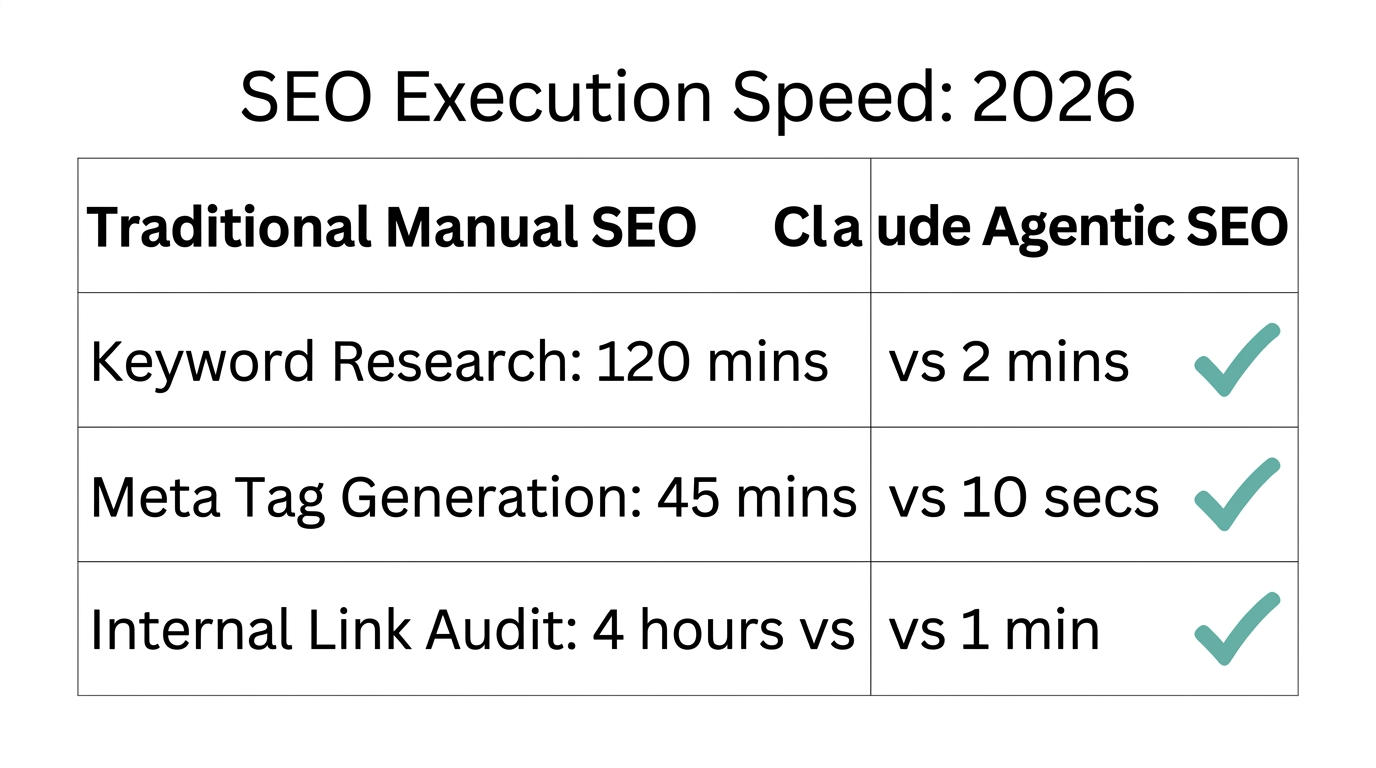
The first step in your automated ecommerce SEO 2026 strategy is connecting your data sources. In the past, you needed complex middleware to connect Google Search Console (GSC) or Ahrefs to your codebase. Now, you can deploy dedicated MCP servers. This allows you to create custom slash commands directly in your development environment.
For example, by setting up a Claude Code marketing automation loop, you can execute a /seo command that performs the following:
- Pulls live organic traffic data from GSC.
- Identifies pages with high impressions but declining click-through rates (CTR).
- Audits the current schema markup on those pages directly in your repository.
- Suggests and applies fixes to the
metadata.jsonor HTML files.
This bypasses the need for manual auditing. Analysts at SemiAnalysis predict that Claude Code will handle over 20% of all daily GitHub commits by the end of this year, and marketing-related code changes make up a significant portion of that volume. By integrating tools like SegmentStream through MCP, you can ensure your SEO data isn't just a metric, but a trigger for code-level optimizations.
Step-by-Step Workflow: Using MCP Servers for Klaviyo and SEO
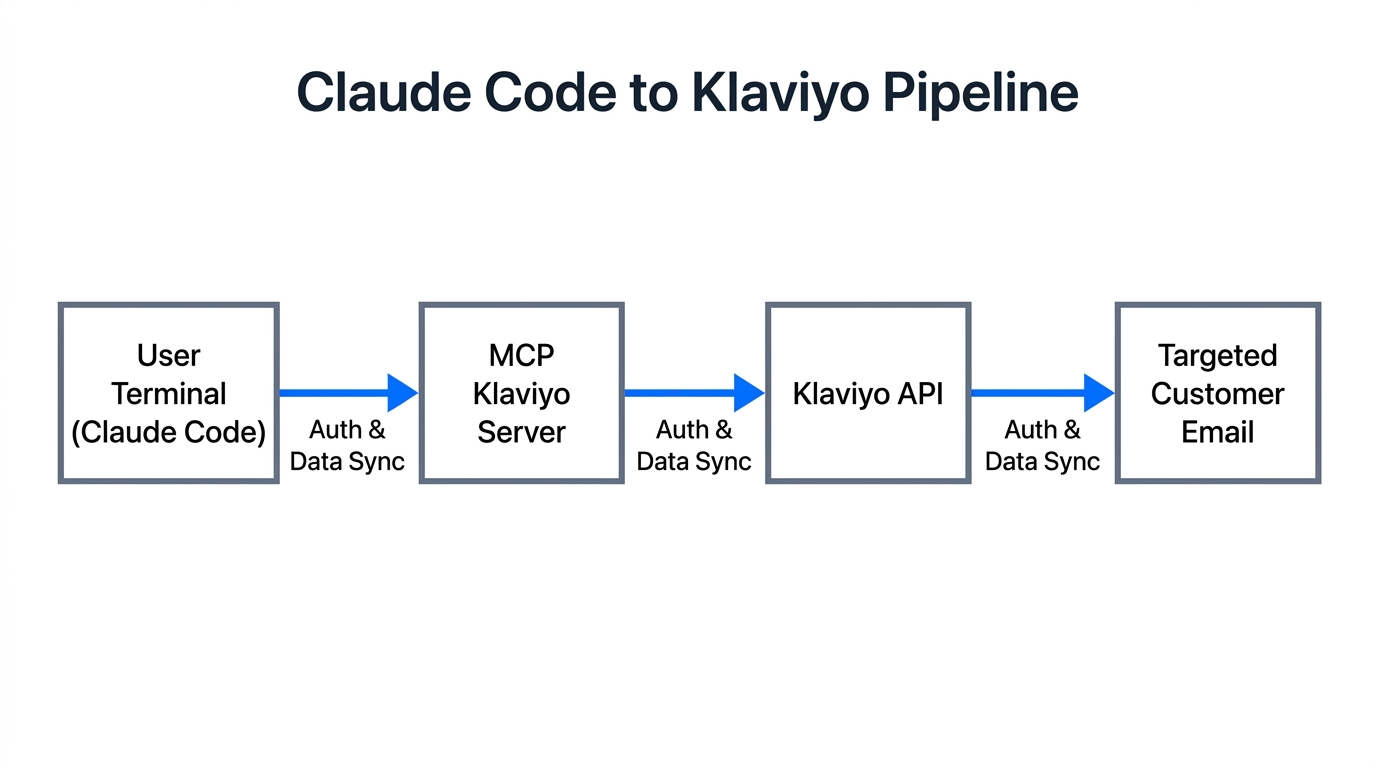
The real magic happens when you bridge the gap between SEO and email marketing. This is the ultimate ecommerce growth hacking tool for 2026: triggering customer outreach based on what people are searching for right now.
Step 1: Connect the Klaviyo MCP Server
Start by configuring the Klaviyo MCP server. This allows Claude Code to access your lists, segments, and flow triggers. You can manage this through automation hubs like Zapier, which now offers a unified MCP interface for thousands of apps.
Step 2: Monitor Keyword Shifts via Ahrefs/GSC
Use Claude to monitor specific keyword clusters. If you notice a sudden spike in organic interest for "vegan leather boots," your agent shouldn't just tell you about it—it should act on it. Use the Builder.io visual workspace to see how these data points align with your current storefront layout.
Step 3: Trigger Dynamic Email Sequences
When a keyword shift is detected, Claude Code can automatically create or update a Klaviyo segment of users who have previously viewed products in that category. It then generates a hyper-personalized email draft—informed by the latest SEO trends—and places it in your Klaviyo dashboard for a final 1-click approval.
| Workflow Phase | Manual (2024) | Agentic AI (2026) |
|---|---|---|
| Data Collection | Manual CSV Export | Real-time MCP Fetch |
| Analysis | Bi-weekly SEO Review | Instant /seo Command |
| Action | Drafting Email Copy | Automated Klaviyo Drafts |
| Optimization | Guesswork A/B Testing | AI-driven Personalization |
"The 23% conversion lift we see in 2026 isn't coming from better copy alone; it's coming from the sub-second synchronization between user intent and brand response."
Avoiding 'Context Rot': The Role of the CLAUDE.md File
One of the most common mistakes in AI agent marketing strategy is failing to provide a source of truth. Without proper documentation, agents suffer from "context rot," where they lose track of your brand voice, technical conventions, or campaign goals. This leads to wasted tokens and inconsistent output, as noted by experts on Medium.
To prevent this, every ecommerce repository should include a CLAUDE.md file. This file acts as the "brain" for your agent, containing:
- Brand Voice Guidelines: Specific instructions on tone, reading level, and prohibited phrases.
- Technical Constraints: Preferred coding styles for your Shopify Dev environment.
- Campaign Logic: Rules for how your Klaviyo sequences should be triggered.
By maintaining this file, you ensure that as you scale your automated ecommerce SEO, the AI stays aligned with your high-level strategy. For those looking to further scale their creator-led growth, platforms like Stormy AI can integrate into this workflow, allowing your agent to not only manage SEO and email but also discover the right influencers to amplify your trending keywords.
Measuring ROI: Driving the 23% Conversion Lift
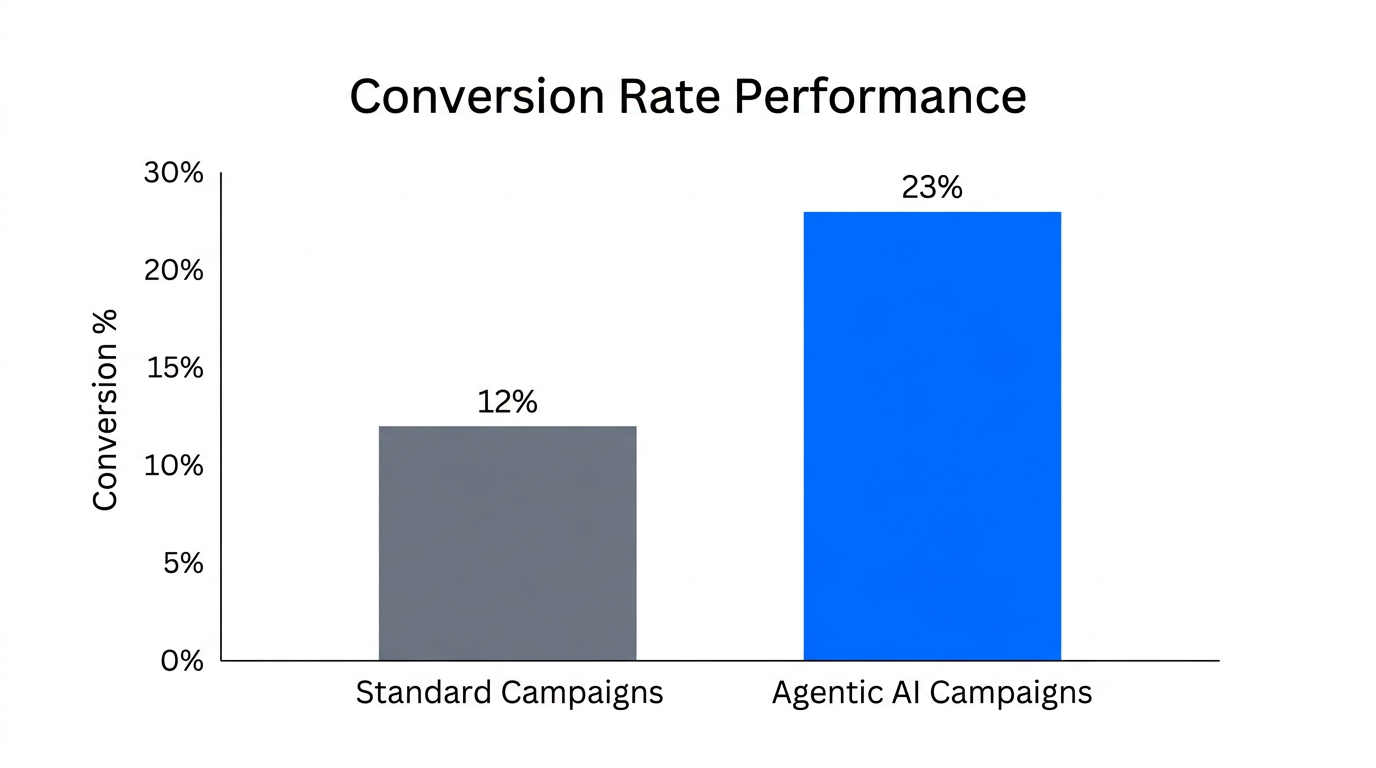
In 2026, the ROI of AI is no longer a bottleneck. While McKinsey previously noted that integration costs were a barrier, the Model Context Protocol has slashed those technical hurdles. Brands that have successfully bridged their SEO and email data are seeing a 23% increase in conversion rates (Envive).
This lift is achieved through hyper-personalization. When Claude Code identifies that a specific product is trending organically and triggers a corresponding email via Klaviyo, the customer experience feels seamless. Companies like TUSHY have already demonstrated that AI-driven responses can double the conversion rates of human agents, reaching as high as 15% for pre-sale queries (Gorgias).
The 2026 Ecommerce Growth Stack
To implement this playbook, you need a modern stack that supports the Model Context Protocol. While legacy tools struggle to keep up, the following platforms have become the backbone of AI agent marketing strategy:
| Category | Recommended Tool | Function |
|---|---|---|
| AI CLI Tool | Claude Code | Core agent for execution and file editing. |
| Commerce API | Shopify Dev Server | Connecting store data via MCP. |
| Email Marketing | Klaviyo | Automated customer communication. |
| Creator Search | Stormy AI | AI-powered influencer discovery for UGC. |
| Automation Hub | FlowHunt | Visualizing agentic marketing flows. |
Conclusion: The Path Forward
Automating your ecommerce growth in 2026 requires more than just buying the latest tools; it requires a mindset shift toward agentic workflows. By using Claude Code to connect your SEO data from Ahrefs and GSC directly to your Klaviyo campaigns, you create a marketing engine that learns and acts in real-time. Remember to avoid common pitfalls like "Opus Overkill"—use Claude 3.5 Sonnet for most tasks to save roughly 50% on token costs—and always keep your CLAUDE.md file updated to maintain your brand's unique edge.
The brands that win this year will be those that stop managing tools and start managing agents. If you're ready to scale your reach even further through automated creator outreach, start by exploring how to discover creators on Stormy to complement your AI-driven SEO strategy.