Running a single successful business is a monumental feat, but managing a $5.5 million portfolio across multiple entities requires more than just hard work—it requires a surgical approach to systems and software. Tim Stoddart, the founder of Stodzy Internet Marketing and owner of iconic brands like Copyblogger, has perfected the art of the multipreneur. By shifting from a solopreneur mindset to a holding company model, he has built a life where his assets do the heavy lifting. The secret sauce behind this transition isn't just a high-level strategy; it is a meticulously curated best agency software stack designed to eliminate bottlenecks, preserve deep work, and enable a fully remote team to operate at peak efficiency without the founder being involved in every minor detail.
The Shift from Solopreneur to Multipreneur
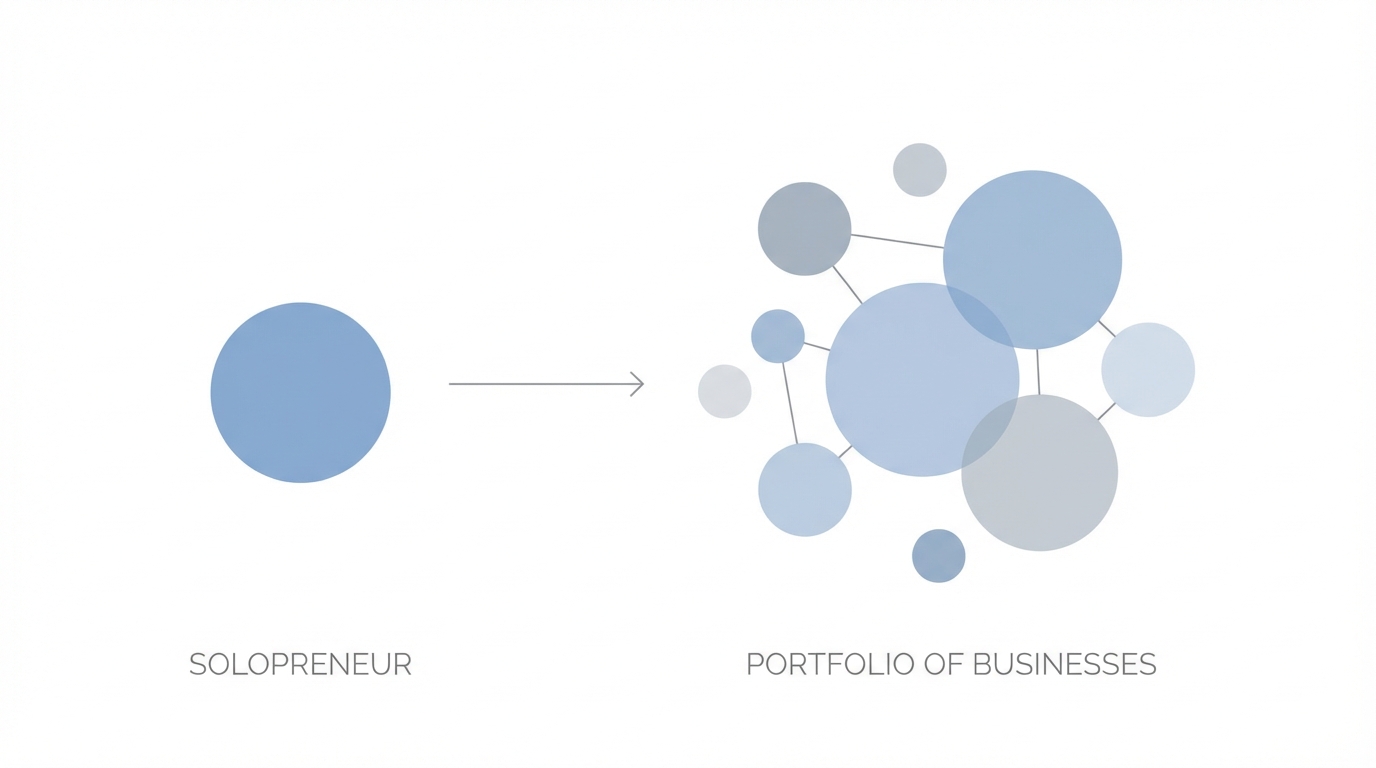
Most agency owners fall into a common trap: the more the business grows, the more they have to work. When Tim Stoddart first started, he was the primary driver of every lead and every deliverable. However, he soon realized that to build real wealth, he needed to move away from working for a paycheck and toward building a portfolio of cash-flowing assets. This realization is a core tenet of the Starter Story philosophy, where thousands of case studies show that the most successful founders are those who productize their skills and then automate the fulfillment. For Tim, this meant leveraging the cash flow from his SEO agency to invest in evergreen industries like healthcare and digital media.
Scaling to a $5M+ portfolio requires remote team management tools that allow for asynchronous communication. If you are the bottleneck in your business, you don't own a business—you own a high-stress job. To break free, you must implement marketing agency automation tools that allow your team to function autonomously. This involves documenting every process, hiring people who are smarter than you in specific niches, and then, as Tim puts it, "getting the hell out of the way."
Communication Protocols: Async-First for Deep Work
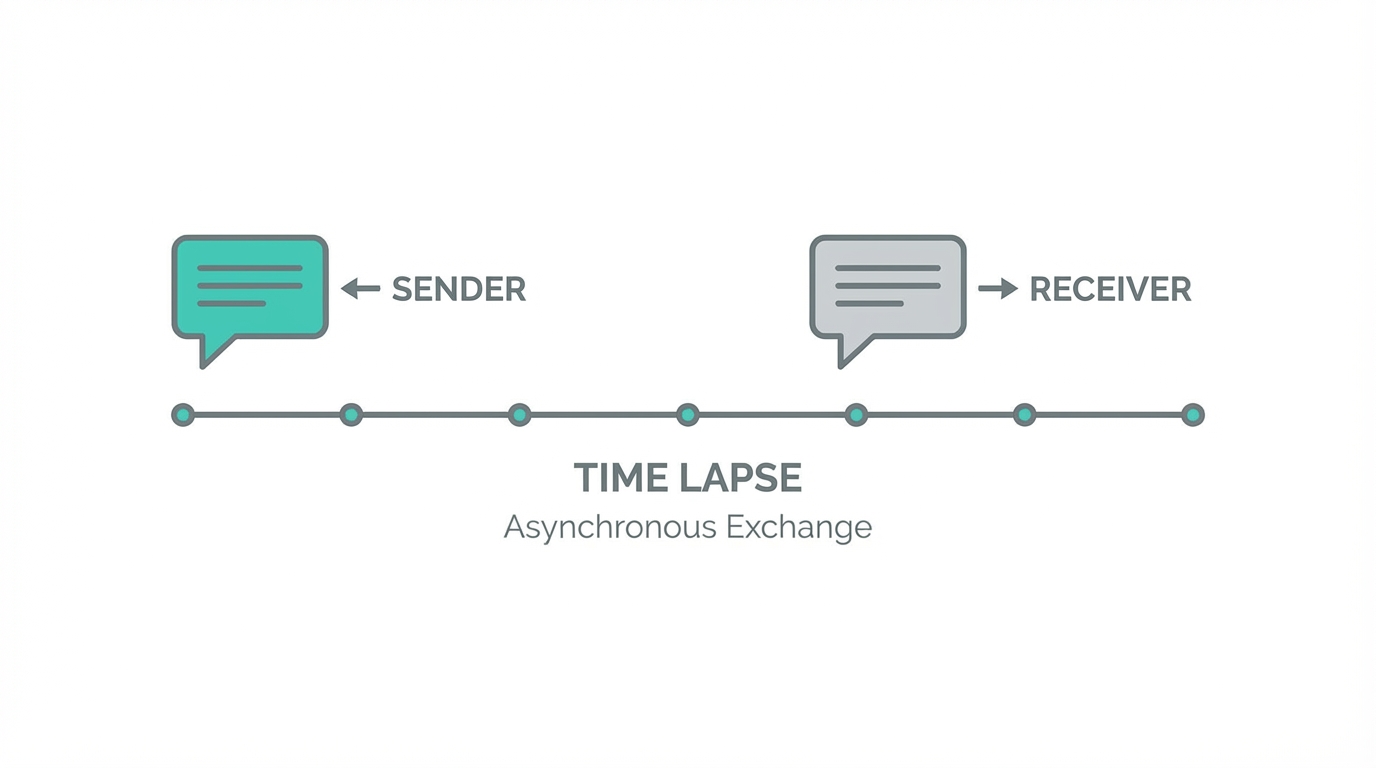
In a remote environment, meetings are often the silent killer of productivity. To preserve the high-value "deep work" time needed for deal-making and strategy, Tim utilizes a strict async-first communication protocol. The two primary pillars of this system are Slack and Loom. Slack serves as the central hub for immediate, non-intrusive updates, while Loom is the heavy lifter for complex explanations. By recording a quick video, you can convey nuance, tone, and screen-sharing instructions that would take ten times longer to write in an email.
This approach allows a founder to record assignments at 4:00 AM—as Tim often does—and have them ready for the team to digest when they start their day. This eliminates the need for "quick syncs" that disrupt creative flow. When you stop treating communication as a series of interruptions and start treating it as a library of asynchronous assets, your agency's output will skyrocket. This is a fundamental component of any entrepreneur productivity tools list: the ability to clone your instructions without repeating yourself.
CRM Selection: Why Centralized Data is the Gold Standard
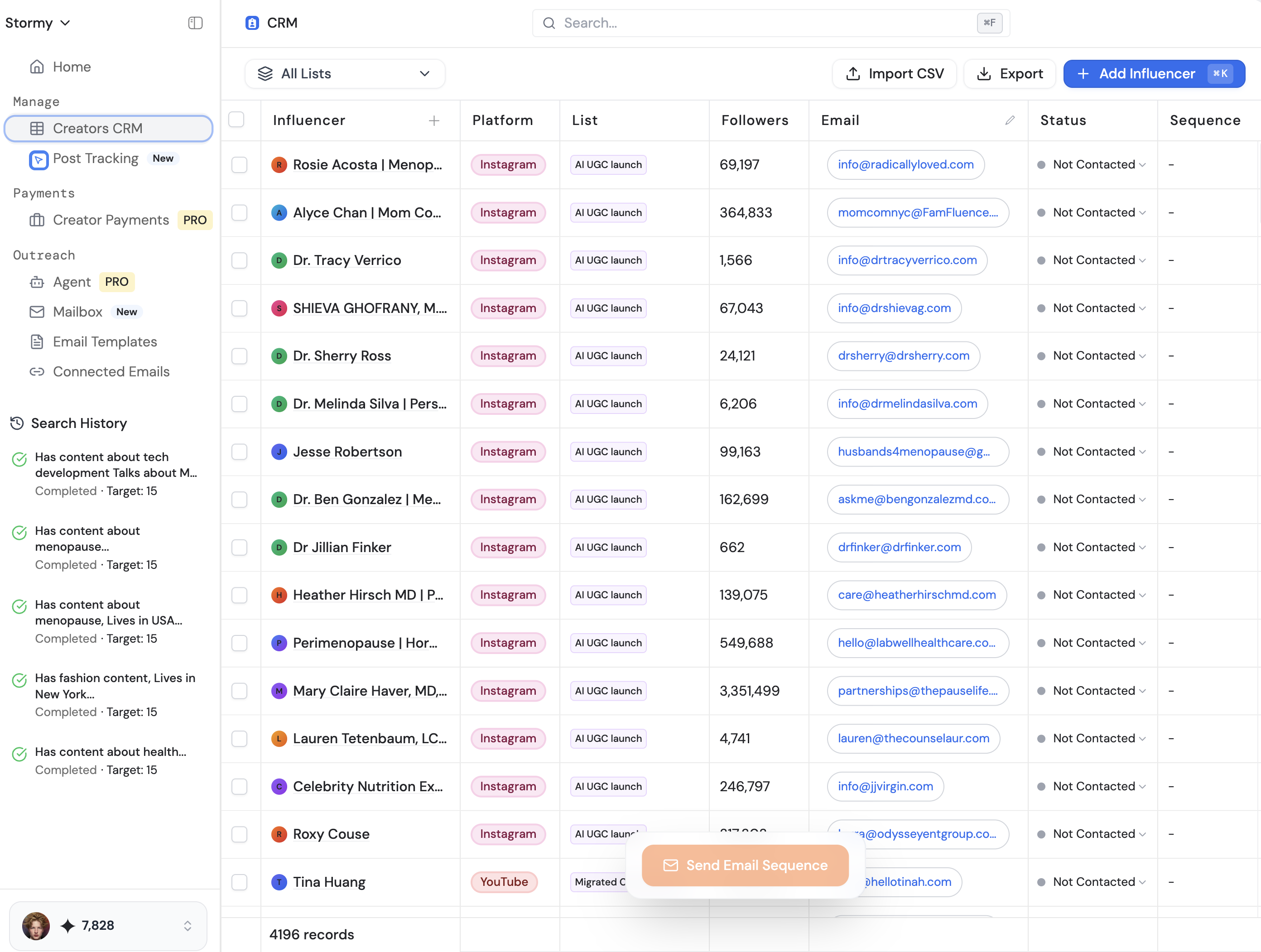
When you are managing a high-value network and multiple lead generation sites like SoberNation or YourFirstStep, you cannot rely on spreadsheets to track relationships. For Tim, having a robust crm for marketing agencies is the non-negotiable choice. While enterprise tools are great for B2B, modern agencies are increasingly turning to specialized tools like Stormy AI to manage their creator relationships and influencer pipelines with the same level of professional rigor.
A proper CRM allows for sophisticated deal-stage tracking, which is crucial when your afternoon is dedicated to deal-making. For a $5M agency, the visibility into the pipeline is what prevents "revenue dry spells." You can see exactly which proposals are out, which leads need a follow-up, and which contacts in your network haven't been touched in months. By using marketing agency automation tools, you can set up sequences that handle initial outreach and lead nurturing while you sleep. This ensures that the "top of the funnel" remains full without requiring constant manual intervention from the founder.
Project Management Hierarchy: Personal vs. Operational
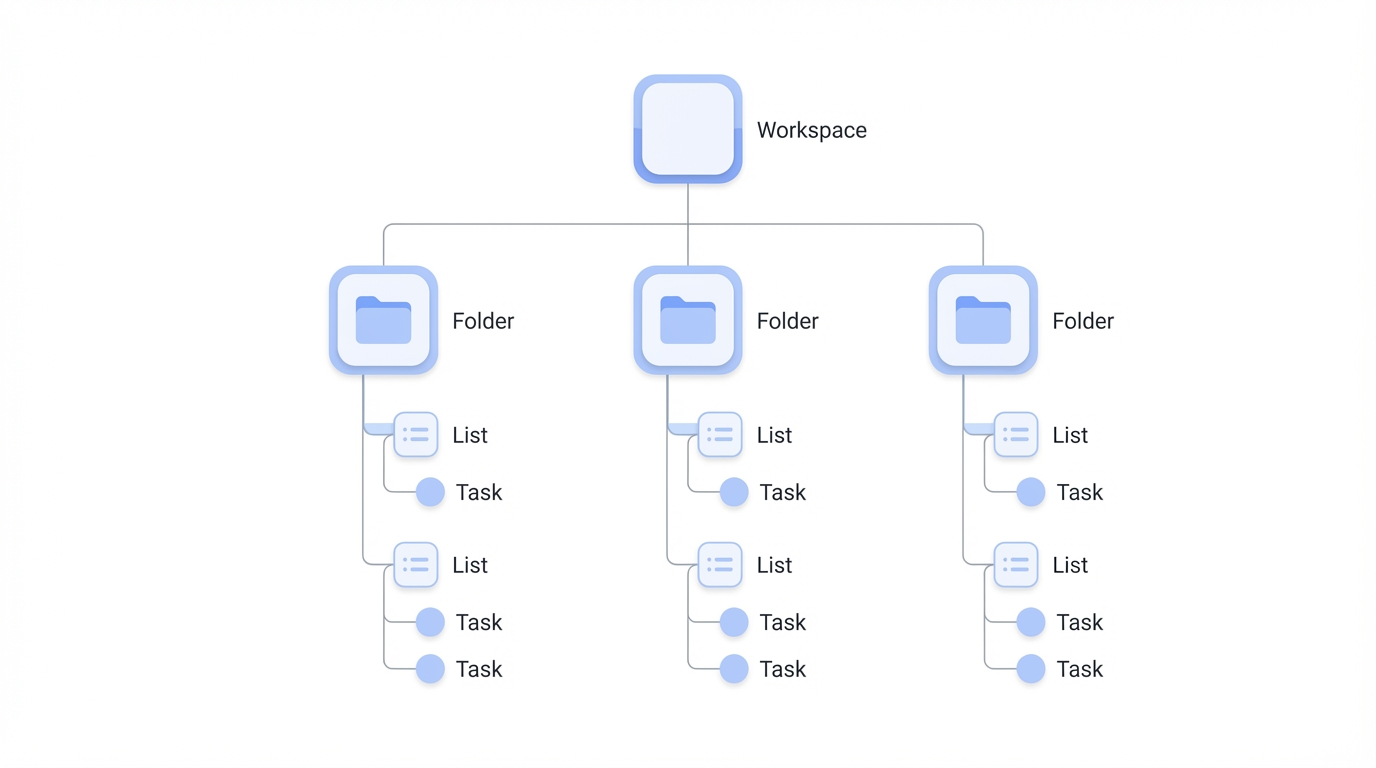
A common mistake agencies make is trying to force every single task into one monolithic project management tool. Tim uses a tiered approach that separates personal logistics from agency operations. For his personal task list and holding company management, Todoist is the go-to tool. It is simple, fast, and stays out of the way. It’s where the high-level "to-dos" like "Review SparkLoop partnership" or "Email Copyblogger editor" live.
However, for the actual fulfillment and client work at Stodzy, ClickUp is the operational engine. ClickUp is robust enough to handle the complexities of SEO audits, content calendars, and multi-step onboarding processes. By separating the two, Tim ensures that his personal dashboard isn't cluttered with the granular sub-tasks of 50 different client accounts. This hierarchy is essential for remote team management tools; your team needs the complexity of ClickUp to do their jobs, but you need the simplicity of Todoist to keep your sanity as a CEO.
The "Google Drive" Reality: Sheets and Docs Still Rule
Despite the proliferation of shiny new SaaS tools, the bedrock of a $5M agency is often built on the simplest foundations. Tim often notes that almost every tool on the market is essentially a modified version of Google Drive. Whether it's a content brief in Google Docs or a financial projection in Google Sheets, these tools remain the most flexible and collaborative options available.
The key is organization. A cluttered Drive is a cluttered mind. At Stodzy, everything is documented and filed according to strict SOPs (Standard Operating Procedures). This documentation is inspired by the principles in The E-Myth Revisited. The goal is to create a "business manual" so thorough that the business could run without you. When you combine the power of a modern best agency software stack with the raw utility of Google Workspace, you create a system that is both scalable and indestructible.
Modern Talent Sourcing: The UGC Advantage
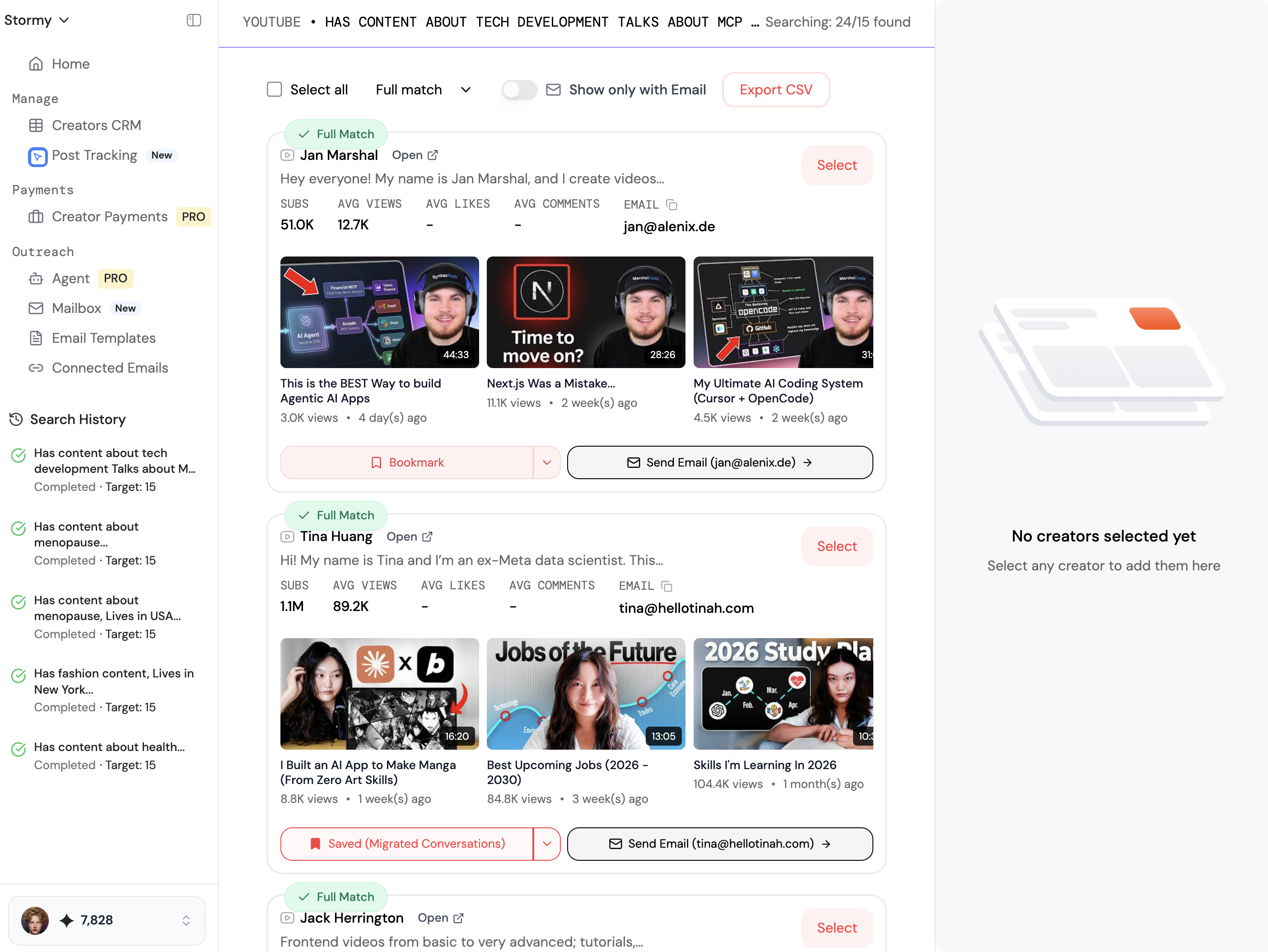
As agencies move toward creator-driven marketing, especially for clients in the newsletter or e-commerce space, finding the right talent becomes the next big bottleneck. For agencies managing multiple brands, platforms like Stormy AI streamline creator sourcing and outreach. Rather than manually scouring social media, AI-powered discovery allows you to find influencers who match your client’s niche in seconds. Managing these relationships within a dedicated creator CRM ensures that your agency can offer high-level influencer marketing without the administrative headache that usually accompanies it.
By incorporating AI into your marketing agency automation tools, you can handle the outreach, vetting, and payment of creators through a single interface. This is particularly useful for agencies running lead-generation campaigns where high-quality user-generated content is needed to drive conversions on platforms like TikTok or Instagram. Automation isn't just for internal tasks; it's for the entire supply chain of content creation.
A Day in the Life: The Routine of a Multipreneur
Systems are only as good as the person running them. Tim Stoddart’s daily routine is designed to maximize the utility of his tech stack. He wakes up at 4:00 AM, chugs water, and immediately dives into "logistics and task assignment." This is where he uses Google Trends and his PM tools to set the stage for his team. By the time his kids wake up, he has already provided the direction for the day.
The middle of the day is reserved for physical health and food, and the afternoon is strictly for deal-making. This is where he lives in his crm for marketing agencies, following up with leads, writing contracts, and closing deals. He uses a simple but effective closing technique: "Are you ready to get started?" and then he stays silent. This discipline, combined with a stack that handles the "busy work," is how you maintain a $5.5M portfolio while still being present for your family and finishing your day by 5:00 PM.
Conclusion: Building Your Own Automated Future
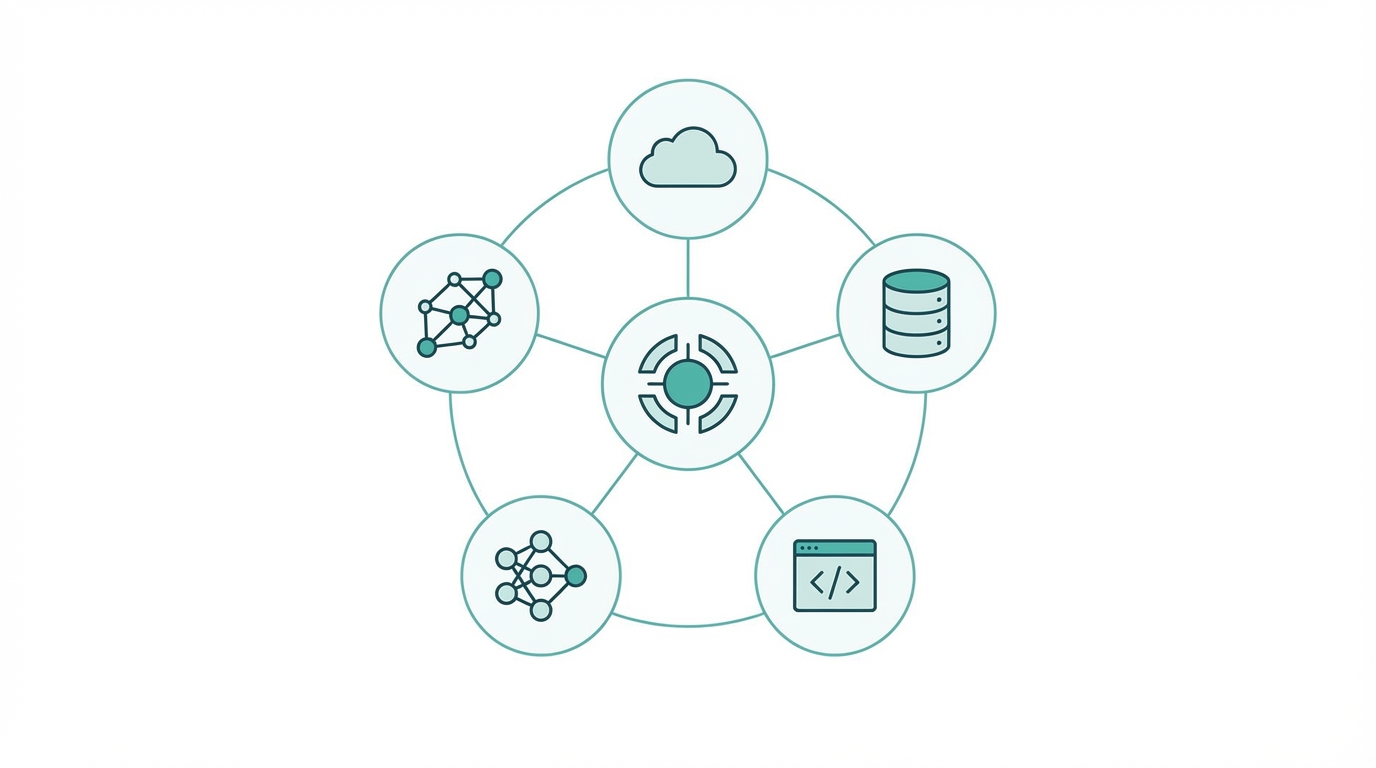
To run a $5M portfolio, you must stop being the worker and start being the architect. The best agency software stack is not about having the most tools; it’s about having the right tools for specific purposes. Use Slack and Loom for async communication to protect your time. Use a centralized CRM as your source of truth for relationships. Use the Todoist/ClickUp combo to separate your personal vision from the team's execution. And never underestimate the power of a well-organized Google Drive.
As you scale, remember that automation is your greatest leverage. Whether you are using ConvertKit for your email marketing or leveraging Stormy AI to find and automate the next generation of UGC creator campaigns, the goal is always the same: to build a portfolio of assets that work for you, so you don't have to work for them. Start by documenting one process today, and move one step closer to your own "midnight-to-midnight" freedom.