The era of manual spreadsheets and guessing games in mobile growth is officially over. As of early 2025, the Apple App Store hosts over 2.2 million apps, while Google Play has reached a staggering 3.7 million, according to data from MobileAction. In this hyper-competitive environment, simply existing isn't enough. With Sensor Tower reporting that roughly 70% of all app installs originate directly from app store searches, your mobile app growth strategy hinges entirely on visibility. But how do you compete when keyword trends shift weekly? The answer lies in agentic automation. By leveraging Claude Code, growth marketers can now execute complex ASO keyword research and competitor gap analysis in under 20 minutes—a process that used to take days of manual labor.
The Shift to Agentic ASO and Semantic Intent
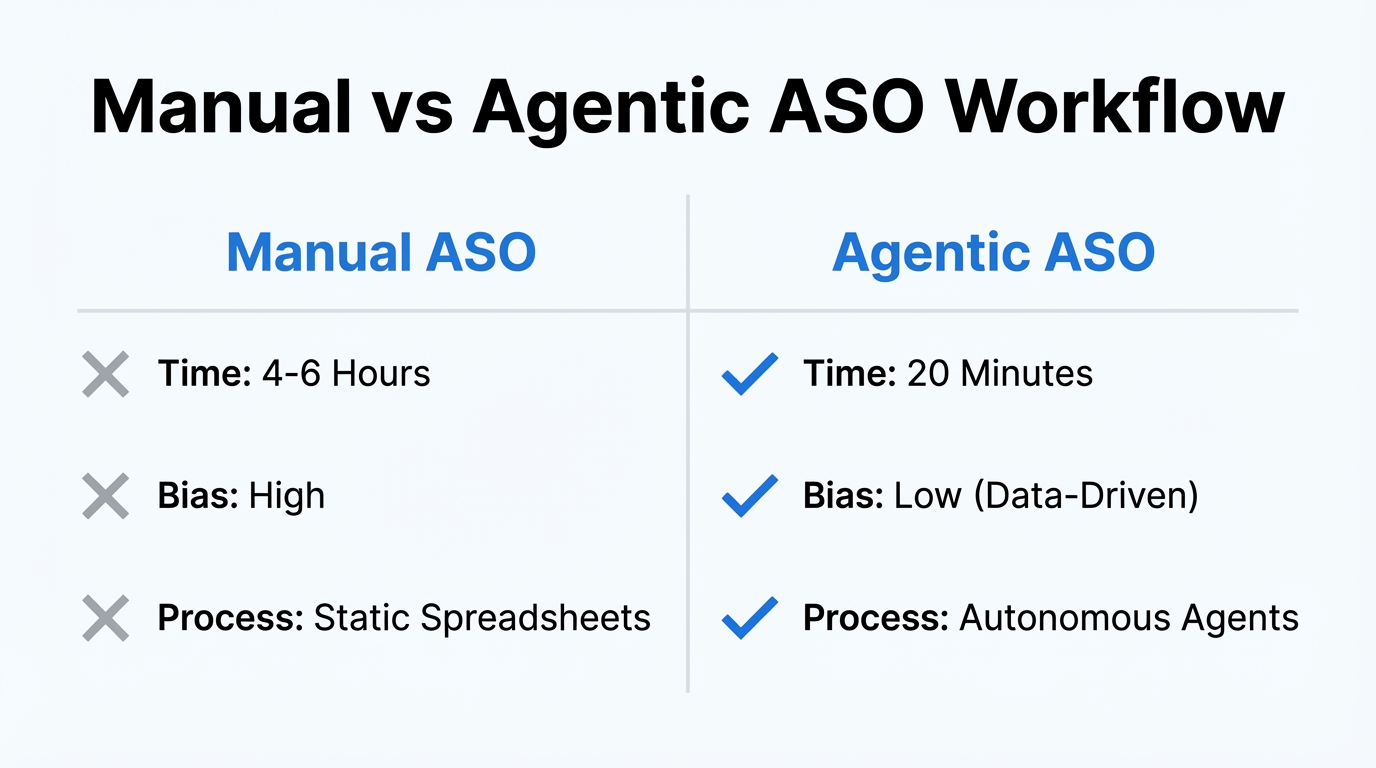
App Store Optimization (ASO) has evolved from simple "keyword stuffing" to a sophisticated game of semantic intent. Modern algorithms no longer just look for exact matches; they reward apps that satisfy the specific behavioral signals of a user's query. This shift toward "Answer Engine Optimization" (AEO) means that users are increasingly using conversational queries and long-tail questions in the search bar. According to research from Practical Logix, the focus is now on predictive keyword modeling—forecasting interest spikes by cross-referencing social media trends with store search data.
"ASO is no longer about finding the most keywords; it is about finding the most relevant intent clusters that convert users into long-term retention."Step 1: Setting up the Claude Code CLI and MCP Servers
To begin your App Store Optimization automation journey, you need to step outside the standard browser-based chatbot. Claude Code is Anthropic’s official Command Line Interface (CLI) that allows the AI to execute terminal commands, edit files, and use the Model Context Protocol (MCP) to fetch live data. This is critical because AI models have a "knowledge cutoff," but ASO requires real-time search volume and competitor trends.
Installation and Live Data Connection
First, install the CLI via your terminal using the following command: npm install -g @anthropic-ai/claude-code. Once installed, you must bridge the gap between Claude and the live web. To do this, you will use SerpAPI and specialized ASO servers. Use these commands to give Claude "eyes" on the app stores:
- SerpAPI MCP: Connects Claude to live search results via
claude mcp add serpapi --url https://mcp.serpapi.com/YOUR_API_KEY/mcp - ASO-MCP: A specialized tool for keyword discovery found on Libraries.io, which provides traffic scores directly from the stores.
By connecting these tools, you transform a static LLM into an autonomous agent capable of scraping, analyzing, and reporting on ASO keyword research in real-time.
Step 2: The 20-Minute Competitor Gap Analysis
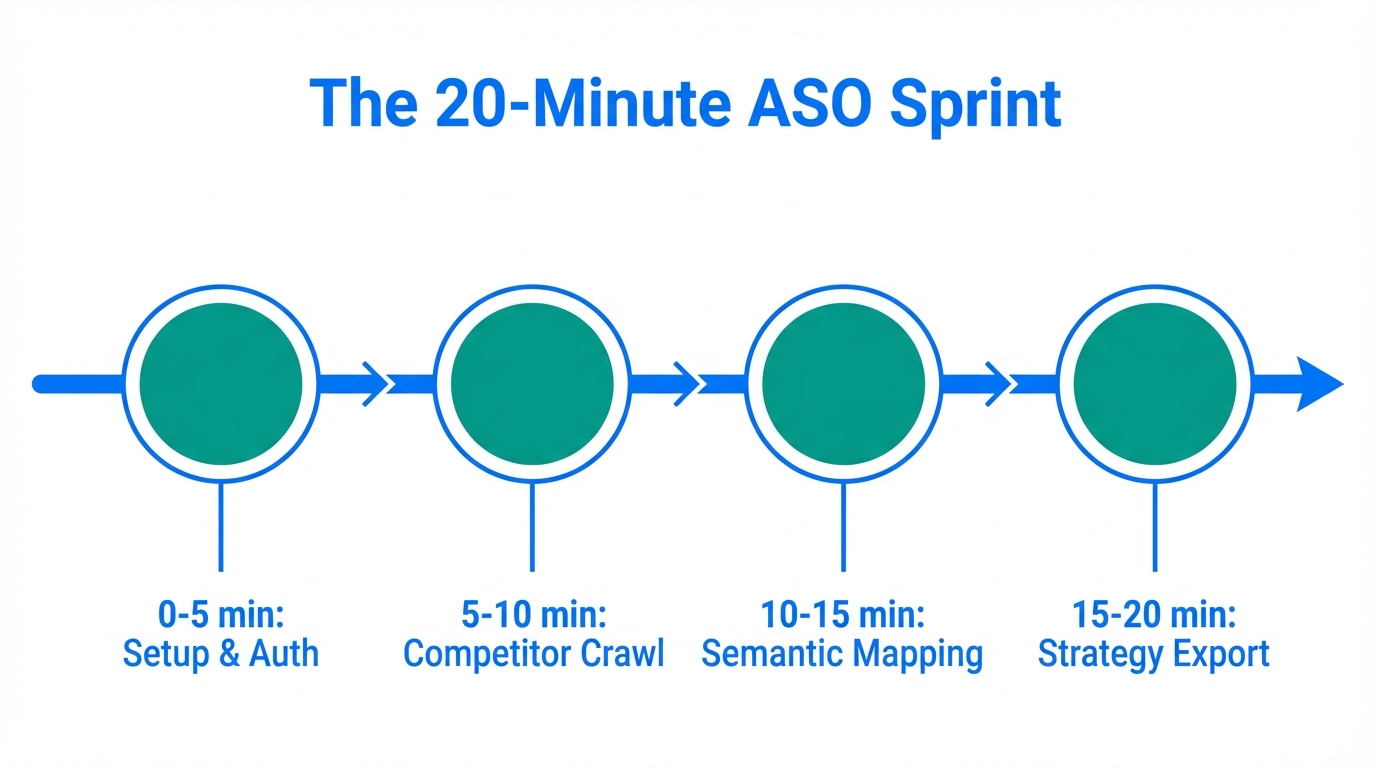
Once your environment is set up, the next step in our AI-driven ASO playbook is the competitor gap analysis. Developers at NoCode SaaS have demonstrated that this entire process can be automated to take less than 20 minutes, effectively saving hundreds of dollars in manual research costs.
How to execute the analysis:
- Identify Top 5 Competitors: Ask Claude to use SerpAPI to list the top 5 ranking apps for your primary seed keyword (e.g., "AI productivity tool").
- Scrape Metadata: Instruct Claude to pull the titles, subtitles, and descriptions of these competitors.
- Identify Keyword Gaps: Ask the agent: "Compare my current metadata with these 5 competitors. Which high-volume keywords are they ranking for that I am missing?"
- Analyze Review Sentiment: Use the agent to analyze the last 90 days of competitor reviews. This can reveal user pain points that you can turn into high-intent keywords. For example, if users complain a competitor lacks a "Hindi recipe" feature, adding "Hindi local recipes" to your metadata can drive significant growth, as seen in recent case studies from Appbirds.
"Automation doesn't just save time; it uncovers the specific cultural and idiomatic nuances that manual research misses."Step 3: Implementing the 6 Circles Research Method
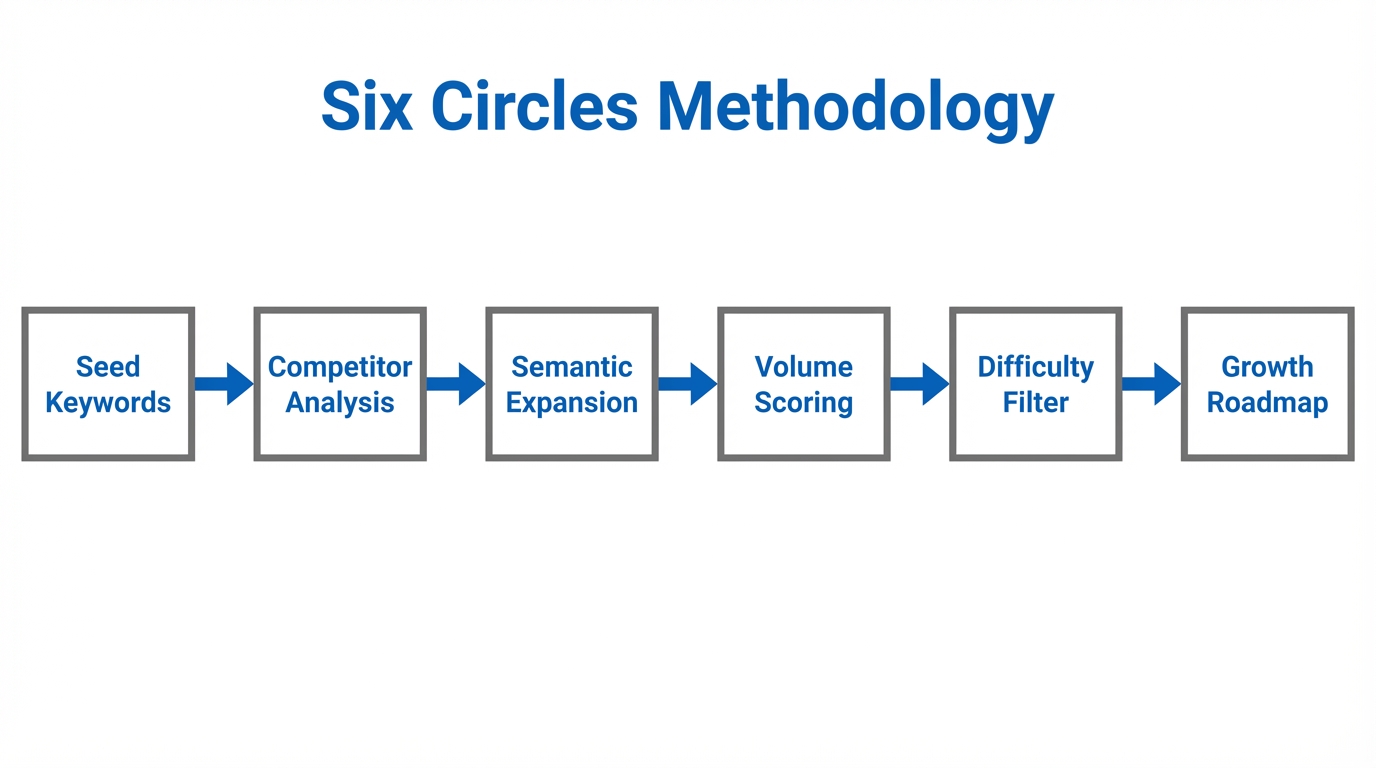
To ensure your keywords actually drive installs, you must use a scoring framework. We recommend the 6 Circles Research Method. Instruct Claude to generate a table for your candidate keywords based on these six dimensions:
| Dimension | Description | Importance |
|---|---|---|
| Relevance | Does the keyword match the app's core utility? | Critical |
| Difficulty | How many established players own this term? | High |
| Volume | How many users search for this term monthly? | High |
| Conversion | Does this term lead to an install or just a view? | Highest |
| Competitor Gap | Is this a term competitors have neglected? | Medium |
| Semantic Authority | Does this keyword support your overall niche? | Medium |
As Marina Roglic, Head of ASO at TapNation, points out via AppAgent, metadata impact has stabilized, making Conversion Rate Optimization (CRO) the new growth engine. Your keywords must align perfectly with your visual assets. High-converting creative assets driven by intent-aligned keywords can increase install rates by up to 95%, according to Dot Com Infoway.
While optimizing your app's search visibility is the foundation, modern growth teams often pair these ASO efforts with creator-led marketing. Tools like Stormy AI can help you source and manage UGC creators who produce content around these specific high-intent keywords, creating a unified funnel from social media to the app store.
Step 4: Generating High-Intent Metadata
Now that you have your scored keywords, it is time to generate the actual metadata for the Apple App Store and Google Play. Note that the two stores behave differently: Apple relies heavily on the 100-character keyword field, while Google indexes the long description semantically.
Apple App Store Strategy:
- Title & Subtitle: Use your primary and secondary keywords here. They have the highest weight.
- Keyword Field: Use the remaining high-scoring keywords from your 6 Circles analysis. Do not repeat keywords from the title.
- Localization: Use Claude to adapt your keywords for 150+ markets. Avoid literal translations, which FoxData warns can lead to missing out on "idiomatic" search terms used by locals.
Google Play Strategy:
- Short Description: Focus on the conversion hook and primary keyword.
- Long Description: Aim for a natural keyword density of 2-3%. Claude Code is excellent at "writing for humans while optimizing for machines," which is vital to avoid penalties for keyword stuffing.
Common Mistakes to Avoid in AI-Driven ASO
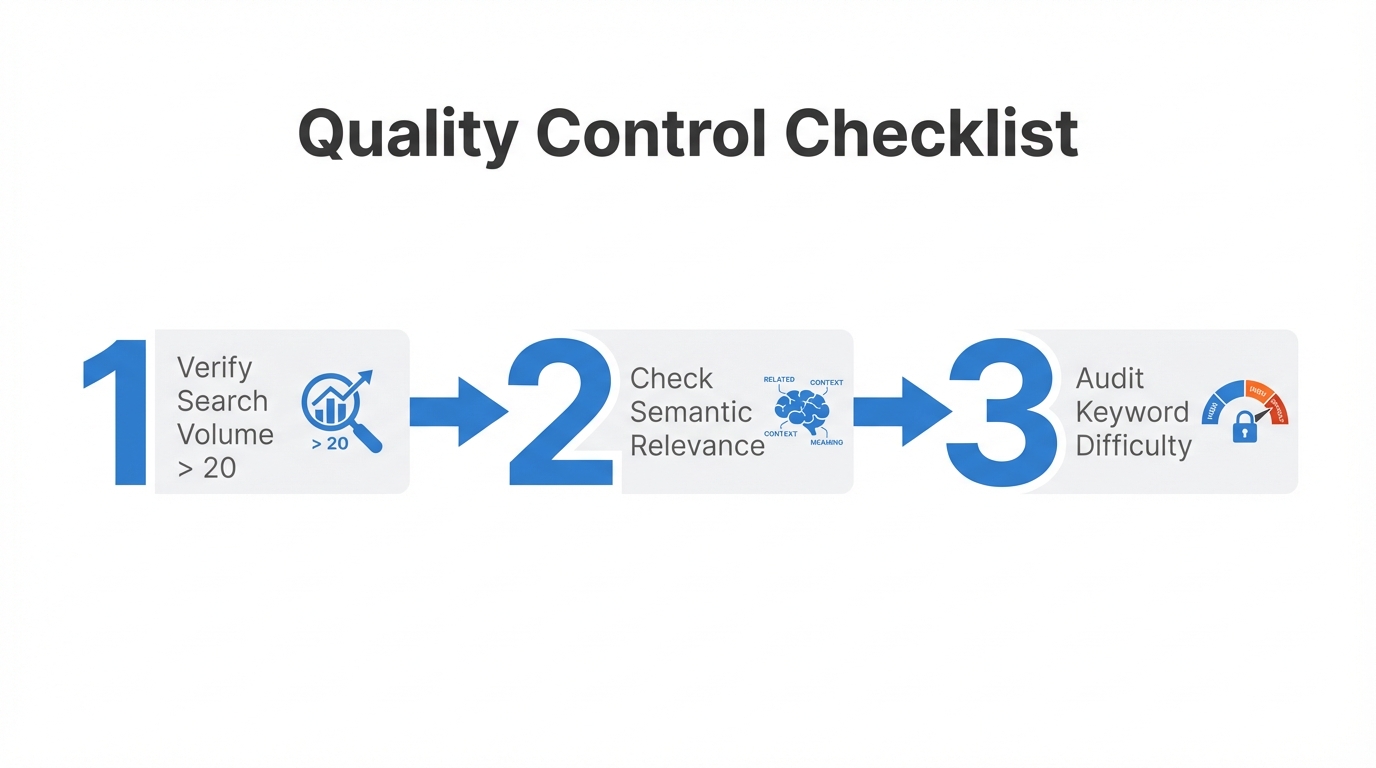
Even with the power of Claude Code for marketing, pitfalls exist. The most common error is ignoring user intent. Over-optimizing for a high-volume term like "fitness" is a waste of resources if your app's actual intent is "weight loss for seniors." Use Claude to filter for "intent-match" before finalizing your roadmap.
Another critical mistake is over-localization without context. AI can translate words, but it needs specific instructions to maintain "cultural resonance." Always prompt Claude to: "Research local slang and idiomatic synonyms for [Keyword] in [Target Country] using live search data."
Finally, remember that ASO does not exist in a vacuum. A successful mobile app growth strategy requires a multi-channel approach. Once your keywords are driving traffic, you can use Stormy AI to find influencers who resonate with those specific keyword niches, ensuring that your external traffic and internal store optimization are perfectly aligned.
Conclusion: Building Your 3-Month Roadmap
By automating your ASO keyword research with Claude Code, you move from a reactive strategy to a proactive one. In just 20 minutes, you can identify gaps, score keywords using the 6 Circles Method, and generate optimized metadata for global markets. This allows your team to focus on what truly matters: Conversion Rate Optimization and product excellence.
Ready to scale? Start by setting up your CLI, connecting to live data via ASO-MCP, and letting agentic AI handle the heavy lifting of discovery. The future of ASO isn't just about being found—it's about being the exact answer the user is looking for.