In 2021, Jeremy was a guy living out of a $2,000 Craigslist van, reset by the exhaustion of failed startups and a desire to reclaim his health. Today, he runs Vanman, a natural hygiene brand that generates over $5 million in annual revenue. His secret wasn't a massive VC injection or a revolutionary patent; it was a fundamental shift in how products are brought to market. By using an audience first business model and the philosophy of "document, don't create," Jeremy validated a multi-million dollar idea before he ever spent a dollar on professional manufacturing.
The Vanman Origin: Documenting the Lifestyle
Jeremy’s journey began on Twitter (now X), where he posted under the handle "Vanman." He wasn’t trying to build a business at first; he was simply documenting his life. He shared his experiments with health, his "reset" in the van, and his search for natural alternatives to modern products. This is the core of building in public: creating a digital trail of your interests and challenges that attracts like-minded people.

When he accidentally bought fluoride toothpaste and decided to quit commercial brands altogether, he didn’t go to a laboratory. He went to the grocery store. He began brushing his teeth with baking soda—a process he described as "harsh and super salty." As he shared these struggles, his audience didn’t just watch; they participated. They suggested additions, shared their own health concerns, and essentially became a focus group for a product that didn’t exist yet.
Identifying Paradigm Gaps: Listening to the Community

A key component of niche community marketing is identifying "paradigm gaps." These are spaces where existing commercial products fail to align with a specific community’s worldview. For Jeremy, this was the "animal-based" or "naturalist" paradigm. His followers were already skeptical of fluoride and synthetic chemicals; they were looking for "simplified van life versions" of everyday items.
He found his breakthrough product idea while scrolling and seeing an old video of Arnold Schwarzenegger putting an egg in a protein shake. He wondered if eggshell powder—rich in calcium—could be a natural alternative for tooth remineralization. According to research published in the Journal of Clinical & Diagnostic Research, eggshell powder can indeed aid in the remineralization of enamel. He tweeted the idea. The response was immediate validation. Because he was already embedded in the community, he knew exactly what their complaints were. Modern brands often struggle to find this level of intimacy, but tools like Stormy’s AI search allow developers to find these specific niche creators across TikTok, Instagram, YouTube, LinkedIn, and newsletters to observe these conversations at scale.
Validating Products with Minimal Risk
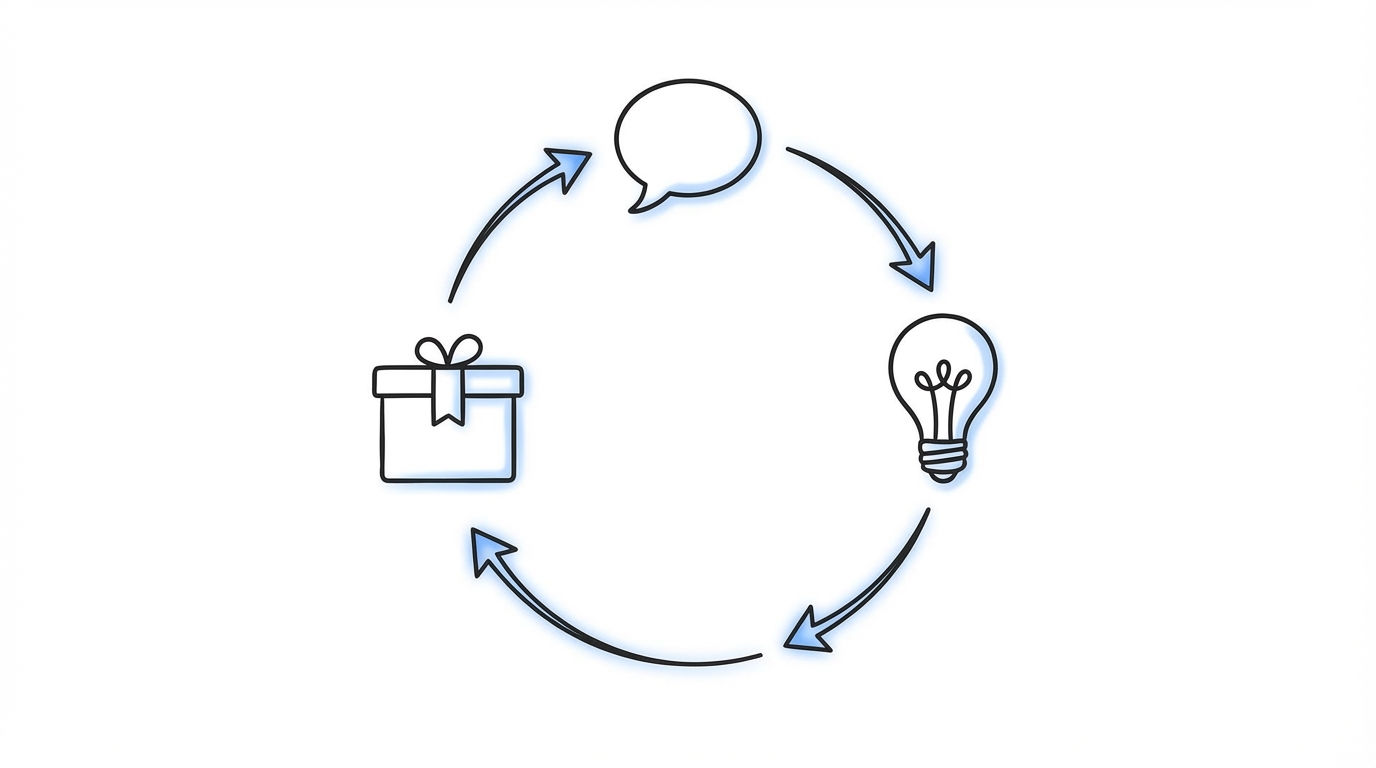
Jeremy’s product validation framework was low-cost and high-feedback. He didn’t build a complex supply chain. He made a big batch of tooth powder by hand and launched it on Shopify. Within 20 minutes, he was mostly sold out. He had expected to sell maybe 15 units; instead, he sold 100 in an hour.
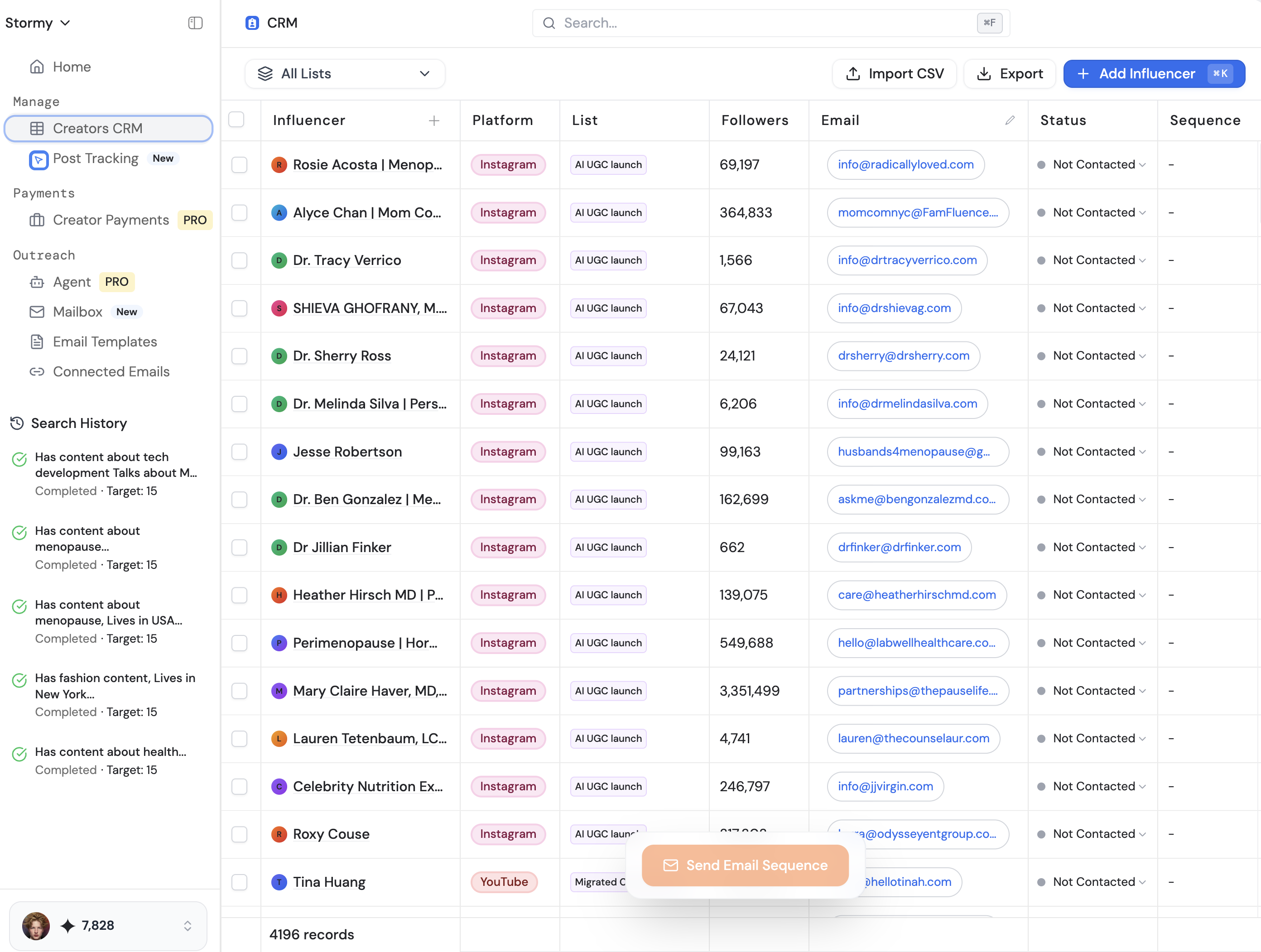
This success was possible because his first 100 customers were already in his DMs. He had spent months building trust and providing value for free. For any brand looking to replicate this, the hardest part is managing those early relationships. Using a system like Stormy’s creator CRM can help founders track interactions, manage deal stages, and maintain that "community feel" even as the customer base grows into the thousands.
The Marketing Strategy: Memes and Controversy
Once Vanman moved from $5,000 a month to $500,000 a month, the engine of growth shifted toward meme marketing. Jeremy noted that his most successful posts were "divisive" or "controversial." He utilized recognizable faces—like a meme of Mel Gibson talking to Mark Wahlberg—and layered on his brand’s voice to make natural health relatable and shareable. Experts at Adweek have noted that this type of cultural relevance is critical for Gen Z and Millennial engagement.
Key tactics Jeremy used included:
- Current Event Integration: Turning UFC fights or viral videos into brand memes the very next day.
- Manual Engagement: Spending hours in the comments section after every post to keep the "pulse" of the audience.
- Hyper-Personalization: While Jeremy did this manually, modern influencer marketing strategy involves reaching out to thousands of similar niche accounts. Stormy AI can automate this by generating hyper-personalized emails that sound like they came from a founder, complete with AI-handled follow-ups, allowing for mass scale without losing the personal touch.
A Playbook for Building in Public
If you are looking to launch an audience-first brand, follow this product validation framework based on Jeremy’s success featured on Starter Story.
Step 1: Choose Your Paradigm
Don’t pick a category; pick a worldview. Whether it’s the "animal-based" lifestyle, the "minimalist tech" crowd, or "sustainable parenting," you need a niche community that feels underserved by the mainstream. Use Stormy’s influencer analysis to vet which communities have the highest engagement and most genuine follower bases, while automatically detecting fake followers and engagement fraud.
Step 2: Document the Struggle
Start a profile on Twitter or TikTok. Don’t try to be an expert immediately. Instead, document your own attempts to solve a problem. If you’re building a mobile app, show the bugs. If you’re making toothpaste, show yourself dipping a toothbrush in baking soda. Building in public creates an emotional investment from your future customers.
Step 3: Crowdsource the Solution
Ask your audience for advice. Jeremy found eggshell powder because he was engaging with his community about calcium. When your audience feels like they helped create the product, they don’t need to be "sold" on it—they already feel a sense of ownership.
Step 4: Launch a Minimum Viable Product (MVP)
Jeremy suggests Etsy as the best place to start. It allows you to test product ideas with low overhead and tap into existing search traffic. Keep your batches small and your fulfillment personal. At this stage, you aren’t looking for profit; you’re looking for product-market fit.
Scaling Operations and Increasing Order Value

One of the hardest transitions in an audience first business model is moving from "handmade in a van" to "handmade in a warehouse." Even at $5 million a year, Vanman still scoops their Tallow Honey Balm by hand with a spoon. This commitment to quality maintains the brand’s "premium" positioning. Many consumers are turning to tallow-based skincare for its high concentration of vitamins A, D, and K.
To achieve profitability in e-commerce, Jeremy focused on Average Order Value (AOV). By expanding from just tooth powder to deodorant, mouthwash, and hair oil, he encouraged customers to buy multiple items under $20. This reduced shipping and processing costs relative to the total sale. To track how these different products perform across various social campaigns, professional marketers use Stormy’s post tracking to monitor views, likes, and engagement while seeing which influencers or posts are driving the highest conversion for specific SKUs.
Conclusion: The Infinite Game of Audience First
Jeremy’s vision for Vanman extends far beyond the bathroom. He plans to bridge the gap into food—owning the cows and bison that provide the tallow for his products and selling high-quality meat. This is the power of a brand built on a paradigm rather than a single product; the community will follow the brand into any category that fits their worldview.
The lesson for modern entrepreneurs is clear: stop trying to "invent" the next big thing in a vacuum. Instead, find a community, document your journey, and let them tell you what to build. Whether you are an app developer looking for UGC creators or a physical product brand, the path to $5 million starts with a single honest post. If you’re ready to find that audience, start by using Stormy's AI search engine to discover the creators who are already leading the conversations your brand needs to join.