In the hyper-competitive landscape of 2025, traditional App Store Optimization (ASO) has evolved far beyond simple keyword stuffing and flashy screenshots. While those elements remain foundational, according to recent mobile market reports, the true winners in the mobile ecosystem are those who have mastered the art of the user feedback loop. Success is no longer just about getting a user to click "Get"; it is about creating a symbiotic relationship between your product’s promise, the user's actual experience, and the linguistic data they leave behind in the review section. This guide explores the advanced app store seo 2025 tactics that separate million-dollar apps from the millions of forgotten ones.
The 'Holy Circle' of ASO: Matching Promise with Reality
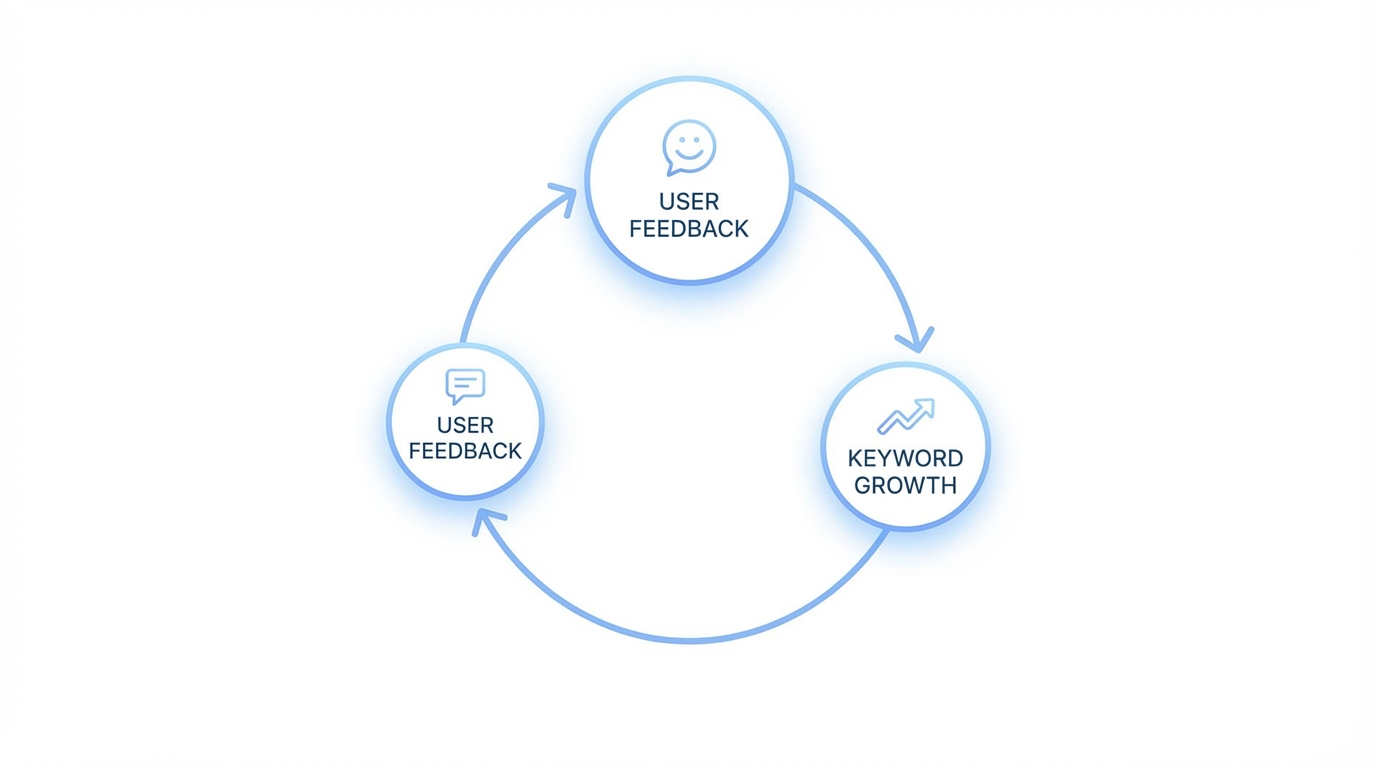
One of the most profound app store optimization tips for the coming year is what Anya, the founder of the anxiety-relief app Rooted, calls the "Holy Circle." This concept is a self-reinforcing loop that drives organic growth and significantly impacts aso ranking factors. The process is simple yet difficult to execute: you align your product page's marketing copy exactly with the language users use in their reviews after experiencing the app.
When Anya first launched Rooted, she noticed a gap in existing apps. They were either too clinical or focused on hypnosis, failing to address the raw, immediate need of someone in the middle of a panic attack. By focusing on a single "aha moment"—a red SOS button—she created a product that delivered exactly what it promised. As users found relief, they naturally used keywords like "panic attack relief" and "anxiety support" in their reviews. These are the same keywords that prospective users search for, creating a powerful relevance signal for App Store algorithms. To truly increase app downloads, your store presence must reflect the authentic vocabulary of your satisfied users.
To identify these high-value keywords, you must look beyond standard SEO tools. While Google Ads keyword planner can provide volume data, the gold mine is in your own review section. If you are just starting and lack reviews, analyzing the feedback of your competitors is the next best step. This qualitative data allows you to build a mobile app user reviews strategy that influences your metadata from day one.
The Weekly Release Rhythm: Signaling Authority
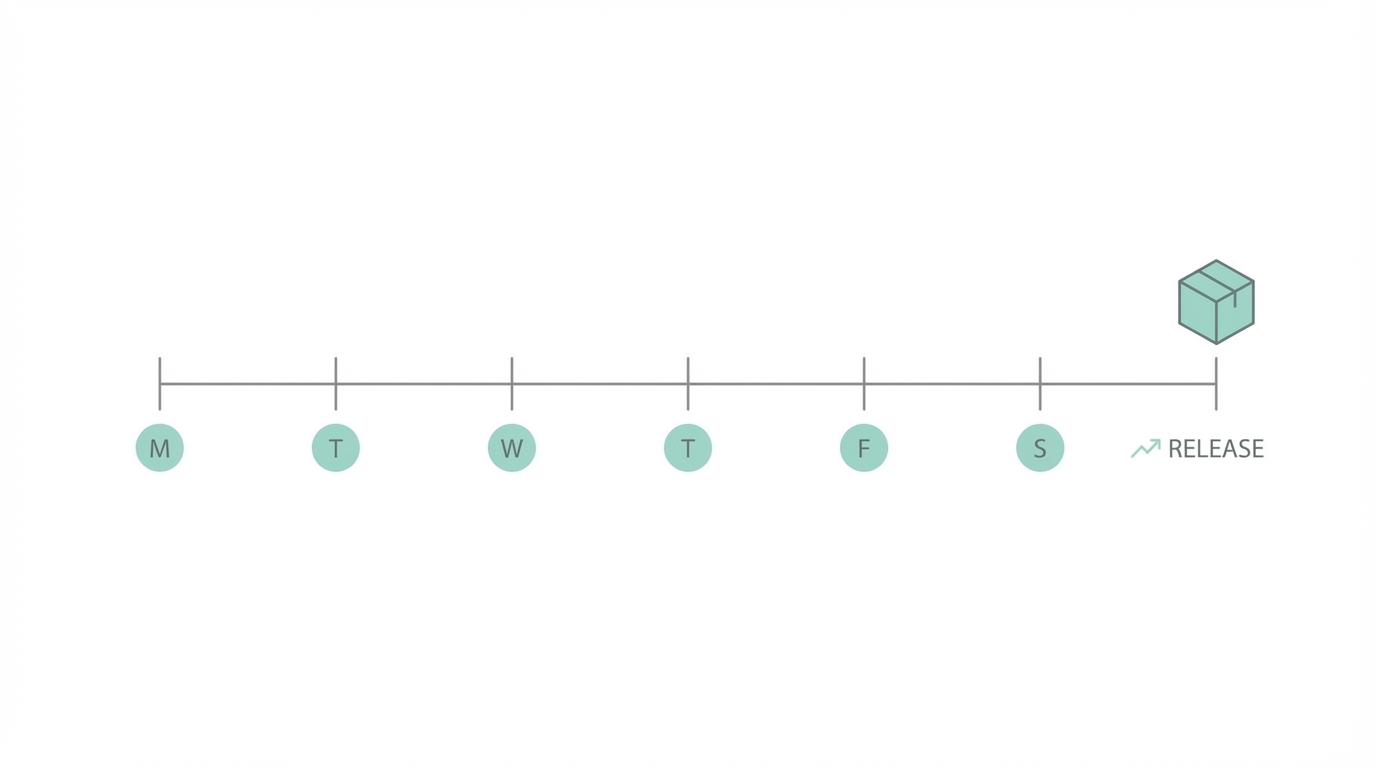
A common mistake many developers make is releasing a massive update every few months and remaining silent in between. In 2025, app store seo rewards consistency. Pushing an update every seven days—even if it is just minor bug fixes or performance improvements—signals to the App Store and Google Play that the app is actively maintained and high-quality. Anya credits this weekly release rhythm as a core component of her strategy to reach over four million downloads.
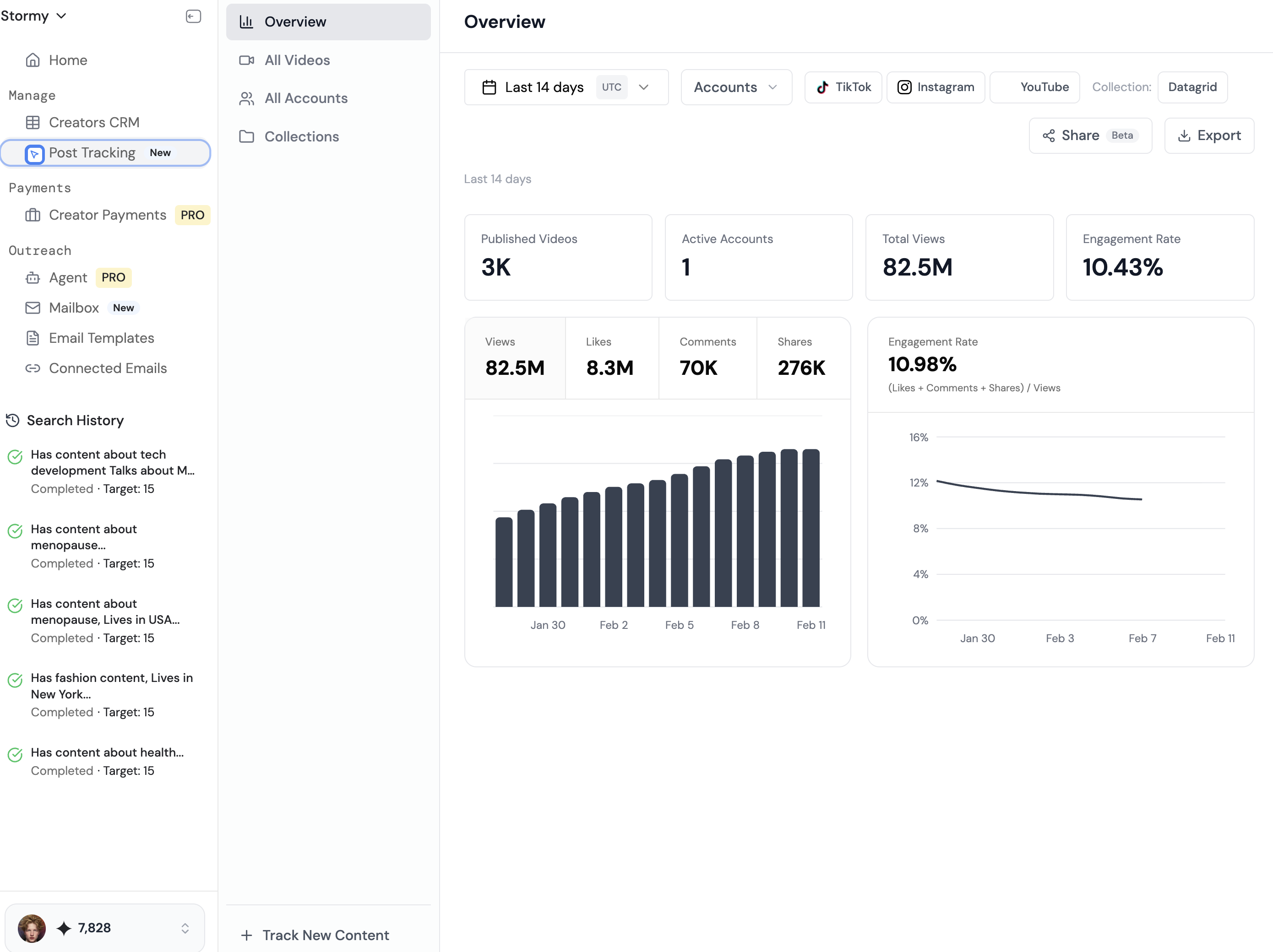
Frequent updates do more than just appease algorithms; they build trust with users. When a user sees a "Version History" filled with recent, weekly improvements, their confidence in downloading increases. This is where modern tools like Stormy's post tracking become invaluable. Unlike old-school manual analytics, Stormy allows you to monitor how your app's social mentions and creator-led content react to these weekly updates, correlating technical releases with spikes in social engagement and organic search volume across TikTok and Instagram.
Maintaining this rhythm requires a streamlined workflow. Successful app developers often use a "rolling release" schedule, where features are developed in parallel and deployed as they are ready, ensuring that the seven-day window is always met. This constant activity keeps your app "fresh" in the eyes of the ranking bots, which prioritize active products over stagnant ones.
Sentiment Analysis: Mining Reviews for Product Roadmaps
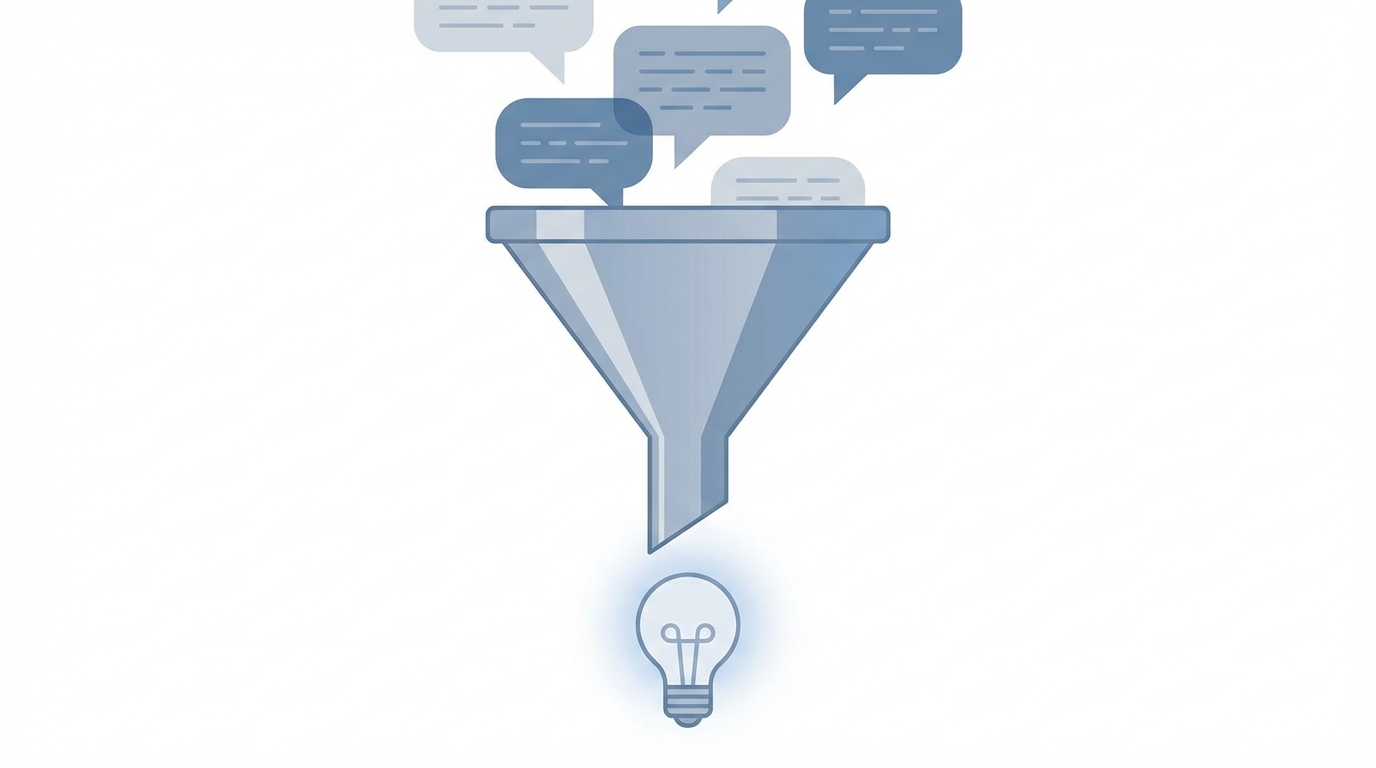
Your user reviews are more than just a metric; they are a direct line to your product's future. Sentiment analysis involves more than just counting stars; it’s about identifying the emotional triggers and specific pain points your users mention. For Rooted, users had been asking for "simple, relaxing games" for years to help distract them during subway rides or flights. By finally implementing this feature, Anya didn't just satisfy existing users; she unlocked a new set of long-tail keywords related to "anxiety games" and "distraction tools."
Mining these reviews helps you stay ahead of aso ranking factors by identifying shifts in user intent. If you notice a sudden influx of reviews mentioning a specific use case you hadn't considered, you can immediately update your App Store screenshots and description to highlight that feature. This level of agility is what defines app store optimization tips in a fast-moving market.
When vetting which features to prioritize based on user sentiment, it’s helpful to see how similar topics are performing in the broader creator economy. You can use Stormy AI for influencer vetting and deep analysis to see which topics are trending among health and wellness creators. If creators are talking about "mindful gaming" and your users are asking for it, you have identified a high-probability feature that will likely drive both engagement and new organic downloads.
Maintaining a 4.8-Star Rating: The Quality Benchmark
In 2025, a rating below 4.5 is a death sentence for organic growth. To increase app downloads, you must maintain a near-perfect reputation. Rooted has famously maintained a 4.8 out of 5-star rating across millions of downloads. This isn't achieved by luck; it is achieved through a proactive mobile app user reviews strategy. This involves responding to every negative review with empathy and using that feedback to fix the underlying issue.
A negative review is often a "broken promise" between the app and the user. According to studies by Apptentive, addressing concerns directly often turns a one-star detractor into a five-star advocate. This high rating is one of the most weighted aso ranking factors because it serves as ultimate social proof. Users are far more likely to download an app with a 4.8 rating and 100,000 reviews than one with a 4.2 rating and a million reviews.
Managing these relationships at scale can be difficult. While you manage your app users in the store, managing the creators who promote your app requires a different set of tools. Stormy's creator CRM allows you to track every interaction, negotiation, and collaboration history with influencers who are generating these reviews for you. By keeping a close pulse on who is talking about your app and what they are saying, you can ensure that the "top of the funnel" traffic is high-quality and likely to leave positive feedback.
Strategic B2B Partnerships and High-Authority Referral Traffic

While App Store SEO 2025 focuses heavily on internal store factors, external signals are becoming increasingly important. High-authority referral traffic from reputable organizations tells the App Store that your app is a trusted resource. Rooted leveraged partnerships with therapy groups, wellness organizations, and psychologists' offices to drive consistent, high-intent traffic to their listing.
These B2B contracts and referrals act as a powerful form of User Generated Content (UGC) and professional endorsement. When a therapist recommends an app, the user is almost guaranteed to download it and use it, leading to high retention rates—another critical aso ranking factor. To find these types of strategic partners or health-focused creators who can drive this traffic, you can utilize Stormy's AI search for discovery across TikTok, YouTube, Instagram, LinkedIn, and even newsletters to find influencers in the medical, wellness, and psychology niches.
Once you have identified these potential partners, the next step is personalized outreach. Using Stormy AI for AI-personalized outreach, you can send hyper-personalized emails to these professionals or organizations, explaining how your app can serve their patients or followers. This multi-channel approach ensures that your ASO strategy is supported by a steady stream of high-quality external traffic that converts at a much higher rate than generic search traffic.
The 2025 ASO Playbook: Step-by-Step
Step 1: Audit Your Reviews for Keywords
Export your last 500 reviews and use a word-cloud or sentiment analysis tool to find the most common nouns and adjectives. Compare these to your current app store optimization tips and metadata. If users are calling your app a "lifesaver for panic," but your title is "Anxiety Relief Tool," consider a pivot to match their language.
Step 2: Implement a 7-Day Release Cycle
Commit to a weekly update. Even if the changes are invisible to the user, the "Date Updated" field must stay fresh. This constant activity improves your aso ranking factors by showing the store that the app is fully compatible with the latest OS versions and free of major bugs.
Step 3: Gamify Your Review Requests
Don't just ask for a review; ask at the "moment of victory." For Rooted, this is right after a user completes a breathing exercise or exits the SOS mode. By asking for a review when the user feels the most relief, you ensure the sentiment is overwhelmingly positive, helping you maintain that crucial 4.8-star rating.
Step 4: Scale External Authority
Use an AI-powered discovery engine like Stormy AI to find 50-100 micro-influencers or professional organizations in your niche. Set up an autonomous AI agent that discovers, outreaches, and follows up with creators on a daily schedule. The resulting external traffic will provide a significant boost to your organic search rankings within the store.
Conclusion: The Future of ASO is Human-Centric
As we move through 2025, the technical aspects of App Store SEO will become increasingly commoditized by AI tools. The real competitive advantage lies in the mobile app user reviews strategy and the ability to listen to your users. By closing the loop between what you build, what you promise, and what your users say, you create an organic growth engine that is incredibly difficult for competitors to disrupt. Whether you are a solo developer or a large marketing team, focusing on the quality of the user experience and the authenticity of your feedback loop is the ultimate way to increase app downloads and dominate the app store.