In the hyper-competitive mobile ecosystem, visibility is the primary currency of growth. Statistics from Apple Search Ads reveal a sobering truth for developers: approximately 65% of all App Store downloads occur immediately after a search. This means that if your app isn't appearing in the top results for relevant queries, you are effectively invisible to nearly two-thirds of your potential market. Implementing a rigorous aso metadata optimization strategy is no longer a luxury—it is the baseline for survival. By mastering the nuances of the app title, subtitle, and hidden keyword field, developers can significantly increase app rankings and capture high-intent traffic that competitors are leaving on the table.
The Logic of the App Store Algorithm
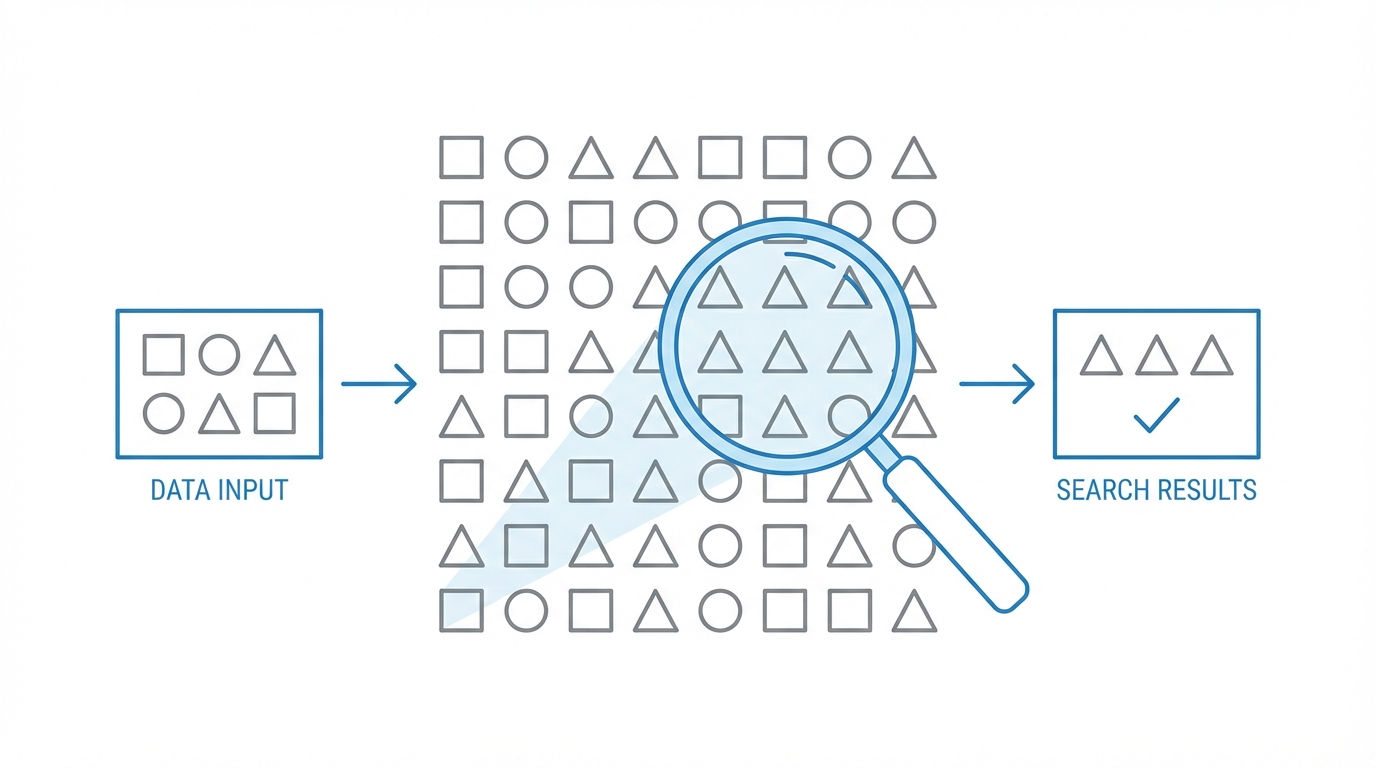
To succeed at App Store Optimization (ASO), one must first understand that Apple’s algorithm does not function like Google’s web search. It relies on a proprietary "Volume Score" and specific metadata constraints that dictate how an app is indexed. According to research on App Store algorithms by AppTweak, Apple uses a scale of 5 to 100 to represent search popularity. While a score of 100 represents the most searched terms like "TikTok" or "Instagram," most sustainable organic growth for new apps is found in the middle of that spectrum.
"65% of all App Store downloads occur immediately after a search—if you aren't optimizing your metadata, you are invisible to the majority of your users."
Current benchmarks for 2024 and 2025 show that while branded keywords dominate the top searches, high-intent generic terms like "AI Editor" or "Fitness Tracker" offer the best conversion opportunities. However, the stakes are high: apps ranking in the #1 position for a high-volume keyword typically capture over 30% of total clicks, with conversion rates dropping precipitously for any position below #5, according to data from SplitMetrics.
Mastering App Title SEO
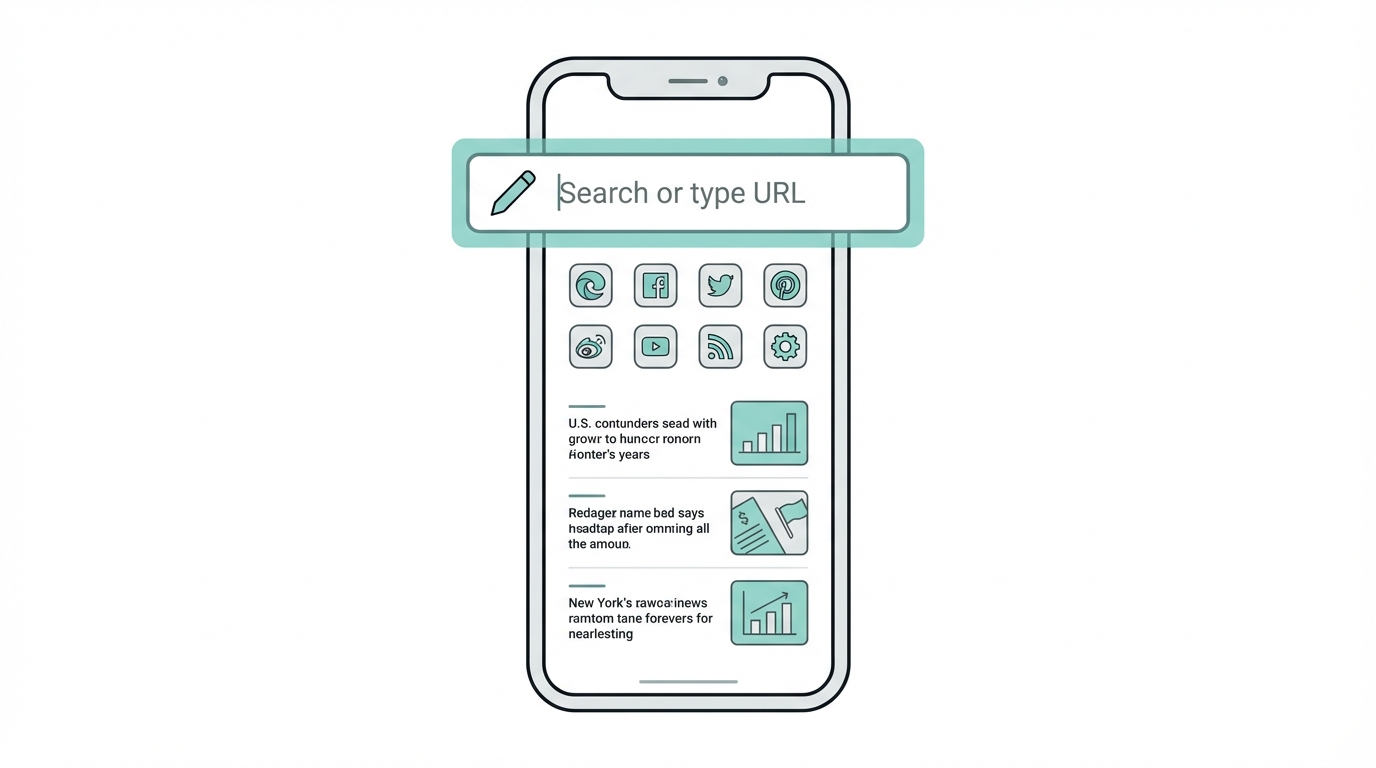
The App Title is the most influential piece of metadata in your entire app store optimization strategy. It carries the most weight in the search algorithm. You are limited to exactly 30 characters, which means every single letter must serve a purpose. App title seo requires placing your highest-volume and most relevant keyword directly into this field. This is not the place for creative, abstract names; it is the place for clarity and keyword density.
For example, if your app is a photo editor, simply naming it "Lumina" is a wasted opportunity. A title like "Lumina: AI Photo Editor" uses the brand name while anchoring the app to high-volume search terms. Industry experts at ConsultMyApp emphasize that moving away from keyword stuffing toward a tiered approach is essential for modern indexing.
The Subtitle: Explaining the Why
Directly below the title is the Subtitle, another 30-character field that carries the second-highest algorithmic weight. While the title targets the "what," the subtitle should target the "how" or "why." This field is critical for conversion because it provides additional context to users who have already been intrigued by your title. Using keywords that describe features or benefits is a proven way to increase app rankings without triggering spam filters.
"Repeating a keyword in your title and subtitle doesn't double its weight; it simply wastes precious character space that could be used for synonyms."
The 100-Character Keyword Field Blueprint
While the Title and Subtitle are visible to users, the app store keyword field is a hidden 100-character space where you can list secondary terms, synonyms, and long-tail variations. To maximize this metadata real estate, you must follow specific formatting rules that differ significantly from standard SEO. Apple’s algorithm automatically combines keywords from this field with those in your title and subtitle to form search phrases.
Effective use of this field involves listing keywords separated only by commas, with no spaces. For instance, "photo,editor,filter,beauty,selfie" is far more efficient than "photo editor, beauty filter." By eliminating spaces, you can fit more long-tail variations into the limit. Research from Sensor Tower suggests that monitoring historical trends in keyword performance is vital for keeping this field optimized as seasonal trends shift.
Avoiding Keyword Cannibalization
One of the most common mistakes developers make is repeating keywords across different fields. If the word "Fitness" is in your App Title, there is zero benefit to including it in your Subtitle or Keyword Field. The algorithm already knows your app is related to fitness. Repeating it does not increase its ranking weight; it simply prevents you from ranking for an additional term. Strategic planners use tools like Appfigures to audit their metadata and ensure no duplication occurs.
The ASO Playbook: A Step-by-Step Execution Guide
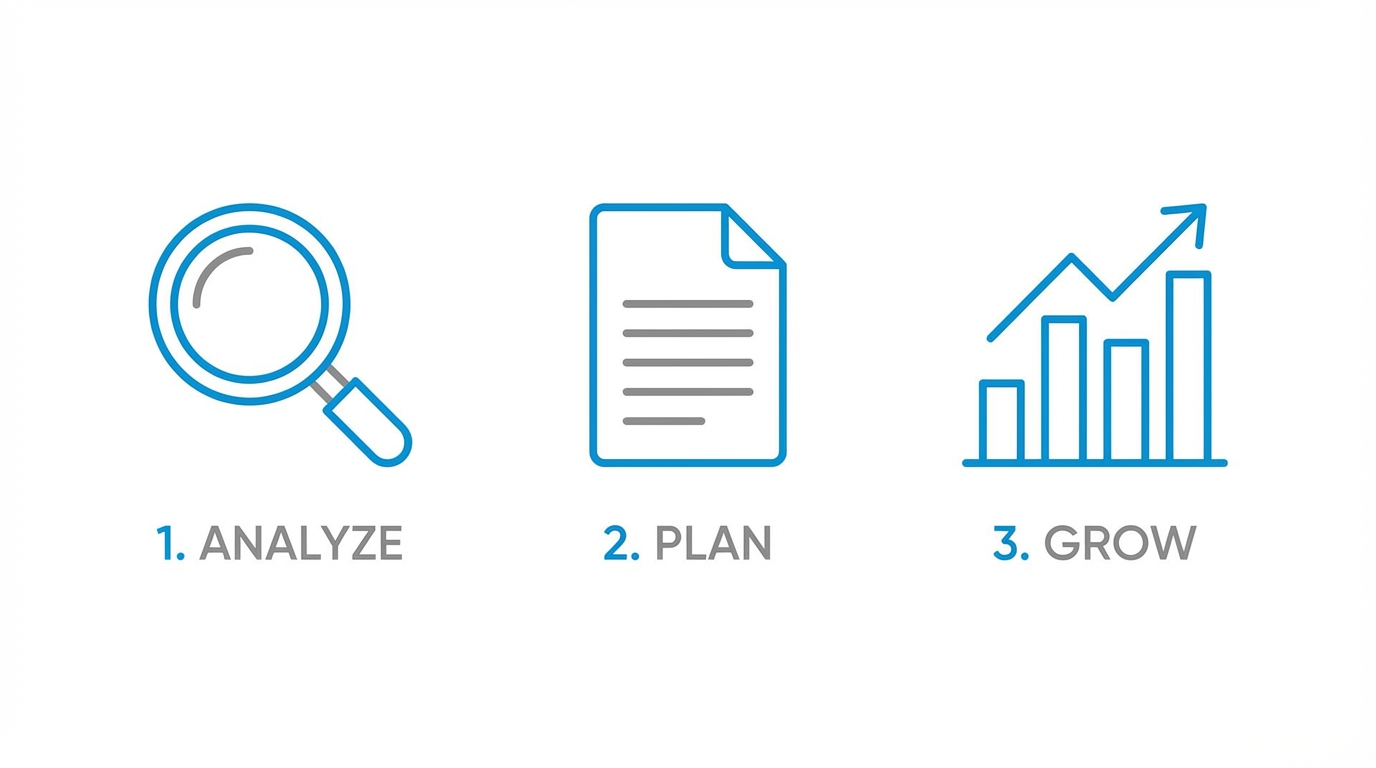
Optimizing your metadata is an iterative process. To see significant gains, follow this systematic playbook:
Step 1: Perform a Semantic Audit
Apple’s algorithm has evolved toward semantic indexing. Using words like "learn" and "practice" helps an app rank for "language learning" even if that exact phrase isn't present. Use ASOdesk to identify "semantic clusters" related to your niche. Focus on intent-driven keywords rather than just high-volume ones.
Step 2: Prioritize the 30/30/100 Hierarchy
Draft your App Title first (30 chars), then your Subtitle (30 chars), and finally your Keyword Field (100 chars). Ensure that your most important keywords are in the Title. A study by Moburst found that an educational platform increased impressions by 217% by shifting from broad terms like "education" to specific clusters like "math solver."
Step 3: Remove All Stop Words
Scrub your metadata for filler words. Every character saved is a character that can be used for a synonym. Following the advice of industry leaders, ensure your stop-word usage is near zero to maximize your ranking potential.
Step 4: Align with Visual Assets
Search visibility only gets you the impression; the conversion requires alignment. If you rank for "AI Editor," your screenshots must prominently feature AI capabilities. To boost conversion rates, many growth teams use Stormy AI to discover and manage UGC creators who can produce authentic video content that validates the keywords used in your metadata.

Step 5: Monitor and Iterate Every 2-3 Weeks
Search volume is highly volatile. For example, search volume for "fitness tracker" can surge by 25-40% in January. Case studies from Business of Apps show that apps like iSharing increased organic rankings by 20% by updating their keyword sets every two to three weeks based on real-world shifts.
"The most successful apps treat metadata as a living document, constantly evolving with the search patterns of their target audience."
Common Pitfalls in App Metadata
Even with a solid app store optimization strategy, certain errors can sabotage your growth. One major mistake is Broad Targeting. Attempting to rank for extremely broad terms like "Games" or "Free" is nearly impossible for new apps. These terms have a Volume of 90+ but effectively 0% "Chance" for developers without massive marketing budgets. Instead, look for localized opportunities. Using US keyword data for a launch in Japan or Brazil is a critical error; volume scores and linguistic intent vary drastically by territory.
Another mistake is Static Metadata. The market moves fast. Competitors may target your keywords, or new trends like the "AI" surge of 2024 can shift user behavior overnight. Apps that added "AI" to their titles saw immediate spikes in impressions, but those who failed to adapt were left behind. Tools like App Radar provide AI-driven suggestions to help developers stay ahead of these trends.
Conclusion: The Long-Term Growth Engine
Mastering aso metadata optimization is the most cost-effective way to scale a mobile app. By treating the 30-character title, 30-character subtitle, and 100-character keyword field as a single cohesive unit, you can build a sustainable funnel of organic users. Remember to prioritize high-relevance terms over raw volume, avoid the trap of keyword repetition, and maintain a rigorous iteration cycle every few weeks. As you increase app rankings through metadata precision, the synergy between search visibility and high-quality creative content—sourced through platforms like Stormy AI—will transform your app from a hidden gem into a category leader. The App Store is a search engine first; treat it like one, and the downloads will follow.