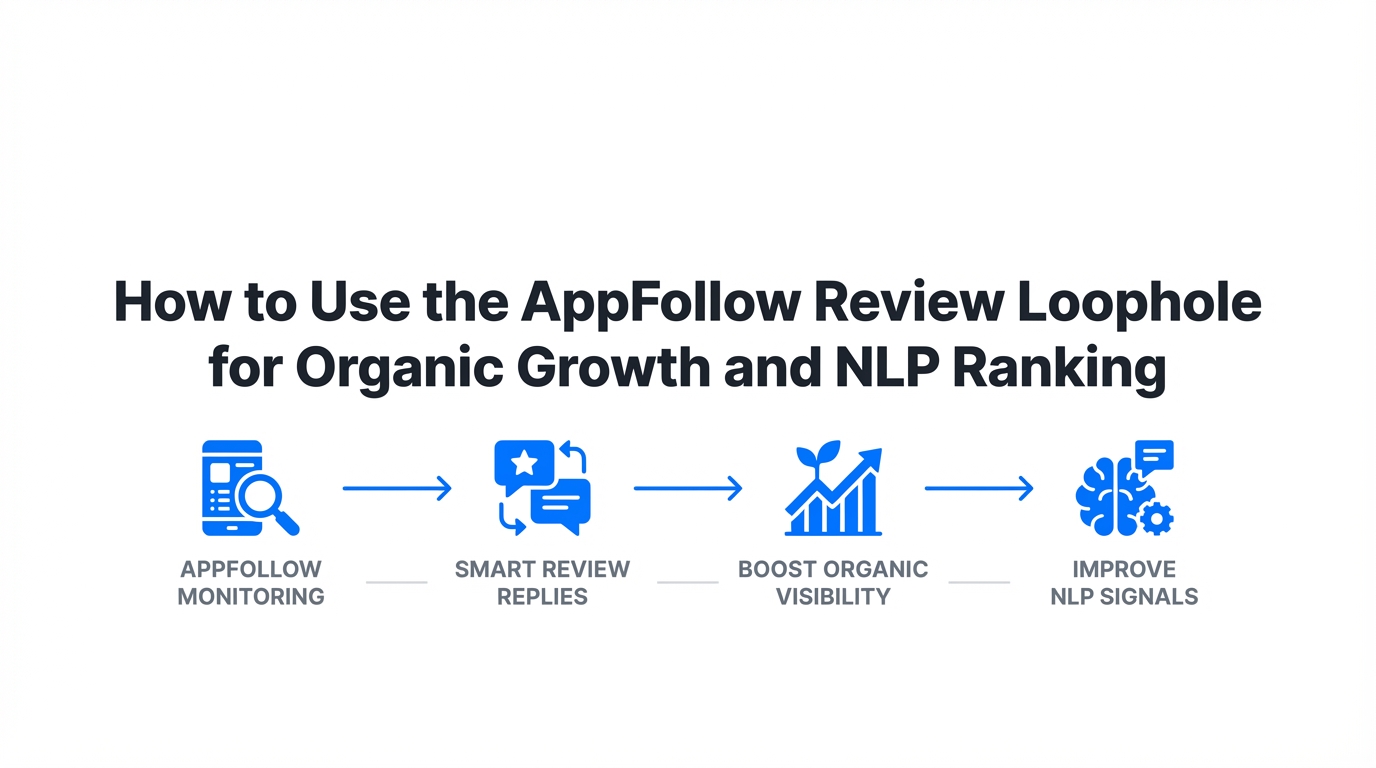
In the rapidly evolving landscape of 2026, App Store Optimization (ASO) has moved far beyond simple keyword stuffing. We have entered the era of Intent-Based Semantic Optimization, where algorithms like Apple’s "Curator" and Google’s "Librarian" no longer just look at your title and subtitle. Instead, they are analyzing the context of your entire app listing, including user feedback. According to recent data from Zoomd, search remains the primary driver of growth, accounting for 70% of all App Store discovery. However, the way users search has changed; they are using natural language, and the stores are listening. This shift has created what growth hackers call the "Review Loophole"—a method to rank for high-converting phrases without ever touching your metadata.
The Review Loophole: Ranking Without Metadata
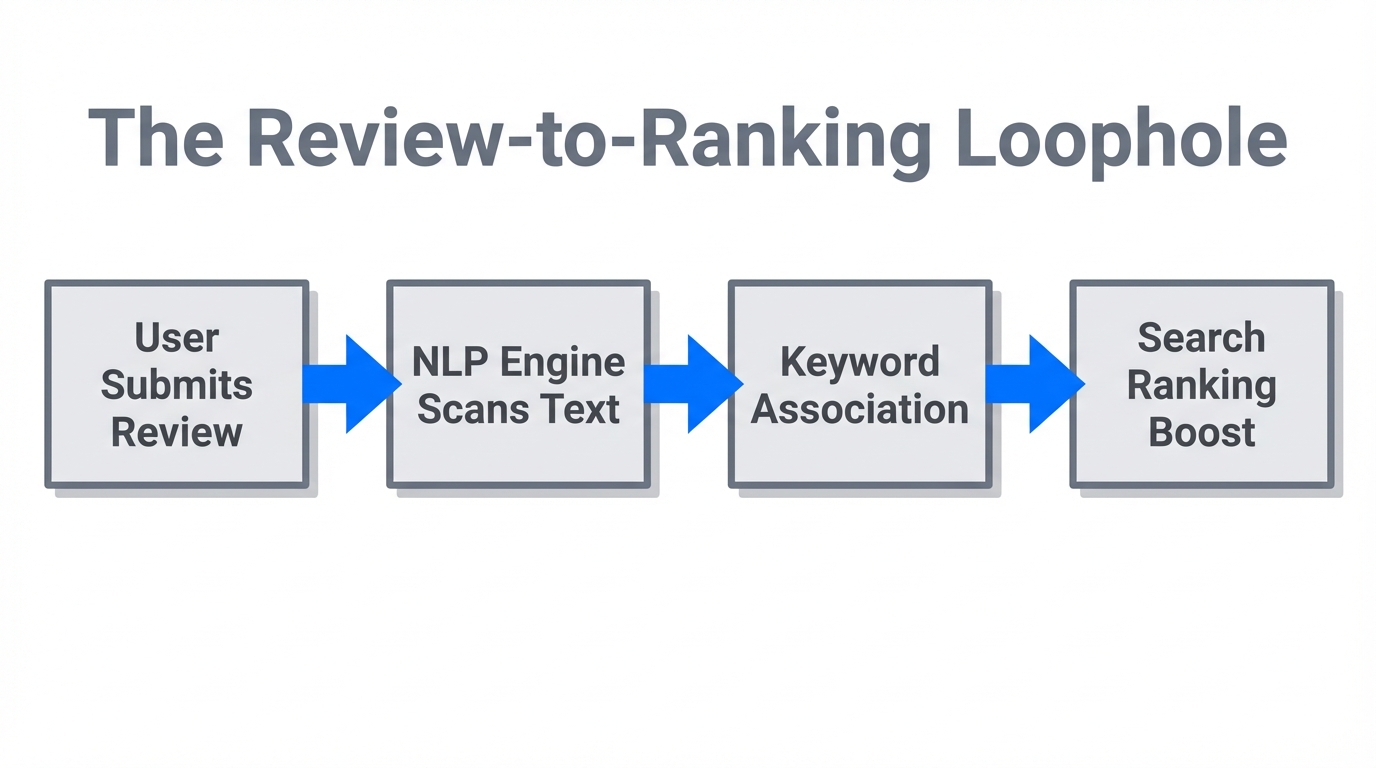
The traditional ASO playbook dictates that if you want to rank for "meditation for sleep," you must put that exact phrase in your title or keyword field. But in 2026, the algorithms are smarter. They use Natural Language Processing (NLP) to index the content of your user reviews. If a critical mass of users describes your app as the "best offline maps for hikers," the App Store will begin to associate your app with that long-tail keyword cluster, even if "hikers" never appears in your official metadata. Using AppFollow review management tools allows you to scrape these organic phrases and identify exactly what your users call your app when you aren't looking.
"The algorithm is no longer just a librarian; it's a semantic analyst. It prioritizes what users say you are over what you claim to be."This loophole is particularly powerful because it bypasses the 160-character limit of traditional metadata. By leveraging NLP for app marketing, you can effectively expand your keyword footprint to thousands of terms. This is vital because, as noted by Solzit, the rise of Generative AI search (such as Apple's 'Ask Play') means visibility is now a battle of context and relevance rather than just keyword matching.
Scraping and Analyzing with AppFollow
To exploit this loophole, you first need data. Using AppFollow, you can perform a deep user sentiment analysis for ASO to see which recurring phrases are driving conversions. The goal is to find "Intent Clusters"—groups of keywords that signify a specific user problem your app solves.
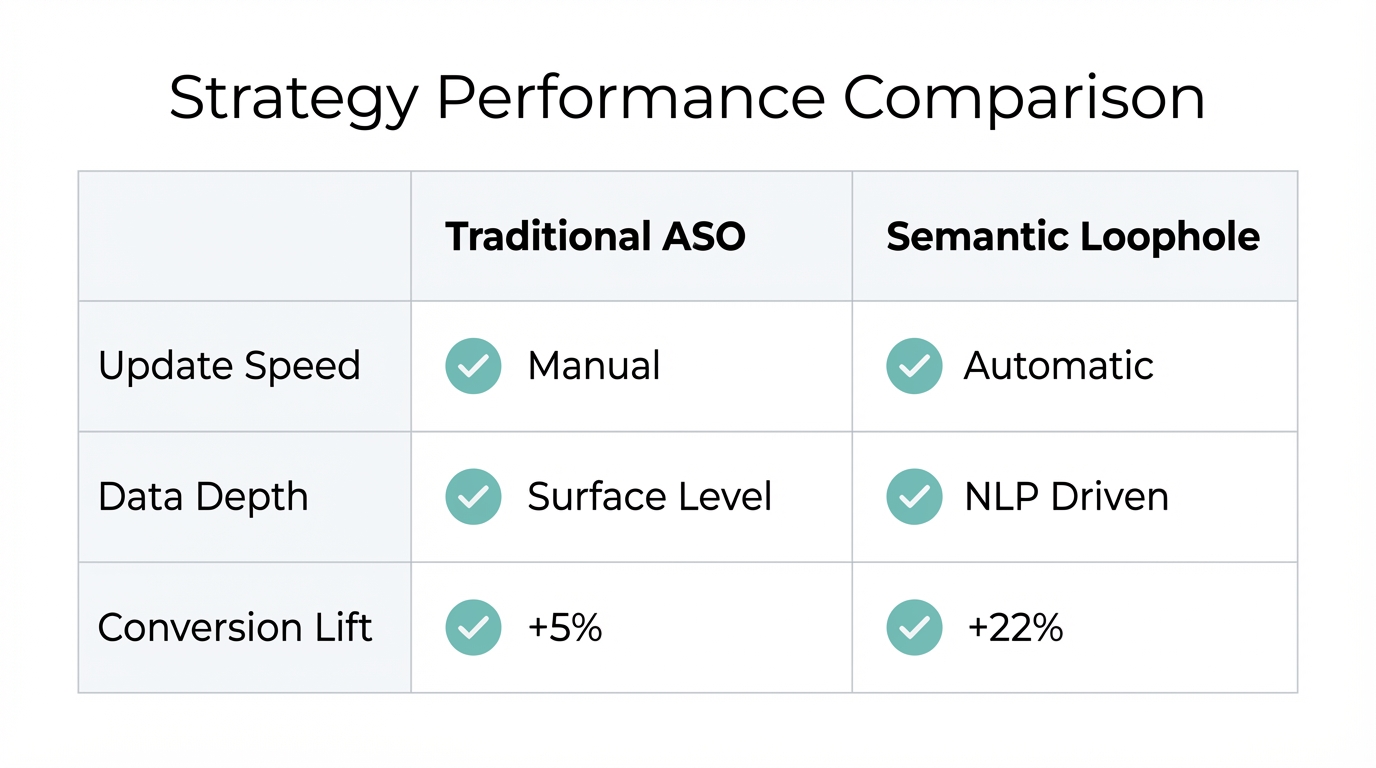
| Strategy Component | Old ASO (2023) | NLP-Driven ASO (2026) |
|---|---|---|
| Keyword Source | Keyword Research Tools | User Reviews & AI Search Trends |
| Ranking Signal | Metadata Weight | User Experience & Semantic Context |
| Targeting | Head Terms (e.g., "Fitness") | Intent Clusters (e.g., "postpartum yoga for beginners") |
| Update Frequency | Every 2-3 Months | Continuous NLP Feedback Loop |
When you analyze your reviews, look for phrases that appear in 4-star and 5-star ratings. These are your "organic gold mines." For example, a fintech app might discover that while they target "budgeting," their users are constantly praising their "automated expense tracker for freelancers." According to a case study highlighted on Medium, shifting focus to these specific intent clusters can reduce CPA by 60% while increasing organic visibility by 18%.
Designing 'Victory Moment' Prompts for Keyword Density
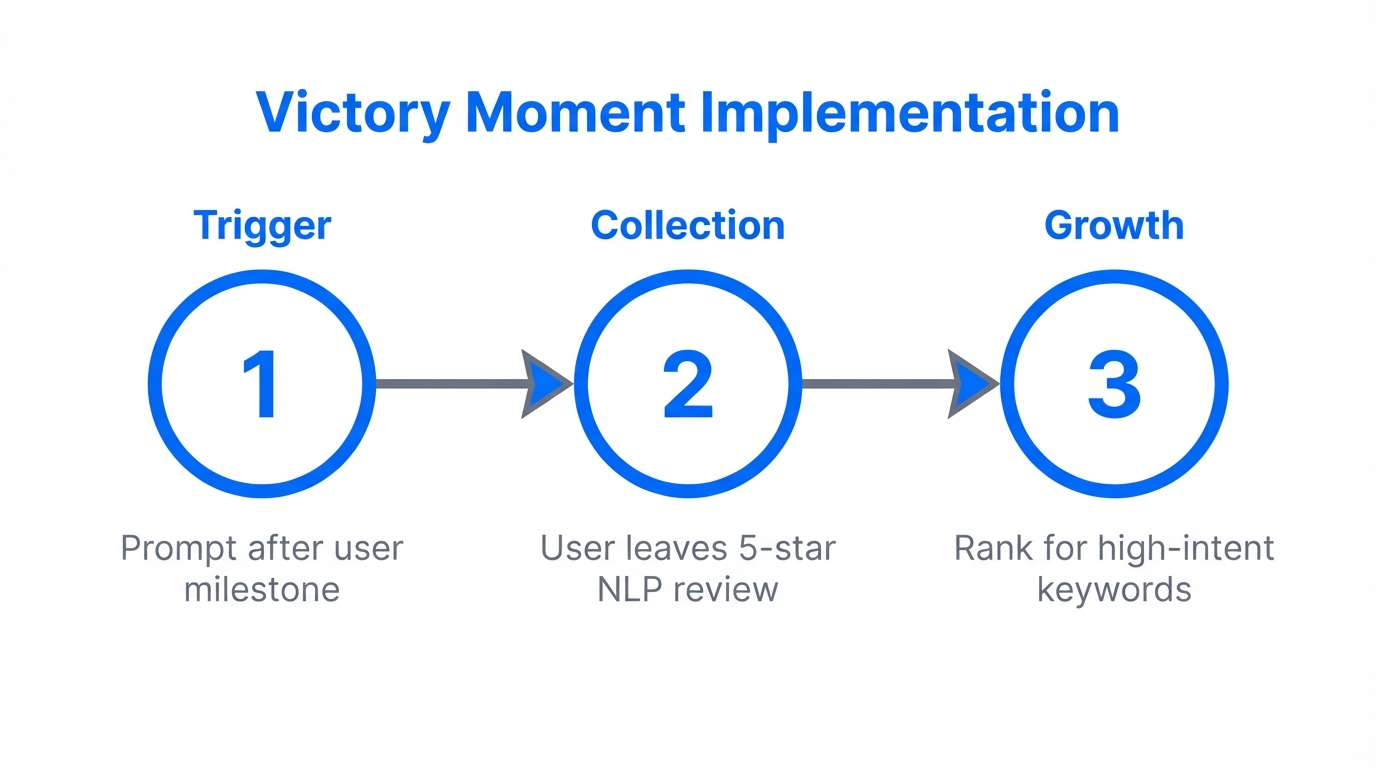
You cannot leave your reviews to chance. To fuel the NLP engine, you need a high volume of keyword-rich reviews. This is where the "Victory Moment" prompt comes in. Instead of asking a generic "Rate our app," you should trigger a prompt immediately after a user achieves a milestone—like finishing a workout or saving their first $100.
By asking "What did you like most about our offline hiking maps?", you nudge the user to include those specific keywords in their review. This increases the density of that phrase in your review section, signaling to the algorithm that your app is the definitive authority on that topic. High-performing apps also use Adapty to track how these interactions correlate with conversion rates, as business apps can see CVRs as high as 66.7% when intent is perfectly matched.
"Don't just ask for a star rating; ask for a description of the win. That's where your ranking power lives."Semantic Analysis of Competitor Reviews
Your competitors' weaknesses are your ranking opportunities. By using MobileAction or Sensor Tower to scrape competitor reviews, you can identify underserved user needs. If users of a rival app are constantly complaining about a lack of a "dark mode for night reading," you can optimize your app and then use the review loophole to rank for that specific complaint-turned-search-term.
This is part of a broader organic app install strategy that prioritizes the "Experience Optimization" (AXO) signals that modern app stores value. As explained by Dszewczyk, factors like retention and in-app event engagement are now direct ranking signals. If you can use NLP to draw in users who are looking for exactly what your app provides, your retention will naturally be higher, further boosting your rank.
To accelerate this process, many brands are turning to user-generated content (UGC). Platforms like Stormy AI can help source and manage UGC creators who can create video content demonstrating these specific "Victory Moments," which in turn encourages real users to download and leave similar feedback, creating a virtuous cycle of organic growth.
Managing the 'Relevance Gap' and Search Ads Synergy
In March 2026, Apple expanded its search inventory, allowing multiple ads to appear further down the page. This has created a "relevance gap" between the top organic result and the rest of the field. To maintain dominance, you must pair your app store review optimization with a robust Apple Search Ads (ASA) strategy. Platforms like AppTweak help bridge this gap by aligning your ASA keywords with your top-performing NLP clusters.
When your organic review keywords match your paid search terms, the "Curator" algorithm sees a high relevance score, which can lower your Cost-Per-Tap (CPT) and improve your overall visibility. You can even use these clusters to create Custom Product Pages (CPPs). With Apple's limit now at 70 CPPs, you can create a specific landing page for every major intent cluster identified in your AppFollow analysis.
Super Geo-Localization: The NLP Frontier
Finally, don't just translate your app—localize the NLP experience. "Super Geo" tactics involve targeting regional slang and cultural search patterns that won't show up in standard translation tools. Users in different regions might use different terms to describe the same "Victory Moment." By analyzing reviews from specific markets, you can double your indexed keyword capacity in competitive global markets. This strategy, often used by giants like Spotify, ensures that the app remains relevant to local search intent across the 800 million weekly visitors on the App Store as reported by Growth by Kev.
Success in 2026 requires a professional but aggressive approach to review management. By treating every user review as a potential metadata update, you can stay ahead of the algorithm and dominate your niche. For teams looking to scale this even further, using an AI-powered platform like Stormy AI allows you to discover and outreach to the creators who will generate the initial buzz and review volume needed to kickstart the NLP loop.
The Future of ASO is Conversational
The days of static keyword lists are over. The most successful apps in the second half of the decade will be those that listen to their users and allow that organic language to dictate their ranking strategy. By mastering the AppFollow review loophole and focusing on NLP for app marketing, you can build a sustainable, organic engine that outlasts any algorithm update. Start by scraping your last 90 days of reviews today—your users are already telling you exactly how they want to find you.