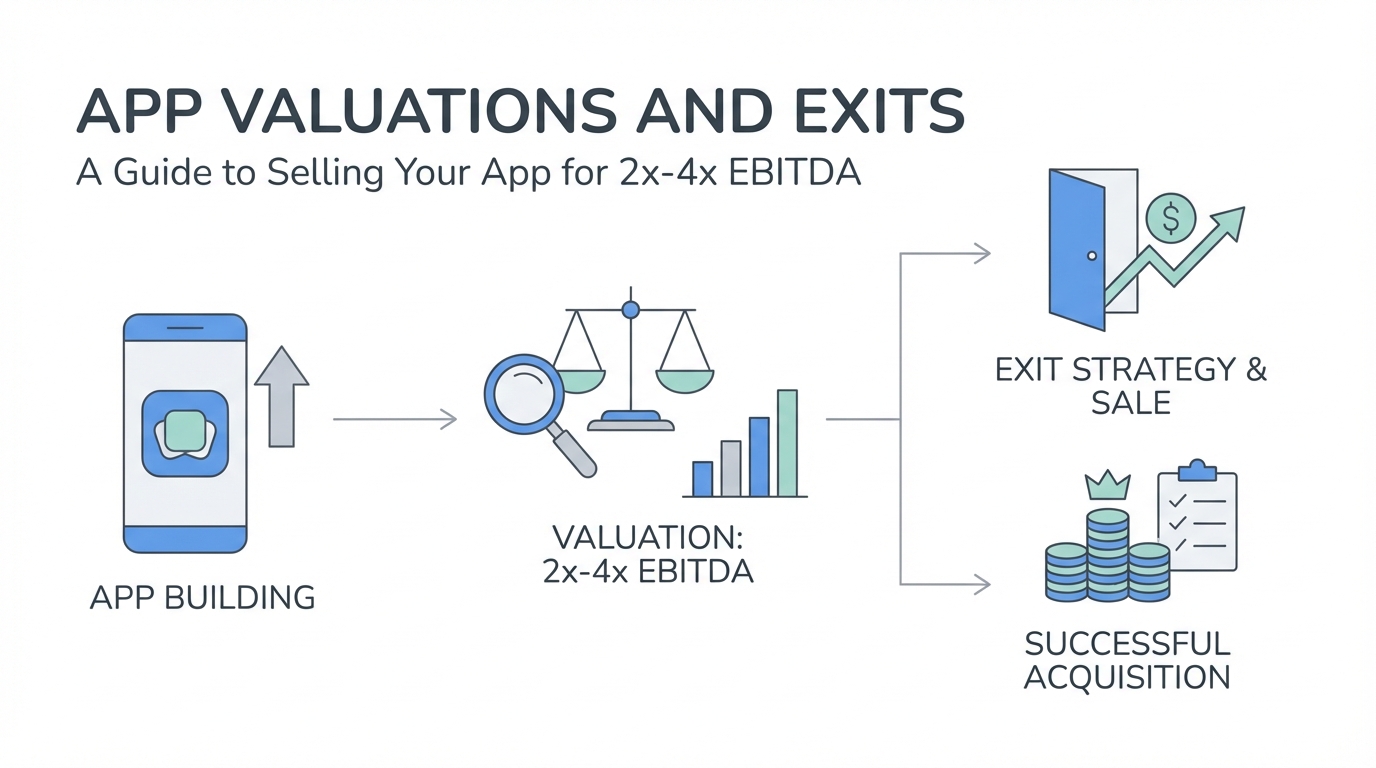
For many founders, the dream of building the next Silicon Valley unicorn is being replaced by a more practical, lucrative reality: the high-velocity exit. Instead of grinding for a decade on a single vision, a new wave of developers is treating apps like digital real estate—building them fast, scaling them to a specific revenue threshold, and flipping them for all-cash deals. This strategy isn't about legacy; it's about stacking cash and achieving financial freedom by taking two to three years of profit upfront rather than waiting for a hypothetical payout. Understanding how to navigate app exit multiples 2025 and the nuances of platforms like MicroAcquire is essential for any developer looking to turn their code into a half-million-dollar windfall.
The 10K-20K MRR Sweet Spot: Why Small is Liquid
One of the most common mistakes founders make is waiting too long to sell. While it might seem logical to hold onto an asset as it grows, the market for mobile apps is uniquely liquid at the $10,000 to $20,000 Monthly Recurring Revenue (MRR) range. At this level, the business is proven but still small enough to be an all-cash acquisition for individual buyers or small private equity groups. When you hit this range, you are no longer just a "project"; you are a cash-flow-heavy mobile asset that attracts buyers looking for passive or semi-passive income.
At the 10K-20K MRR level, the pool of potential buyers on platforms like Acquire.com (formerly MicroAcquire) is significantly larger than at the $100K+ MRR level. High-net-worth individuals and small investment funds are often looking for "cash flow plays" where they can step in, optimize the marketing, and reap the rewards. Because the purchase price is often within the range of personal savings or small business loans, these deals close faster and with fewer hurdles. In fact, many successful flippers have realized over $500,000 in total sales across multiple apps by consistently exiting at this exact stage rather than trying to build a single $50 million company.
By focusing on this sweet spot, you reduce your exposure to platform risk. Mobile ecosystems change fast. What works today in the App Store might be suppressed by an algorithm update tomorrow. By exiting once you hit that $10K-$20K mark, you lock in your gains and move the capital into your next venture. This is the core of the "build to sell" philosophy: you aren't married to the idea; you are married to the ROI.
Understanding App Exit Multiples 2025: The EBITDA Framework
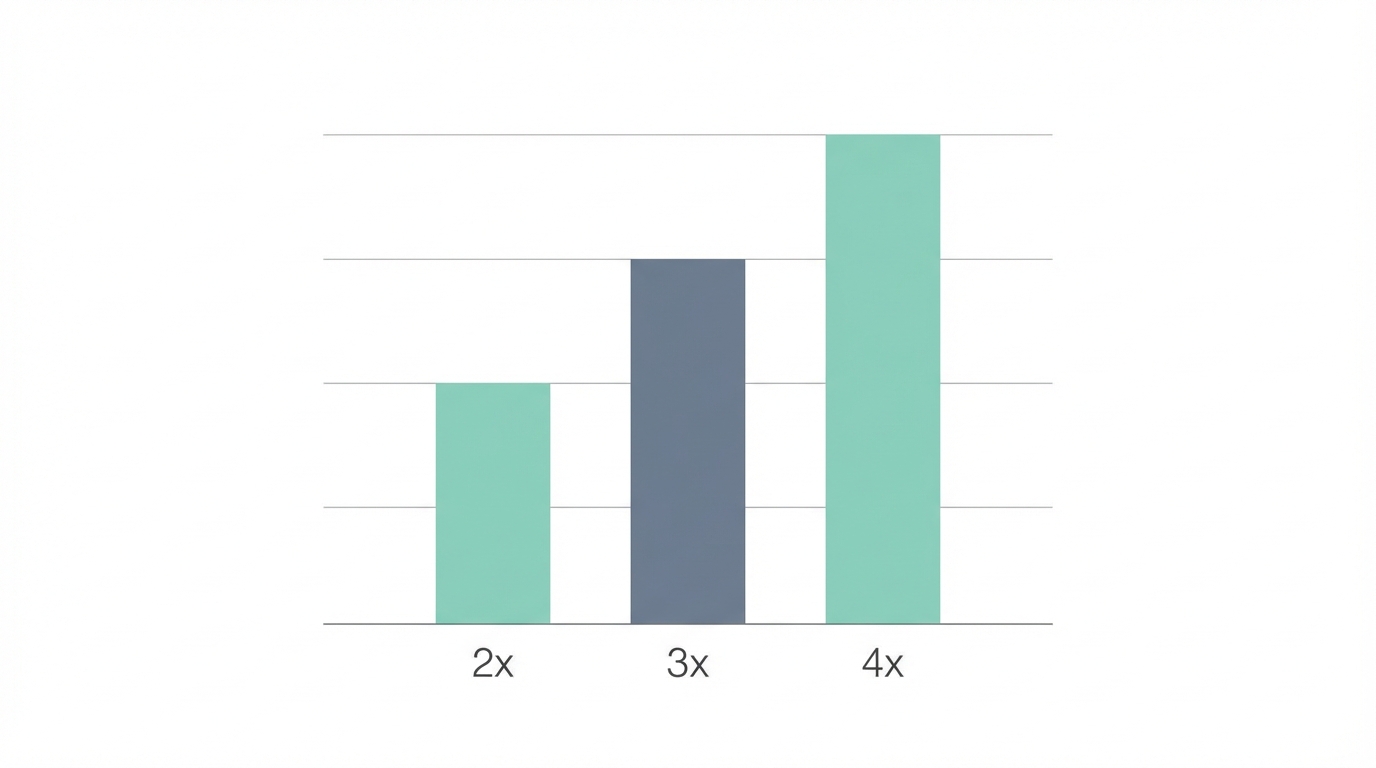
When it comes to mobile app valuation calculator metrics, the industry standard is a multiple of your EBITDA (Earnings Before Interest, Taxes, Depreciation, and Amortization). For mobile apps that are primarily cash-flow driven and lack deep proprietary technology, you should expect a valuation between 2x and 4x annual EBITDA. If your app generates $100,000 in annual profit, a 3x multiple results in a $300,000 sale price.
However, several factors can push you toward the higher end of that 4x range:
- High Retention Rates: Apps with a 30-day retention rate above 40-50% are viewed as much safer investments. For instance, religious or utility apps that "block" features until a task is completed often see retention as high as 60%, which justifies a higher multiple.
- Diversified Traffic: If your installs come solely from a single TikTok trend, buyers will be wary. If you have stable, predictable cost per install (CPI) through Meta Ads Manager or Apple Search Ads, the multiple goes up. You can also use Stormy AI to vet creators and audit audience demographics, ensuring there is no engagement fraud that could spook a buyer.
- Low Maintenance: A "clean" tech stack like React Native that requires minimal ongoing engineering hours is a major selling point for non-technical buyers.
Calculating ebitda for mobile apps is relatively straightforward: take your total revenue and subtract your server costs, API fees (like OpenAI or Claude), and marketing spend. Because most indie apps have low overhead, your profit margin should ideally be 70% or higher to be considered "super healthy" by serious acquirers.
Cleaning Up Operations to Avoid 'Deal-Killing' Technical Debt
Nothing kills a deal faster than a messy backend. When a buyer enters the due diligence phase, they will look at your code, your subscriptions, and your analytics. If you cannot answer basic questions about your churn rate or if your infrastructure is a "spaghetti" of third-party integrations, the buyer will likely walk away. The goal is to make the app a "plug-and-play" asset for the next owner.
Start by simplifying your tech stack. Use standard frameworks like React Native and ensure your backend integrations are well-documented. Avoid overly complex, custom-built solutions for things that can be handled by reliable third-party services. For instance, using established tools for subscription management and analytics allows a buyer to easily verify your revenue data. If you are preparing for a sale, Stormy AI, an all-in-one AI-powered influencer marketing platform, can help you analyze your existing creator relationships and UGC performance, ensuring you have a clear picture of what is driving your growth.
Furthermore, ensure all your operational accounts—from your hosting to your customer support tools—are separated from your personal accounts. A buyer wants to take over an entity, not a personal project. If they have to untangle your personal Gmail from the app's database, it adds friction that can delay or destroy the closing. Clean operations signal to the buyer that the business is professional and easy to manage, which directly impacts the final sale price.
The 90-Day Sprint: Why the 3-Month Uptick is Critical
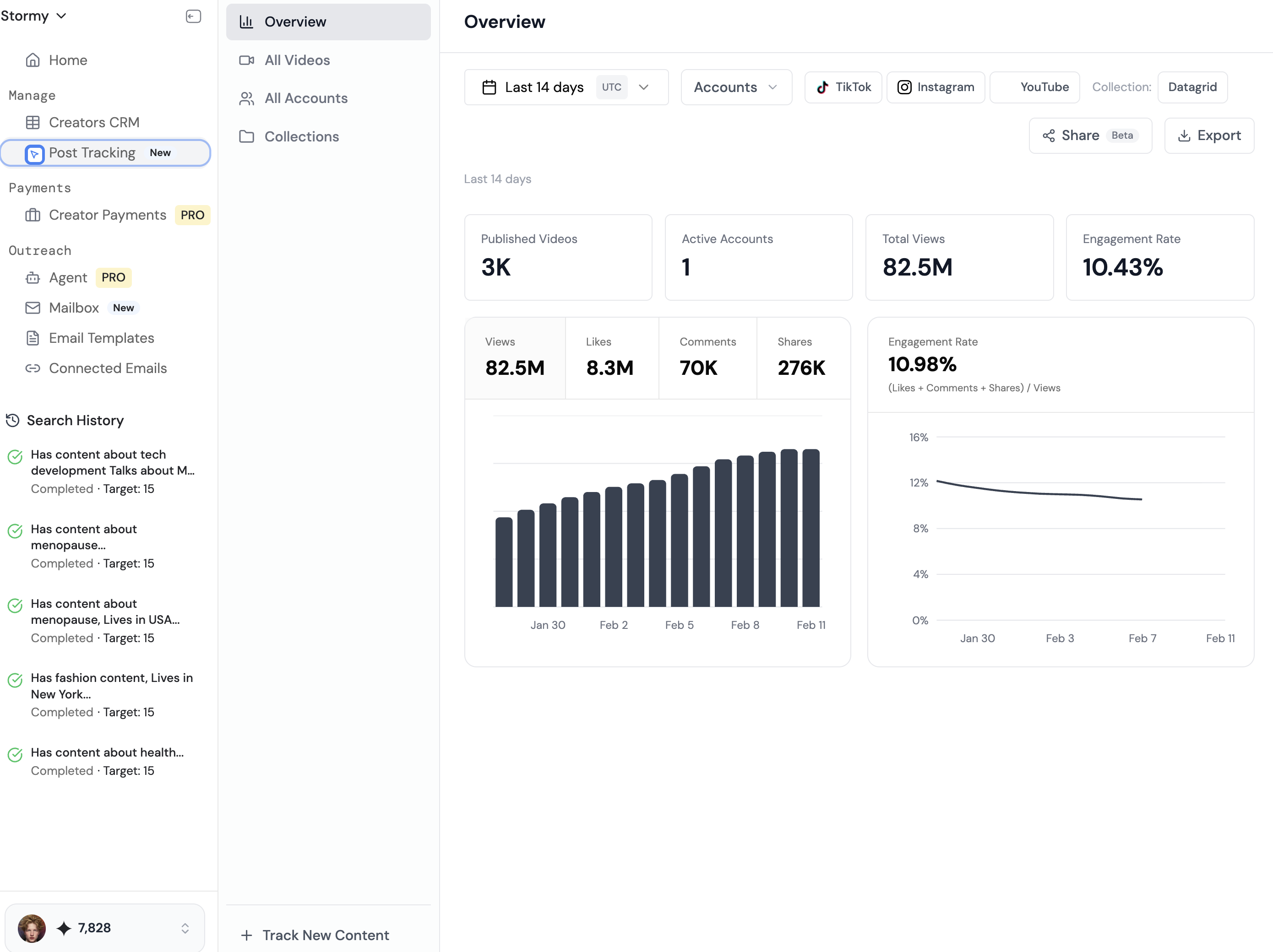
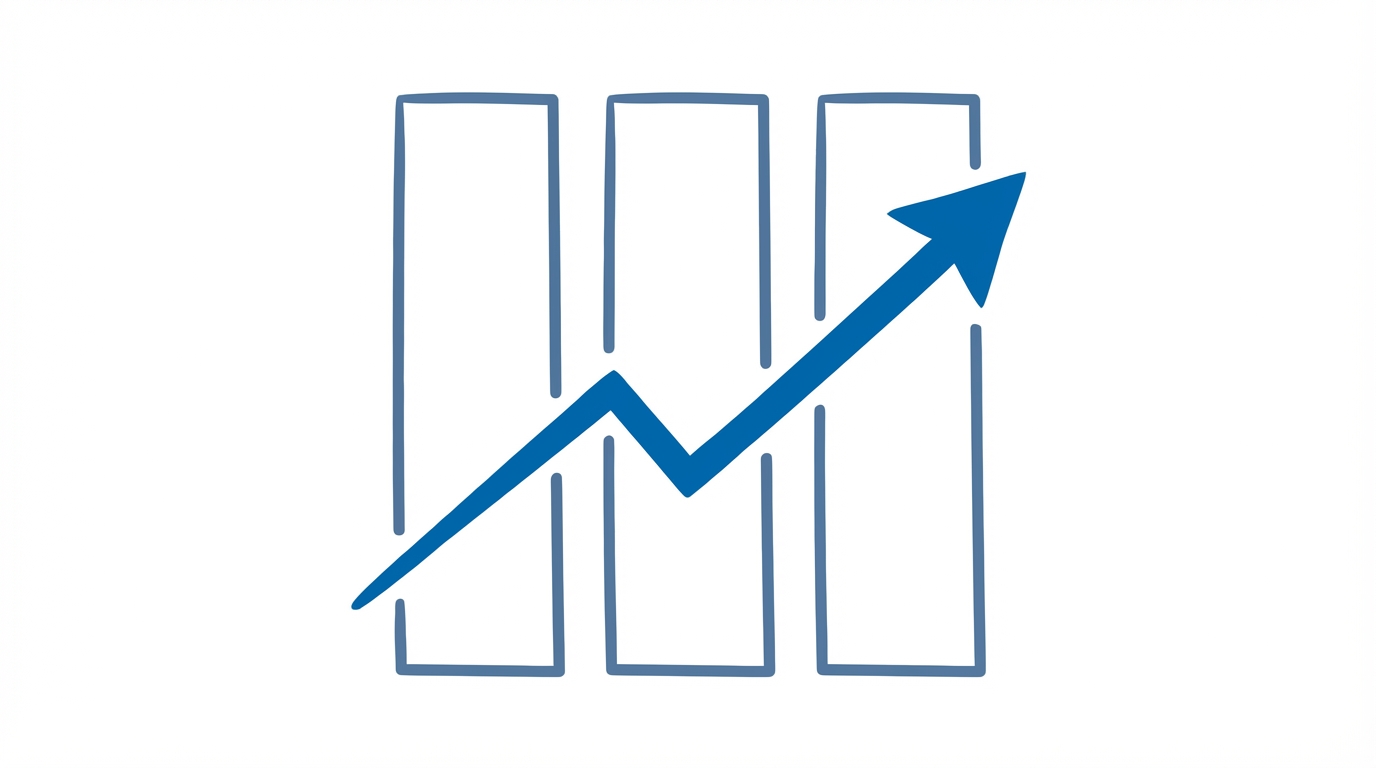
Buyers are not just buying your past performance; they are buying your future potential. In the world of selling a saas business guide, the most critical piece of data is the revenue trend of the last 90 days. You want your charts to show a clear upward trajectory right up until the moment of the listing. This is often referred to as the "3-month uptick."
To achieve this, you should optimize your marketing efforts three months before listing. This might involve a more aggressive push on Google Ads or a fresh User-Generated Content (UGC) campaign. By using Stormy AI to find and outreach to high-performing creators via natural language search, you can quickly scale these campaigns. For mobile apps, UGC is often the most cost-effective way to drive down CPI. By creating "rage bait" or highly shareable content on TikTok and Reels, you can achieve a CPI between 30 and 50 cents in the US market, which dramatically inflates your growth metrics right before a sale.
During this 90-day period, you should also be obsessed with your App Store Optimization (ASO). Use tools like Sensor Tower to monitor your rankings and the performance of competitors. If you can show that your app is consistently climbing the charts or holding a top-20 position in its niche, you provide the buyer with a reason to pay a 4x multiple instead of 2x. A strong finish suggests that the buyer is getting a "hot" asset with momentum, rather than a dying one you are trying to offload.
Negotiation Tactics: How to Sell an App on MicroAcquire
Once your app is ready and your revenue is peaking, it's time to list. Knowing how to sell an app on microacquire involves more than just hitting the "list" button; it requires a strategic approach to managing interest and bids. The primary goal is to create a sense of urgency and competition among buyers.
A proven tactic is the "multiple bids" strategy. Instead of immediately accepting the highest offer, identify the top three or four interested parties. Often, the highest bidder isn't the best buyer—they might have more complex due diligence requirements or longer closing times. Instead, you can approach the third highest bidder and tell them: "I have two other bids above yours, but I prefer your profile as a buyer. If you can close in 3 to 4 days, I will choose your offer." This often forces a fast close and an all-cash wire transfer, which is frequently better than a slightly higher price that takes months to finalize.
When communicating with buyers, be transparent but brief. Don't over-explain your reasons for selling. A simple "I'm a builder, not a scaler, and I want to move onto my next project" is usually sufficient. Buyers respect founders who know their strengths. By positioning the app as a cash-flow asset that is ready for a professional marketer to take over, you frame the sale as a win-win rather than a bailout. If you've used Stormy AI to manage your creator outreach and CRM, you can even offer the list of high-performing UGC creators as an added asset in the sale, further sweetening the deal.
The Build-to-Flip Playbook: A Step-by-Step Guide
Success in flipping apps isn't about luck; it's about following a repeatable framework. Here is the playbook used by founders who have made hundreds of thousands in the mobile app market:
Step 1: Spot the Trends
Go to the App Store and identify the top-performing categories. Use Sensor Tower to see which apps are doing over $100K MRR. Your goal is not to reinvent the wheel, but to find a niche—like the Christian market or a specific health tracker—where you can build a better or more targeted version of a proven concept.
Step 2: Build a "Single Player" Experience
Avoid apps that require a social network to work. Your app should provide immediate value to a single user without them needing to invite anyone else. This makes the marketing much simpler and the retention rates easier to manage. Complexity is the enemy of a fast flip.
Step 3: Focus on Shareable Assets
While people don't often share "apps," they share content. Whether it's an AI-generated song or a customized prayer screen, ensure your app allows users to share a piece of media that links back to the app store. This organic growth reduces your overall marketing costs and increases your profit margins.
Step 4: Launch and Scale with UGC
Don't spend months building. Launch quickly and use UGC creators to test your hooks. Once you find a video that converts, scale it on Meta Ads. This is where Stormy AI becomes invaluable, allowing you to discover and automatically outreach to the creators who will drive your 10K-20K MRR growth spurt.
Step 5: Prepare the Exit
As you approach your revenue goal, begin cleaning up your code and documentation. Ensure your last 90 days show a steady uptick in revenue and users. List on Acquire.com, run a fast bidding process, and close the deal within a week.
Conclusion: The Exit Mindset
Selling an app for a 2x-4x EBITDA multiple is one of the fastest ways for a solo developer or small team to achieve a life-changing liquidity event. By shifting your mindset from "building a legacy" to "building a cash-flow asset," you open the door to a repeatable, high-margin business model. Focus on the 10K-20K MRR sweet spot, maintain clean operations, and use the final 90 days to demonstrate undeniable momentum. Whether you are building AI therapists or utility trackers, the path to a half-million-dollar exit is paved with simple code, aggressive marketing, and a clear understanding of the 2025 acquisition market. Start building with the end in mind, and you'll find that the fastest way to grow your wealth is often knowing exactly when to sell.