When John Makavoy set out to build Mumigo, a bus and train tracking app, he wasn't a veteran developer or a marketing guru with a million-dollar ad budget. He was a self-taught creator from Scotland who saw a gap in the market: the need to see exactly where a bus was on a map in real-time. Today, that same app has been downloaded over 5.2 million times and generates $30,000 in monthly recurring revenue. The secret to this explosive growth isn't a complex paid acquisition machine; it is a masterclass in a technical app store optimization strategy. By treating ASO as a game of research and patience, Makavoy proved that individual developers and lean teams can outperform major corporations by simply understanding how users search and how algorithms prioritize relevance.
Capturing Hyper-Local Search Volume with Specific Terminology
Most developers make the mistake of targeting generic, high-competition keywords like "transit app" or "train schedule." While these terms have high volume, they are dominated by giants with massive authority. To increase app store ranking effectively, Makavoy utilized a hyper-local approach to ASO keyword research. Instead of fighting for national terms, he focused on the specific language users use in their daily commutes. This is where the real organic volume lives.
In the world of public transit, terminology varies wildly from city to city. For instance, a commuter in New York City is likely searching for "MTA Subway", while someone in Chicago is searching for the "CTA L Train." By identifying these location-specific identifiers and incorporating them into the app’s title, subtitle, and keyword list, Mumigo began appearing at the top of results for users with very high intent. When a user searches for their specific local transit authority, they aren't just browsing; they have an immediate need, leading to significantly higher conversion rates.
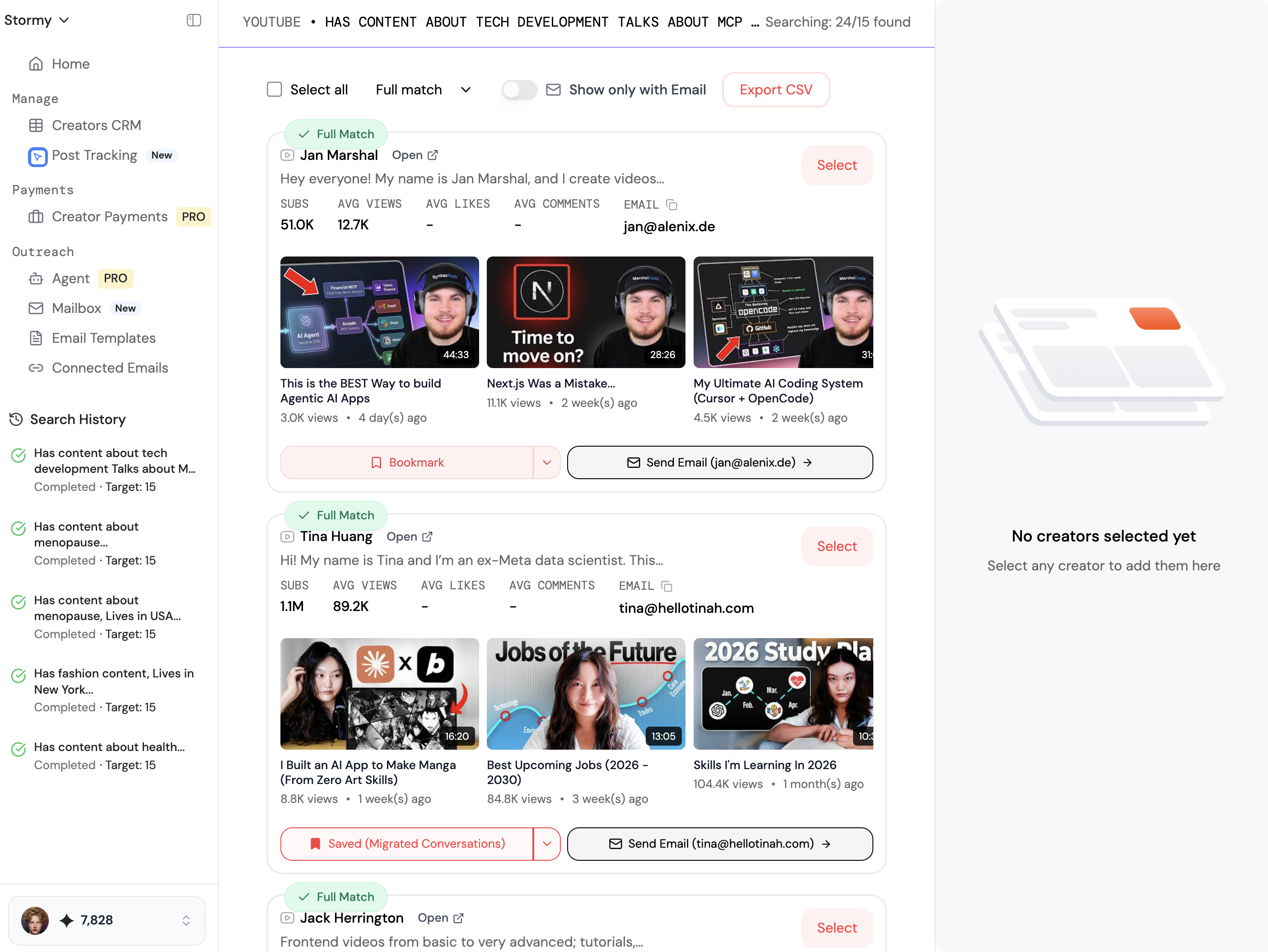
Platforms like Stormy AI emphasize a similar philosophy when it comes to search and discovery: specificity drives results. Using Stormy's AI-powered search engine, brands can find influencers by typing natural-language prompts like "tech creators in New York" to match the hyper-local focus of their ASO. Just as identifying the right local keywords captures niche search traffic, finding the right UGC creators can help brands target these same hyper-local audiences through authentic social proof. For app developers, combining localized ASO with localized content is a powerful how to get more app downloads formula that scales without the traditional cost-per-install (CPI) overhead.
The 'Secondary Localization' Hack: Using Spanish (Mexico) for US Ranking
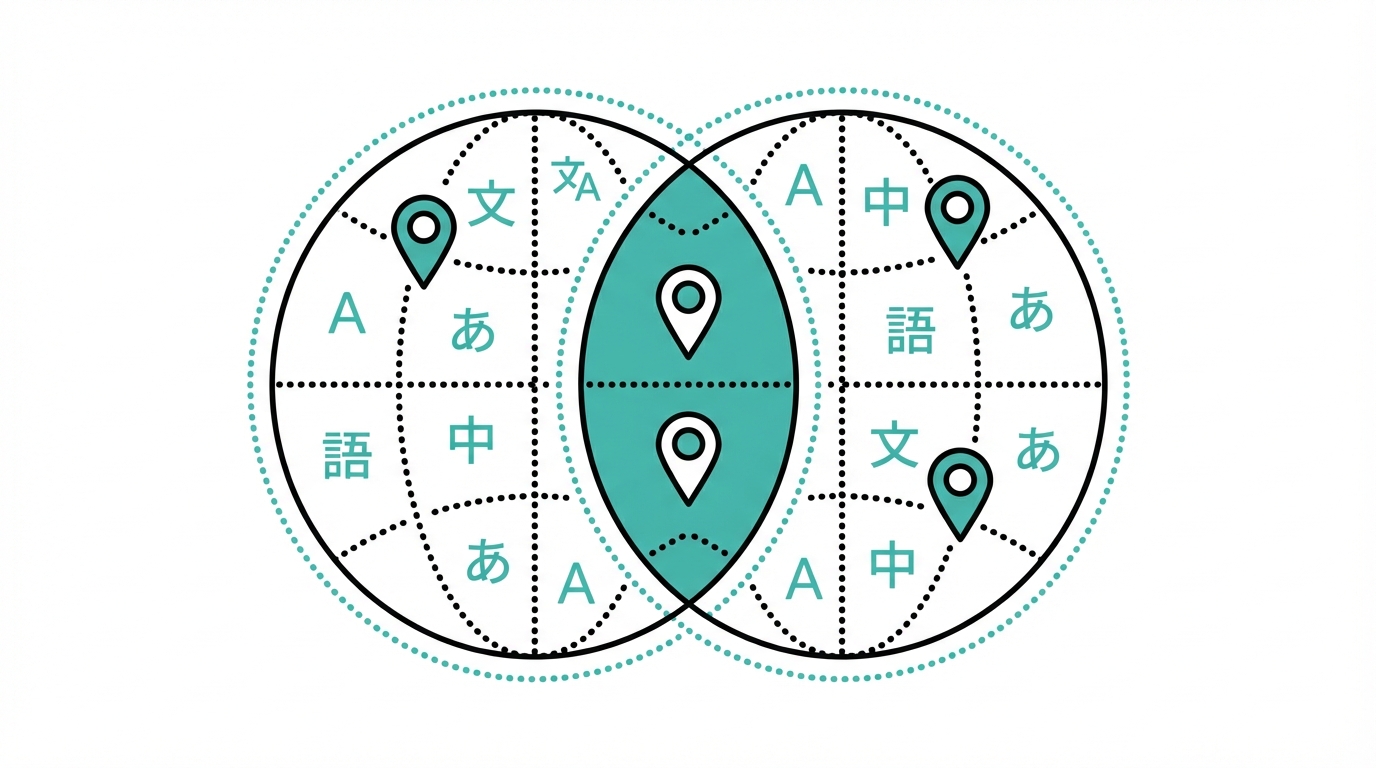
One of the most powerful, yet underutilized, technical tactics in any app store localization guide is the "Secondary Localization" hack. Apple’s App Store algorithm indexes keywords from multiple localizations for a single territory. For the United States App Store, the algorithm indexes not only the primary "English (US)" keywords but also keywords placed in the "Spanish (Mexico)" localization. This effectively doubles your keyword real estate from 100 characters to 200 characters without sacrificing your primary English description.
By using the Spanish (Mexico) keyword field to target additional English terms, Makavoy was able to rank for a much broader array of transit agencies and city names. To implement this, you should follow this clear playbook:
- Identify secondary keywords: Use terms that didn’t fit into your primary 100-character US English list.
- Navigate to App Store Connect: Access your app metadata and add the Spanish (Mexico) localization via App Store Connect.
- Fill the keyword field with English terms: You do not need to translate these terms if your target audience is searching in English; the US store will index them regardless.
- Submit for review: Once approved, your app will begin ranking for these additional terms in the US market.
This strategy allows you to dominate long-tail keywords that competitors are likely ignoring. If you are struggling to increase app store ranking for competitive terms, expanding your footprint through secondary localizations is the fastest way to gain traction in high-value markets.
ASO Keyword Research: The Auto-Suggest Feature Hack
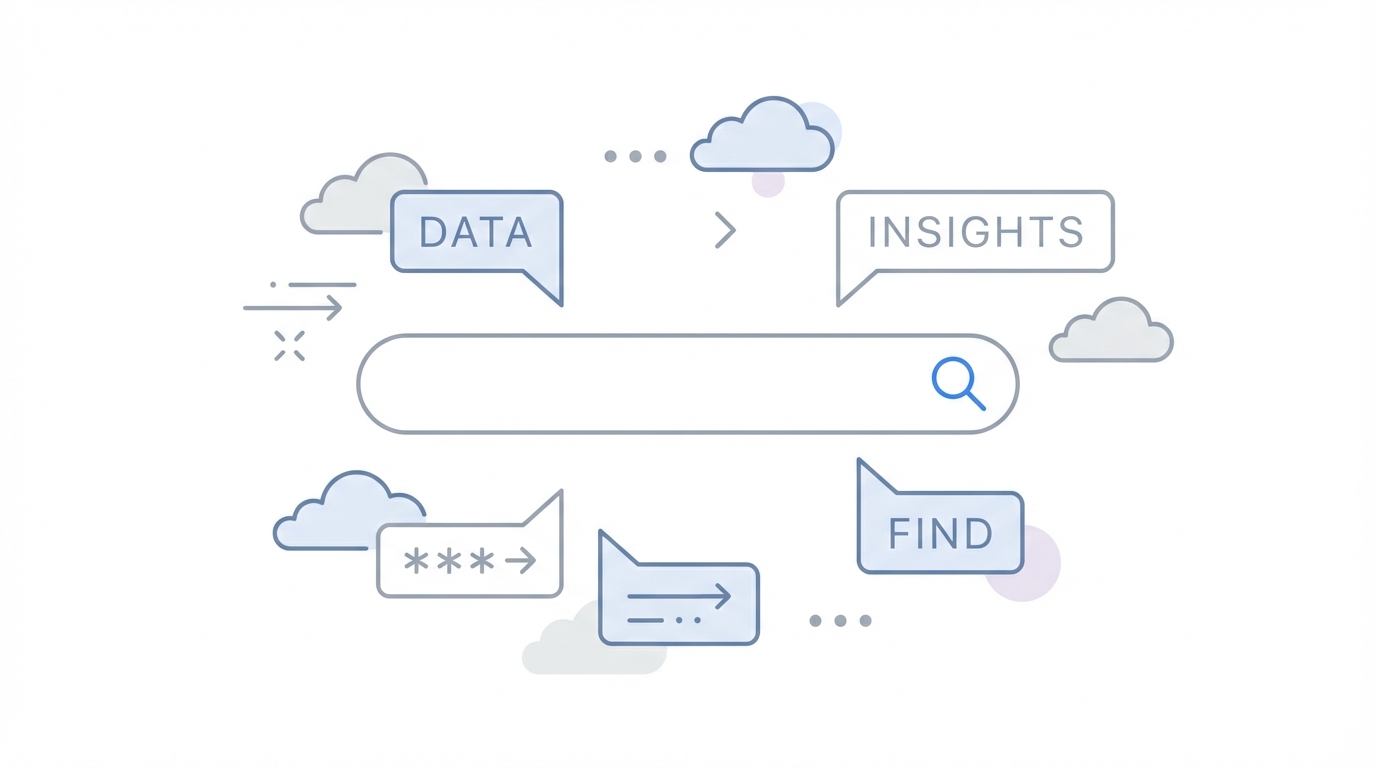
While premium tools like App Figures provide deep analytical insights, some of the best ASO keyword research can be done for free directly inside the App Store. The App Store's auto-suggest feature is a direct window into user behavior. When you start typing a term into the search bar, the suggestions that appear are ranked by search volume and popularity.
Makavoy’s strategy involved typing the first few characters of various transit-related terms and observing the suggestions. Most users will tap on the first or second entry that appears in the drop-down list. By targeting these specific, high-impact phrases, you can position your app exactly where the majority of user clicks are already going. The beauty of this method is that it identifies high-impact, low-competition keywords. Because many of these terms are very specific (e.g., specific bus route numbers or small station names), they often have lower competition, making it easier to reach the top five rankings.
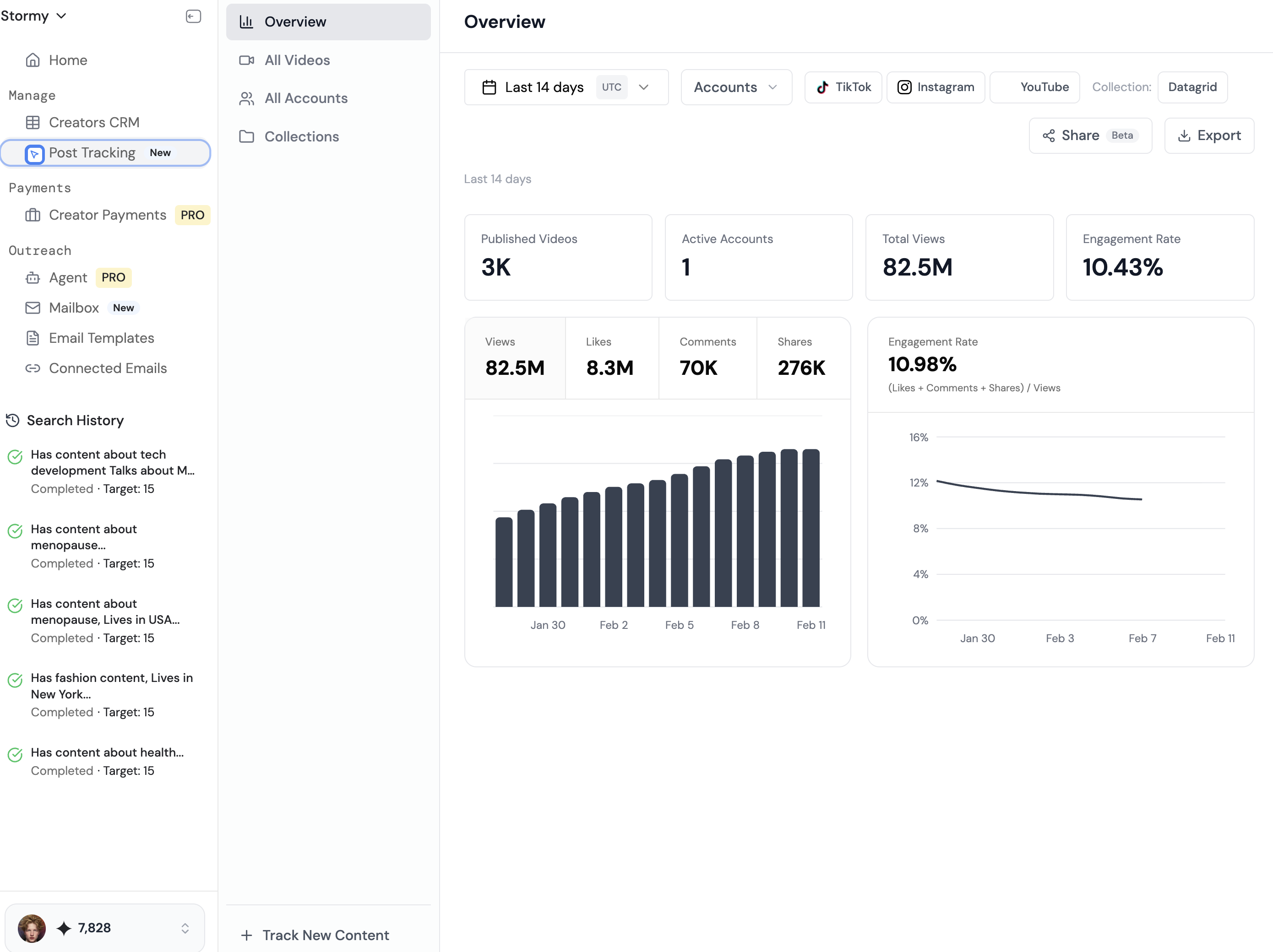
To supplement this organic research, some developers also use Apple Search Ads to test which keywords actually convert into downloads before committing them to their permanent metadata. You can also use Stormy AI to track the performance of individual creator videos and posts, allowing you to see which content styles drive the most engagement and app interest before scaling your marketing efforts.
Leveraging 'Golden Moments' to Skyrocket Rankings
Keywords will get you found, but ratings and reviews will keep you at the top. The App Store algorithm heavily weights the frequency and quality of ratings. However, asking for a rating at the wrong time—like immediately after the app opens—is a surefire way to annoy users and receive negative feedback. To increase app store ranking, you must identify "Golden Moments" in the user journey.
A Golden Moment is a point in the app experience where the user has just received maximum value. For Mumigo, this happens when a user taps on a stop and sees a live bus moving on the map toward them. In that moment of "magic" and utility, the user is most satisfied and most likely to respond positively to a rating request. Makavoy noted that once he optimized the timing of these requests, his app eventually amassed over 75,000 ratings, creating a virtuous cycle where high ratings led to better search visibility, which led to more downloads.
For brands looking to replicate this success through external marketing, Stormy AI is an AI-powered platform for creator discovery and vetting. By pasting a creator's URL into Stormy, you can instantly generate a quality report that detects fake followers and engagement fraud, ensuring that the traffic you drive to your app is high-quality. Finding authentic UGC creators can help generate the initial surge of users needed to trigger these golden moments at scale. When a high-quality video ad leads to a download, and that user immediately has a positive experience documented by a rating, the App Store's algorithm takes notice and boosts the app's organic reach.
A Checklist for Optimizing Localized Screenshots
An effective app store localization guide doesn't stop at keywords. If your metadata gets users to the app page, your visuals are what close the deal. Localized screenshots are critical because they prove to the user that the app is relevant to their specific geography. If a user in London sees a screenshot of a New York subway map, they will likely bounce, assuming the app isn't for them.
To maximize your conversion rate, follow this visual optimization checklist:
- Match the Map to the Market: Ensure the primary screenshot features a recognizable local map or transit line for that specific localization.
- Highlight Local Value Props: Use captions that reference local terminology (e.g., "Track the Tube" for London vs. "Track the Metro" for Paris).
- Showcase Social Proof: Include small callouts like "Joined by millions of commuters" to build immediate trust.
- Use High-Contrast Graphics: Tools like Adobe Creative Suite or Lottie for animations can help create crisp, professional visuals that stand out in a crowded search result.
- Prioritize the First Two Screenshots: These are the only visuals many users see before deciding to download. They must convey the app’s core value proposition instantly.
From Downloads to Revenue: AB Testing the Paywall
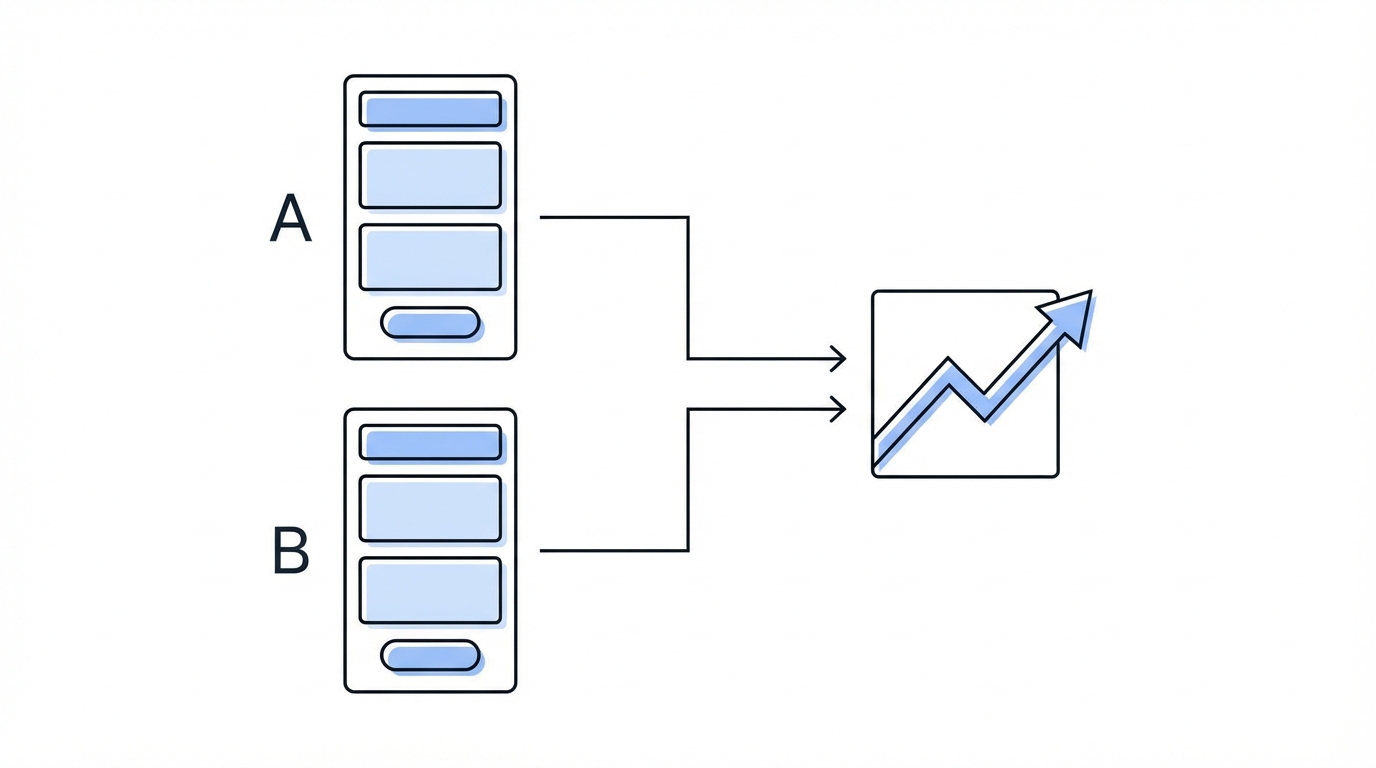
Getting 5 million downloads is a massive achievement, but translating those downloads into a sustainable business requires a focus on conversion rate optimization (CRO). For years, Mumigo relied on banner ads, making roughly $8,000 a month. However, when the pandemic hit and ad revenue plummeted, Makavoy pivoted to a subscription model managed through RevenueCat. The results were transformative, eventually pushing revenue to $30,000 per month.
The real unlock was rigorous AB testing. By testing different paywall designs and onboarding flows, the conversion rate from download to subscriber jumped from 0.5% to a staggering 8%. One of the most successful experiments was the "Reverse Trial." Instead of forcing users to sign up for a trial immediately, the app granted them 7 days of "Pro" features for free the moment they closed the initial paywall. This "show, don't tell" approach allowed users to experience the full value of the app risk-free, making them much more likely to subscribe once the trial ended.
To track these experiments effectively, Makavoy shifted from vanity metrics (like MAU) to event-based analytics using Mixpanel. By understanding exactly where users were dropping off in the funnel, he could iterate on the product until the economics made sense. This level of data-driven discipline is essential for anyone wondering how to get more app downloads that actually turn into a profitable business.
Conclusion: Your Path to 5 Million Downloads
The success of Mumigo proves that a disciplined app store optimization strategy is the most powerful lever for organic growth. By focusing on hyper-local keywords, utilizing technical hacks like secondary localization, and obsessing over "Golden Moments" for user ratings, you can build a massive audience without a traditional marketing budget. Remember that ASO is not a "one and done" task; it requires constant iteration based on data from tools like Cloudflare for performance and event analytics for user behavior.
As you scale your app, consider how external factors like social proof and UGC can complement your organic efforts. Whether you are setting up an autonomous Stormy AI agent to discover and outreach to creators while you sleep, or leveraging AI tools like ChatGPT to help brainstorm keyword lists, the goal remains the same: provide immense value to the user at the exact moment they need it. Start small, test everything, and let the data guide your journey to your first 5 million downloads.