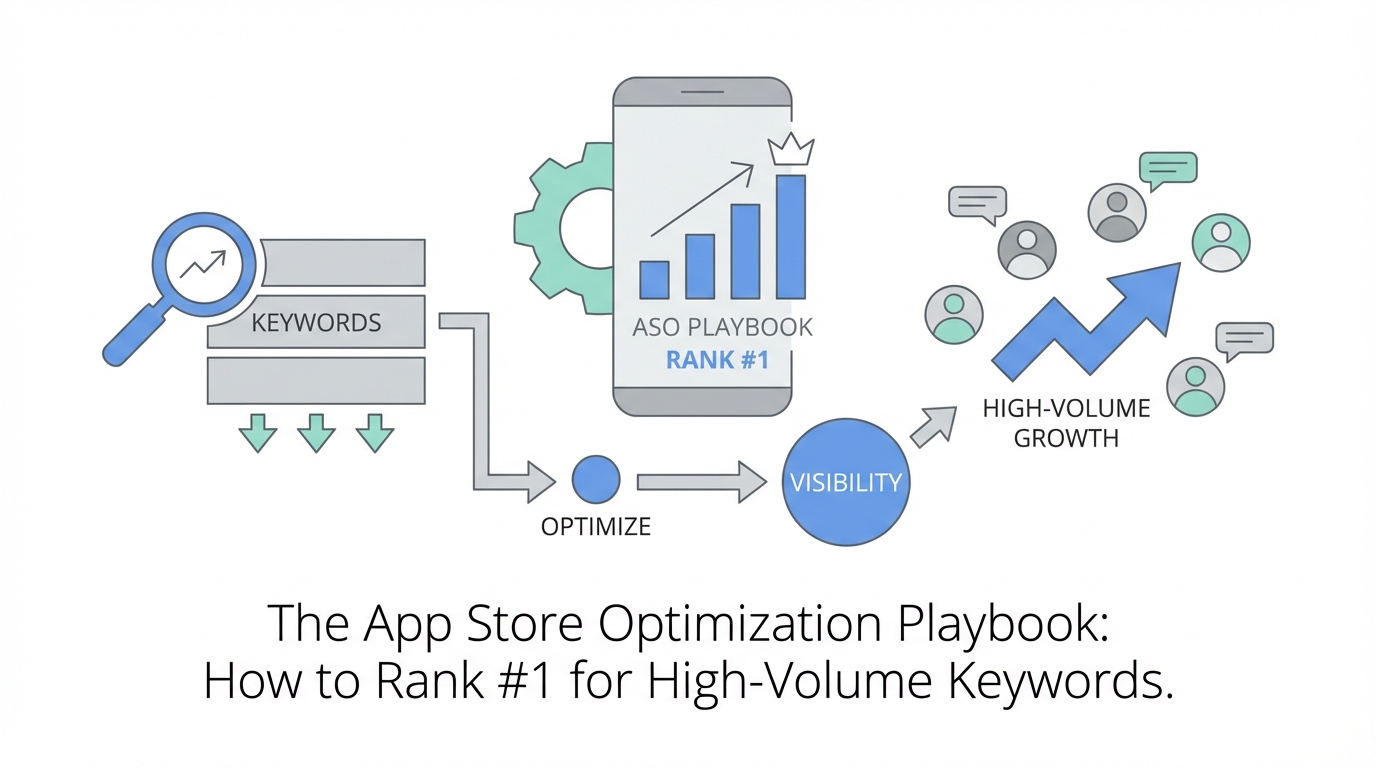
In the crowded mobile marketplace, the difference between a forgotten side project and a $15,000 monthly recurring revenue (MRR) business often comes down to a single factor: discoverability. For Sebastian Roe, the creator of HabitKit, the journey to the top of the charts wasn't fueled by a multi-million dollar venture capital round. Instead, it was built on a foundation of rigorous app store keyword research and a relentless focus on organic growth. By mastering the nuances of how to rank in app store search, Roe transformed a simple habit tracker into a dominant force that competes with industry giants.
Understanding this app store optimization guide is critical for any developer or marketer looking to scale their mobile app. While paid user acquisition (UA) can provide a temporary boost, the long-term sustainability of an app depends on its ability to capture high-intent users who are actively searching for solutions. When you rank in the top five for a high-volume keyword like "habit tracker," you unlock a stream of organic downloads that compounds over time. This playbook will break down the exact strategies used to achieve these rankings, from technical metadata tweaks to the psychological triggers that drive five-star reviews.
Step 1: Data-Driven App Store Keyword Research

The foundation of any successful aso strategy for beginners is identifying the right battlegrounds. You cannot rank for everything, so you must choose keywords where the volume justifies the effort but the competition is surmountable. Sebastian Roe utilized specialized tools like Appfigures and Astro to dissect the competitive landscape. These platforms provide two critical metrics: Search Popularity and Difficulty. High popularity indicates a high volume of potential users, while low difficulty means the top-ranking apps have vulnerabilities you can exploit.
When performing keyword research, don't just look for the most obvious terms. Look for "long-tail" variations where users have specific intent. For instance, while "fitness" is impossibly competitive, "minimalist habit tracker for developers" might offer a path to #1. To take this a step further, savvy marketers often look outside the App Store to see what people are talking about on social media. By using Stormy's AI search for discovery across TikTok, YouTube, Instagram, LinkedIn, and newsletters, you can discover creators and influencers in your niche to see the specific language and pain points their audience uses, which can then be fed back into your keyword strategy.
Another powerful tactic is to analyze the metadata of your direct competitors. See what keywords they are targeting in their titles and subtitles. Tools like Appfigures allow you to track the ranking history of any app, giving you insight into which keywords are actually driving their growth. Remember, ASO is not a "set it and forget it" task; it requires constant monitoring and iteration as search trends shift and new competitors enter the market.
The 'Title-First' Strategy for Search Dominance
The single most influential piece of metadata in the iOS App Store and Google Play Store is the App Name. The algorithms place significantly more weight on keywords found in the title than those in the subtitle or the hidden keyword field. This has led to the development of the "Title-First" strategy, which Sebastian Roe credits for his top-five ranking for the term "habit tracker."
By placing your primary, highest-volume keyword at the very beginning of your app name, you send an unmistakable signal to the search algorithm. Instead of just naming the app "HabitKit," the optimized title becomes "Habit Tracker - HabitKit." This ensures that when a user types those two magic words into the search bar, the algorithm identifies HabitKit as a highly relevant result. This approach significantly helps to increase app downloads organically by maximizing visibility in the first few seconds of a user's search journey.
However, you must balance optimization with branding. A title that is just a string of keywords looks like spam and can hurt your conversion rate. The goal is to blend your unique brand name with your primary keyword seamlessly. Once you've secured your title, utilize the Subtitle to target secondary keywords and provide a clear value proposition. For example, if your title targets "Habit Tracker," your subtitle could focus on "Daily Routine & Goal Planner" to capture auxiliary search traffic. To ensure your branding resonates with your target demographic, consider vetting your messaging through Stormy AI for influencer vetting and fake follower detection, which helps you understand the content quality and audience demographics that align with your app's aesthetic.
Optimizing the User Feedback Loop
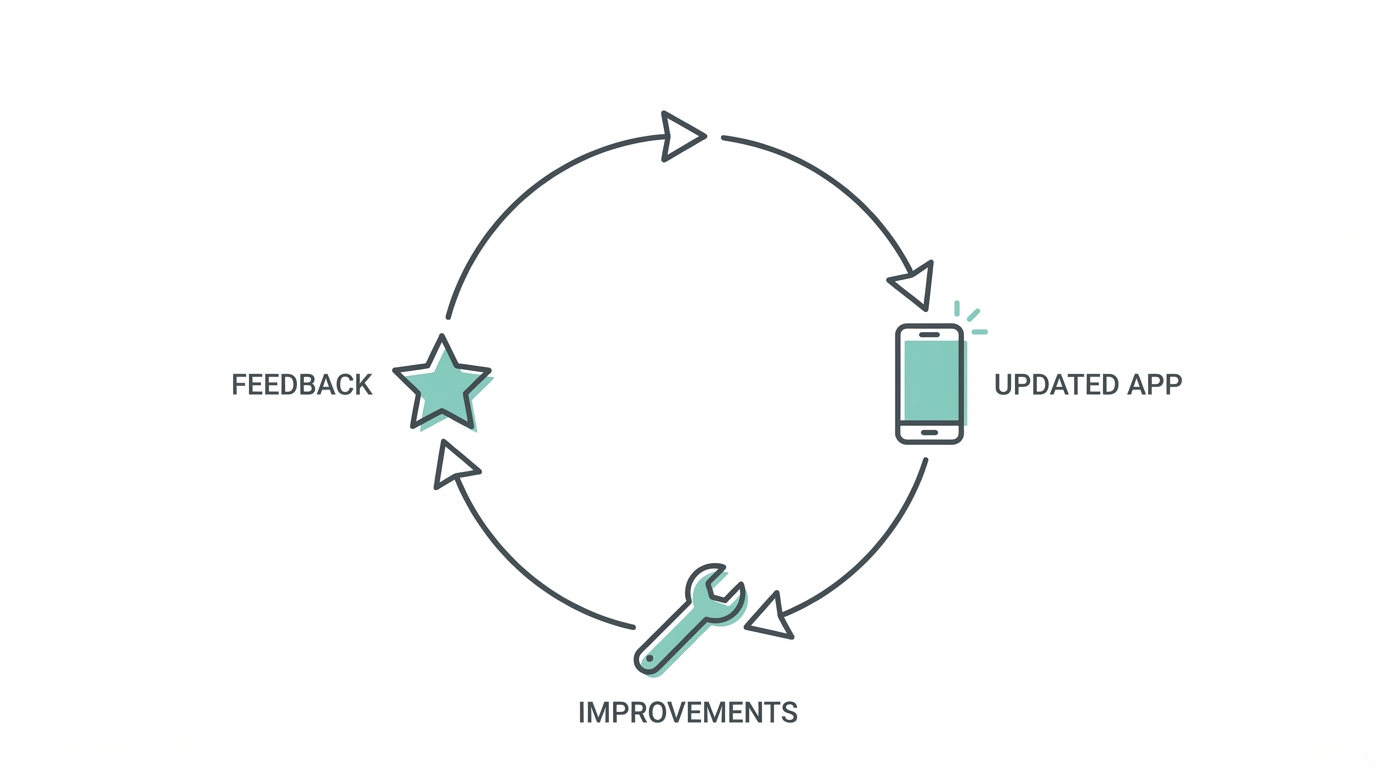
Keywords get you seen, but ratings and reviews get you ranked. The App Store algorithm treats a high volume of positive reviews as a proxy for app quality. Apps with a 4.5-star rating or higher are significantly more likely to be featured and ranked in the top positions. But how do you get users to actually leave a review? The secret lies in the timing of the native review prompt.
Sebastian Roe implemented a strategy of asking for reviews at "success moments." Instead of annoying the user with a pop-up the moment they open the app, HabitKit triggers the native iOS review dialog immediately after a user checks off their first habit. This is a moment of peak satisfaction and accomplishment. By catching the user when they are feeling good about the product, you drastically increase the likelihood of a five-star rating. This simple technical implementation, often built using frameworks like Flutter, can lead to thousands of positive ratings that act as a powerful engine for ASO.
Managing these relationships and monitoring user sentiment is vital for long-term growth. Just as you track user feedback, top-tier marketers use Stormy's creator CRM to manage their outreach and relationship history with the influencers who are driving these users to the app in the first place. Keeping track of who is talking about your app and what they are saying allows you to refine your product and your ASO strategy based on real-world usage.
Using Low-Budget ASA as an Organic Catalyst
Many developers view Apple Search Ads (ASA) and App Store Optimization as two separate silos. In reality, they are deeply interconnected. One of the most effective "hacks" in modern ASO is running a low-budget ASA campaign to signal relevance to the App Store algorithm. Sebastian Roe spends as little as $100 per month on ASA, not necessarily to drive massive volume, but to maintain a presence for his core keywords.
When you win a bid for a keyword in ASA and a user downloads your app, Apple's algorithm sees that your app is a relevant match for that search term. This data point helps improve your organic ranking for that same keyword. It creates a virtuous cycle: ASA drives downloads, which improves organic ranking, which leads to more organic downloads. This is a core component of a sophisticated aso strategy for beginners who want to compete with apps that have much larger marketing budgets.
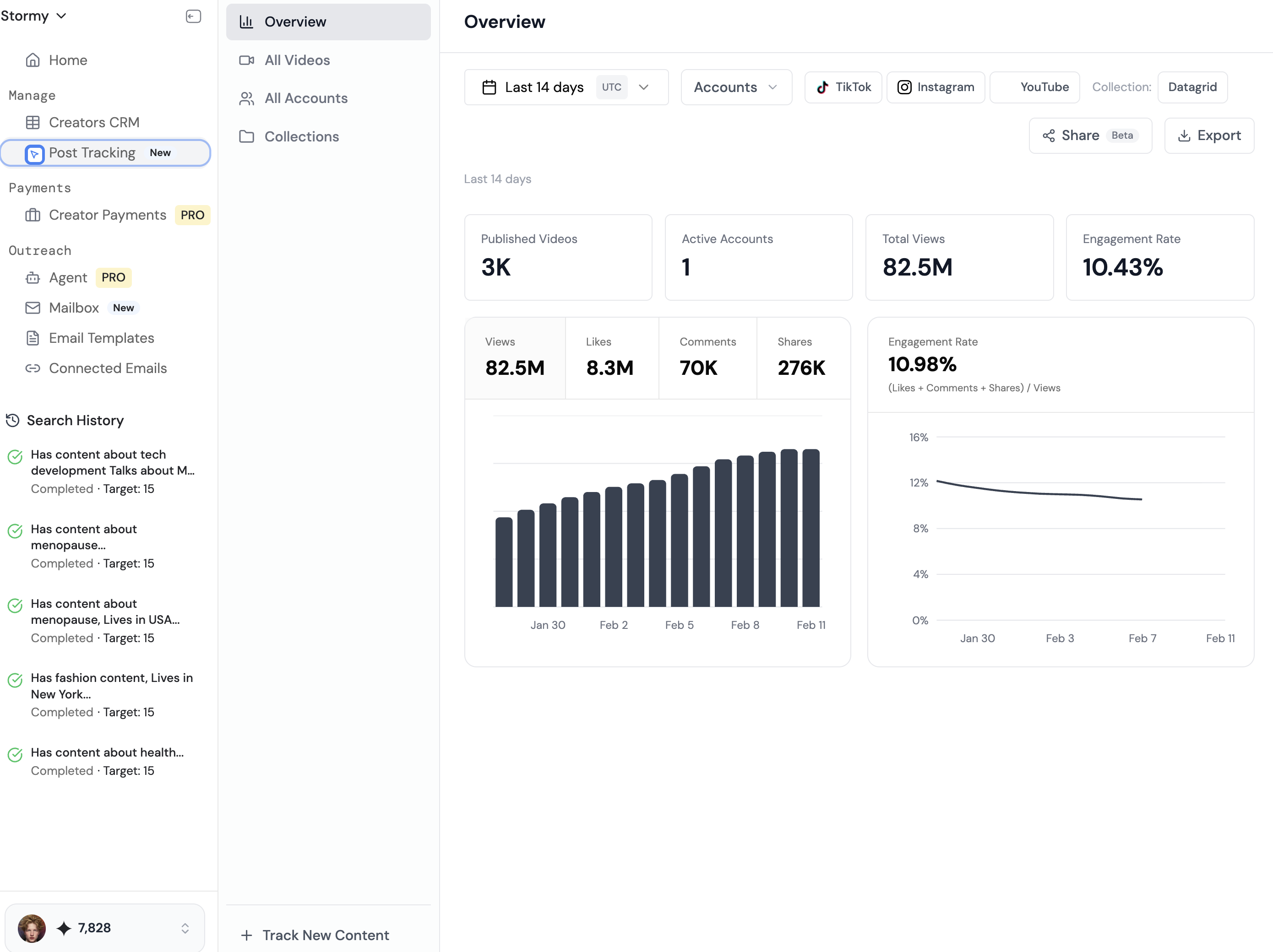
To maximize the efficiency of your ad spend, you should sync your ASA efforts with your external marketing. If you are running a campaign with a creator, you can use Stormy AI's post tracking and analytics to monitor the surge in mentions and then increase your ASA bids for your brand name and related keywords to capture the search intent generated by the influencer. This holistic approach ensures you aren't leaving any potential downloads on the table.
Metadata and Creatives: Converting Impressions to Downloads
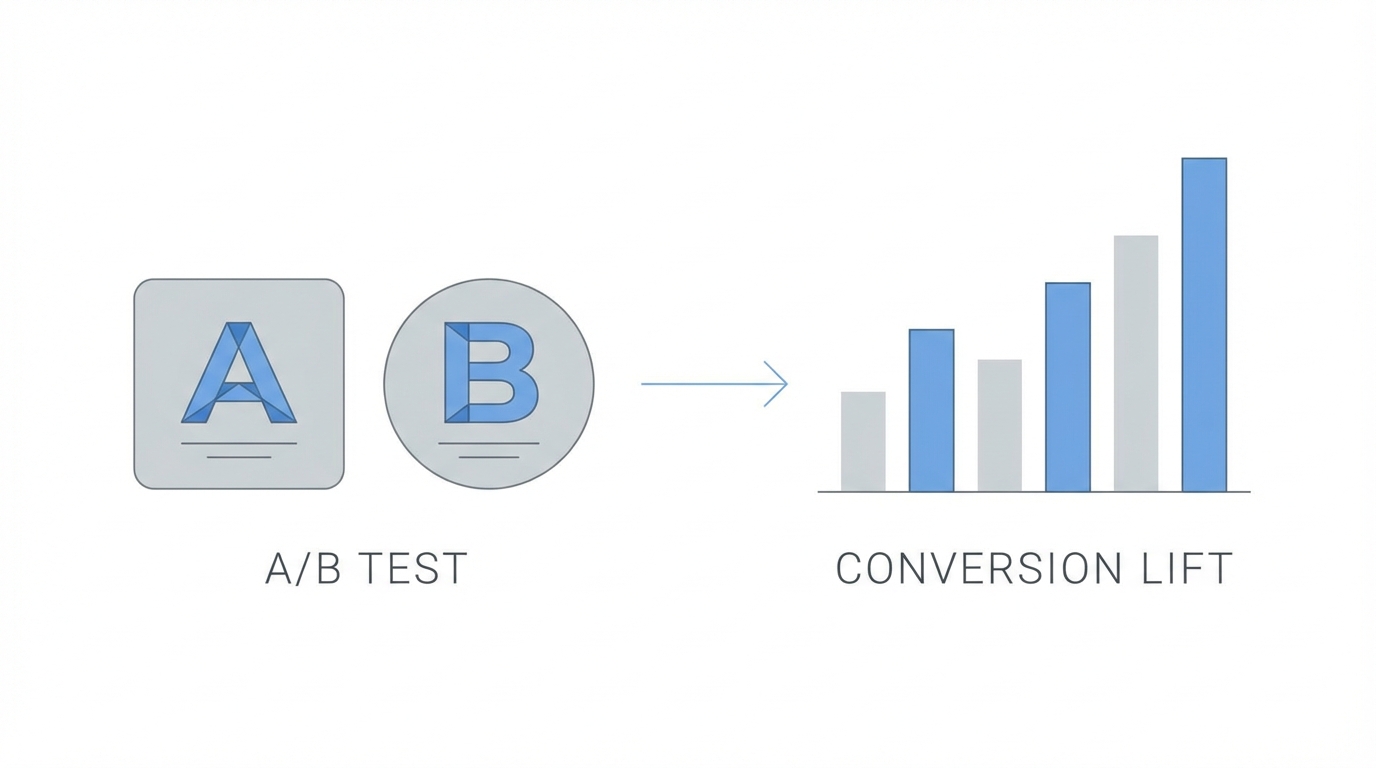
Ranking #1 is meaningless if your conversion rate (CVR) is low. Your screenshots and preview videos are the most important elements for converting a search impression into a download. Users often decide whether to download an app in less than three seconds, meaning your first two screenshots must communicate your app's core value proposition instantly.
For HabitKit, the focus was on a visually appealing and simple interface. The screenshots emphasize the tile-based grid chart, showing rather than telling how easy it is to track progress. High-converting screenshots typically follow a few best practices:
- Big, bold captions: Use the top 20% of the image to state a benefit (e.g., "Track Habits Effortlessly").
- Focus on the UI: Show the most beautiful and functional parts of your app.
- Social proof: If you have awards or high ratings, mention them in the visuals.
Beyond screenshots, your description and metadata should be optimized for both humans and search engines. While the long description doesn't impact ranking on iOS, it does on Google Play. On both platforms, the first few lines are critical for convincing the user to click "more." If you're struggling to find the right words to describe your app, you can use Stormy's AI email outreach features to generate hyper-personalized messaging that has already been proven to resonate with creators and their audiences, then adapt that copy for your app store listing.
The Secret Weapon: Influencer-Driven ASO
While technical ASO is the engine, external traffic is the fuel. When an influencer mentions your app to their audience, it creates a spike in branded search. People go to the App Store and search for your app by name. A high volume of branded searches is one of the strongest signals you can send to Apple and Google that your app is trending, which often leads to a boost in rankings for non-branded, high-volume keywords as well.
Working with creators doesn't have to be a manual, grueling process. Modern developers use platforms like Stormy AI to automate the discovery and outreach process. Instead of spending hours scouring TikTok or Instagram, you can set up an autonomous AI agent that discovers, outreaches to, and follows up with creators on a daily schedule. This allows you to maintain a consistent drip of external traffic and social proof, which keeps your organic rankings high even when you aren't actively running ads.
By combining a strong app store optimization guide with a consistent influencer strategy, you create a defensive moat around your app. This is how solo developers are able to build $15k MRR businesses using tools like RevenueCat for subscription management and ZenBusiness for legal protection, all while maintaining a lean, highly profitable operation.
The Path to #1: Consistency Over Intensity
Ranking #1 for high-volume keywords is not the result of a single brilliant move, but the accumulation of dozens of small, strategic decisions. From the placement of a keyword in your title to the timing of your review prompt, every detail matters. By following this app store optimization guide, you can compete with the biggest players in your niche and build a sustainable, organic growth engine for your mobile app.
Ready to start your journey? Begin with app store keyword research to identify your best opportunities, optimize your title for maximum weight, and then use Stormy's AI-powered platform to scale your outreach and find the creators who will help propel your app to the top of the charts. With the right tools and a data-driven approach, the top of the App Store is within your reach.