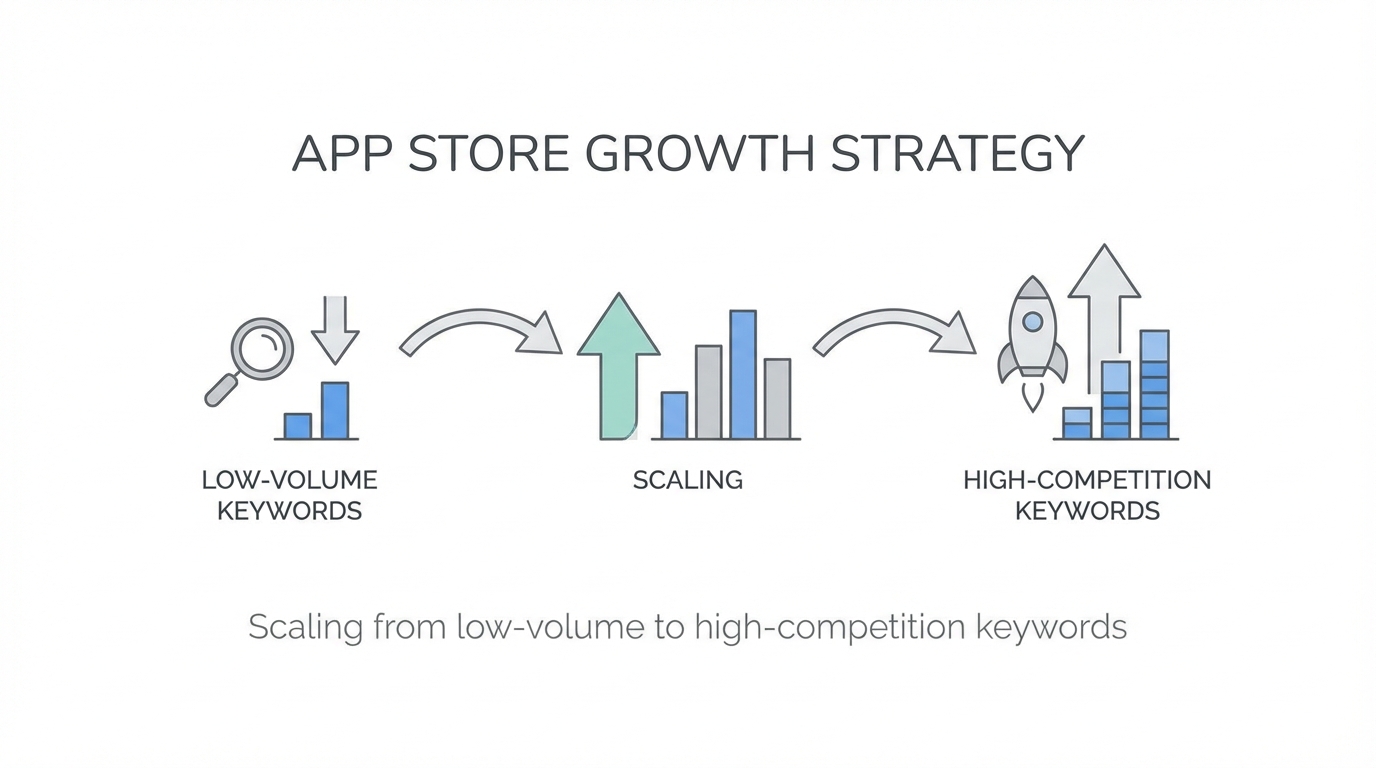
In the hyper-competitive landscape of mobile marketing, visibility is the ultimate currency. For most developers, the dream is to rank #1 for high-traffic terms like "fitness" or "photo editor." However, jumping straight into the deep end of high-volume keywords is often a recipe for invisibility. Statistics from Apple Search Ads reveal a staggering reality: approximately 65% of all App Store downloads occur immediately after a search. This means that if your app isn't appearing in those crucial search results, you are missing out on two-thirds of the total market potential. To succeed, developers need a sophisticated app store growth strategy that prioritizes building ranking authority through a tiered approach rather than brute-force competition.
The Volume Metric: Understanding the 5-100 Scale
Before implementing a mobile app scaling plan, you must understand how Apple measures demand. Unlike Google Search, which uses estimated monthly searches, the App Store utilizes a proprietary Volume Score ranging from 5 to 100. A score of 5 indicates negligible traffic—essentially a dead end—while a score of 100 represents the most searched terms on the platform, such as "YouTube" or "Instagram." In 2024, data from AppTweak highlights that branded keywords dominate the top of the charts, making generic terms even more valuable for new entrants looking for high-intent traffic.
"Ranking #1 for a high-volume keyword typically captures over 30% of the total clicks, but that rate drops off a cliff by position #5."This drop-off is why competitive keyword analysis is so critical. If you cannot realistically reach the top 3 for a term with a volume of 80, your efforts are better spent elsewhere. Tools like Sensor Tower provide deep insights into competitor rankings, but for a new app, breaking into that cycle requires a strategic entry point rather than a head-on collision with industry giants.
The 'Sweet Spot' Strategy: Targeting for Early Success
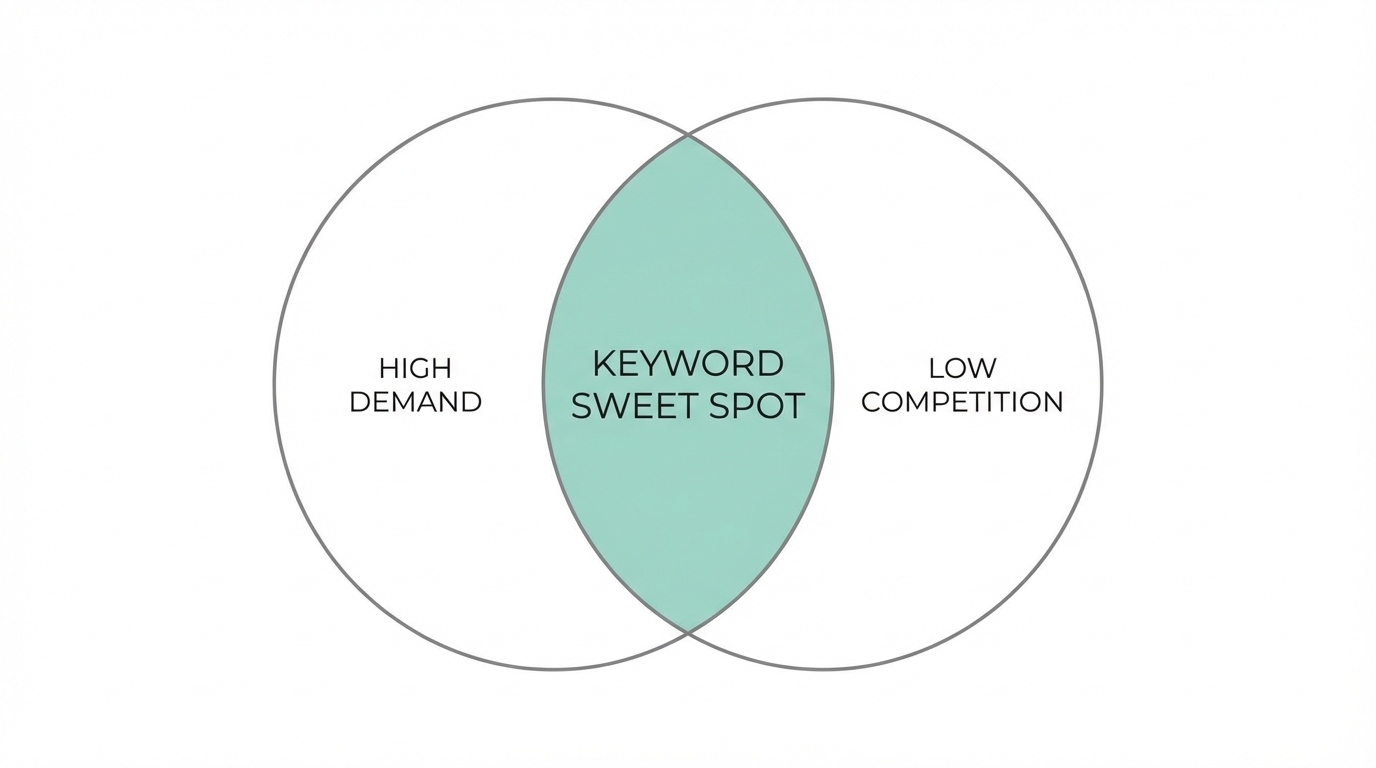
The most common mistake new developers make is attempting to rank for broad category terms like "Games" or "Free." These terms frequently have a Volume Score of 90+ but a Chance (Difficulty) score of near 0% for most developers. Instead, expert consensus suggests the "Sweet Spot" strategy. This involves targeting keywords with a Volume Score of 20–40 and high Chance scores. According to research by MobileAction, these terms represent enough traffic to move the needle but low enough competition that a well-optimized app can quickly climb the ranks.
By dominating these niche terms, your app begins to accumulate "ranking authority." This authority isn't just a vanity metric; it is a signal to Apple's algorithm that your app is relevant and converts well for specific queries. As your download velocity increases through these mid-tail terms, you can gradually pivot your metadata to include more competitive terms. This phased approach is the backbone of a sustainable app store growth strategy.
Phase 1: Foundation (Volume 20-30)
Focus on highly specific long-tail keywords that describe exactly what your app does. If you have a meditation app, don't start with "meditation." Start with "meditation for deep sleep" or "anxiety relief breathing." These have lower volume but much higher conversion intent.
Phase 2: Expansion (Volume 40-60)
Once you are consistently in the top 5 for your Phase 1 terms, update your metadata to target broader synonyms. This is where you begin to see mobile app scaling in action as your organic footprint expands.
Semantic Search ASO: Beyond Keyword Stuffing
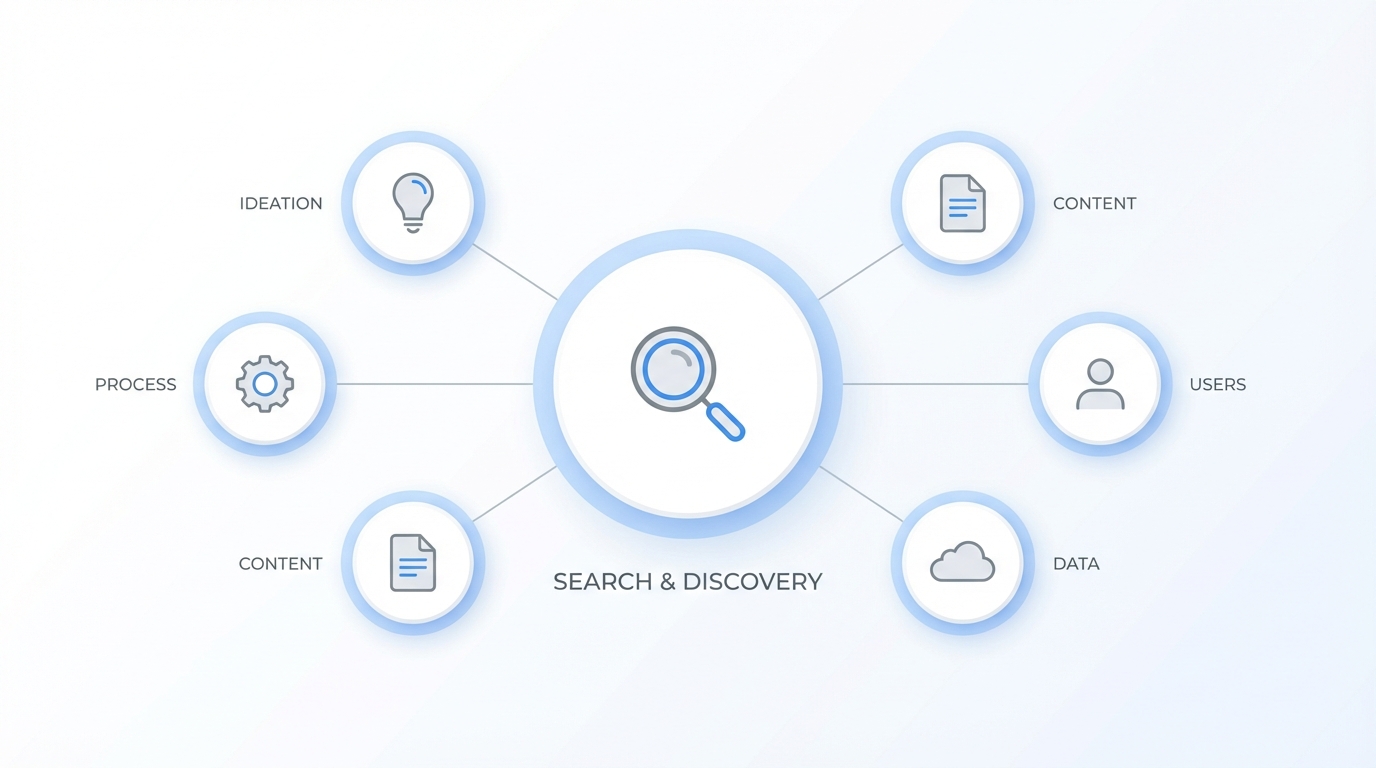
Apple’s algorithm has evolved significantly in recent years, moving away from simple exact-match keywords toward semantic search aso. This means the algorithm now understands "semantic clusters"—groups of related words that define a category. According to research from ConsultMyApp, using words like "learn," "practice," and "speak" can help an app rank for "language learning" even if that exact phrase isn't explicitly in the title.
This shift requires a change in how you write your metadata. Instead of repeating the same word, use the 100-character keyword field to include synonyms and cluster-related terms. For example, a fitness app might include "workout," "exercise," "gym," "training," and "health." By covering the semantic cluster, you provide the algorithm with enough context to index you for a wider variety of searches. Semantic indexing is the key to unlocking broad category traffic without needing to rank for a single high-volume head term immediately.
"In 2024, generic terms like 'AI', 'Editor', and 'Tracker' represent the highest-intent traffic for utility apps, but competition is at an all-time high."To really boost these rankings, external traffic plays a major role. Driving users from social media to your app store page can signal high relevance to Apple. This is where platforms like Stormy AI become invaluable; by discovering and managing UGC creators who can create authentic content about your app, you drive high-intent traffic that improves your semantic search aso performance through increased download velocity.
The AI Boom and Trend Jacking: Capitalizing on Surges
The year 2024 saw a massive surge in "AI" related searches. Apps that quickly pivoted to include "AI" in their titles or subtitles saw immediate spikes in organic impressions. However, this also led to an "AI keyword bubble" where competition became so fierce that the Chance scores plummeted. This illustrates the importance of competitive keyword analysis and trend monitoring. Search volume is highly volatile and seasonal.
- January: "Fitness tracker" and "budget planner" volume peaks by 25-40%.
- December: "Gift list" and "holiday" terms dominate the charts.
- Year-round: Sudden trends (like the AI boom) can create temporary windows of opportunity for apps that move fast.
Case studies from App Radar show that games like World of Warships achieved a 35% increase in impressions simply by aligning their metadata with high-volume category keywords and seasonal trends. The lesson here is that ASO is not a "set it and forget it" task; it requires constant iteration. Apps like iSharing have seen 20% ranking improvements by updating their keyword sets every 2–3 weeks based on volume shifts reported by Business of Apps.
Global Scaling: Avoiding the US-Centric Trap
A fatal error in many app store localization strategies is the reliance on US search volume data for international markets. Keyword popularity varies drastically by territory due to cultural differences and local competition. For instance, a keyword that is highly competitive in the US might have a high Chance score and decent volume in Brazil or Japan. Using a specialized app store localization service like LocalizeDirect can help bridge this gap.
Effective app store localization involves more than just translating words; it requires localized competitive keyword analysis. You must research what users in each specific region are actually typing into the search bar. An educational app case study from Moburst showed a 217% increase in impressions on iOS by shifting from broad "education" keywords to region-specific high-volume clusters like "math solver" and "homework helper." This level of granularity is what separates global leaders from apps that only succeed in their home market.
The ASO Implementation Playbook: Step-by-Step
To turn these insights into a functioning app store growth strategy, follow this structured hierarchy for your App Store metadata:
Step 1: The App Title (30 Characters)
This field carries the most weight in the algorithm. Place your highest-volume, most relevant keyword here. If your app brand name is "FitFocus," your title should be something like "FitFocus: HIIT Workout Planner." Avoid wasting space on your brand name if it doesn't contain a keyword; focus on the primary function.
Step 2: The Subtitle (30 Characters)
The subtitle is the second most important field. Use this to explain the "how" or "why" of the app using secondary keywords. For example: "Personalized daily gym routines." This reinforces your semantic search aso profile.
Step 3: The Keyword Field (100 Characters)
Use this for all remaining keywords, synonyms, and long-tail variations. Separate words with commas, avoid spaces, and never repeat words that are already in your Title or Subtitle. Top-performing apps also avoid "stop words" like "the," "and," or "with," which are ignored by the algorithm. Research from Statista indicates these are used in less than 3.2% of metadata in top-ranking apps to save space.
Step 4: Continuous Tracking and Analytics
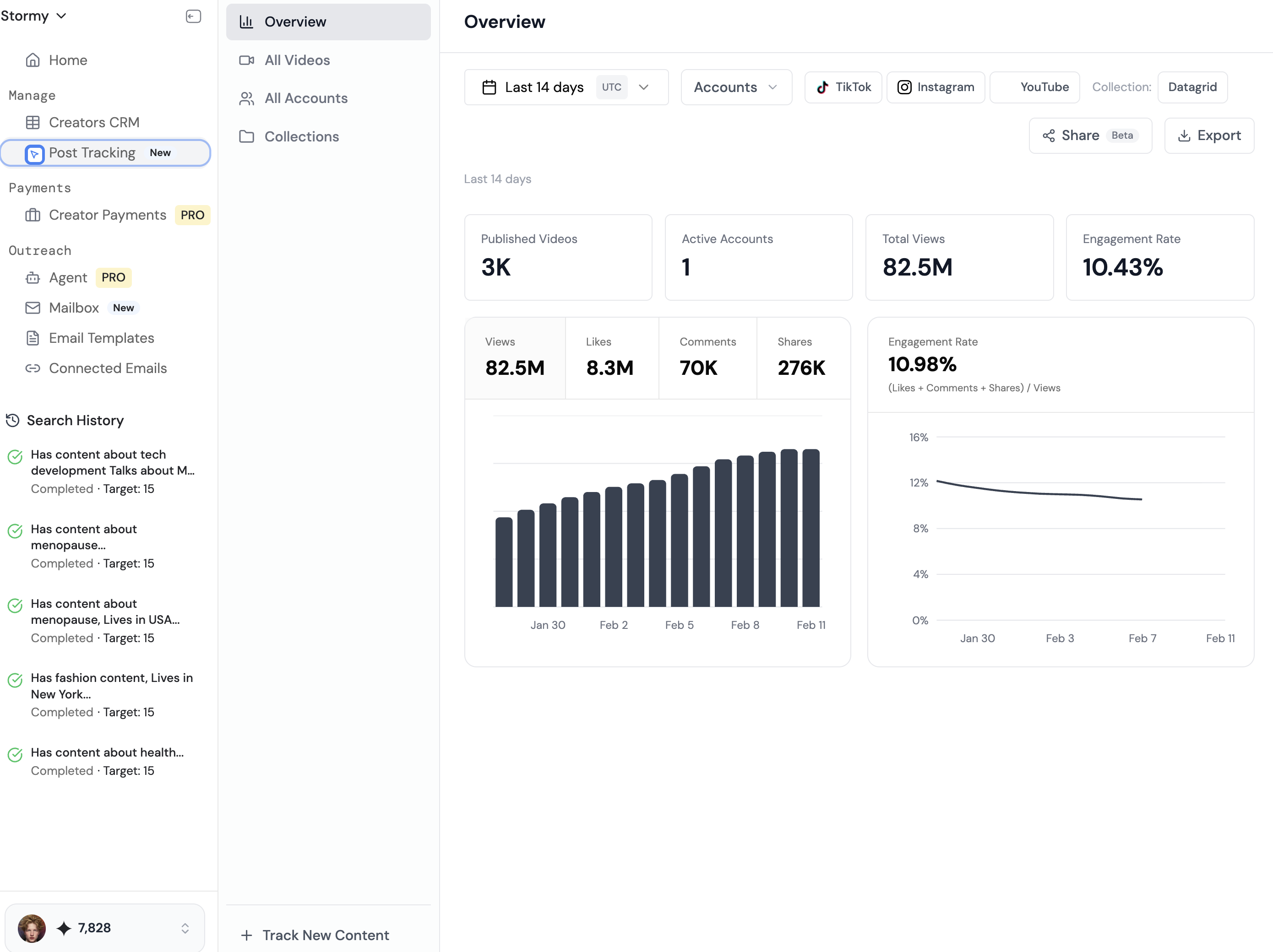
Once your metadata is live, you must monitor the results. Use the Post Tracking section in your analytics dashboard to see how search impressions translate into actual users. Analyzing campaign performance across platforms helps you understand if your organic growth is being supported by your external marketing efforts.
"The most successful apps don't just find keywords; they build a system of constant iteration that adapts to the market every 14 days."Conclusion: Sustaining Long-Term Growth
Scaling an app from low-volume niches to high-competition head terms is a marathon, not a sprint. By mastering the "Sweet Spot" strategy, leveraging semantic search aso, and staying agile with app store localization, you create a foundation for compounded organic growth. Remember that search visibility is only one half of the equation; your app must also convert those impressions into installs through optimized screenshots and compelling descriptions.
As you scale, don't overlook the power of external signals. A holistic app store growth strategy integrates ASO with creator marketing to drive consistent, high-quality traffic. Platforms like Stormy AI can help you find the right UGC creators to fuel this growth, ensuring that while you climb the keyword rankings, you are also building a brand that users recognize and trust. Start small, dominate your niche, and the high-volume rankings will follow.