Every app developer dreams of the 'lightning in a bottle' moment: a viral trend on TikTok that drives millions of downloads overnight. We’ve all seen it happen with meme-based games or AI filters that dominate our feeds for a week and then vanish. But while virality can jumpstart a product, it rarely sustains one. The real challenge lies in the transition from a fleeting cultural moment to a high-LTV (Lifetime Value) business. This evolution requires a shift from simple entertainment to deep consumer psychology, leveraging tactics like the sunk cost fallacy and tapping into deep-seated user insecurities.
By examining the career trajectory of viral app experts like Raphael Kramer, who turned memes into six-figure monthly profits before he was old enough to drive, we can decode the mechanics of modern distribution. The goal isn't just to get the download; it’s to understand the 'why' behind the user’s journey from the first scroll to the final paywall. Whether you are building a 'looksmaxing' app or a high-end wellness platform, the psychological levers remain the same.
From Meme Games to Problem Solving
The early stages of viral app development often revolve around 'meme games'—simple, interactive experiences built around a cultural touchstone. Raphael Kramer’s first major success involved a rapper called 'The Baby' (DaBaby) and a viral meme featuring his head as a car. Kramer built a game around this premise using no-code tools like Buildbox, launched it, and generated over $100,000 in a single month. Why did it work? Because it transformed a 2D passive meme into a 3D interactive experience.
As Kramer notes,
"A trend is kind of like 2D, right? You see it, you laugh at it, you scroll. But if you can actually interact with it... that's just much more funny and people will kind of automatically share that itself."However, the limitation of meme-based apps is their retention. These apps are 'gimmicky' by nature. They provide entertainment but don't solve a recurring problem. To move into the realm of million-dollar ARR (Annual Recurring Revenue), founders must pivot toward consumer apps that address specific pain points. The transition from a 'The Baby' game to a wellness app represents a move from capturing attention to providing value. In the world of influencer marketing and analytics, this is the difference between a one-off shoutout and a long-term brand partnership.
The Sunk Cost Fallacy in App Onboarding

One of the most effective ways to increase paywall conversion is through the Sunk Cost Fallacy. This psychological principle suggests that people are more likely to continue an endeavor once they have invested time, effort, or resources into it. In the context of mobile apps, this is achieved through interactive onboarding sequences that require user input before the price tag is ever shown.
Consider the 'looksmaxing' or 'debloating' app category. Instead of asking for a subscription on the first screen, successful apps like DBLI implement a 'face scan' or a series of diagnostic questions. The process looks like this:
- The Hook: The user sees a video about a problem they have (e.g., facial bloating).
- The Investment: The user downloads the app and spends 60 seconds taking a photo and answering questions about their diet and sleep.
- The Reveal: The app processes the data and provides a 'rating' or 'analysis.'
- The Paywall: To see the solution or the detailed plan to 'fix' the rating, the user must subscribe.
By the time the user hits the paywall, they have already 'invested' their data and time. They are cognitively primed to pay because they don't want their effort to go to waste. This 'scan-before-pay' model is significantly more effective than traditional landing pages because it creates a personalized bridge between the user's insecurity and the app's solution.
Leveraging Consumer Insecurity and Social Proof
Great marketing doesn't create problems; it identifies existing insecurities and offers a credible path to resolution. The 'looksmaxing' trend on TikTok is a prime example. Millions of users—particularly Gen Z males—are obsessed with physical self-improvement. Founders like Kramer identify these niches by 'doom scrolling' with a critical eye, specifically looking at the comment sections of viral videos.
If a video of a guy with a 'debloated' face goes viral, the comment section is a goldmine. When you see 100 people asking "How do I do this?" or "What products did you use?", you've found a validated problem. The app becomes the organized, digital version of the solution those users are desperately seeking.
Social Proof as a Trust Multiplier
In the wellness and mental health space, insecurity is often met with skepticism. Users have been burned by 'get healthy quick' schemes. This is where social proof and high-quality UGC (User-Generated Content) become essential. Using 'faceless' UGC accounts to run slideshows of transformations or success stories provides the social validation necessary to push a user through the download process. For DBLI, Kramer utilized multiple faceless pages to drive 40,000 downloads with minimal effort, simply by mirroring the content users were already consuming.
The Founder-User Alignment Edge
A recurring theme among successful viral founders is age-alignment. Raphael Kramer’s ability to build a game that middle schoolers loved was rooted in the fact that he was a teenager himself. He didn't have to 'study' what was funny; he felt it intuitively.
"I genuinely would have downloaded that game myself if I would have seen it on my for-you page," Kramer explains. This intuitive product-market fit is a massive competitive advantage. When the founder is the target demographic, every decision—from the wording of a CTA to the specific frame used in a TikTok hook—is grounded in authentic understanding.However, as founders mature, they must learn to replicate this intuition for other demographics. Whether it's a 'plant identification' app for boomers or a 'relationship coach' app for teenagers, the skill lies in the ability to put oneself in the shoes of the user. This involves analyzing the 'inside jokes' of a community and the 'universe' built by influencers in that niche.
Influencer Partnerships: Equity vs. Fees
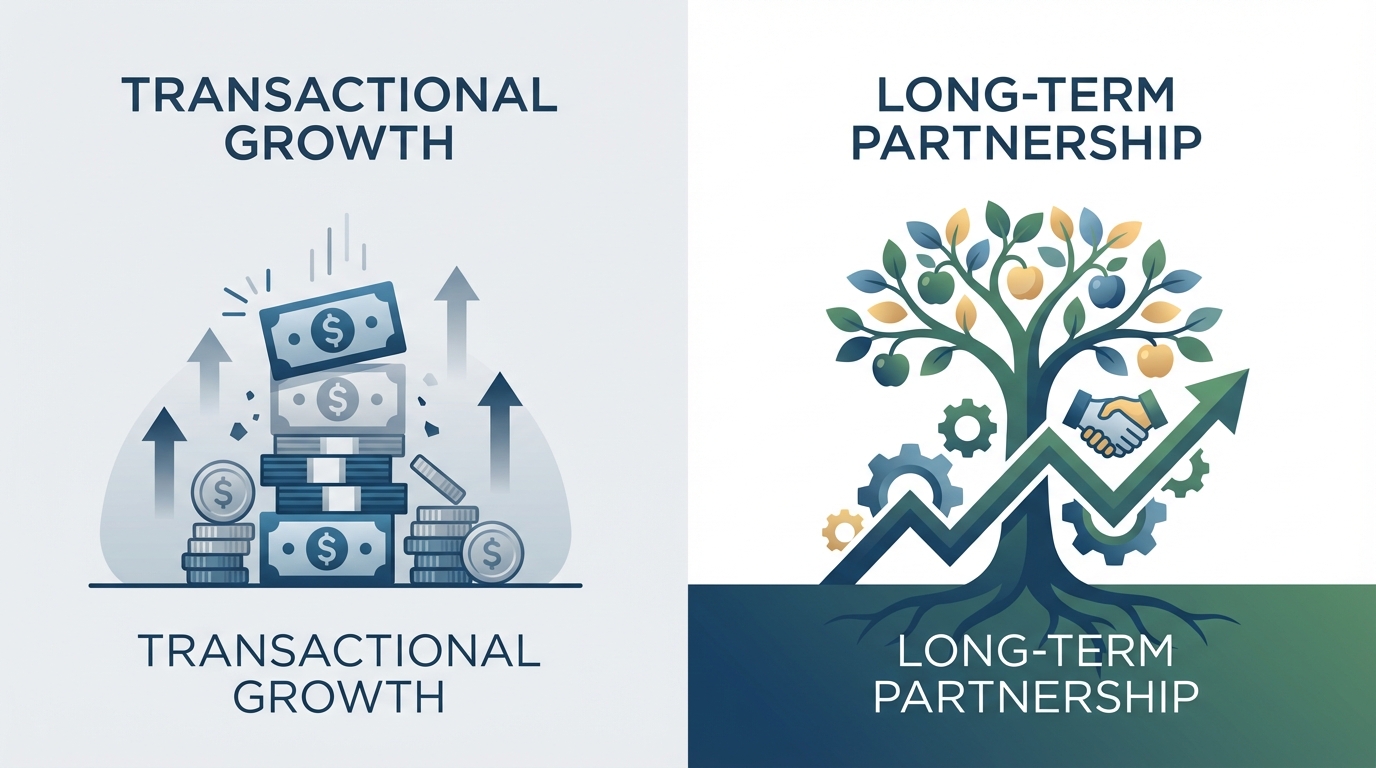
Distribution is the 'bottleneck' for most great products. You can have a world-class wellness app, but if no one sees it, its LTV is zero. The traditional model of influencer marketing involves paying a flat fee for a post (e.g., $5,000 for one TikTok). However, for apps looking for massive, sustained growth, the equity-split model is often superior.
Kramer’s 'Escape the Toilet' game and other influencer-led projects utilized 50/50 revenue splits. By giving the influencer ownership, you align their incentives with the app's success. They aren't just 'posting an ad'; they are 'launching their company.' This leads to:
- Better Content: The influencer will experiment with hooks and formats because they want to maximize their own profit.
- Longer Lifecycle: Instead of one post, the influencer will integrate the app into their content naturally over weeks or months.
- Trust: The audience can tell the difference between a paid shill and a founder-led project.
When reaching out to these influencers, positioning is everything. A professional Instagram profile with mutual connections and a 'blue check' acts as a digital resume. You aren't a 'fan' or a 'customer'; you are a partner offering a vehicle for their influence to be monetized more effectively than through simple ad-sense.
The Transition to the 'Big Swing'
Ultimately, the skills learned in the 'meme game' trenches—how to write a hook, how to use no-code tools for speed, how to negotiate with creators—are the building blocks for 'big swing' apps in the therapy and mental health space. These high-LTV categories offer higher retention and more sustainable revenue models than ad-monetized games.
The 'big swing' involves moving away from the 'cash grab' mentality and toward building products that founders are proud to stand behind. This requires a deeper focus on technical execution, UI/UX, and long-term user psychology. But the distribution engine remains the same: find the trend, understand the insecurity, leverage the sunk cost, and partner with the right voices.
Conclusion: Building for the Next Wave
The era of simple 'reskinned' games is evolving into an era of sophisticated AI-driven consumer apps. We are seeing the rise of hyper-realistic AI influencers and niche-specific AI tools (like relationship analyzers or skin-care coaches) that tap into our need for validation and self-improvement. To succeed in this landscape, you must combine the speed of a 'trend rider' with the psychological depth of a 'product person.'
The takeaway for app developers and marketers is clear: stop looking for the 'trick' and start looking for the 'truth' in consumer behavior. Use interactive onboarding to build investment, address real insecurities through social-proof-heavy marketing, and don't be afraid to give influencers a seat at the table. If you can master the distribution of a meme, you can master the distribution of a life-changing product.