Most app founders believe that the secret to scaling to $1 million ARR is a combination of viral loops and a massive budget for user acquisition. They spend months polishing features and weeks tweaking Facebook Ad creative, only to watch their revenue plateau. The hard truth? You are likely leaving six figures on the table every month because of a leaky monetization system. While user acquisition brings people through the door, your paywall is what decides if they stay. Vah Bagdasarian, an expert who has run over 10,000 experiments and helped apps like Cal AI and Claim add $50 million in revenue, argues that 80% of your development effort should focus on onboarding and paywalls rather than building new features.
The Shift from UA to Monetization Efficiency

In the early days of a startup, it is easy to get addicted to growth metrics. However, scaling a leaky bucket is the fastest way to burn capital. If your mobile app monetization strategy relies solely on getting more users, you are ignoring the highest-leverage part of your business. Improving your install-to-paid rate from 1% to 4% is effectively the same as quadrupling your marketing budget for free.
Take the case of a recent entertainment app that was generating 50,000 organic installs per month but had a dismal 1.1% conversion rate. By fixing the paywall architecture and testing better placements, that rate climbed to 4% in just five months. The app didn’t need more users; it needed a better way to capture the intent of the users it already had. For founders looking to scale, Stormy AI can help find the right UGC creators through its AI search engine across TikTok and Instagram to feed high-quality traffic into these optimized funnels, but the conversion work happens on the screen.
Benchmarks for Success: The 15/30 Rule
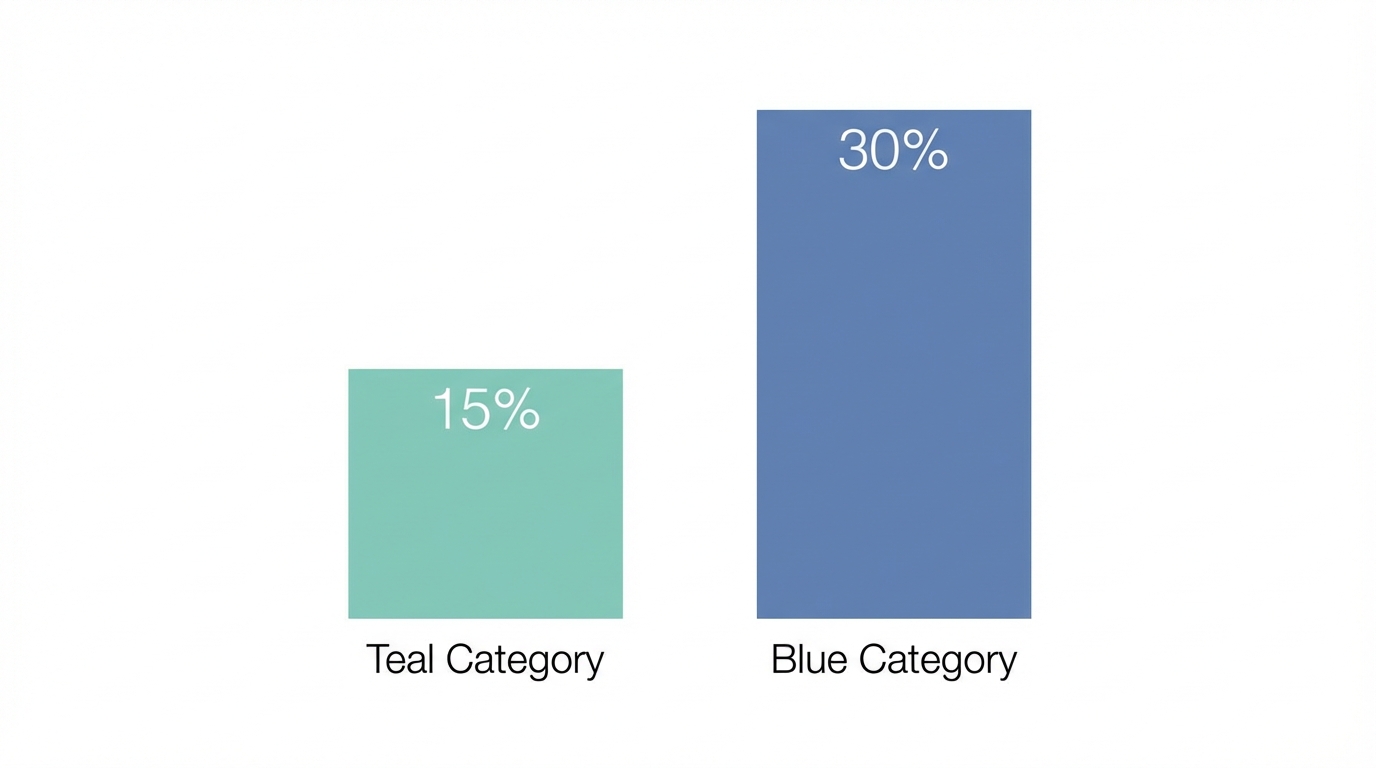
Before you start running paywall ab testing, you need to know what "good" looks like. Based on data from thousands of profitable apps, there are two primary benchmarks you should aim for if you use a free trial model:
- Trial Start Rate: You should aim for at least 15% of users starting a trial. If you are sitting at 8% or 11%, you are missing out on significant revenue that can often be recovered by simply changing how you frame the offer.
- Trial-to-Paid Conversion: Once a user starts a trial, at least 30% should convert to a paid subscription. Anything below this suggests a value gap or a lack of engagement during the trial period [source: RevenueCat].
For apps that do not offer trials, a strong install-to-paid rate of 10% or higher is the gold standard for high-intent US audiences. If your rate is below 4%, your paywall is likely the primary bottleneck. Achieving these numbers often requires a shift in how you use tools like Stormy AI to analyze creator profiles and detect fake followers, ensuring you only source creators who can authentically explain the value proposition before the user even hits the paywall.
The Psychology of the Multi-Step Paywall
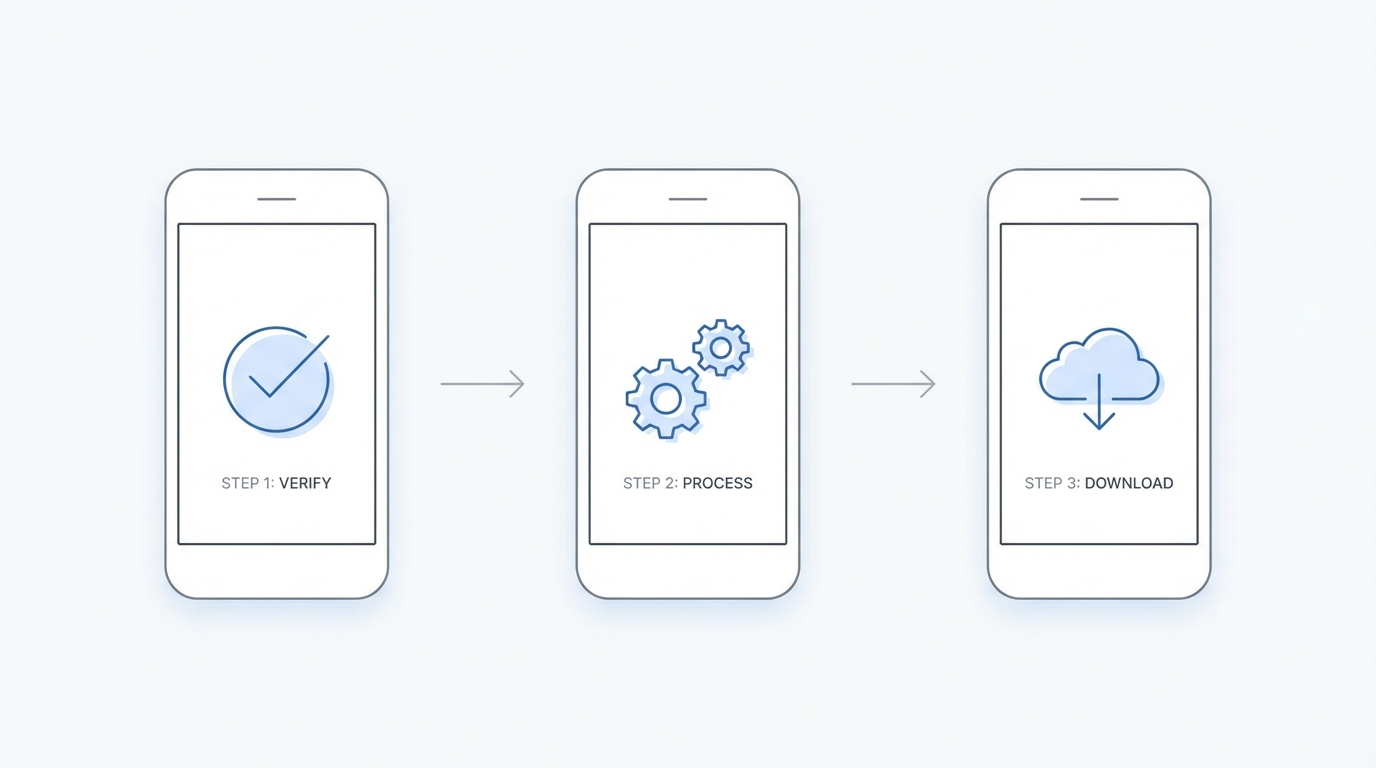
One of the most effective tactics in the $50M playbook is the transition from a single-screen paywall to a multi-step onboarding flow. Apps like Claim have seen trial start rates as high as 34% by using this method. The secret isn't just adding more screens; it is about reducing trial anxiety.
A standard multi-step paywall works by breaking down the commitment. Instead of a single "Buy Now" button, you present a series of value-driven screens:
- The Value Proposition: Visually show exactly what the user will get.
- The Remind-Me Logic: Explicitly state, "We will send you a notification two days before your trial ends." This removes the fear of being "trapped" in a subscription.
- The Trial Timeline: Use a visual timeline to show that today is $0, and the charge only happens after the trial period.
In many tests, mentioning the "free" aspect of the trial five to seven times across these screens resulted in a 20% to 40% uplift in conversions. Users often skim content; you need to hammer home that there is zero risk to starting today.
The Trial Toggle: Giving Users Control
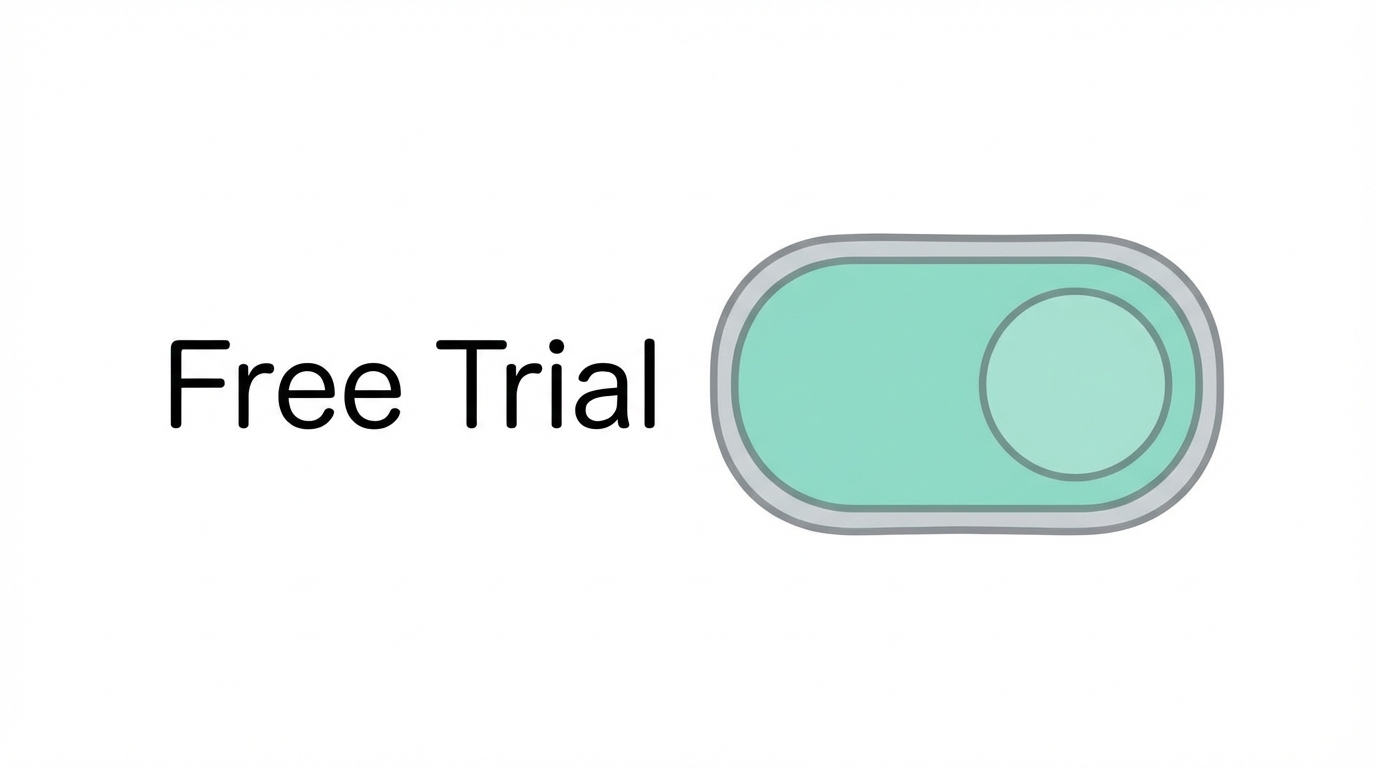
Another advanced tactic used by apps like Riz and Cal AI is the trial toggle. This allows the user to choose between starting a free trial at a higher price or skipping the trial for a significant discount. For example, a user might see an offer for a 7-day free trial at $9.99/week, but if they toggle "Skip Trial," the price drops to $6.99/week.
This works for two reasons. First, it gives the user a sense of control over how they spend their money. Second, it captures different types of demand. High-intent users who know they want the product will opt for the direct discount, providing you with immediate cash flow and zero trial churn. For lower-intent users, the trial remains the safety net. Experiments show that roughly 10% of users will choose to buy without a trial if the discount is enticing enough.
Borrowing Tactics from E-Commerce
App founders often work in a vacuum, but the most successful ones borrow heavily from the world of high-conversion e-commerce. Sites like Temu and SHEIN have mastered the art of gamified discounts. You can replicate this in your app using a "Spin the Wheel" mechanic for discount offers.
Instead of showing a static 80% off banner, show a wheel that spins and "lands" on the 80% discount. This creates excitement and makes the user feel like they earned the deal rather than being sold a generic coupon. This small psychological shift can lead to double-digit increases in conversion rates on transaction abandonment screens.
Step-by-Step Playbook: Fixing Transaction Abandonment
Transaction abandonment occurs when a user clicks your CTA but cancels the native Apple Pay or Google Pay dialogue. This is the moment of highest intent and highest hesitation. Here is how to handle it:
Step 1: Detect the Abandonment
Use a tool like Superwall to trigger a specific paywall the moment a user cancels the payment sheet. Do not let them just return to the app; they were 90% of the way to a purchase.
Step 2: Offer a Deeper Discount
Immediately present a "Last Chance" offer. The best practice is to discount the annual plan only. Never discount your weekly or monthly plans, as this devalues the product. A 50% to 80% discount on the annual plan often converts users who were on the fence about the long-term price.
Step 3: Implement the Trial Toggle on Abandonment
On this abandonment screen, offer two options: a discounted annual plan with a trial, and a heavily discounted annual plan without a trial. If the trial version is 80% off, make the no-trial version 90% off. This maximizes the chance of capturing a direct purchase from a price-sensitive user.
When to Go 'Paid Only'
While trials are the standard, some apps are transitioning to a paid-only model with massive success. The Claim app, for example, moved from a 34% trial start rate to a model with no trial at all. Why? Because their Stormy AI campaign analysis showed user intent was so high that they were able to generate more total revenue by eliminating the trial churn phase.
You should consider a paid-only model if:
- You have high volume (at least 40k+ installs/month).
- You solve a pressing, specific problem (e.g., reclaiming lost money or urgent health needs).
- Your trial-to-paid conversion is already above 50%.
If these conditions are met, you can use Google Ads or Meta Ads to drive traffic directly to a hard paywall, optimizing your entire funnel for immediate purchase events.
Optimizing Placements Beyond Onboarding
Most developers stop at the onboarding paywall. To increase app revenue, you must place paywalls where the value is felt. This includes:
- Session Start: Show a paywall once per day when the app opens.
- Action-Based Triggers: If your app is a utility (like a coin identifier or AI scanner), show a paywall after a certain number of successful actions.
- Feature Gates: Don't just block a feature; show a paywall that explains why the premium version is better for that specific task.
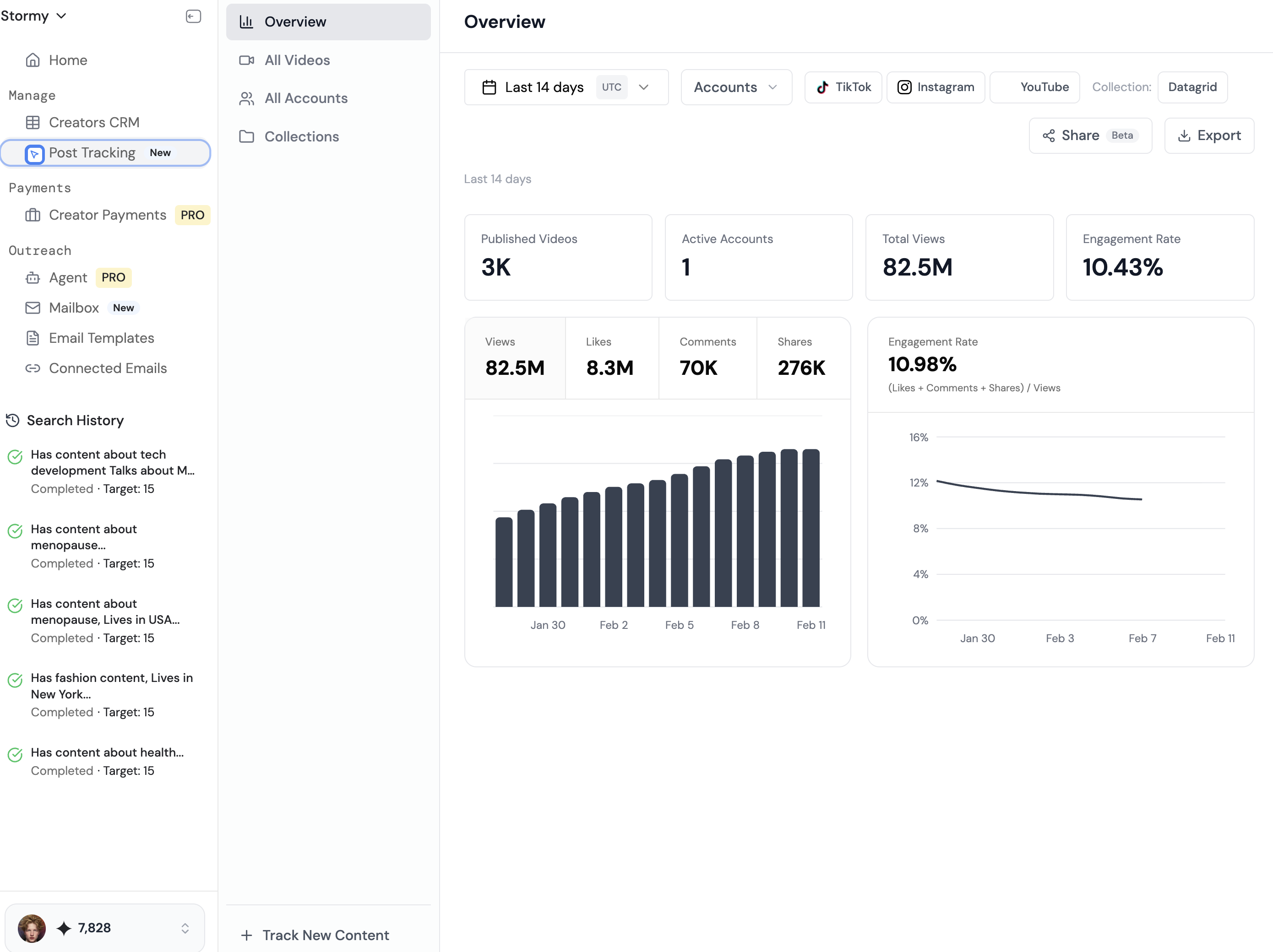
When combined with high-quality content from Stormy AI, which provides automated outreach and post-tracking to monitor campaign performance across all platforms, these placements ensure that the user is constantly reminded of the value they are missing out on without feeling harassed.
Conclusion: The Foundation of Growth
You cannot build a $50 million app on a foundation of poor conversion rates. Before you spend another dollar on Apple Search Ads, audit your paywall. Ensure you are meeting the 15% trial start benchmark and implementing at least one multi-step flow. Stop treating your paywall as a static screen and start treating it as a dynamic product that requires constant experimentation.
By focusing on transaction abandonment, trial toggles, and strategic placements, you can unlock massive revenue growth from the users you already have. Start by setting up a foundation for experimentation with tools like Superwall, and use data from Stormy AI to let your users tell you exactly how they want to pay.