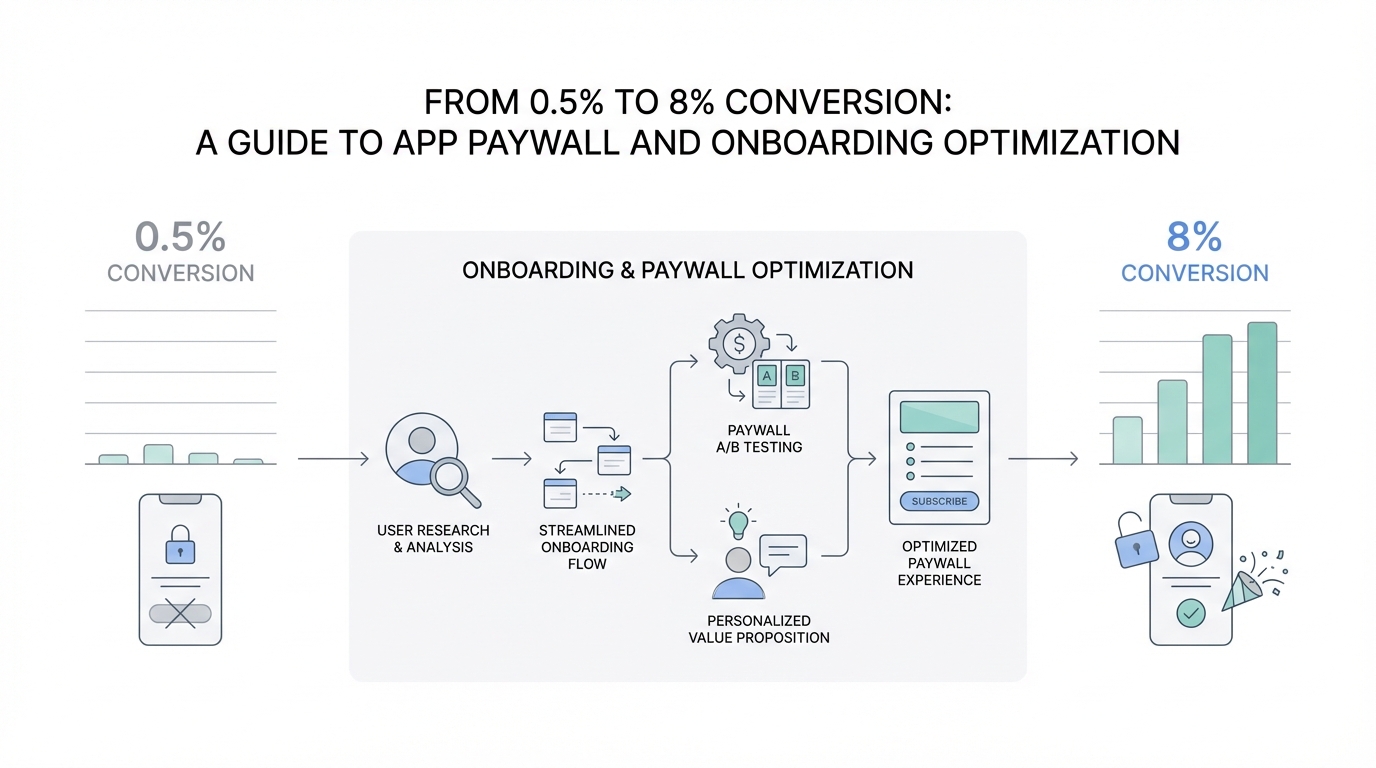
In the hyper-competitive mobile landscape, the difference between a struggling side project and a $30,000-per-month business often comes down to a few percentage points at the bottom of the funnel. Most developers obsess over user acquisition, yet they allow their hard-earned traffic to bleed out through a leaky onboarding flow. Imagine a scenario where your app is downloaded five million times, but your conversion rate sits at a dismal 0.5%. For John Makavoy, the creator of the transit app Mumigo, this wasn't a hypothetical—it was the reality before he implemented a rigorous mobile app A/B testing strategy that skyrocketed his conversion rate to 8%.
The Great Pivot: Moving from Banner Ads to Subscriptions
For years, the default for independent developers was to monetize via banner ads. It felt like "free" money—users got the app for free, and developers earned a few cents per click. However, as the market matured, the limitations of this model became glaring. When the global pandemic hit in 2020, ad revenue for transit-related apps plummeted overnight. This forced a fundamental shift toward subscription app monetization, a model that provides more predictable, recurring revenue and aligns the developer's incentives with the user's long-term value.
Transitioning to a subscription model requires a different mindset. You are no longer selling eyeballs to advertisers; you are selling premium value to your power users. This shift often involves rebuilding the app's core architecture to support premium features that justify a recurring fee. Tools like RevenueCat have become essential for managing these complex subscription lifecycles across platforms. By moving to subscriptions, developers can reinvest higher margins back into growth, often leveraging platforms like Stormy AI, which is an AI-powered search engine that helps you find niche influencers for mobile app marketing and UGC campaigns by simply typing a natural-language prompt.
Structuring a High-Converting Onboarding Flow

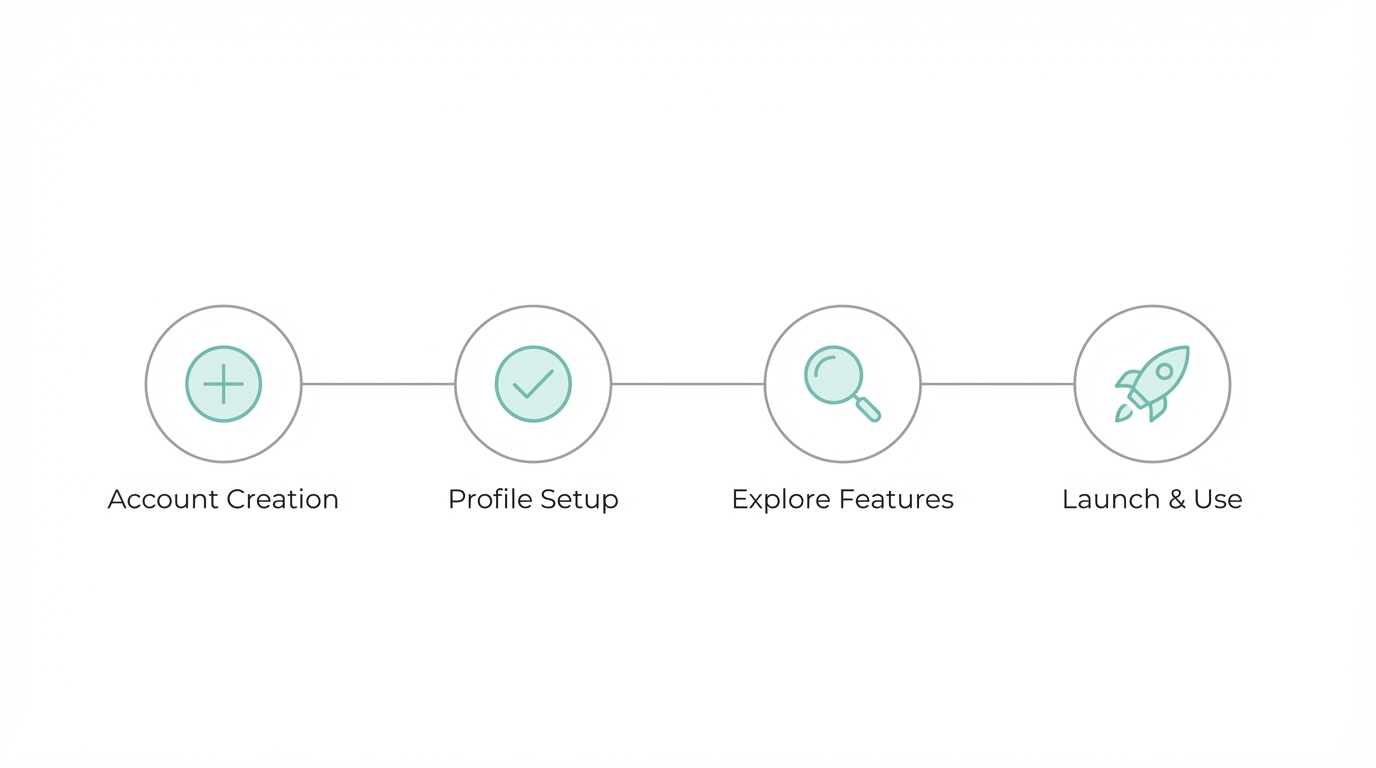
The first 30 seconds of an app experience are the most critical. If your app onboarding best practices are ignored, users will delete the app before they ever see your paywall. For a utility app like Mumigo, the onboarding must be fast, purposeful, and value-oriented. You aren't just teaching the user how to use the buttons; you are selling them on the transformation the app provides.
Key elements of a high-converting onboarding flow include:
- Permission Priming: Don't just trigger the system's location or notification pop-up. Explain why the app needs it first. For example, "We need your location to show you the nearest bus stop in real-time."
- Social Proof: Use phrases like "Join millions of users saving time daily" to build immediate trust. High-quality UGC content from real users can be incredibly effective here to show the app in action.
- The Value Stack: Briefly highlight the pro features that solve the user's immediate pain points. If they are at a bus stop in the rain, they care about live tracking, not your app's "about" page.
Many brands now utilize Stormy AI for creator vetting and analysis, allowing them to paste any creator profile URL and get an AI-powered quality report to ensure their UGC creators have genuine audiences before onboarding them. When users see a real person explaining the benefits, the app conversion rate tends to see a significant lift.
The 'Reverse Trial' Strategy: A Secret Weapon for Growth
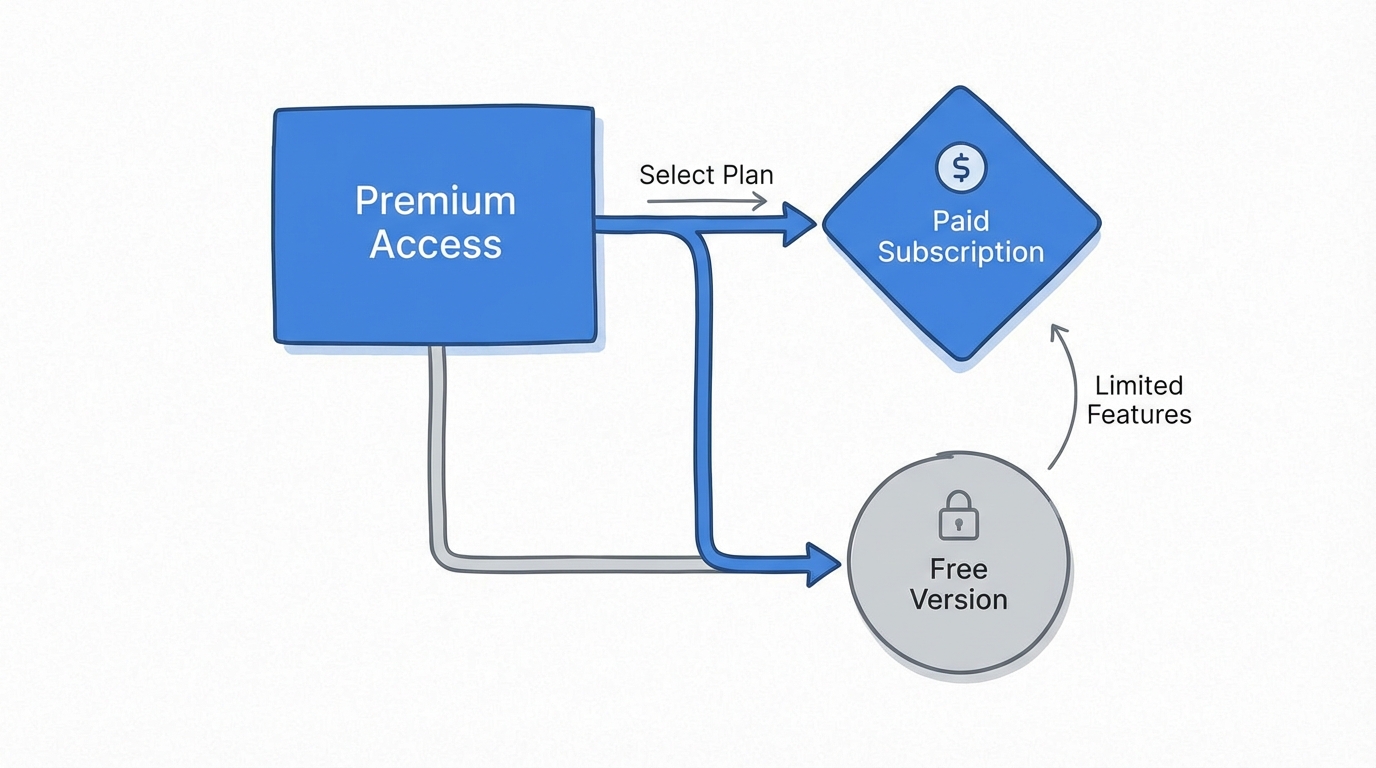
One of the most profound "unlocks" in mobile monetization is the Reverse Trial. Traditionally, a paywall offers two paths: pay now or use the limited free version. If a user clicks the "X" to close the paywall, they are typically dumped into the free experience, and the monetization opportunity is paused. The Reverse Trial flips this on its head.
In a Reverse Trial, when a user attempts to close the paywall, the app presents a special offer: "Enjoy one week of Pro on us—no commitment required." This grants the user full access to premium features immediately without requiring a credit card or a formal trial sign-up via the App Store. By the time the week is up, the user has integrated those premium features into their daily routine, making the eventual subscription feel like a necessity rather than a luxury. This strategy was a primary driver in moving Mumigo from a 0.5% conversion rate to 8%, as it virtually eliminated the friction of the initial "buy" decision.
A/B Testing Your Paywall: Design, Tiers, and Psychology
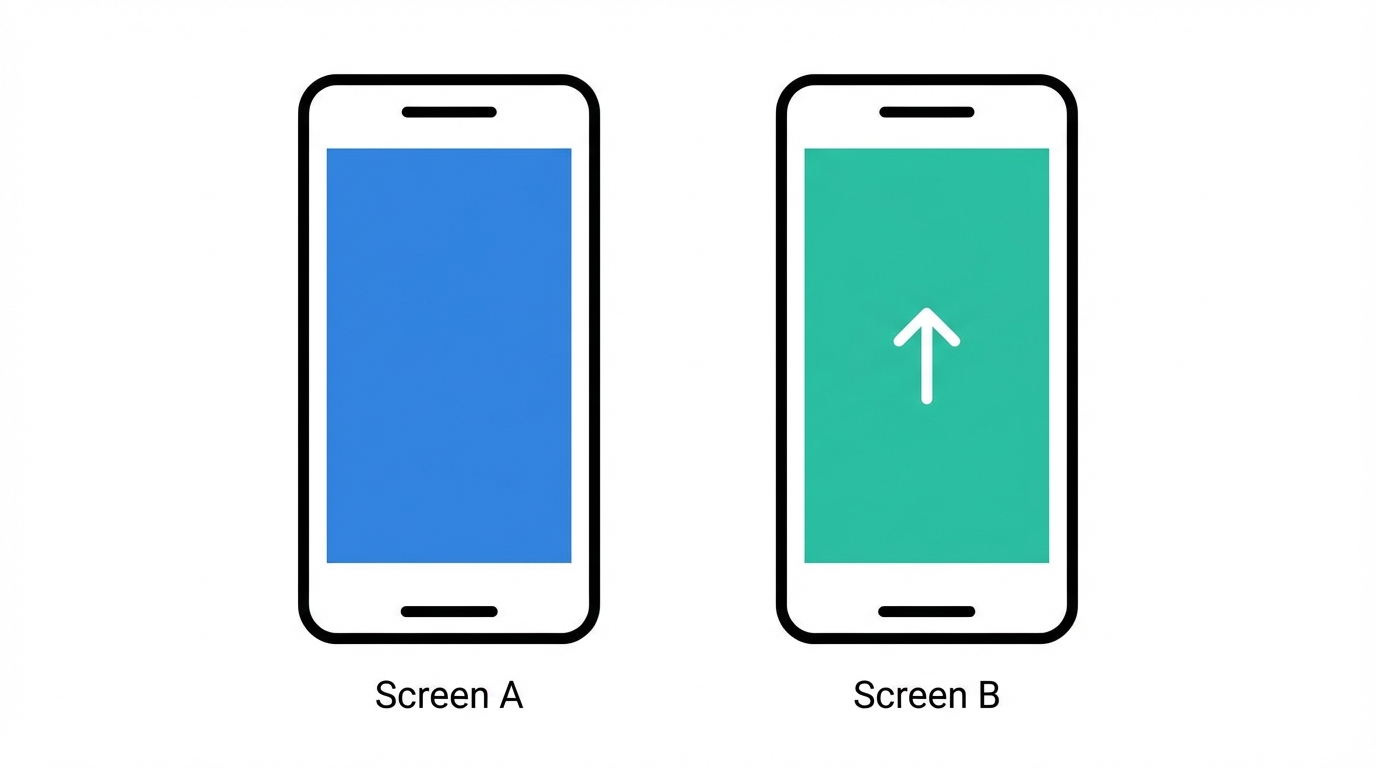
To truly increase app conversion rate, you must move beyond guesswork. Mobile app A/B testing allows you to test different pricing structures, button colors, and copy. A successful paywall typically offers a hierarchy of choices to cater to different user segments:
- The Yearly Plan: Usually the "best value" and the primary goal for the developer. Include a 7-day free trial to reduce the perceived risk.
- The Weekly Plan: Perfect for low-commitment users or those who only need the app for a specific trip or event.
- The Lifetime Plan: A high-ticket option for users who hate recurring subscriptions. This can provide a significant cash flow injection.
When designing these screens, focus on clarity. Tools like Adobe Creative Suite and Lottie animations can make the paywall feel premium. Testing the visual weight of these buttons—making the yearly plan the most prominent—can have a massive impact on the average revenue per user (ARPU). For advanced analytics on which keywords drive the most profitable users to these paywalls, platforms like AppFigures are invaluable.
Moving Beyond Vanity Metrics to Event-Based Analytics
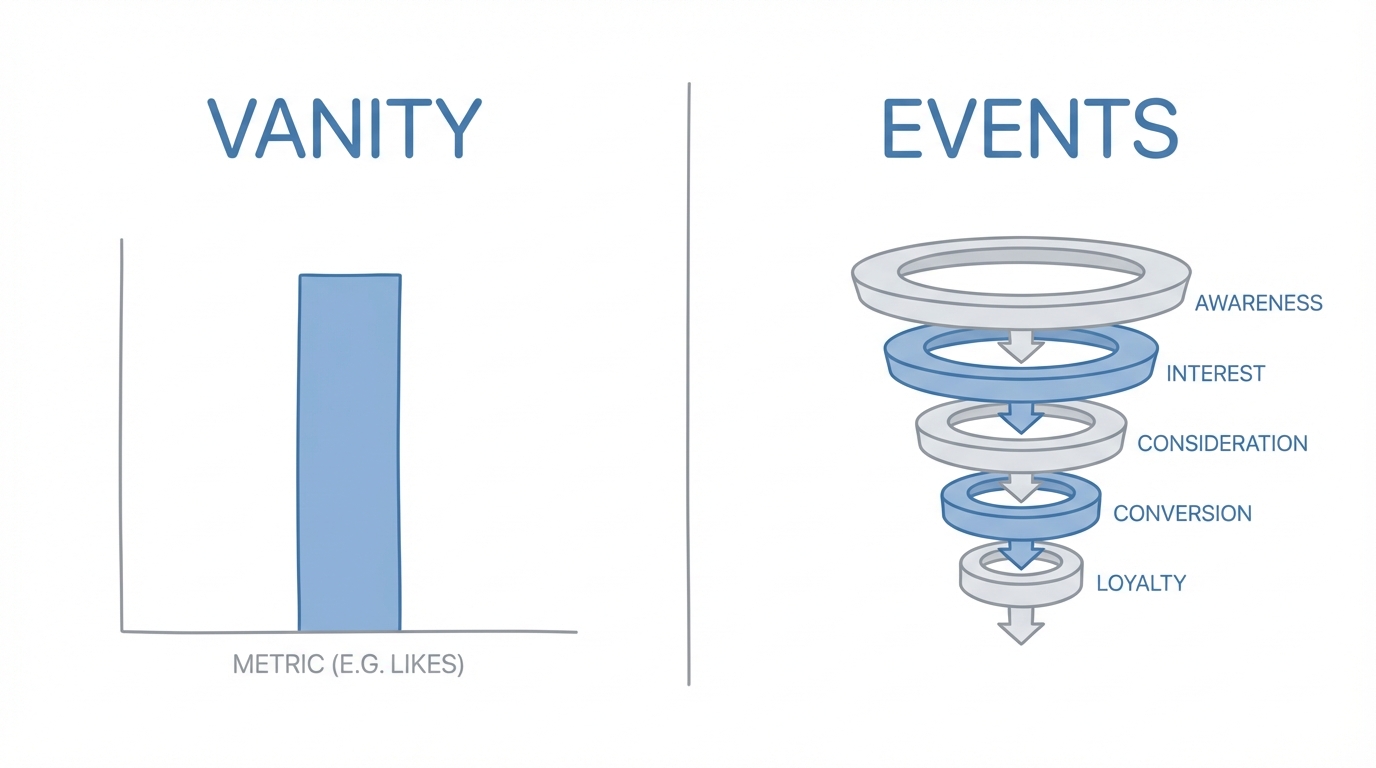
Many developers fall into the trap of tracking Monthly Active Users (MAU) as their primary KPI. While MAU is great for the ego, it tells you very little about the health of your business. To drive real growth, you must shift to event-based analytics. This involves tracking specific actions within the app, such as "User clicked live map," "User viewed paywall," or "User initiated trial."
Using a tool like Mixpanel allows you to build funnels that pinpoint exactly where users are dropping off. If you notice a 90% drop-off between the onboarding and the paywall, you know exactly where to focus your next A/B test. Furthermore, combining these insights with data from Apple Search Ads helps you understand which acquisition channels bring in users who actually convert, rather than just users who download and disappear.
App Store Optimization (ASO): The Top-of-Funnel Fuel
Optimization at the bottom of the funnel is useless if no one is entering at the top. App Store Optimization is the "free" way to drive millions of downloads, but it requires patience and hyper-localization. For instance, a transit app shouldn't just target "bus tracker." It should target "NYC Subway," "Chicago CTA," and "London Tube." Each city has its own terminology, and your metadata should reflect that.
Step 1: Location-Specific Keywords. Research the exact terms locals use and include them in your title and subtitle.
Step 2: Localization Hacks. Did you know that adding keywords to the Mexican Spanish localization can help you rank for those terms in the US App Store?
Step 3: The Rating Loop. Prompt for ratings during "magic moments"—like when a user successfully tracks a bus in real-time. A high volume of fresh ratings tells Apple's algorithm that your app is relevant, pushing you toward the #1 spot.
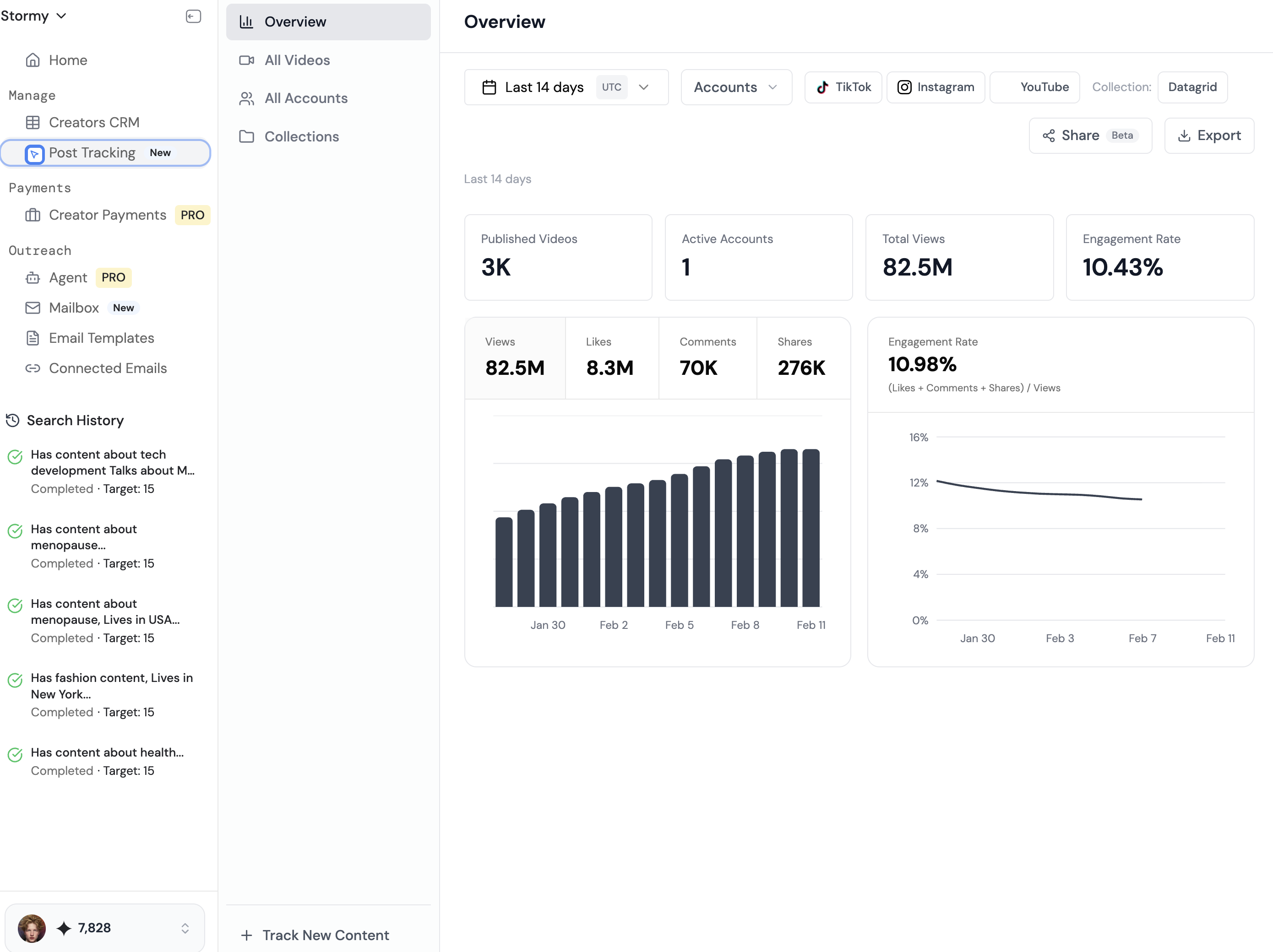
To complement ASO, many successful apps use UGC for mobile app marketing to drive paid traffic. By using Stormy AI's automated outreach agents, you can discover, contact, and follow up with creators on a daily schedule to generate high-converting video assets that lower your Cost Per Install (CPI) and feed more users into your optimized onboarding flow.
Conclusion: The Playbook for 16x Growth
Reaching a $30,000 MRR as a solo developer is not a matter of luck; it is a result of moving from a passive "build it and they will come" mentality to an aggressive, data-driven optimization strategy. By pivoting to subscriptions, refining your app onboarding best practices, and implementing a reverse trial, you can turn a trickle of revenue into a flood. App paywall optimization is an iterative process—start with one A/B test today, trust your event-based analytics, and don't be afraid to give users a taste of the pro experience for free. The path from 0.5% to 8% is paved with data, not assumptions. If you're ready to scale your user acquisition alongside your conversion improvements, consider how AI-powered tools like Stormy AI can help you track post-campaign performance and manage all your creator relationships in a centralized CRM.