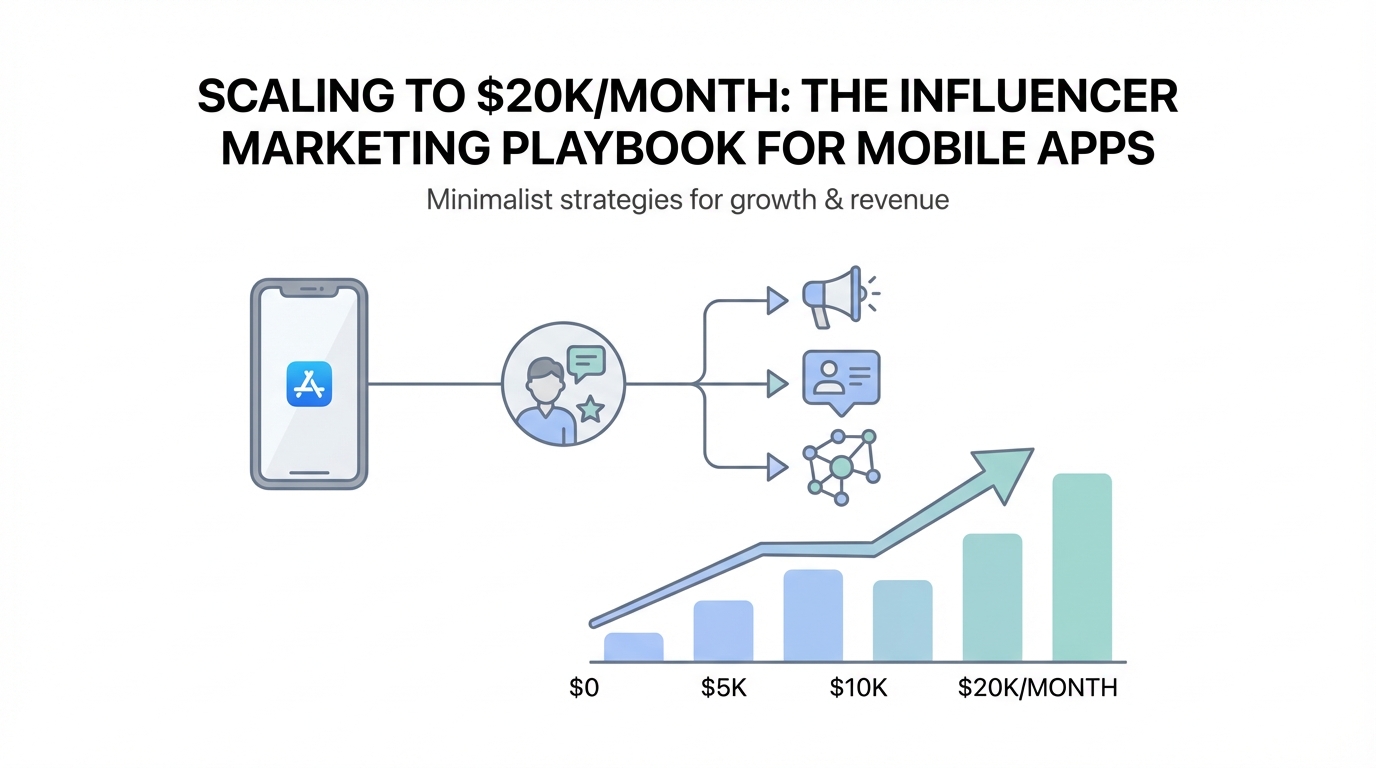
In the modern mobile economy, the barrier between an idea and a $20,000-per-month revenue stream has never been thinner. We are living in the era of 'vibe coding,' where developers like 23-year-old Connor can leverage Claude to build functional, high-revenue apps in less than two weeks. However, building the app is only half the battle. The real differentiator between a failed project and a winner of the RevenueCat Ship-a-thon is a sophisticated mobile app distribution strategy. This article breaks down the exact playbook used to scale the 'Payout' app from zero to $20,000 in monthly recurring revenue (MRR) in just 50 days, focusing heavily on app influencer marketing and the power of user-generated content.
The Shift from Waitlists to Immediate Builds
For years, the standard advice for app founders was to build a landing page, collect emails on a waitlist, and 'validate' the idea before writing a single line of code. In the current landscape, that advice is becoming obsolete. With AI tools allowing for rapid development, the new mobile app distribution strategy focuses on building and shipping immediately. If you can build a version 1.0 in 14 days, the market itself becomes your validation tool.
Connor’s approach with Payout—an app that helps users discover and claim class-action lawsuit settlements—was to skip the waitlist and move straight to UGC for apps as a discovery mechanism. By using Figma to map out successful competitor onboardings and then deploying code via Expo, developers can now focus their energy where it matters most: app influencer marketing. When you ship fast, your distribution planning must happen concurrently with development, not as an afterthought.
Influencer Sourcing: Finding High-Intent Niche Creators

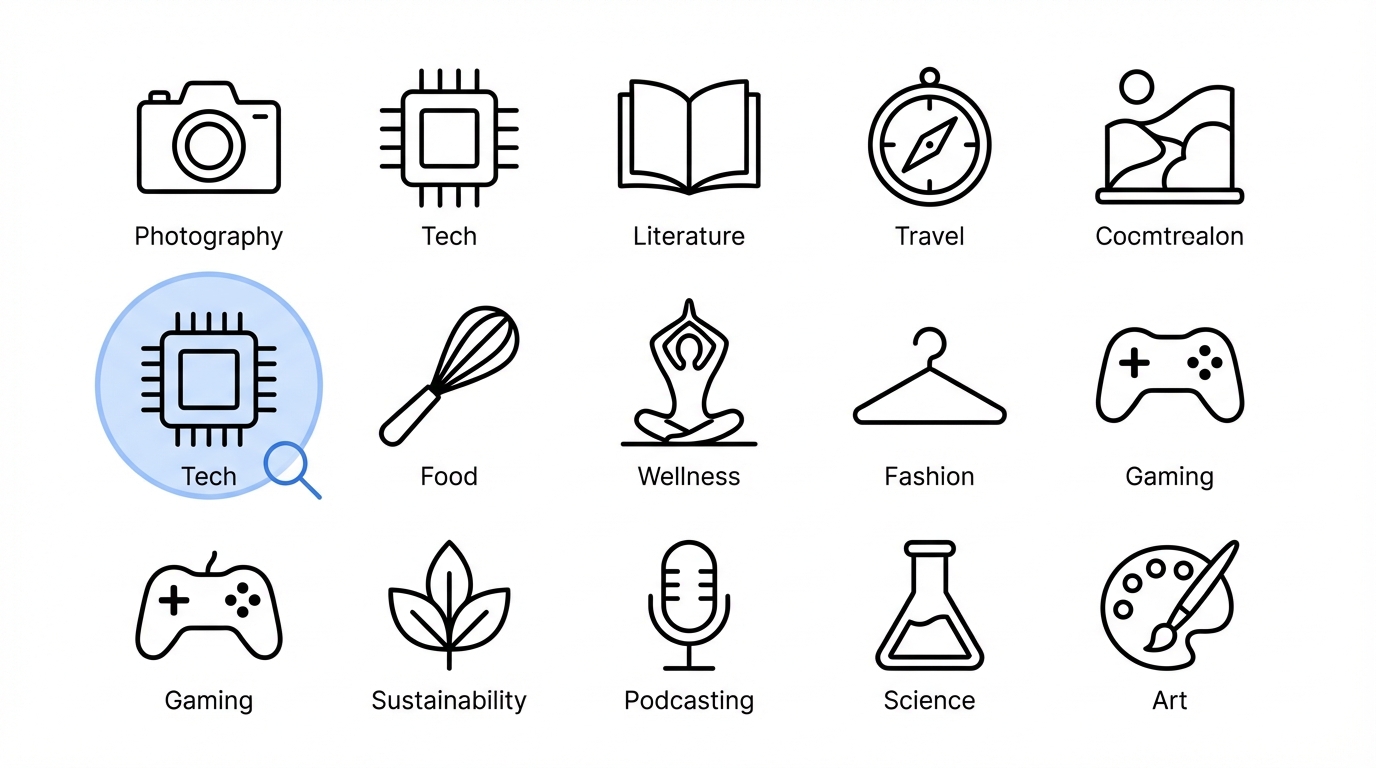
To drive influencer marketing ROI, you cannot simply blast your app to generic 'lifestyle' creators. You need creators whose audience already feels the pain point your app solves. For Payout, this meant finding influencers in the personal finance, fintech, and 'side hustle' niches. These creators already have an audience looking for ways to make or save money, making the 'Payout' value proposition an easy sell.
Finding these creators manually is a grind. Smart marketers use Stormy AI, an AI-powered search engine that scans TikTok, YouTube, and Instagram, to identify creators who specifically produce high-performing UGC for apps. The goal is to find creators who don't just have high follower counts, but who have high engagement in the specific sub-niches—like legal tech or consumer rights—that align with your app's core utility. When a creator in the finance niche tells their audience they might be owed money from a settlement, the app influencer marketing conversion rate skyrockets because the trust is already established.
The 'Organic-to-Paid' Pipeline: Testing Content for Scale
The biggest mistake app marketers make is jumping straight into Meta Ads Manager with high-production, expensive creative. Instead, the 'Connor Playbook' suggests an organic-first approach to how to market an app on TikTok. By partnering with influencers to post organic videos first, you create a low-risk testing environment for your creative messaging.
Step 1: The Organic Test
Send your app to 5-10 niche influencers and have them create 'unprocessed' content. To manage this efficiently, you can use Stormy AI to send hyper-personalized outreach emails to creators and automatically handle follow-ups while you focus on product development. This 'unprocessed' content means no fancy lighting, no scripted professional voiceovers—just a creator talking to their phone about how they used the app. Monitor which videos drive the most engagement and, more importantly, the most downloads.
Step 2: Harvesting UGC for Paid Ads
Once an organic video 'hits' and starts to trend, that is your signal to scale. You take that exact video and run it as a 'Spark Ad' on TikTok or a Reel ad via Meta Ads. Because you already know the content resonates organically, your influencer marketing ROI is much more predictable. This creates a library of high-performing assets that feel native to the platform, lowering your Cost Per Install (CPI).
Relatable Content: Why 'Unprocessed' Beats Professional
In the world of UGC for apps, high production value is often a curse. Modern social media users have developed 'ad blindness' to anything that looks like a traditional commercial. When learning how to market an app on TikTok, the goal is to make the ad look like a regular post from a friend. Relatable, unprocessed content wins because it feels authentic.
For the Payout app, the most successful content involved creators simply showing their phone screen, walking through the onboarding, and showing a real settlement claim form. There were no studio lights—just a person in their living room. This 'native' feel is what drives viral growth. When users see a creator they trust using a tool that looks simple and effective, the friction to download disappears. To find and vet creators capable of this specific style, many brands use Stormy AI to instantly check for fake followers and engagement fraud, ensuring their budget goes to creators with real, authentic audiences.
Onboarding: The Secret Weapon of Distribution
Connor emphasizes that 90% of your users will only ever see your onboarding. Therefore, your onboarding flow is actually part of your marketing and mobile app distribution strategy. If your influencer marketing brings a user to the App Store, but the onboarding is dull, your ROI will be zero. Connor recommends a 'scientific' and 'emotional' onboarding process:
- Invoke Emotion: Use language that targets the user's pain point immediately. For Payout, it was the excitement of 'missing money.'
- Show Incentives: Clearly state what the user gains within the first three screens.
- Personalization: Ask questions that make the app feel tailored to the user’s specific situation.
- Scientific Proof: Use charts and graphs to make the solution feel validated. Connor often uses Mixpanel to track where users drop off in this flow to constantly optimize for conversion.
By using RevenueCat for subscription analytics, you can see exactly which app influencer marketing campaign led to the highest yearly subscription renewals, allowing you to double down on the creators driving the highest Lifetime Value (LTV). While legacy tools like impact.com or Tagger have been around for years, they often feel outdated compared to modern, AI-first platforms designed for rapid scaling.
Tracking Success: Attribution and LTV
You cannot scale what you cannot measure. To achieve a high influencer marketing ROI, you need a robust tech stack. Successful developers use a combination of tools to ensure every dollar spent on UGC for apps is working. Tracking the journey from a TikTok click to a RevenueCat purchase is essential.
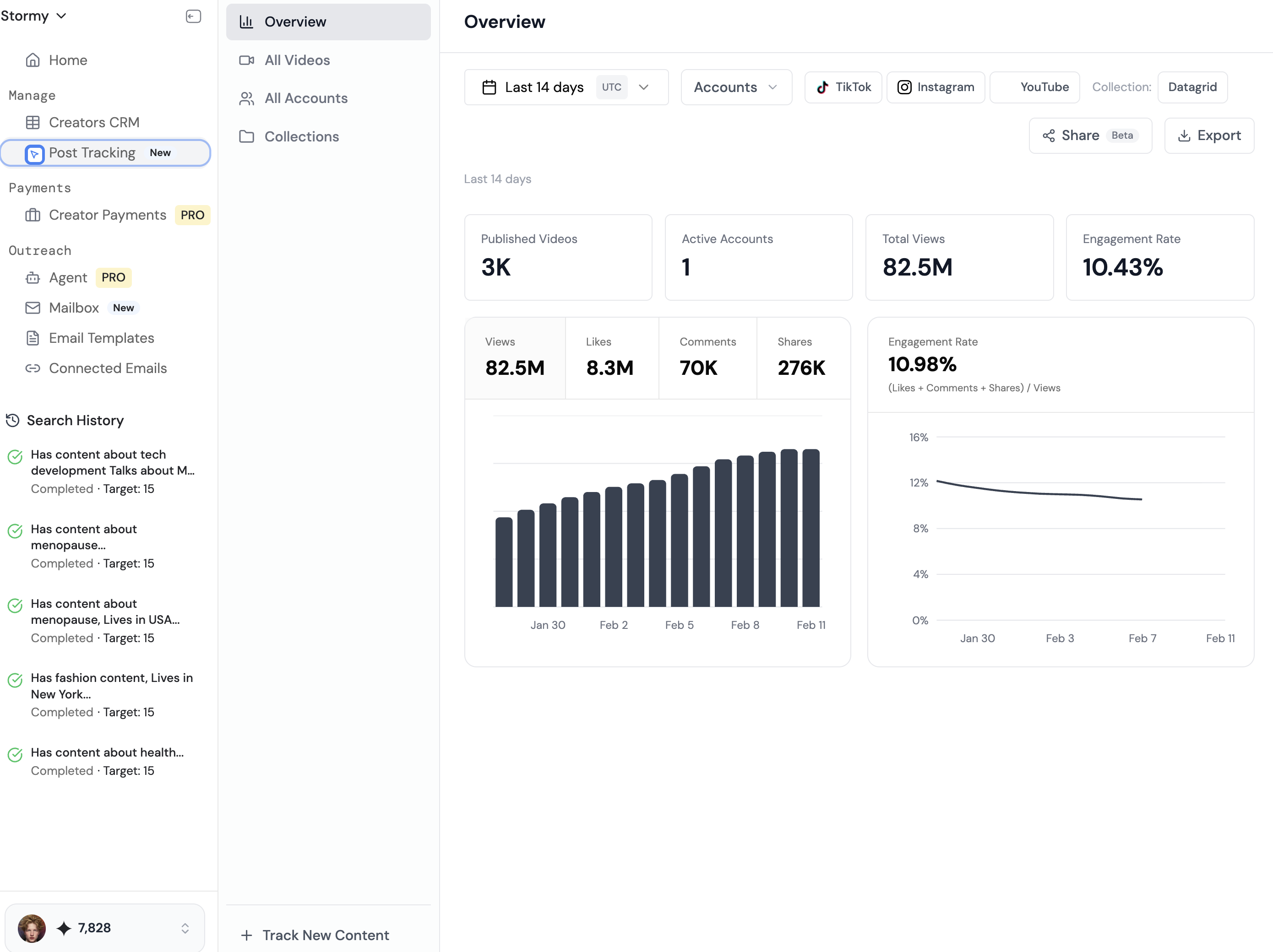
While Google Ads and Apple Search Ads provide some internal tracking, they often miss the nuance of influencer-driven traffic. This is where Stormy AI comes in, helping brands track individual videos and monitor likes and engagement in a dedicated analytics dashboard. Combining these insights with deep-funnel analytics from Mixpanel allows you to see if the users brought in by a specific influencer are actually engaging with the app’s core features or just bouncing after the paywall.
The $20K/Month Playbook Summary
Scaling a mobile app to $20,000 a month is no longer a multi-year endeavor for large dev shops. By following this mobile app distribution strategy, individual 'vibe coders' can achieve significant scale in weeks. The keys are: building fast with AI, sourcing niche creators through Stormy AI, focusing on raw and relatable UGC for apps, and treating your onboarding as a high-stakes sales funnel. Stop waiting for the 'perfect' idea and start shipping; the data from your first influencer campaign will tell you everything you need to know about your app's future.