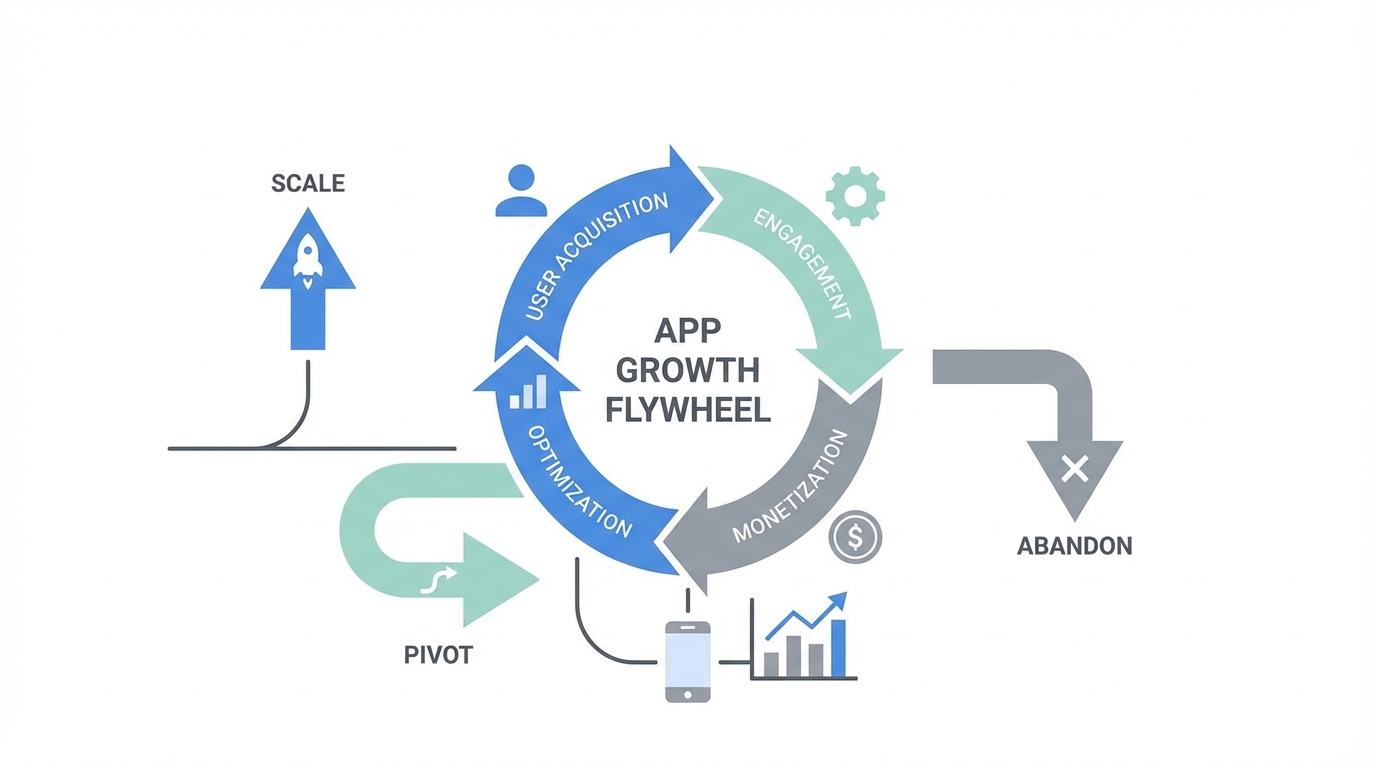
In the high-stakes world of mobile development, most creators fall into the same trap: they fall in love with a single idea and pour months, or even years, into its perfection. They treat their app like a fragile glass sculpture, polishing every pixel and refactoring every line of code while the market moves on. But what if the secret to a successful app marketing strategy wasn't about building one perfect product, but about building a portfolio of "tiny bets"? This approach, popularized by developers who ship dozens of apps a year, shifts the focus from emotional attachment to cold, hard data. By understanding when to double down on a winner and when to cut your losses, you can scale mobile app revenue without burning through your life savings or your sanity.
Decoding the 'App Store Boost': Analyzing Post-Launch Visibility

Every new app experiences what developers call the "App Store Boost." When you first hit the publish button, Apple and Google’s algorithms grant your app a temporary window of high visibility to test how users react to it. During this phase, your app store growth hacks and keyword selections are put to the ultimate test. It is common to see a surge in downloads in the first 72 hours, followed by a steady decline. The mistake most developers make is panicking during this dip. In reality, the dip is where the real data begins. You need to analyze the organic floor—the level at which your downloads stabilize once the initial honeymoon phase ends.
To maximize this boost, your pre-launch phase must be focused on high-intent keywords. Using tools like Astro allows you to identify keywords with a popularity score of at least 20% and a difficulty score around 60-70%. If your app is built around a keyword with low difficulty but high intent, such as "wood identification" or "physics AI," you are more likely to see a sustainable organic floor. If your downloads drop to zero after the boost, the market is telling you that either your keyword targeting is off or the core utility of the app doesn't resonate with the users who found it.
The 'Sink or Float' Test: Identifying Organic Retention Markers

Once the initial noise of the launch settles, you need to apply the "Sink or Float" test. This is the stage where you decide if an app is worth your continued time. In a portfolio of 28 apps, it is common to see the 80/20 rule in full effect: approximately 20% of your projects will generate 80% of your revenue. Platforms like Stormy AI, an AI-powered search engine for discovering creators across TikTok, Instagram, and YouTube, are often used by developers at this stage to find UGC creators who can create authentic content for the "floaters"—those apps that show steady organic traction without constant intervention.
To identify a "floater," look for organic retention markers. Are users coming back on Day 7 or Day 30? If your retention curve is a flat line above zero, you have a scalable winner. If the curve hits zero, the app has "sunk." For those that sink, the best move is often to move on to the next project rather than attempting to fix a fundamentally flawed concept. Success in this model comes from shipping fast and staying detached. By refusing to polish an app that isn't already showing signs of life, you preserve your most valuable resource: your time.
Tracking the Only Metrics That Matter for Micro-Apps
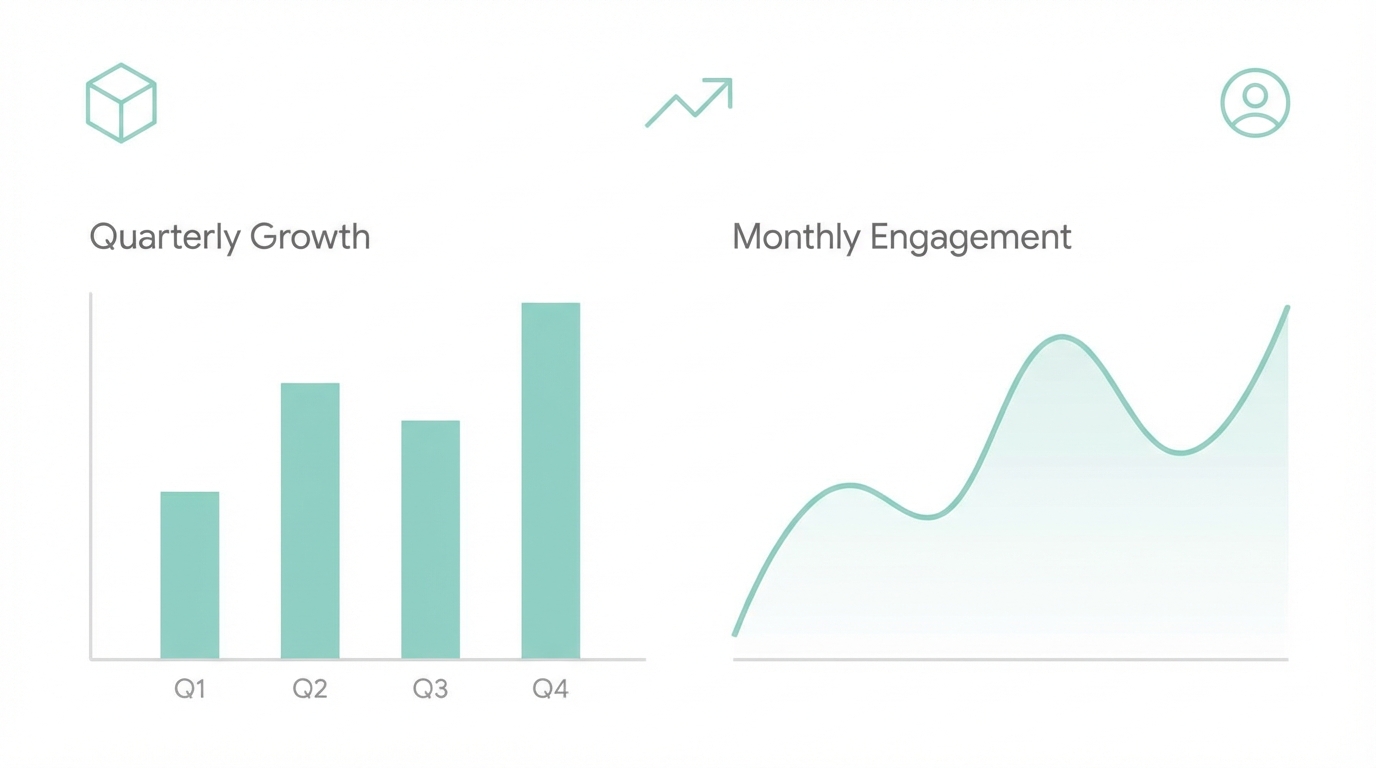
For micro-apps and independent developers, app analytics for growth shouldn't be over-engineered. You don't need a massive data science team to understand your performance. The goal is to track the essential events that signal monetization potential. Using Firebase as a backend provides a robust, often free-tier solution for tracking user authentication and basic event triggers. When combined with Mixpanel, you can visualize user flows and identify where people are dropping off before hitting your paywall.
Focus on these key metrics:
- Paywall View-to-Conversion Rate: If users see your price but don't buy, your value proposition or pricing is the problem.
- Core Feature Usage: If you built a "Tree Identifier" app, how many people actually upload a photo? This confirms the utility.
- Revenue Per User: Analyze if your subscribers are worth more than your acquisition cost.
Scaling with Precision: Transitioning to Paid Acquisition
When an app proves it can "float" through organic traffic, it's time to introduce paid ads. This is where you move from app store growth hacks to a formal growth engine. You should only start spending money on Google Ads or Meta Ads Manager once you have a proven conversion rate on your paywall. Buying traffic for a leaky bucket is the fastest way to go bankrupt.
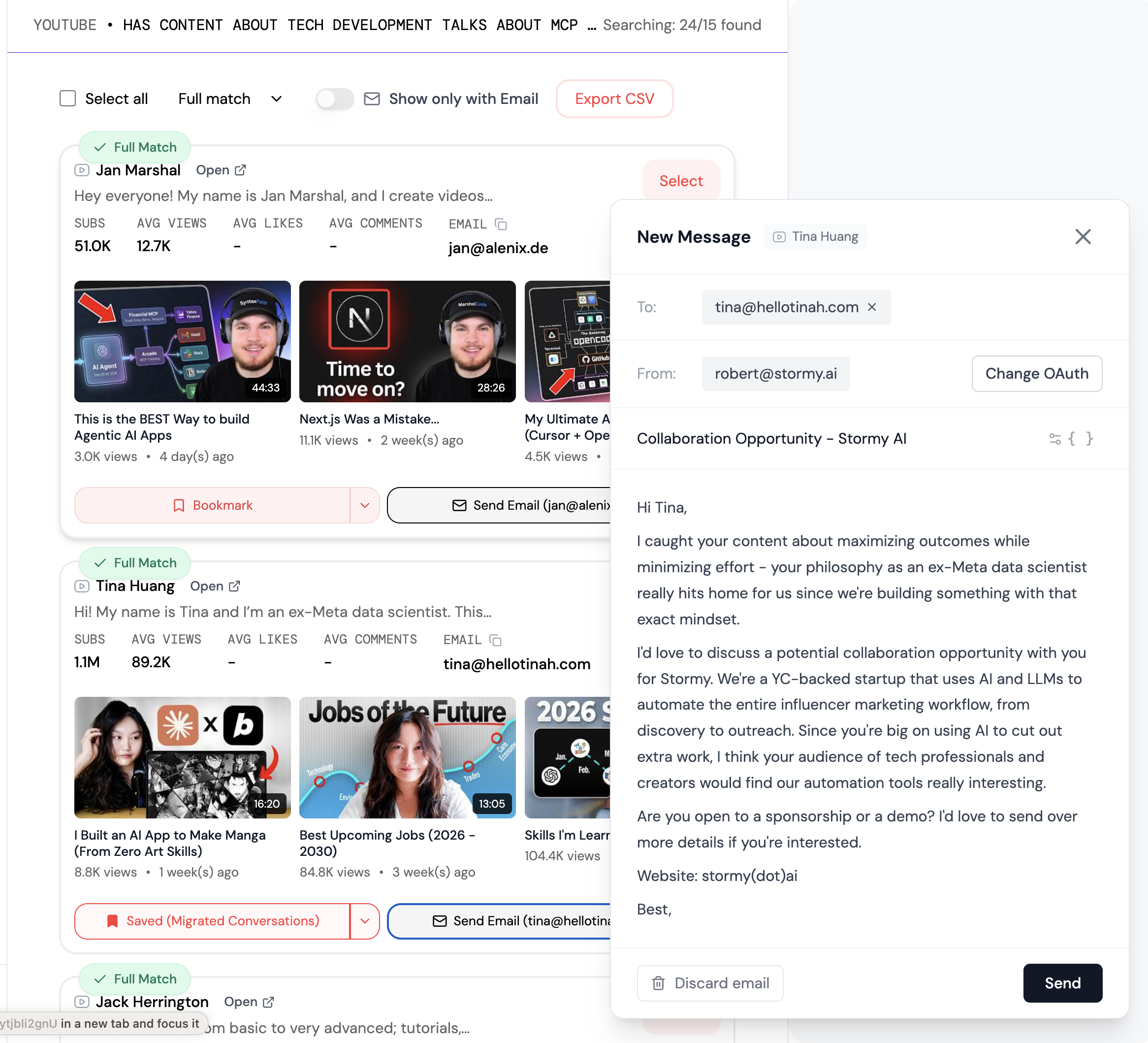
To scale effectively, consider using UGC (User-Generated Content) for your ad creatives. Mobile app users are increasingly blind to polished, corporate-style ads. They want to see real people using the app in real-world scenarios. This is where Stormy AI for creator vetting becomes invaluable, allowing app developers to analyze any creator profile to detect fake followers and analyze audience demographics. When you find a winning creative, use Stormy AI to discover similar creators who can produce high-converting UGC for app install campaigns. Double down on your spend until your Return on Ad Spend (ROAS) begins to dip below your target threshold. This systematic approach ensures that every dollar spent on ads is backed by existing organic stability.
The 'Maintenance Mode' Philosophy: Managing an Empire on a Budget
How do you manage 28 or more apps without losing your mind? By adopting a "Maintenance Mode" philosophy. Once an app is launched and stabilized, it should require almost zero active development. This keeps your operating costs incredibly low. A successful portfolio of apps can generate $10,000 in monthly revenue while costing less than $300 per month to run. This includes costs for AI tools like OpenAI for content generation and Anthropic (Claude) for code assistance.
By using a cross-platform framework like Flutter, you can maintain a single codebase for both iOS and Android, drastically reducing the time required for bug fixes. If an app is making $1,500 a month but requires 40 hours of maintenance, it's a job. If it makes $500 a month but requires zero hours, it's an asset. Your goal as an app entrepreneur is to collect as many low-maintenance assets as possible.
The 6-Step Playbook: From Idea to Scalable Asset
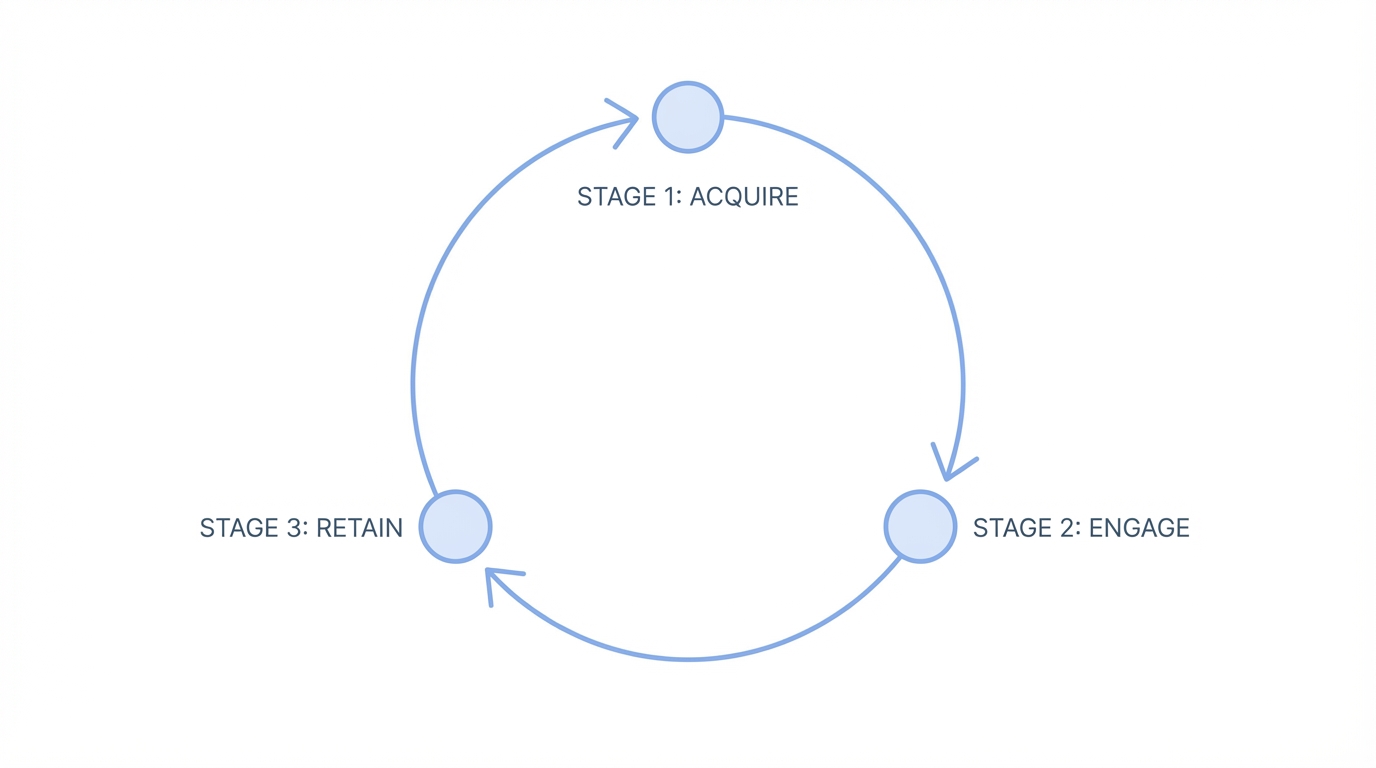
If you were to start over today, here is the exact app marketing strategy to follow for rapid growth and portfolio management:
Step 1: Keyword-First Research
Don't build based on a "cool idea." Build based on what people are already searching for. Use FoxData to find keywords where the top competitors are making at least $100-$200 per month. If there is no money in the top apps, there is no money for you.
Step 2: Define the Core Feature
Strip your app down to the absolute MVP (Minimum Viable Product). Study your competitors and identify the single core feature that solves the user's problem better than anyone else. Don't add "nice-to-have" features like social sharing or dark mode unless they are essential to the utility.
Step 3: Rapid AI-Assisted Development
Use AI tools to generate your development roadmap and UI structures. Instead of building every screen from scratch, reuse components like settings screens, onboarding flows, and paywalls from your previous projects. Aim to ship your first version in days, not months.
Step 4: The Clean Launch
Submit your app with optimized metadata and high-quality screenshots generated in Figma. Focus on App Store Optimization (ASO) by naturally incorporating your target keywords into the title and subtitle. Once it's live, move on to the next build immediately.
Step 5: Monitor the Float
Wait for the App Store Boost to fade. Analyze your Firebase and Mixpanel data. If the app maintains a steady stream of downloads and some revenue, it's a "floater." If it dies, let it die.
Step 6: Scale the Winners
For your top-performing apps (the top 20%), return to them to polish the UI, fix bugs, and add paid advertising. Use Stormy AI to find creators for UGC ads and manage your outreach via an AI-powered agent to lower your cost per install and drive your revenue to the next level. While legacy platforms like Tagger or Julius may offer basic databases, Stormy AI provides a modern AI CRM to track every interaction, negotiation, and payment in one place.
Conclusion: Why You Must Build the Shipping Muscle
The landscape of software development has shifted. In an era where AI can help anyone build an app, the competitive advantage belongs to those who can ship and iterate faster than the rest. Success is no longer about the "one big idea"; it is about the system you use to test many ideas. By mastering app analytics for growth and staying disciplined about your resource allocation, you can build a diversified revenue stream that doesn't depend on a single hit.
Stop over-polishing and start shipping. Every app you launch is a data point. The more data points you collect, the closer you get to your first $10,000 month. Whether you are an independent developer or a mobile app marketer, the strategy remains the same: find the keywords, build the utility, and let the market tell you when it's time to scale.