In the high-stakes landscape of 2026, the delta between a 'successful' startup and a generational powerhouse is no longer measured solely by ARR or user acquisition. We have entered the era of Anthropic-level valuations, where brand authority, regulatory moats, and the strategic positioning of intellectual property (IP) dictate the winners of the global market. While the previous cycles focused on the raw utility of LLMs, 2026 is about the surgical extraction of value from sectors that are complex, unsexy, or even distressed.
Founders today must navigate a market where capital flows are shifting rapidly. The old playbook of 'growth at all costs' has been replaced by a more nuanced brand valuation strategy that looks at long-term resilience. Whether you are building in AI, biotech, or clean energy, understanding how to leverage the 'Regulatory Play' and conduct 'Brand Audits' of neglected assets is the only way to achieve 10x or 30x exits in this environment. As we analyze the shifts of this year, it becomes clear that the best market distribution strategy is often built when others are looking the other way.
The Anthropic Blueprint: Finding Value in the Rubble
The story of Anthropic's valuation surge—specifically through the lens of the FTX bankruptcy—remains the ultimate masterclass in identifying hidden value. When FTX collapsed, most investors saw a toxic asset. However, savvy operators who read the bankruptcy filings realized that the $500 million investment FTX made in Anthropic was the crown jewel. At the time, claims against FTX were trading for as little as 22 cents on the dollar.
By 2026, we've seen this play out to its logical conclusion: the Anthropic stake wasn't just a line item; it was a bet on a core infrastructure layer of the AI economy. Founders can learn from this by looking at their own 'hidden' assets. Is your value in your code, or is it in your regulatory positioning and brand authority? In many cases, the market misprices companies because it smells 'distress' or 'complexity' (the proverbial 'smell of urine' in the investment world) without looking at the underlying IP value.
The 'Regulatory Play': NJOY and the Art of the Moat
 14:42
14:42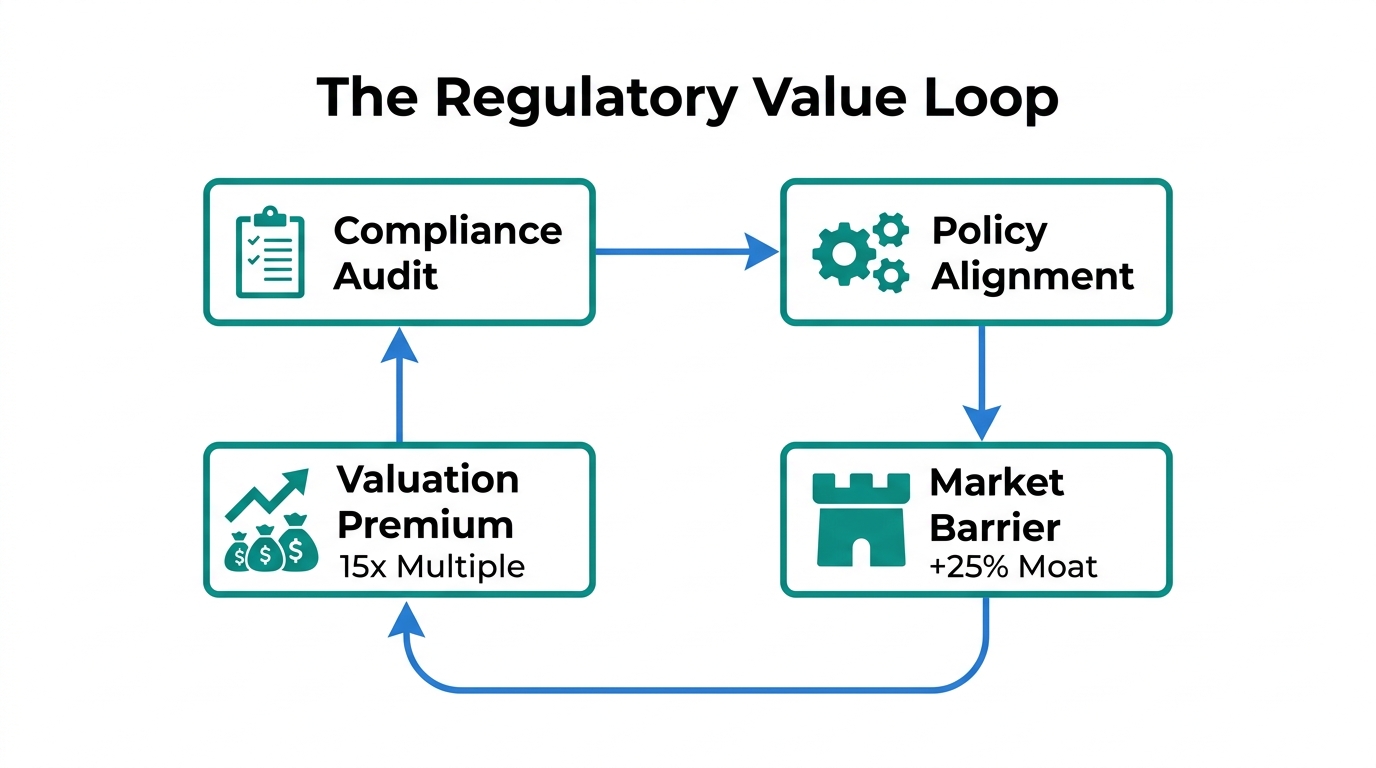
One of the most profound strategies for achieving a 30x return is the Regulatory Play. Consider the case of NJOY. In the mid-2010s, the vaping industry was a chaotic 'Wild West.' Most players were marketing to youth or ignoring safety standards. NJOY, however, took the hard path: chasing FDA approval and positioning itself as the 'least bad actor' in the space. They focused on smoking cessation for adults rather than chasing the bubblegum-flavored trends of the moment.
Despite near-death experiences and massive market downturns, NJOY's commitment to regulatory compliance eventually led to a $2.2 billion acquisition by Altria. This wasn't a win for the best 'product'—it was a win for the best regulatory strategy. In 2026, AI companies are facing similar hurdles. Those that work with regulators and build transparent, 'safe' brand authorities are the ones seeing the massive multiple expansion.
"Regulatory hurdles aren't barriers to entry; they are the foundation of your future moat. If it's easy to build, it's easy to replace."
Today, founders in the AI space are using advanced influencer marketing platforms to identify and partner with creators who can articulate these complex regulatory and ethical stories. By leveraging Google Ads for high-intent search and pairing it with a high-authority brand voice, you create a perception of stability that attracts premium valuations.
Conducting a 'Brand Audit' of Distressed Assets
16:35To find 'Anthropic-level' opportunities, you must look where others see failure. A 2026 brand audit involves looking at distressed companies—those that are technically bankrupt or in a sharp decline—and identifying which parts of their 'brand stack' are still viable. Often, a company has strong relationships with small and medium-sized businesses (SMBs) but a failing delivery mechanism.
Take the example of 'Yellow Pages' (Dex Media). While the physical book was dying, the underlying relationships with thousands of local plumbers and electricians were gold. By transitioning from a directory to a CRM and calendaring software provider via Thryv, the company pivoted from a dying legacy brand to a modern SaaS platform. Founders should ask:
- Does this asset have a distribution network that is currently underutilized?
- Is there a 'regulatory ghost'—an approval or license—that is worth more than the current market cap?
- Can AI be layered over the existing data to create a 10x improvement in service?
| Asset Type | Historical View (2020) | Modern 2026 Valuation View |
|---|---|---|
| Regulatory Licenses | Cost center / Red tape | Strategic Moat / Exit Multiplier |
| Legacy SMB Data | Dated / Static | AI Training Goldmine |
| Distressed Debt | High Risk / Avoid | Discounted Path to Ownership |
| Niche Community | Small / Limitless | High-Authority Distribution |
Growth vs. Profitability: The 2026 Rebalancing
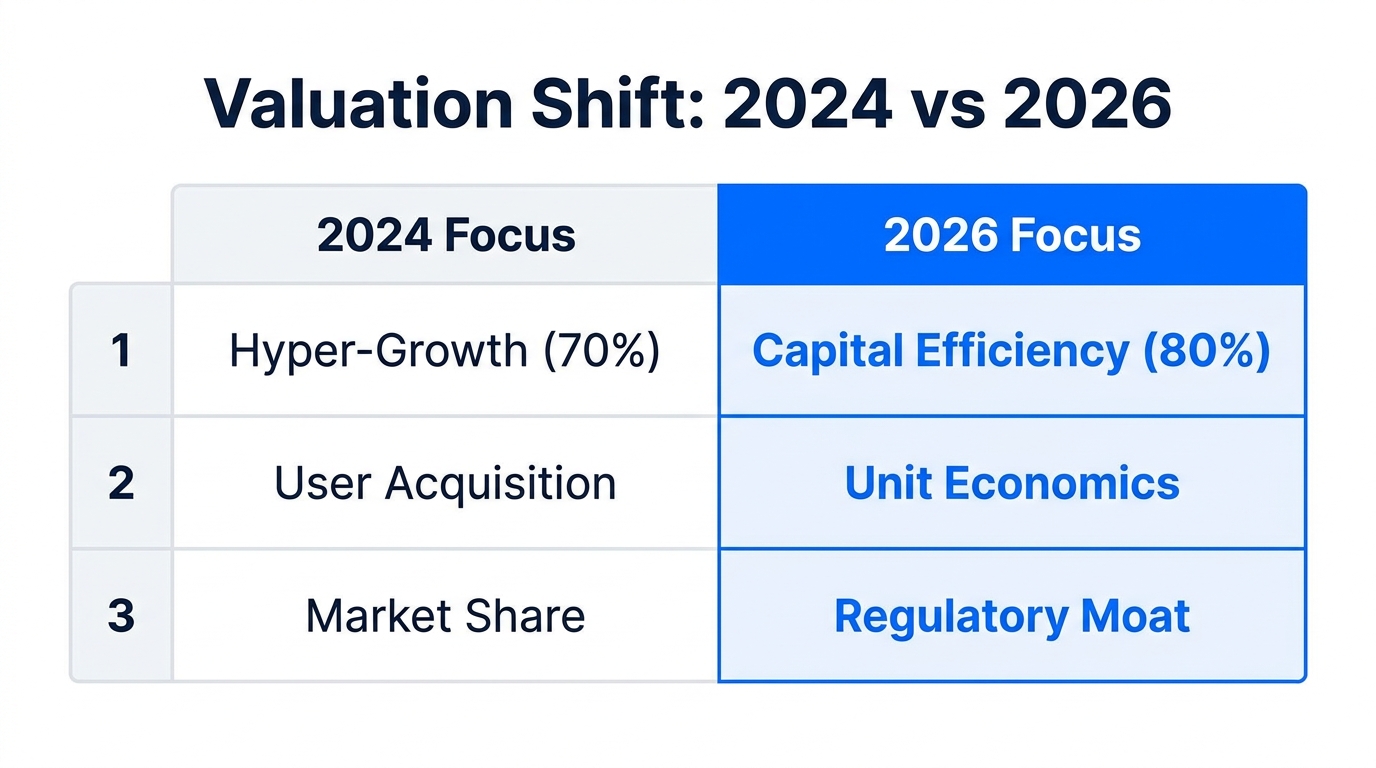
In 2026, the 'Growth vs. Profitability' debate has shifted toward Sustainable Authority. Investors are no longer funding $100M burn rates for companies with zero path to net income. However, they are still paying premiums for companies that dominate a specific niche and show 'Anthropic-level' brand authority. The goal is to prioritize extreme valuation only when you have secured the distribution advantage.
For example, using Shopify to handle e-commerce and Stripe for payments allows startups to stay lean on the back end while investing heavily in front-end AI-powered creator sourcing. This is where Stormy AI comes in—by automating the discovery and outreach to high-authority influencers, you can build a massive brand footprint without the massive headcount typically associated with marketing agencies.
"The most dangerous time for a founder is right after a win. You start believing your own press and lose the hunger for the 'unsexy' work that got you there."
The Founder’s Guide to Risk Aggressiveness
The best GTM strategies are built during market downturns. Why? Because the 'noise' is reduced. In 2026, as the US market faces potential multiple contraction, the founders who are 'risk aggressive' are those moving into non-US markets and diversifying their capital. If you want to be a 'baller' in this economy, you cannot be a 'picker' who only follows the trends. You must be a contrarian operator.
Step 1: Embrace the Unsexy
Look for industries where the top talent is avoiding the sector. If you are the smartest person in a room full of 'boring' tax lawyers or supply chain managers, your human capital has a much higher ROI than if you are the 1,000th AI engineer in San Francisco.
Step 2: Leverage AI Analytics for Prediction
Use AI to track sentiment analysis and creator trends across platforms like TikTok and YouTube. Modern AI search engines allow you to see which creators are actually driving conversations in emerging sectors before the 'mainstream' market catches on. This allows you to 'buy low' on brand authority.
Step 3: Stress-Test Your Brand
Perform the 'Sarbanes-Oxley' of brand marketing. If your primary acquisition channel (e.g., Meta Ads Manager) got cut in half tomorrow, would your brand authority survive? You must diversify your email marketing and creator relationships to ensure you aren't reliant on a single algorithm.
Predicting Which Emerging Brands Will Achieve 'Anthropic-level' Status
41:59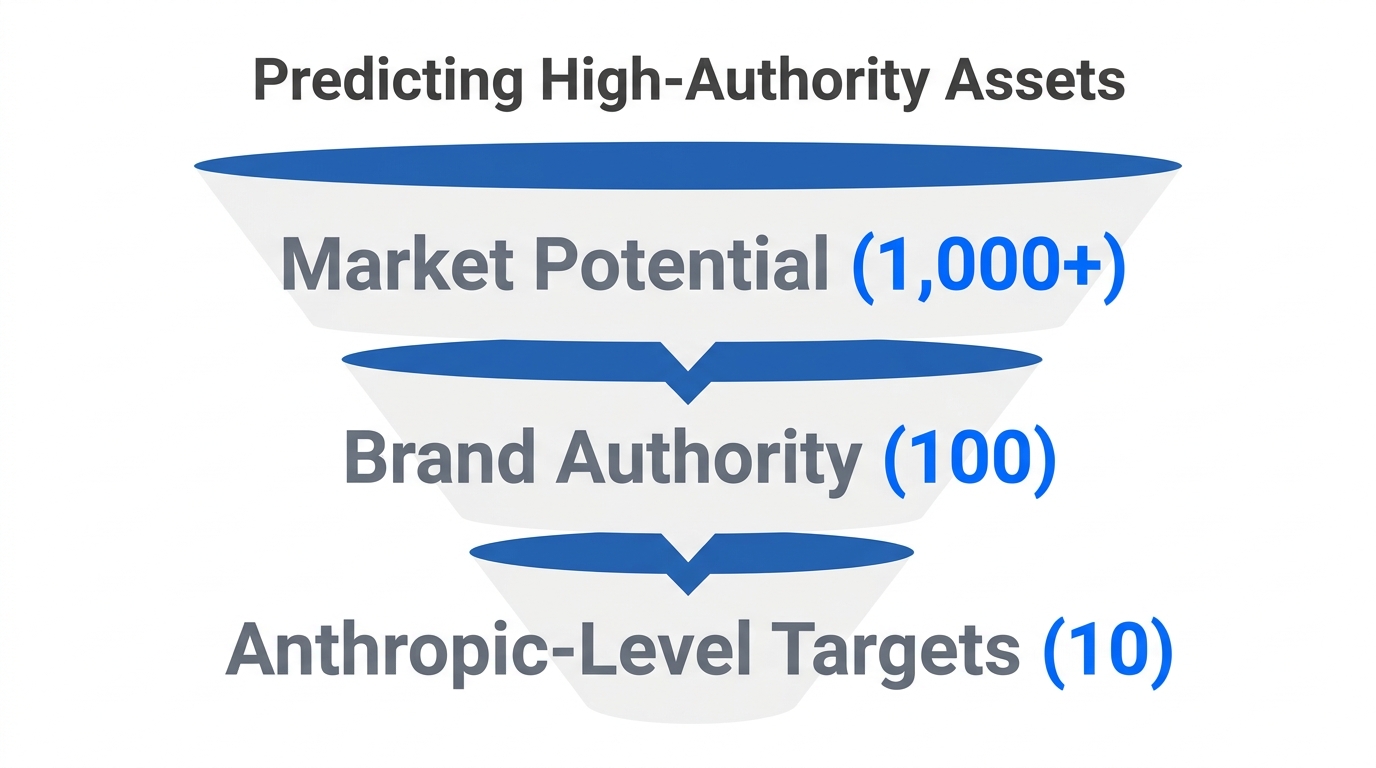
How do we identify the next winner? It usually follows a pattern: a high-friction industry (like healthcare or energy) meets a high-efficiency technology (like AI agents). In 2026, keep an eye on liquid natural gas (LNG) and nuclear technology, alongside preventive healthcare platforms that use AI for SMS-based care. These are unsexy, they involve heavy regulation, and they are currently being mispriced by investors looking for the next 'viral' app.
As you scale, remember that nothing is ever as good or as bad as it seems. Your startup valuation in 2026 is a reflection of your resilience and your ability to find value where others smell 'piss and urine.' By combining strategic brand building with AI-powered discovery tools, you can ensure your company isn't just a trend—it's an infrastructure piece of the new economy.
Conclusion: The Path to 2026 Authority
Achieving an Anthropic-level valuation requires more than just a great product; it requires a strategic brand building mindset that views every market downturn as an opportunity for an 'Anthropic-style' trade. Focus on health, focus on your core team, and use AI tools like Stormy AI to automate the distribution so you can focus on the high-level regulatory and IP plays. The founders who win this year will be the ones who realize that the ultimate asset is not just capital, but the freedom to be unafraid of the 'no'.