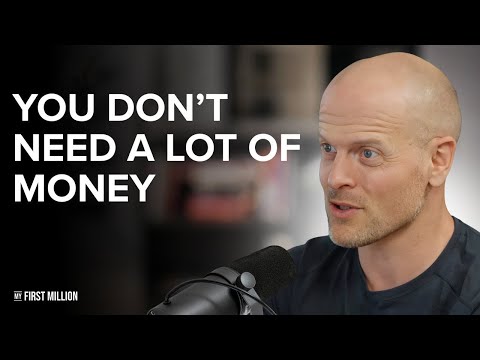
In the high-velocity landscape of 2026, the pendulum has finally swung. After a decade of digital saturation where every waking moment was mediated by a screen, the most sophisticated consumers are staging a quiet rebellion. This isn't just a rejection of technology; it's a strategic pivot toward what Tim Ferriss calls the "Analog Long" trend. As we navigate this year, the most successful brands aren't just optimizing their TikTok Ads Manager campaigns; they are building physical hubs, sponsoring running clubs, and reclaiming the visceral power of in-person social interaction.
The Great Digital Fatigue: Why 2026 is Going Offline
 86:00
86:00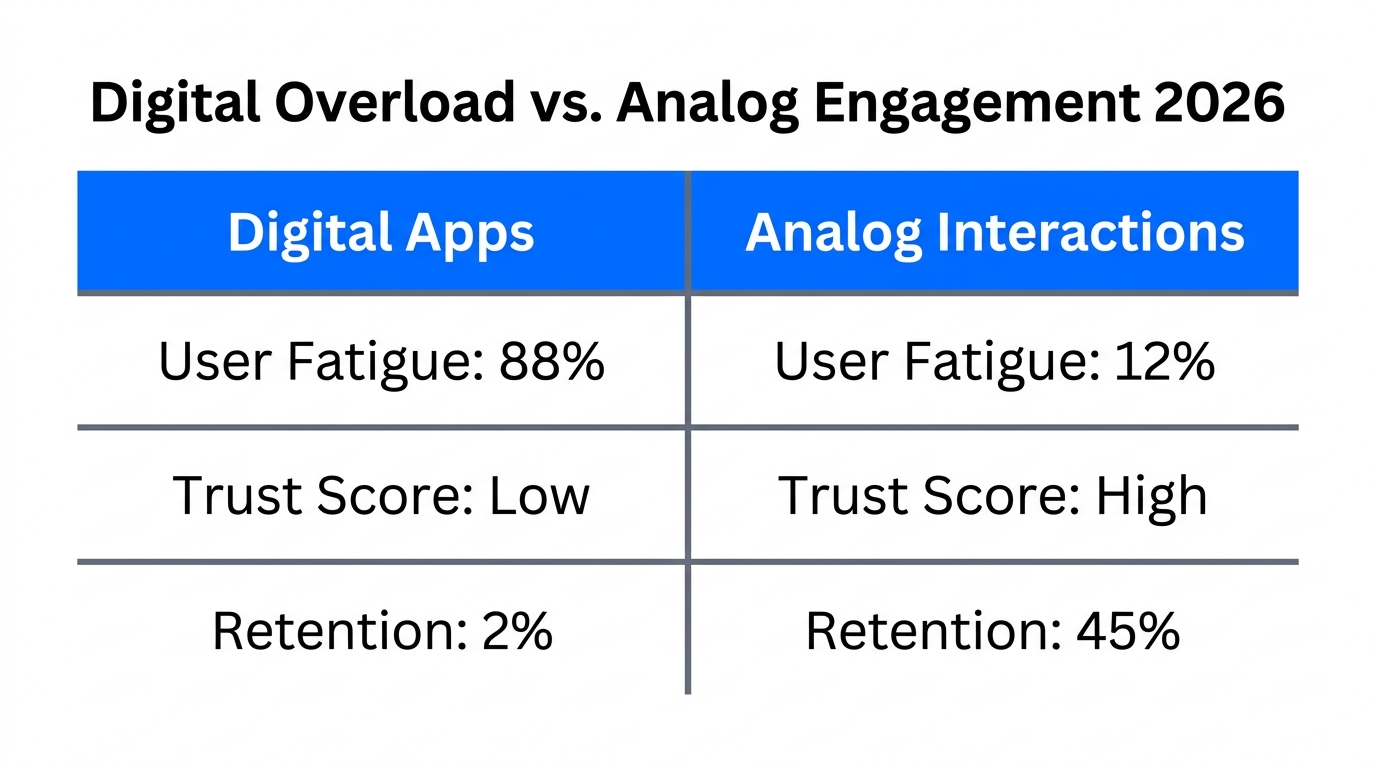
The consumer of 2026 is exhausted. The promise of infinite connectivity has resulted in a paradox of isolation, leading to a massive consumer behavior analysis shift. We are seeing a move away from digital-only apps toward real-world community structures. Ferriss notes that while digital tools are necessary, they are no longer sufficient for building deep brand loyalty. The rise of "Running Clubs" and "Silent Reading" groups in major cities highlights a desperate need for shared physical space.
Take the example of game nights. What started as a niche hobby has exploded into a mainstream cultural phenomenon. Ferriss's own foray into this space with his game, Coyote, has already seen massive success, landing in over 8,000 retail locations like Walmart and Target. Despite generating over 300 million social views of gameplay, the true value lies in the thousands of people sitting around a physical table, interacting without a backlight. This is the distribution frontier of the future: the physical living room.
"Analog getting off of screens and play is more important than ever. It's a psychological release valve and a way to recharge your batteries in a world that never stops pinging."
The 'Butlerian Jihad' of Marketing: Valuing the Human Touch
Referencing the Dune universe, Ferriss discusses a potential "Butlerian Jihad"—a rising up against the thinking machines. In the context of marketing trends 2026, this manifests as a premium on human-made, analog experiences. As AI-generated content floods every digital channel, the value of a hand-written note, a physical book, or a live event has skyrocketed. Authenticity is no longer a buzzword; it is a measurable asset derived from physical presence.
For growth marketers, this means that the traditional funnel is being disrupted by "offline long" strategies. If you are only looking at your Meta Ads Manager dashboard, you are missing the most important signals. The most potent brand community building now happens in places where phones are discouraged. Brands that can create a "safe haven" from the digital noise are seeing higher retention rates and stronger word-of-mouth than those relying solely on programmatic spend.
Lifestyle Sampling: The New Frontier of Brand Loyalty
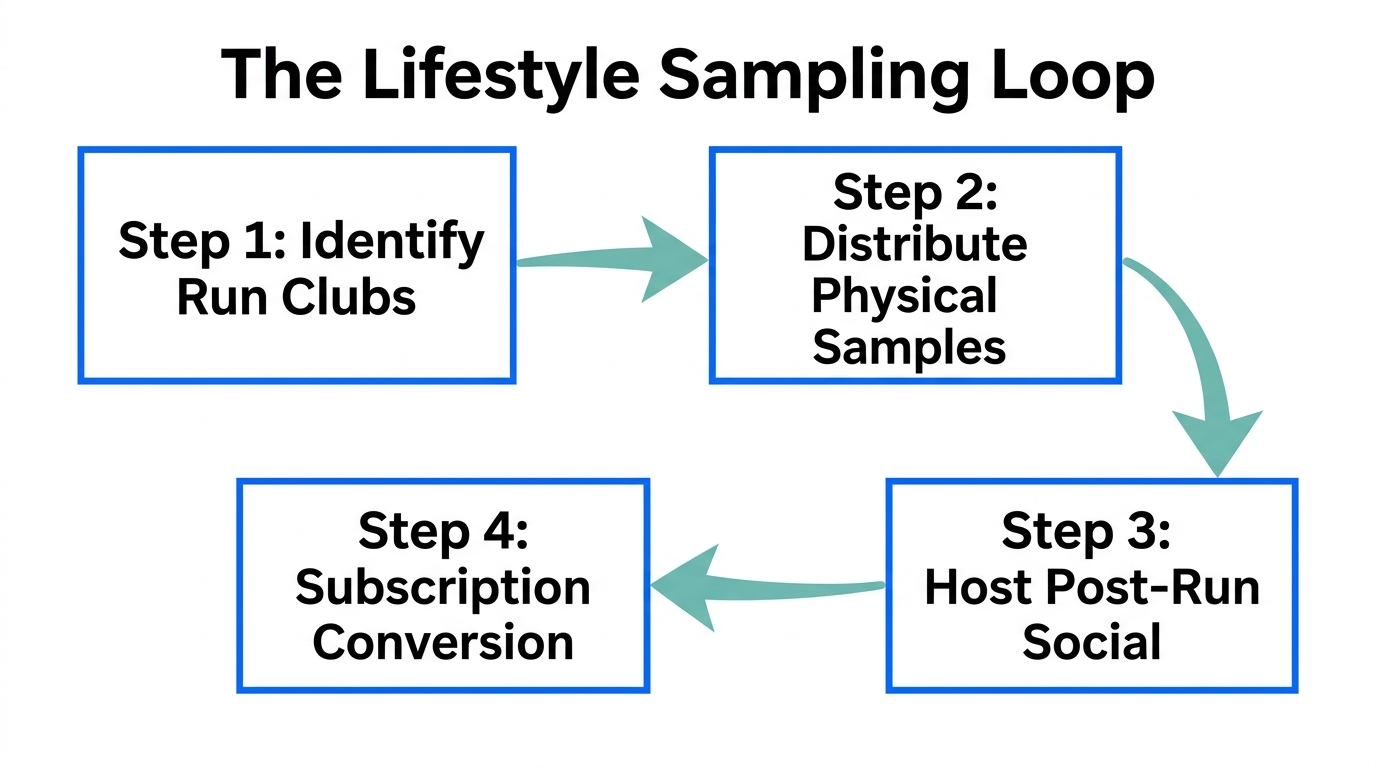
One of the most compelling insights from the latest Ferriss discussions is the concept of lifestyle sampling. Much like the free samples at Costco, in-person brand experiences allow consumers to "try on" a lifestyle before committing. This is more than just product testing; it’s a visceral window into a brand’s soul. When people participate in a wilderness training retreat or a local archery tournament, they aren't just consuming a service—they are sampling a new identity.
| Strategy Type | Digital-Only (2024-2025) | Analog-Social (2026) |
|---|---|---|
| Focus | Impression & Reach | Visceral Engagement |
| Distribution | Algorithm-dependent | Retail & Community |
| Loyalty | Transactional/Discount-based | Identity-based/Social |
| Platform | Social Feeds | Third Spaces (Clubs/Cafes) |
This shift requires a new tech stack. While you might use Canva to design the invitations or Notion to organize the logistics, the execution must be flawless in the physical world. Ferriss highlights that precision—being eighth-of-an-inch accurate—is what separates a professional experience from a mediocre one. In 2026, consumer behavior analysis shows that people have a lower tolerance for "digital-first" brands attempting to go physical without the necessary attention to detail.
"Money solves money problems, but it doesn't solve the problem of imagination. To win in 2026, you have to imagine a world where the screen is the secondary experience."
How to Bet on the 'Analog Long' Trend
88:06How does a modern growth marketer pivot? It starts by identifying where your audience is already seeking connection. Are they in running clubs? Are they attending game nights in New York City with hundreds of others? The goal is to facilitate these interactions rather than just advertising to them. To effectively source the creators who can lead these physical communities, savvy marketers are using Stormy AI to discover influencers who have a proven track record of driving offline action rather than just hollow digital likes.
The 2026 playbook for offline marketing strategies involves three key steps:
- Identify the 'Third Space': Find where your target demographic goes when they aren't at home or at work. This is where your brand needs to live.
- Provide the 'Play': Whether it's a tabletop game, a fitness challenge, or a silent book club, give people a reason to interact that isn't focused on the purchase.
- Precision Execution: As Ferriss mentions, the details matter. From the texture of the game pieces to the quality of the lighting, the physical environment must reflect the brand's highest standards.
Beyond Marketing: The Med-Tech Analog Parallel
80:17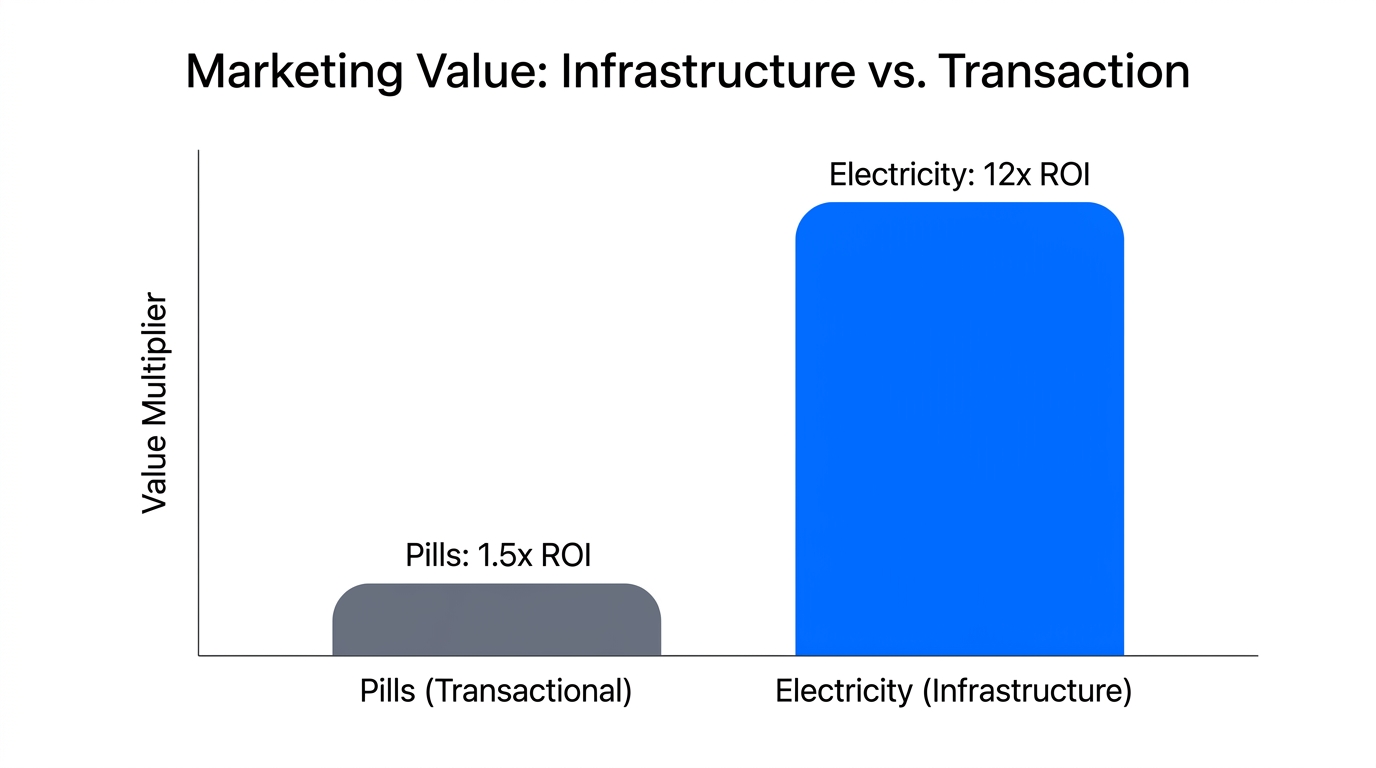
This trend toward the physical and biological extends beyond marketing. Ferriss points toward a shift in health: "Electricity over pills." This refers to technologies like accelerated TMS and Vagus nerve stimulation. Just as marketing is moving away from the "pill" of quick digital fixes toward the "electricity" of real human interaction, medicine is moving toward stimulating the body's own systems. Understanding this macro-trend of returning to the source—whether biological or social—is essential for any strategist in 2026.
The convergence of metabolic psychiatry and social interaction is creating a new category of "wellness distribution." When people fast together (16:8 protocols) or train together, they are more likely to stay connected to the platforms that enabled that behavior. For brands, this means your HubSpot CRM should track not just email opens, but physical attendance at community events.
"If you want to be happy, spend time around happy people. It sounds obvious, but in a digital world, we often forget that happiness is a social contagion that requires proximity."
Conclusion: Reclaiming the Human Scale
As we move deeper into 2026, the brands that thrive will be those that recognize we are post-economic in our desire for digital efficiency. We have enough apps; we have enough content. What we lack is meaningful social interaction. By leaning into the Analog Long trend, marketers can move past the noise and build communities that last.
Whether you are launching a new physical product in Target or building a local running club, remember that the most valuable currency in 2026 is the undistracted human hour. Use tools like Stormy AI to find the partners who can help you bridge the gap between digital discovery and analog loyalty, and you'll find that the future of marketing isn't just online—it's in the room.