In 2026, the retail media landscape has shifted from manual keyword bidding to a sophisticated ecosystem of predictive modeling and automated orchestration. Amazon’s retail media revenue is projected to exceed $60 billion this year, representing a massive slice of the 89% of global digital ad spend flowing into the Big Three: Google, Meta, and Amazon. For brands, the biggest breakthrough of the last 24 months has been the maturation of Amazon Performance+ campaigns, a campaign type that has redefined efficiency by leveraging first-party data to automate placements across the entire Amazon ecosystem. Early adopters are already seeing a staggering 51% improvement in Customer Acquisition Cost (CAC), signaling that the era of manual PPC management is rapidly being replaced by AI-driven automation.
Inside Amazon Performance+: The "Set and Semi-Forget" Revolution
Performance+ represents Amazon's move toward a holistic, goal-oriented advertising model. Unlike traditional Sponsored Products or Sponsored Brands, which require granular keyword selection and bid adjustments, Amazon Performance+ campaigns utilize first-party data and AI to automate audience creation, bidding, and placement. This "set and semi-forget" campaign type is designed to find customers wherever they are in the Amazon ecosystem—whether they are browsing the homepage, watching Prime Video, or reading reviews on a product detail page.
According to data-driven reports, AI-driven management shows an average 34.1% improvement in ROAS compared to manual optimization. This is largely because the AI can process millions of data points in real-time—adjusting bids based on the shopper's device, browsing history, and even the time of day through contextual bidding. Experts who have transitioned to these automated workflows report saving between 5.2 to 14 hours per week, allowing marketing teams to focus on creative strategy rather than spreadsheet management.
"Performance+ isn't just about automation; it's about leveraging Amazon's deep data lake to find customers that human-led keyword research would simply never uncover."
Navigating the Learning Phase: The 48-to-72 Hour Rule
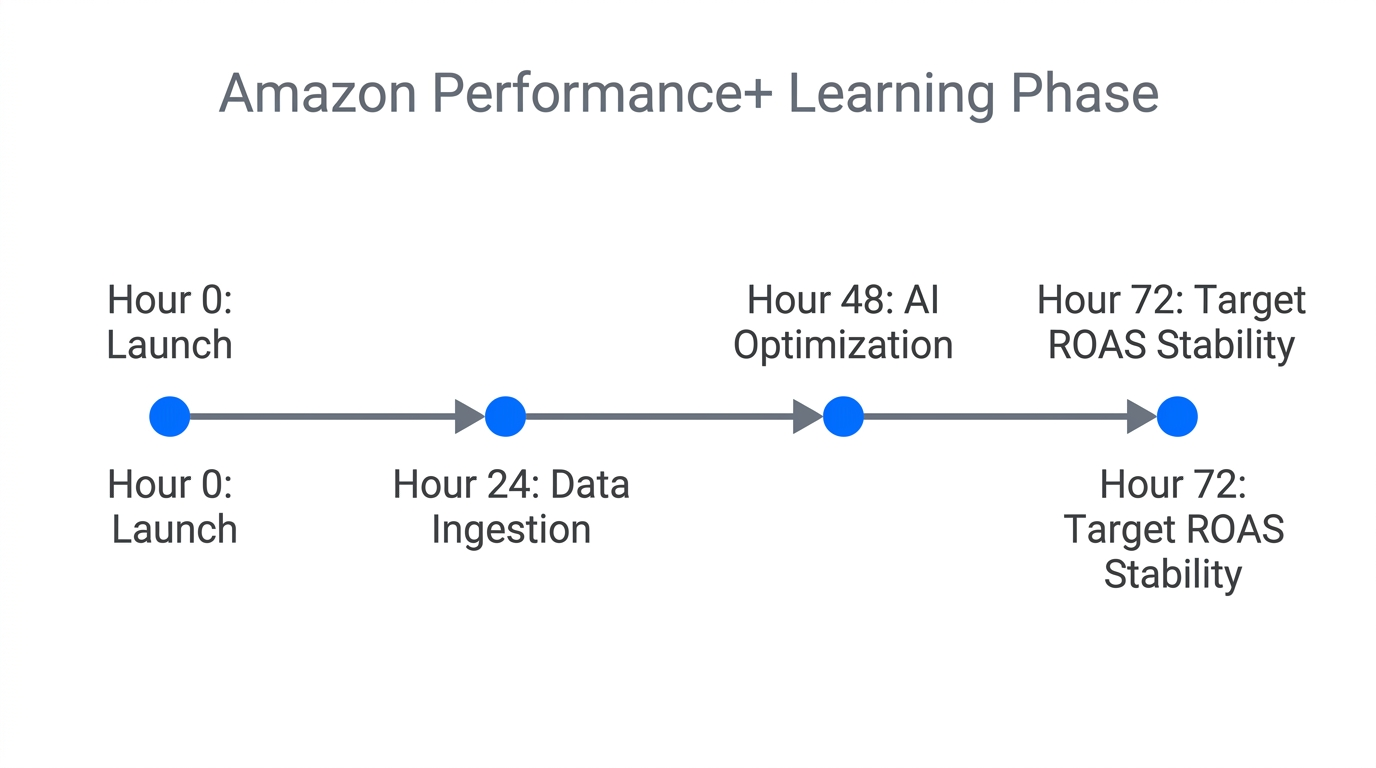
One of the most common mistakes brands make when launching Amazon AI advertising automation is meddling with the campaign too early. When a Performance+ campaign is activated, it enters an intensive learning phase where the algorithm tests various audiences and placements to find the most efficient path to conversion.
To avoid disrupting these AI optimization algorithms, you must adhere to a strict 48-to-72 hour evaluation period between adjustments. Manual bid changes or budget shifts during this window reset the AI’s data collection phase, extending the time it takes to reach peak efficiency. According to industry leaders at Helium 10 Adtomic, brands that allow the algorithm to stabilize without interference see significantly lower volatility in their long-term ACOS (Advertising Cost of Sales).
Advanced Segmentation: Avoiding Keyword Cannibalization
While the goal of Performance+ is automation, the structure you provide is the foundation of its success. A frequent pitfall is grouping too many dissimilar ASINs (Amazon Standard Identification Numbers) into a single campaign. When the AI is forced to manage a wide variety of products with different price points and target audiences, it can lead to keyword cannibalization.
For example, if you group a premium $100 skincare serum with a $15 facial cleanser, the algorithm may prioritize the cleanser because it has a lower barrier to entry and higher initial conversion rate. This starves the premium product of the specific, high-intent traffic it needs to thrive. To solve this, marketers should segment campaigns by:
- Price Point: Group products with similar margins to allow the AI to optimize for a consistent ROAS.
- Category Intent: Ensure the products share a similar customer journey (e.g., discovery-based vs. replenishment-based).
- Life Cycle Stage: Separate new launches that need aggressive scaling from established "cash cow" products.
| Strategy Type | Best For | AI Optimization Goal |
|---|---|---|
| Category Grouping | Broad Discovery | Maximum Reach |
| Price-Tier Grouping | Margin Protection | Target ROAS |
| ASIN-Specific | Hero Product Scaling | Total Sales Volume |
Lowering CAC Through Modeled Audiences and Anonymous Supply
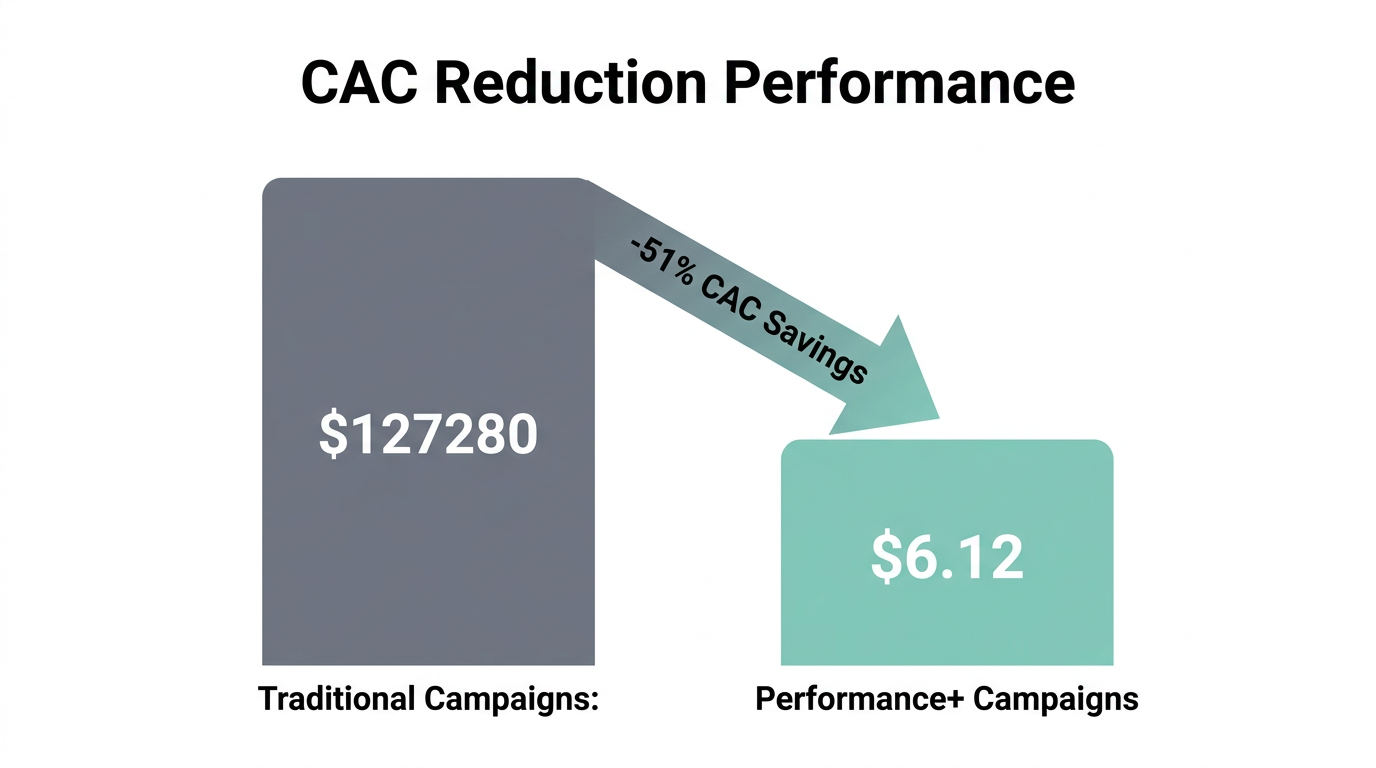
The secret weapon for 2026 is the use of modeled audiences. As noted by MacLean (VP, Amazon Ads DSP), AI-derived modeled audiences allow brands to reach across "anonymous supply" on the open web. This means the AI can find potential buyers on third-party sites and apps while they are browsing, and then drive them back to Amazon to complete the purchase.
This cross-platform approach has been shown to decrease CPC by up to 12% because it taps into less competitive ad inventory. By using Skai’s integration with Amazon Marketing Cloud (AMC), sellers can now gain insights into Multi-Touch Attribution (MTA), identifying how these top-of-funnel anonymous placements contribute to a final purchase 12 months down the line. This long-term view allows for a shift from a single-sale ACOS to a "Customer Lifetime ACOS" model, where you can justify higher initial bids on products with high subscription (Subscribe & Save) rates.
"The brands winning in 2026 aren't just buying keywords; they are buying customer journeys across the entire digital ecosystem."
Retail Readiness Checklist: Preparing for AI Traffic
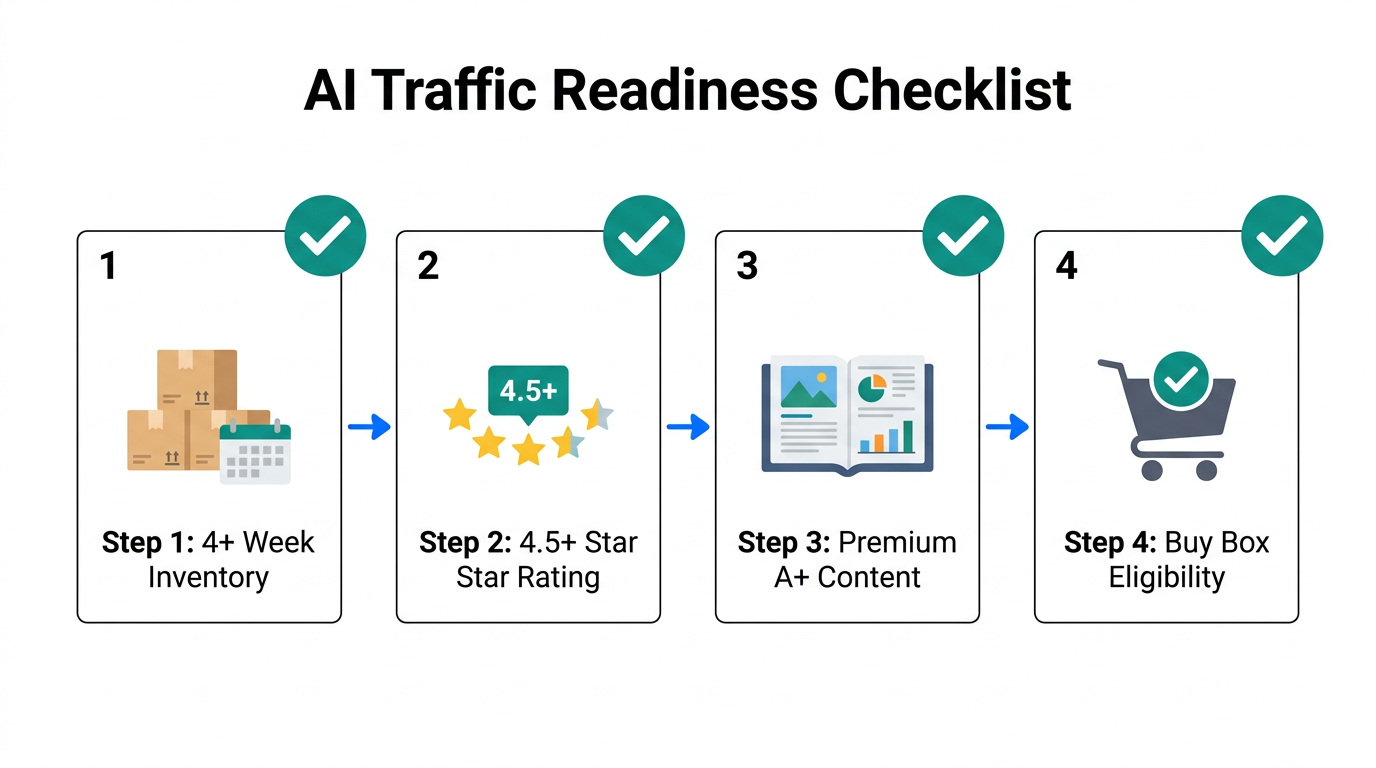
AI can drive massive amounts of traffic, but it cannot fix a low-conversion listing. Running automated audience creation Amazon strategies on products that aren't "retail ready" is the fastest way to skyrocket your ACOS. Before activating high-octane AI traffic drivers, your listing must pass the following audit:
- Review Count: A minimum of 15 high-quality reviews. AI models often de-prioritize products with low social proof to protect your budget.
- Visual Assets: At least 5-7 high-resolution images, including lifestyle shots and infographics. Amazon’s AI Creative Studio can now assist in generating 30-second video content to boost these listings.
- Content Quality: Use natural language prompts to generate A+ content that answers common customer objections found in your review data.
- Buy Box Ownership: Ensure you have a 95%+ Buy Box win rate to avoid spending ad dollars on inventory you aren't currently winning.
The 2026 Ad Tech Stack: Choosing the Right Tools
While Amazon's native tools are powerful, the most successful 8-and-9 figure sellers use a human + AI hybrid approach. This involves using AI for the heavy lifting—data crunching, bid adjustments, and keyword harvesting—while humans manage the brand voice and emotional messaging. To help you build your stack, consider these top-performing platforms:
| Tool Name | Core AI Feature | Ideal For |
|---|---|---|
| AiHello | One-click bulk campaign creation | Agencies & Large Catalogs |
| Perpetua | "Always-on" goal-based optimization | Brand Growth Scaling |
| Teikametrics | Flywheel 2.0 Retail Intelligence | Inventory-Linked Bidding |
| Quartile | Granular, hourly AI bid management | High-Volume Sellers |
Beyond internal Amazon optimization, savvy marketers are also looking to external traffic sources to feed their Amazon attribution links. While Performance+ handles the media buying, platforms like Stormy AI can help you discover and outreach to TikTok and YouTube creators who can drive high-intent social traffic to your Amazon store. This combination of UGC content and Amazon AI automation creates a flywheel effect that consistently lowers CAC over time.
Step-by-Step Playbook for Scaling Performance+
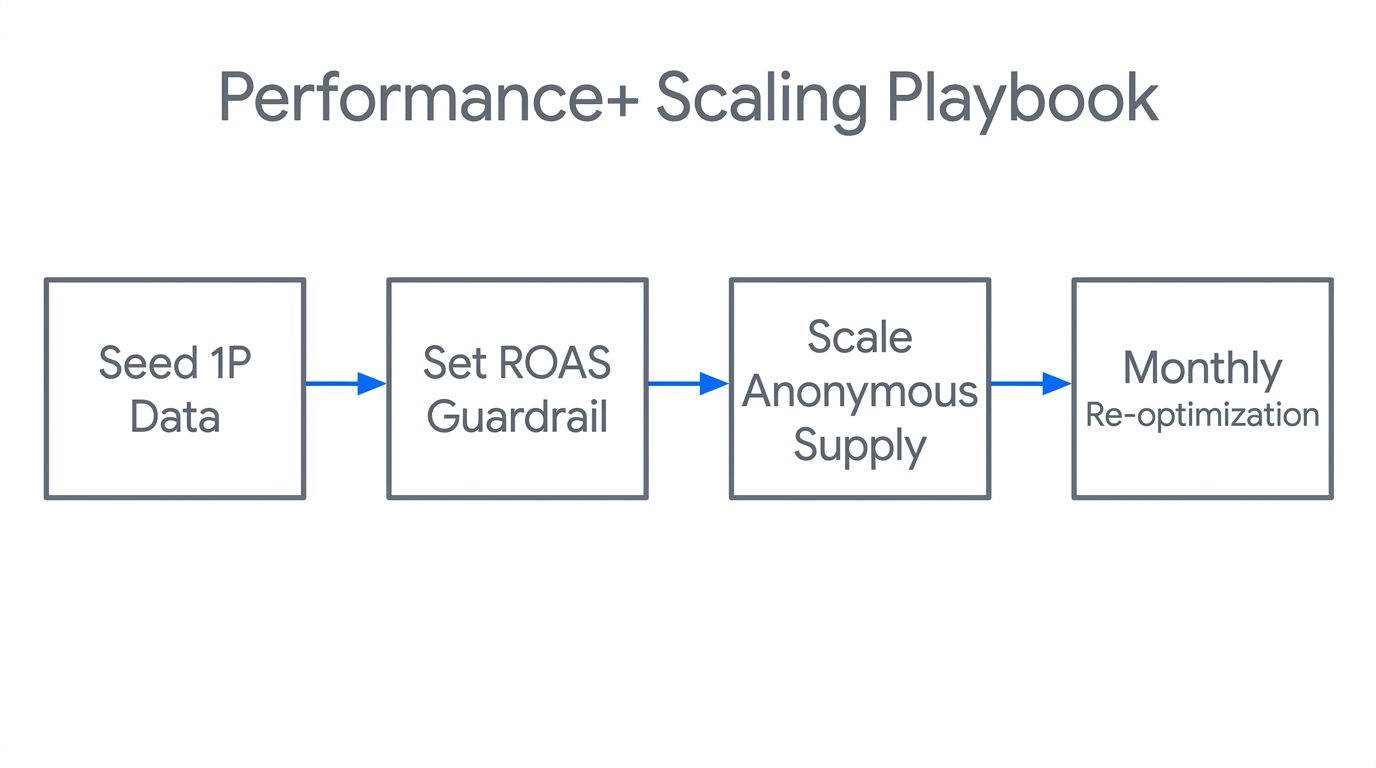
Step 1: Harvest Winning Keywords
Use "Auto" and "Broad" discovery campaigns as data mines. Set AI rules in tools like Sellozo to automatically promote search terms to Exact Match manual campaigns once they hit a threshold of 3 sales within 7 days.
Step 2: Implement AI Dayparting
Don't let your budget die at 2:00 PM. Use platforms like BidX to adjust bids hourly, lowering them during low-conversion hours to stretch your budget until the peak evening shopping window.
Step 3: Leverage AMC Insights
Use the "no-code" AMC (Amazon Marketing Cloud) features to identify previously "invisible" touchpoints. Brands like Goal Zero achieved 30% growth by identifying how top-of-funnel ads influenced final conversions, allowing them to scale Performance+ more aggressively.
"The shift from predictive models to generative assets—where AI actually produces the video and audio driving your ads—is the final frontier of Amazon scaling."
Conclusion: The Future of Amazon Advertising
As we move deeper into 2026, the competitive advantage on Amazon is no longer who can bid the most, but who can train their AI models the best. By embracing Amazon Performance+ campaigns, adhering to the learning phase, and ensuring your listings are retail-ready, you can drastically reduce Amazon CAC with AI while growing your market share. Remember that while automation handles the data, your strategy—segmentation, creative direction, and external traffic through platforms like Stormy AI—remains the true driver of long-term brand equity.