In the high-velocity landscape of 2026, the traditional Amazon Seller Central dashboard has become the modern equivalent of a rotary phone: slow, cumbersome, and increasingly obsolete. As the global ecommerce market scales toward $6.88 trillion this year according to Statista's growth projections, the most successful FBA operators have stopped clicking buttons and started deploying autonomous teammates. According to recent 2026 consumer research, 22% of shoppers are now using AI-powered search assistants to discover and buy products, forcing brands to optimize for algorithms and agents rather than just human eyeballs. To thrive, sellers are turning to the OpenClaw protocol and AI ecommerce employees like Stormy AI to run their back-office operations in the background.
The Death of the Dashboard: Moving to Agentic Commerce
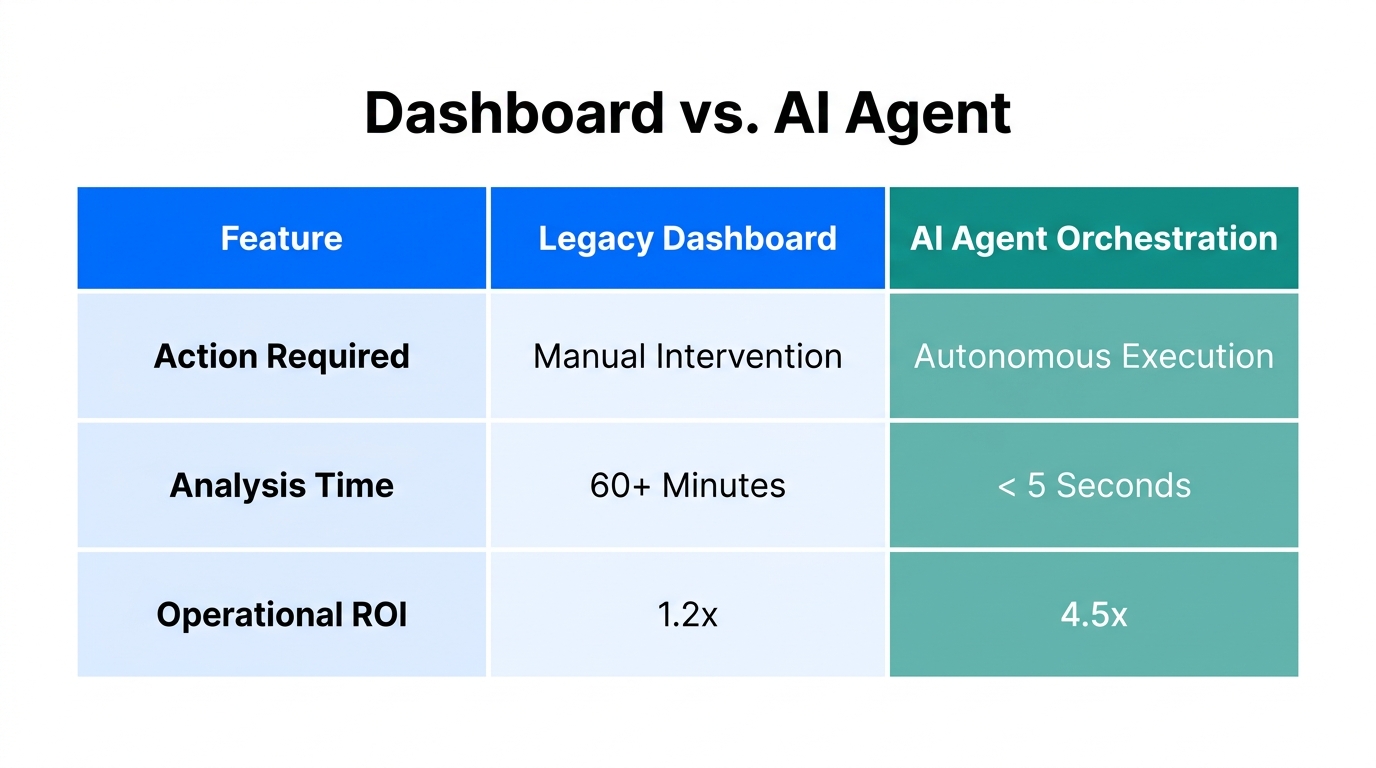
For a decade, the FBA playbook involved logging into Seller Central, downloading CSVs, and manually adjusting bids. By 2026, that workflow has been replaced by Agentic Commerce. We are no longer in an era of "AI-enabled" tools where humans use software; we are in the era of autonomous agents that pursue goals. A ShipStation Benchmark Report indicates that 90% of global retailers are increasing AI investments this year to handle these messy back-office tasks.
"I don't want to log into these softwares anymore. I can just chat with my agents and get the whole entire picture in seconds."
The primary shift is toward B2A (Business-to-Agent) marketing. You aren't just selling to consumers; you are ensuring your brand is discoverable by the AI agents that browse and buy on behalf of those consumers. To manage this complexity, sellers use OpenClaw, an open-source framework that allows AI agents to interact directly with marketplaces. Stormy AI acts as the orchestrator here, connecting your inventory data, ad spend, and supplier communication into a single, living financial operating system.
| Feature | Legacy Dashboard Ops (2020-2024) | Agentic FBA Ops (2026) |
|---|---|---|
| Inventory Monitoring | Manual refresh; email alerts. | Autonomous restock POs via Stormy AI. |
| Ad Optimization | Rules-based bid adjustments. | Real-time inventory-aware bidding. |
| Catalog Auditing | Checking listings for suppressed images. | Rogue Agent snapshots via Keepa API. |
| Reporting | Static CSV exports and pivots. | Natural language queries to a shared workbook. |
Tutorial: Using the Rogue Agent for Automated Catalog Snapshots
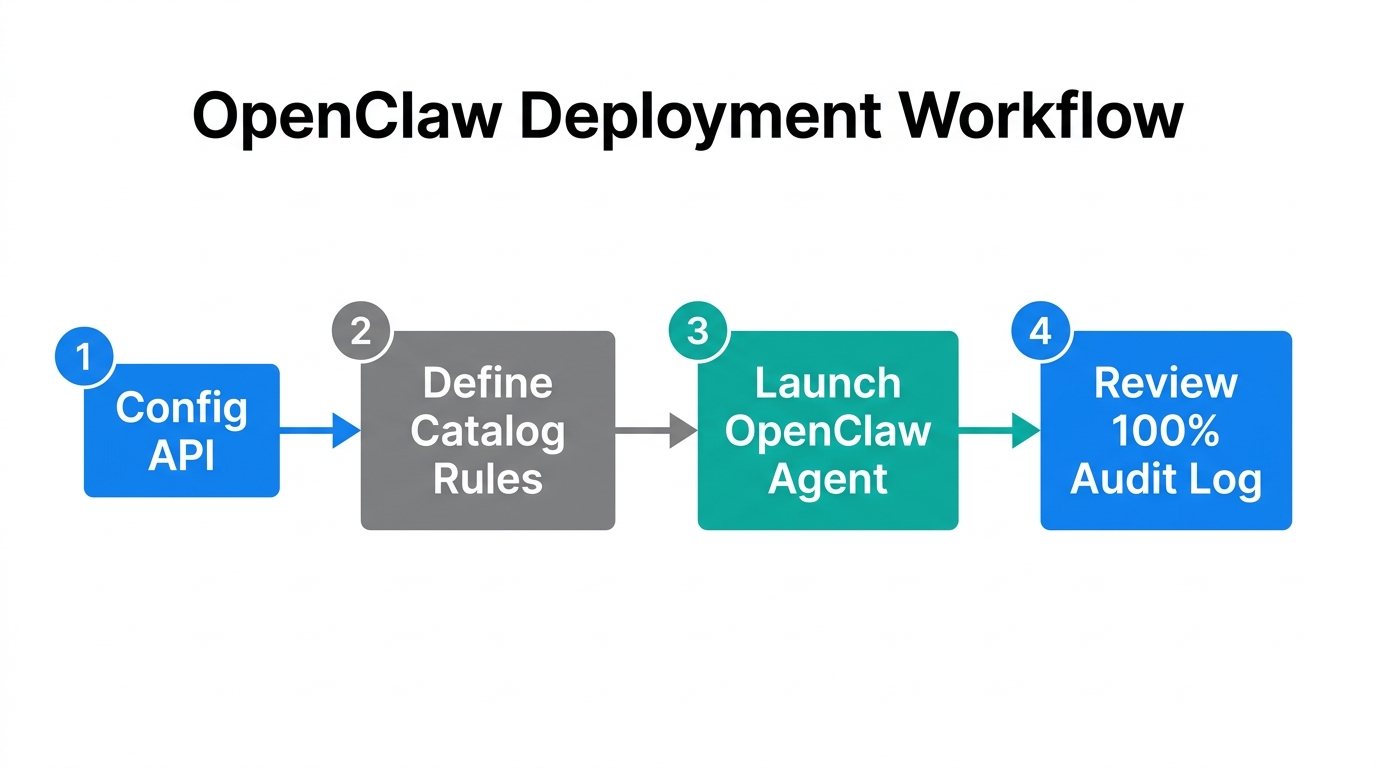
One of the most powerful agents in the OpenClaw ecosystem is Rogue, a specialized catalog auditor. Rogue's job is to ensure your Best Seller Rank (BSR), pricing, and buy-box status remain stable. In 2026, even a minor inventory sync delay can lead to search ranking penalties. Rogue prevents this by taking periodic snapshots of your catalog data via the Keepa API.
Step 1: Connect the Keepa Adapter
First, you must integrate your Keepa API key into your OpenClaw environment. This allows Rogue to pull historical and real-time data without you ever opening a browser. You can find pre-built adapters on skillcrate.dev, the leading marketplace for open-source Amazon agent templates.
Step 2: Define Critical Thresholds
Configure Rogue to monitor specific metrics. For example, if your BSR drops by more than 20% in a 5-day window, Rogue should trigger a critical warning. This is far superior to standard Amazon alerts because it logs the data as a JSON file, allowing Stormy AI to read the log and draft a Slack update for your team.
Step 3: Automated Remediation
Beyond just reading data, Rogue can write it. If a listing is suppressed due to a missing image or a broken variant, Rogue can identify the error in the Category Listings Report (CLR) and attempt to re-upload the correct metadata via the Amazon Selling Partner API. This keeps your catalog healthy while you sleep.
Setting up Cyclops: Real-Time Bidding and Inventory Sync
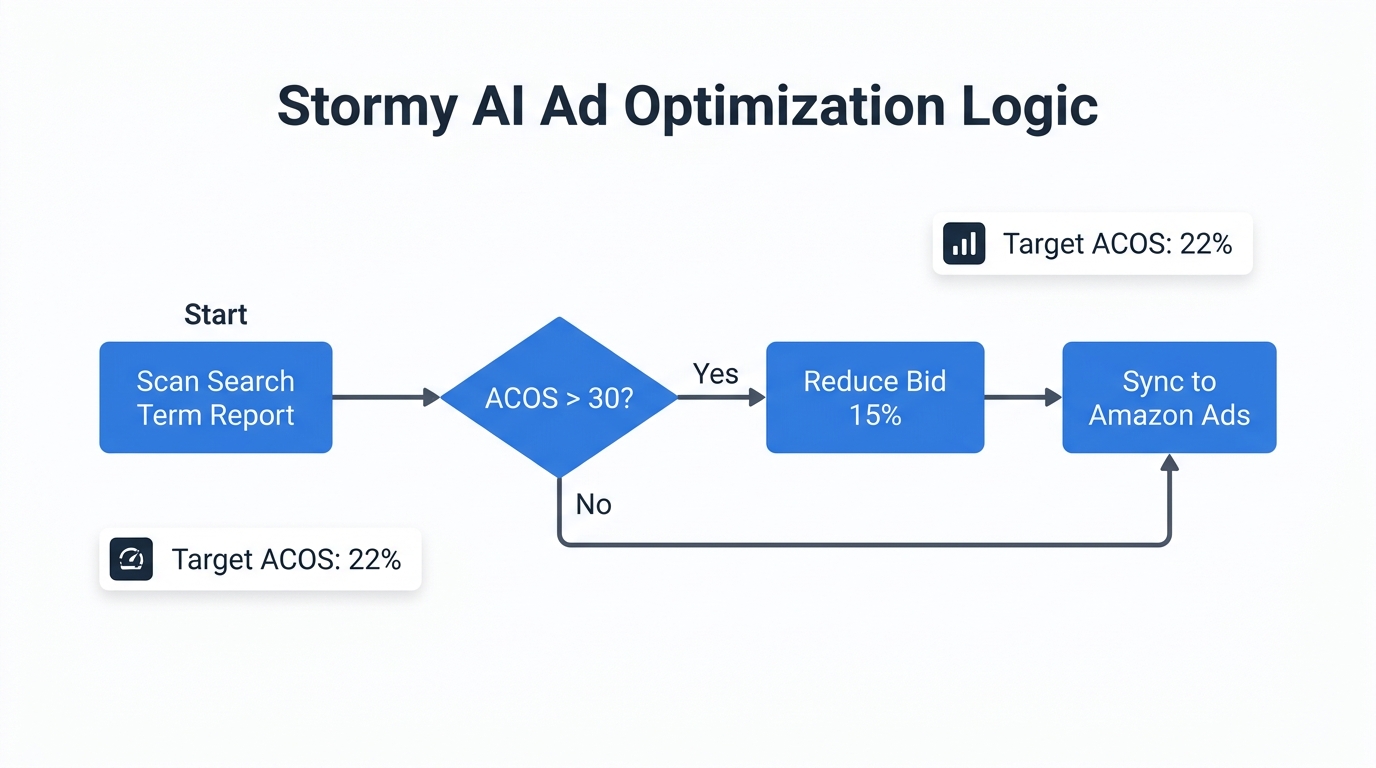
In 2026, advertising costs on Amazon have skyrocketed. To maintain profitability, you can't afford to waste spend on low-stock items. Enter Cyclops, the ad agent. Cyclops does what no human can: it monitors every SKU's inventory levels in real-time and adjusts Amazon Ads bids accordingly.
When Stormy AI detects that a shipment is delayed at the warehouse—a common pain point discussed in the latest e-commerce benchmarks—it communicates this to Cyclops. The ad agent then instantly lowers bids on those specific ASINs to preserve stock and prevent OOS (Out of Stock) status, which is a major ranking killer. Conversely, when a restock arrives, Cyclops ramps up spend to regain momentum.
"The value isn't in search—it's in the execution of the entire supply chain. A true agent connects your inventory to your demand generation."
By delegating this to an agent, you eliminate the "lag time" that costs sellers thousands in wasted ad spend. While tools like ShipStation handle the physical logistics of the package, Stormy AI manages the digital logistics—ensuring your ads, stock levels, and creator partnerships are perfectly synchronized.
Navigating the 2026 Amazon Bot Policy
With the rise of agentic commerce, Amazon has implemented a strict Bot Policy. All autonomous agents interacting with Seller Central must identify themselves correctly. Failure to do so can lead to listing suppression or account suspension. When using the OpenClaw protocol, it is vital to utilize the Model Context Protocol (MCP) registry, as detailed on the official MCP documentation, to ensure your bots are compliant.
High-end agents like those run by Stormy AI are built with these compliance layers in mind. They use authorized API endpoints and identify as automated service workers. If you are building custom agents, ensure they are properly scaffolded with historical data to prevent "hallucinations"—like an agent offering a $500 collaboration to a creator who previously worked for $50. Protecting your brand integrity is as much about bot security as it is about marketing, as noted in recent cybersecurity reports.
The Open Source Revolution: skillcrate.dev
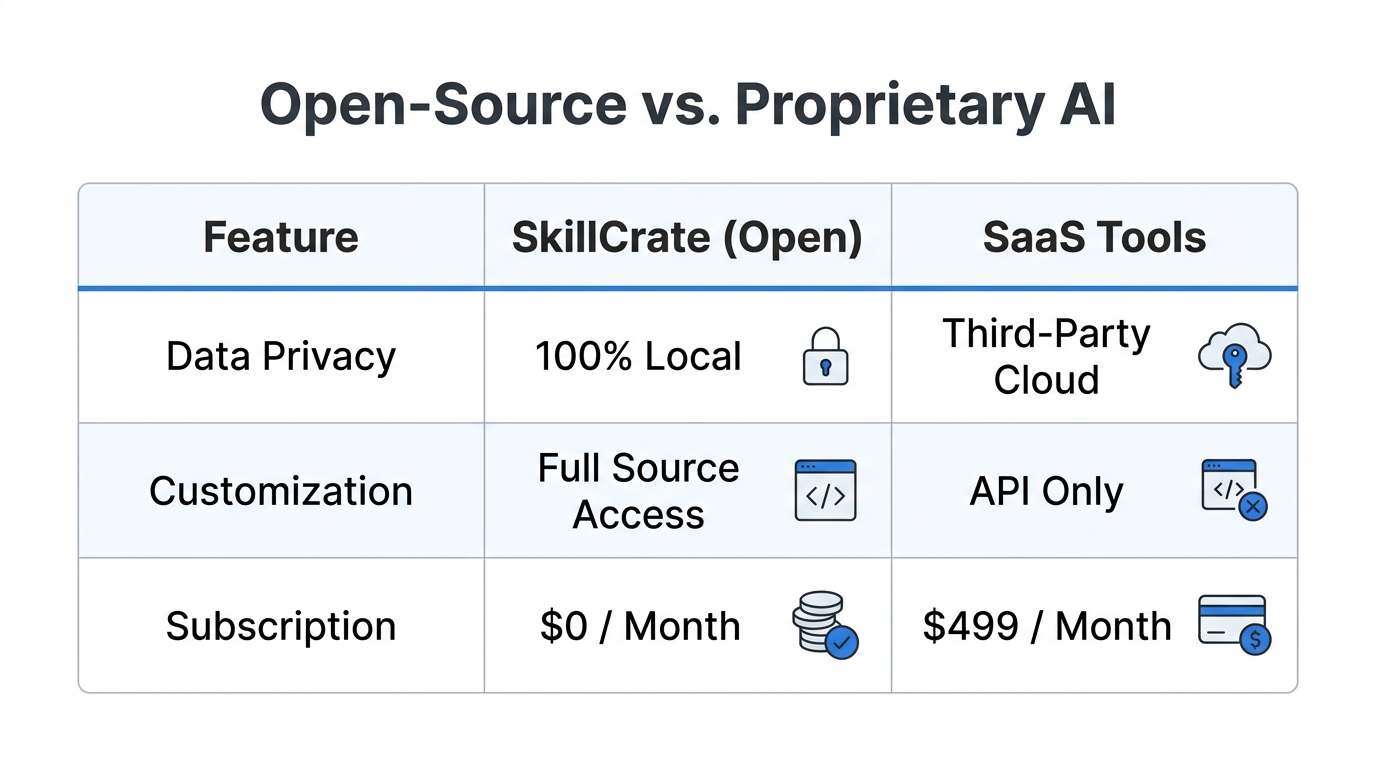
One of the biggest advantages for sellers in 2026 is the democratization of code. You no longer need to be a senior developer to run a Wolverine-style agent. By visiting skillcrate.dev, you can find pre-built templates for almost any FBA task. This marketplace was designed to disrupt the expensive SaaS space by providing the building blocks for 10x marketers to become 10x operators.
Whether you need a specialized Gorgias connector for support or a way to sync Google Ads spend with your Amazon sales, the templates are there. You can take these open-source tools, plug them into Stormy AI, and have a fully automated back office running in hours rather than months. This low-code/no-code approach is the key to building a $5M ARR business with a lean team, as discussed on leading startup podcasts like Acquired.
The Future of FBA is Autonomous
The FBA winners of 2026 are not the ones with the biggest teams; they are the ones with the most efficient agentic stacks. By moving beyond dashboards and embracing tools like OpenClaw, Rogue, and Cyclops, you free yourself to focus on high-level strategy and product innovation. Let an AI ecommerce employee like Stormy AI handle the inventory alerts, the supplier follow-ups, and the ad bid management in the background. Stop being a button-pusher and start being an orchestrator of agents. Your bottom line—and your sleep schedule—will thank you.