As we navigate the mid-point of 2026, the Amazon marketplace has undergone a radical transformation. What was once a battle of manual bidding and spreadsheet-heavy analysis has evolved into a high-speed, AI-first ecosystem where Amazon Ads automation is no longer a competitive advantage—it is the baseline for survival. With Amazon’s advertising revenue projected to surge past $88 billion this year, the shift from "the art of approximation to the science of precision" is complete. For e-commerce founders and CMOs, success in 2026 requires more than just high-quality products; it demands a sophisticated AI advertising strategy that leverages real-time data and autonomous agents to outmaneuver the competition.
The 2026 Landscape: From Manual Bidding to Scientific Precision
In 2026, the numbers speak for themselves. Approximately 61% of all active Amazon ad campaigns are now managed by AI-automated platforms, according to the latest eMarketer retail media reports. This massive adoption is driven by a stark economic reality: the average Cost-Per-Click (CPC) has inflated to $1.18–$1.25 across most categories. Without the efficiency of automation, margins are being squeezed tighter than ever before.
According to Mark Eamer, VP of Amazon Ads, the platform has successfully moved beyond manual guesswork. "2026 is the year advertising moves from the art of approximation to the science of precision," Eamer noted during an Amazon unBoxed industry briefing. This precision is fueled by Agentic AI, which has replaced traditional rules-based bidding with natural language campaign planning and execution.
"AI turns complexity into clarity, enabling brands to adapt to performance in real-time across the full funnel." — Melissa Burdick, President of Pacvue
The Rise of Agentic AI: Natural Language Campaign Planning
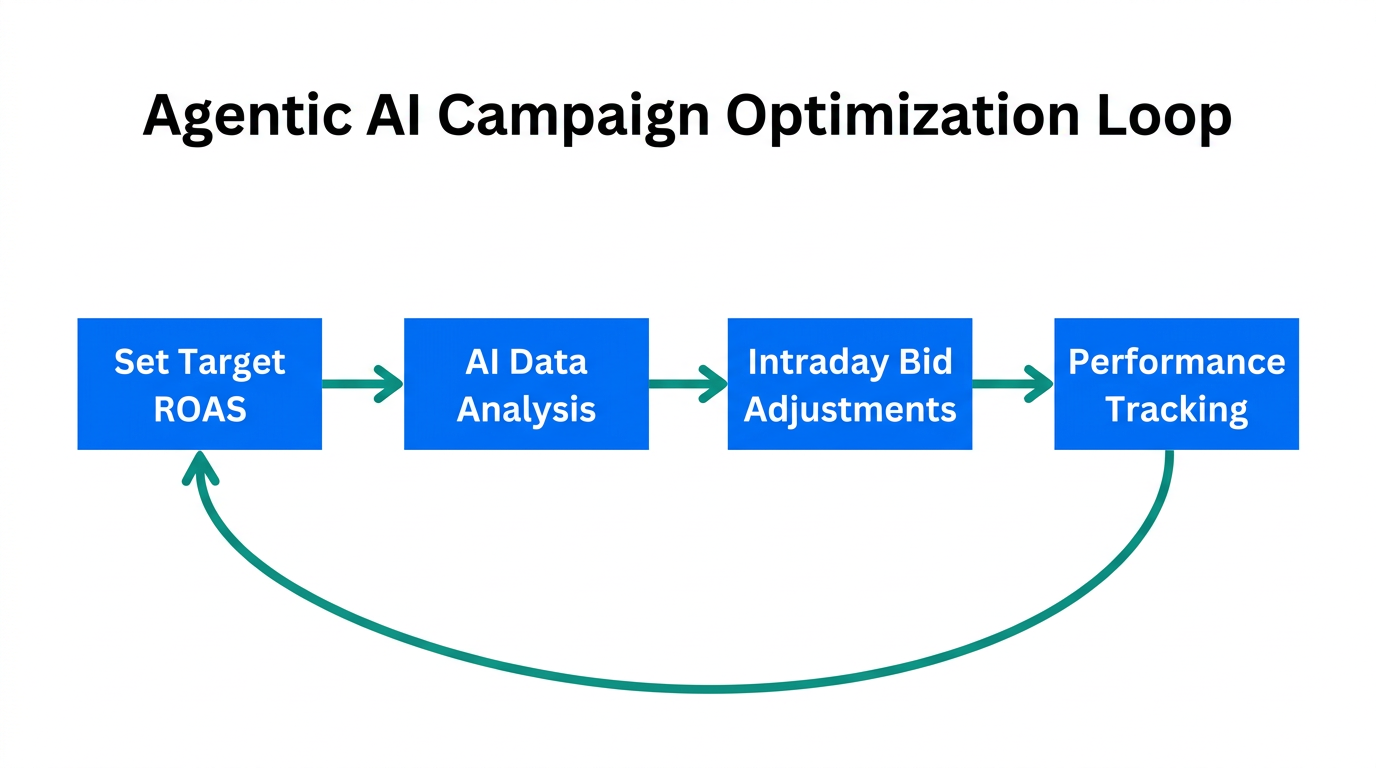
The biggest technological shift this year is the transition from simple automation to Agentic AI. Unlike the older bots that simply followed "if/then" rules, modern AI Agents can plan, create, and measure campaigns using simple natural language prompts. A founder can now tell an AI agent, "Launch a brand awareness campaign for our new eco-friendly yoga mat targeting high-intent shoppers in the Northeast," and the Amazon Ads Console AI will handle the rest—from keyword harvesting to creative generation.
This has led to a dramatic reduction in operational overhead. On average, small and medium businesses (SMBs) using AI-driven tools like AiHello report saving 5.6 hours per week on campaign management. Furthermore, the average onboarding time for new advertisers has plummeted from 14 days in 2024 to just 3.2 days in 2026.
| Feature | 2024 (Legacy) | 2026 (AI-First) |
|---|---|---|
| Bidding Logic | Rule-based / Manual | Agentic / Predictive |
| Onboarding Time | 14 Days | 3.2 Days |
| Creative Workflow | Human-centric / Manual | AI-Powered Creative Agents |
| Attribution | Cookie-dependent | Authenticated Graph (First-Party) |
Winning in a Cookie-less World: The Authenticated Graph
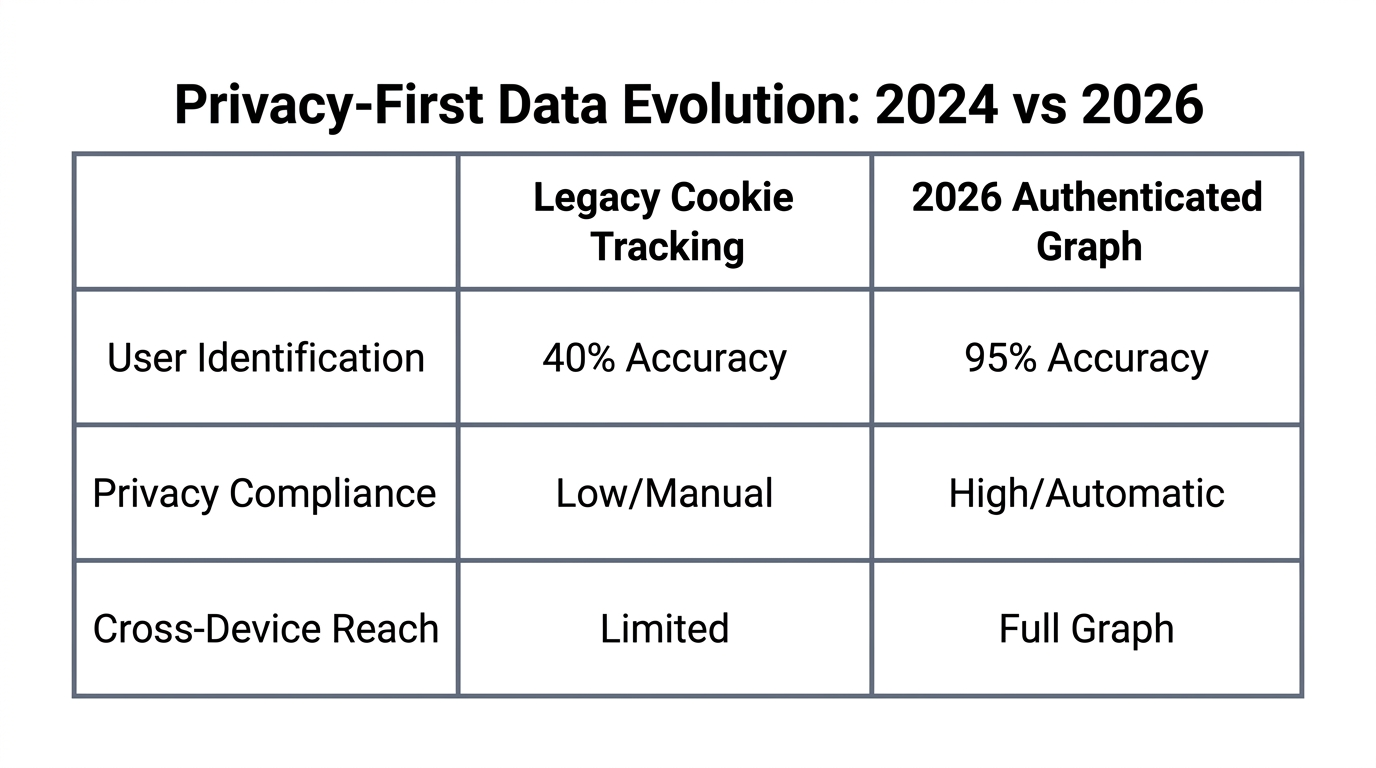
As the industry moves further away from third-party cookies, Amazon has solidified its dominance through its "Authenticated Graph." By utilizing first-party signals from hundreds of millions of logged-in users, Amazon’s AI algorithms now reach 90% of U.S. households with pinpoint accuracy. This shift ensures that even as privacy regulations tighten, advertisers can maintain high-performance targeting based on actual purchase behavior rather than browsing history.
This data is no longer locked in an enterprise vault. The Amazon Marketing Cloud (AMC), once reserved for the largest agencies, is now accessible to all sellers via partners like Adbrew. This allows AI to analyze the entire "Path to Conversion" across Sponsored Products, Display, and even Streaming TV ads, automatically shifting budgets to where they generate the highest long-term value.
"The Authenticated Graph is the new gold standard for privacy-safe, high-conversion targeting in the 2026 retail landscape."
Actionable Playbook: 5 Strategies for Scaling in 2026
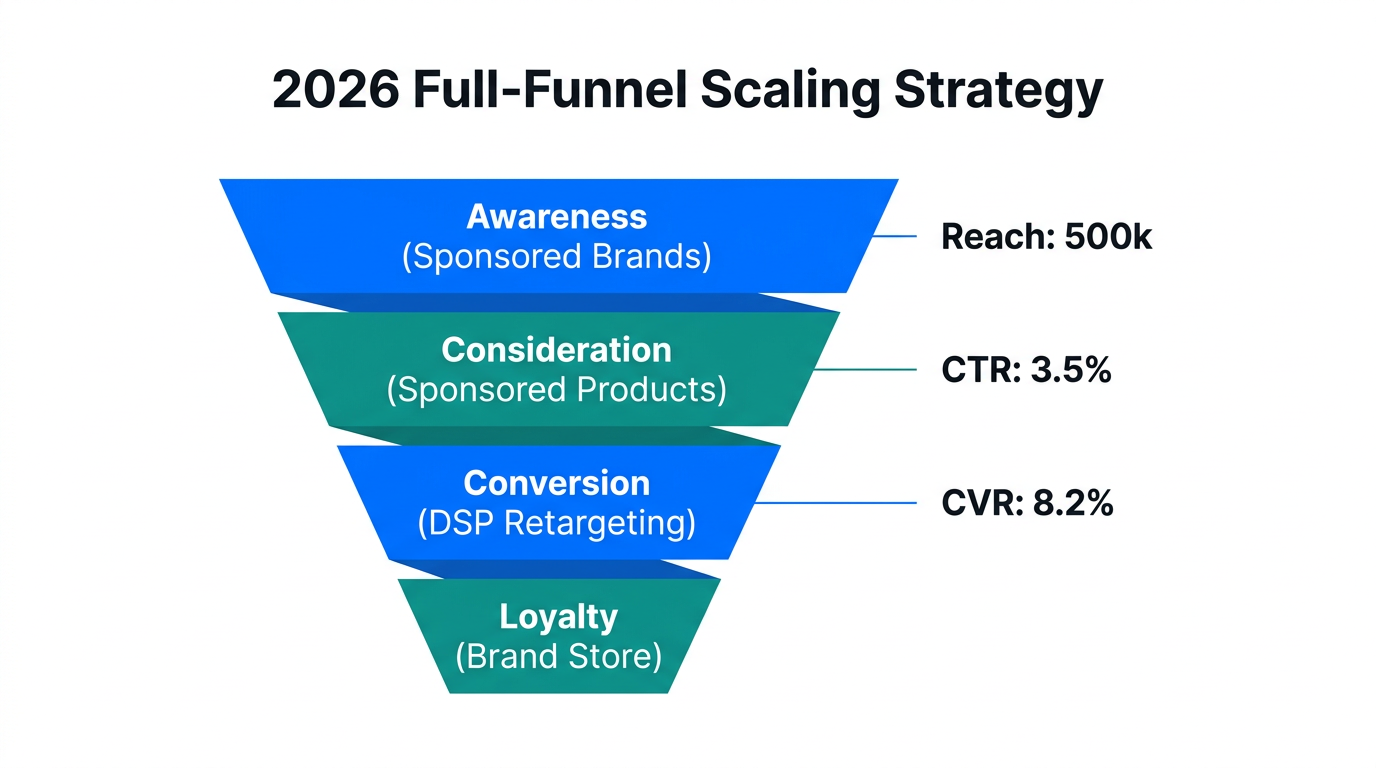
To succeed with e-commerce growth automation this year, brands must move beyond basic settings. Use this playbook to optimize your 2026 Amazon strategy:
- Implement Intraday Bidding (Dayparting): Use AI to ingest hourly data from the Amazon Marketing Stream. Platforms can automatically increase bids during peak conversion windows (e.g., 7 PM - 10 PM) and lower them during "dead zones" to maximize ROAS.
- Automate ASIN Prioritization: Apply the 80/20 rule. Let your AI identify the top 20% of your catalog that generates 80% of your revenue and concentrate 70% of your total budget on these "Hero" products.
- Continuous Keyword Harvesting & Negation: Set up automated "Search Term Analysis." Your AI should move high-performing search terms from Auto to Manual campaigns instantly while using tools like AdBadger for blocking non-converting terms in real-time.
- Deploy Dynamic Budget Rules: Don't let your campaigns go dark at 2 PM. Use AI to reallocate funds from underperforming campaigns to your top-selling products automatically when performance thresholds are met.
- Creative A/B Testing via AI Agents: Use AI to generate 5–10 image variations for Sponsored Brands. Let the algorithm automatically favor the version with the highest Click-Through Rate (CTR).
The Proof: Real-World ROI in 2026
The impact of Amazon AI advertising strategies is visible across every category. For example, the brand K2 Health utilized Adbrew’s full-funnel automation to launch 122 customized campaigns in just eight months. The result was over $1 million in incremental sales and a 24.6% lift in total revenue. Similarly, the brand Clovia saw an 80% increase in New-to-Brand (NTB) orders by letting AI coordinate their Sponsored Products and Display ads.
Even legacy brands are winning with these tools. Lay’s leveraged Amazon DSP and AMC automation to achieve a 133% higher purchase rate compared to their manual benchmarks, as detailed in Amazon's official case studies. These cases prove that automation is no longer optional; it is the primary engine of growth in 2026.
"Brands that leverage AI today aren't just saving time—they are capturing market share that manual advertisers simply cannot reach."
The "Automation Trap": Common Mistakes to Avoid
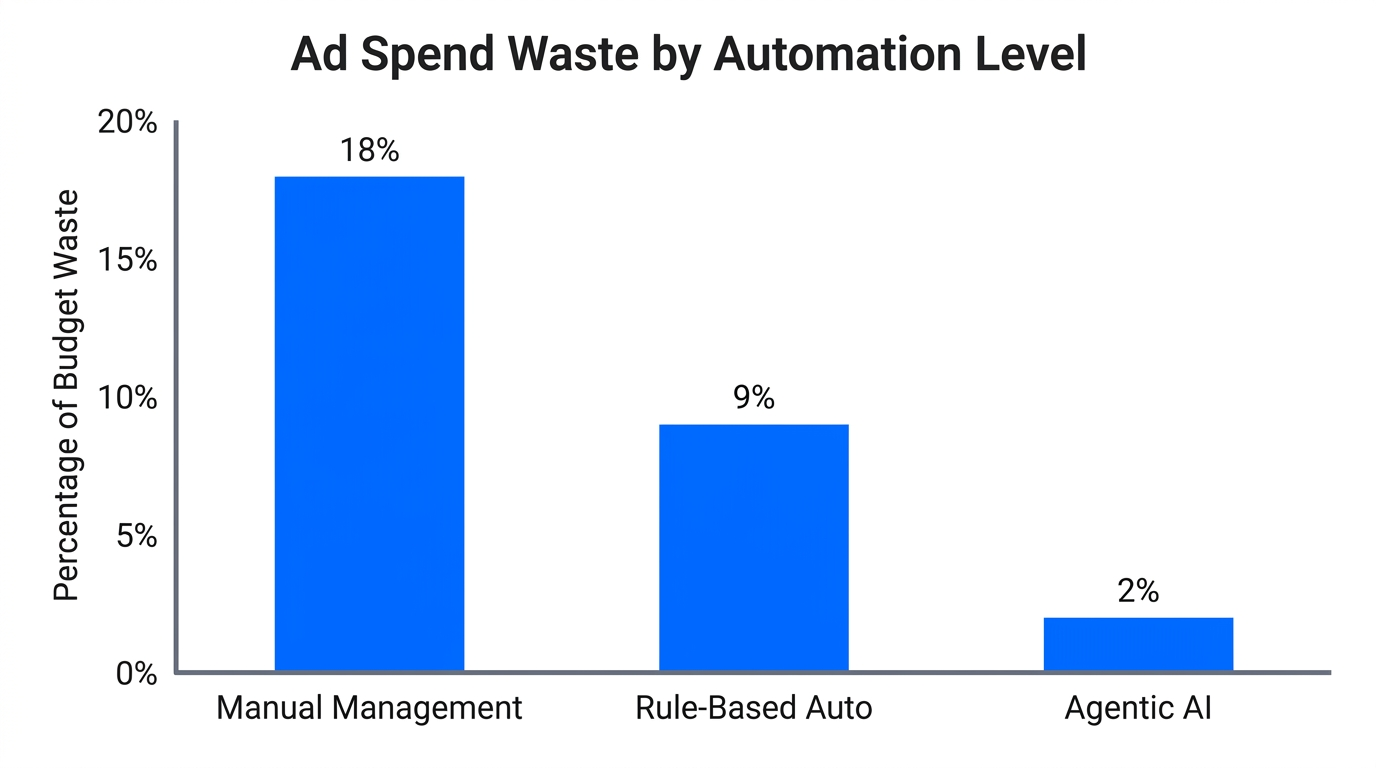
While the AI is powerful, it is not infallible. Ben Debono, Director at Bobo Digital, warns that "Strategy still wins; brands must map out audience intent before letting AI take the wheel." Avoid these common 2026 pitfalls:
- The "Set and Forget" Mentality: Never leave your automation without human oversight. AI can optimize for numbers, but it doesn't always understand brand alignment or long-term creative strategy.
- Disrupting the Learning Phase: Amazon’s algorithms require 7–14 days of stable data to optimize effectively. Making frequent manual bid changes resets this learning window.
- Acting on Same-Day Data: Attribution lag is still a factor. AI decisions should always be based on 7-day or 30-day windows rather than incomplete same-day snapshots.
- Mixing Match Types: Combining Broad and Exact match keywords in a single automated campaign confuses the AI’s optimization goals. Keep discovery and conversion separate.
Conclusion: Building Your 2026 Growth Stack
As we look toward the second half of 2026, the mandate for Amazon merchants is clear: automate or stagnate. By integrating Agentic AI for bidding and AMC for full-funnel data, you can achieve a level of precision that was impossible just two years ago. However, advertising is only one piece of the puzzle. To truly scale on platforms like Shopify or Amazon, you need high-converting creative and social proof. Platforms like Stormy AI streamline the process of discovering UGC creators who can provide the authentic content needed to fuel your AI-driven campaigns. In the AI-first marketplace of 2026, the winners will be those who combine the efficiency of automation with the power of human-centric content.