In a world drowning in a "sea of sameness," building a billion-dollar consumer brand isn't about inventing a new category from scratch. It’s about disrupting the boring ones. Eric Ryan, the mastermind behind Method, Olly, and Wellie, has perfected a playbook for reinventing designer commodities. By applying a sophisticated psychological lens—balancing narcissism (the personal desire for aesthetics and status) with altruism (the social drive for health and sustainability)—he has transformed mundane items like soap and bandages into objects of desire. This article explores his unique approach to brand storytelling and D2C growth strategies that turn commodities into cult-favorites.
The Psychology of Desire: Narcissism vs. Altruism
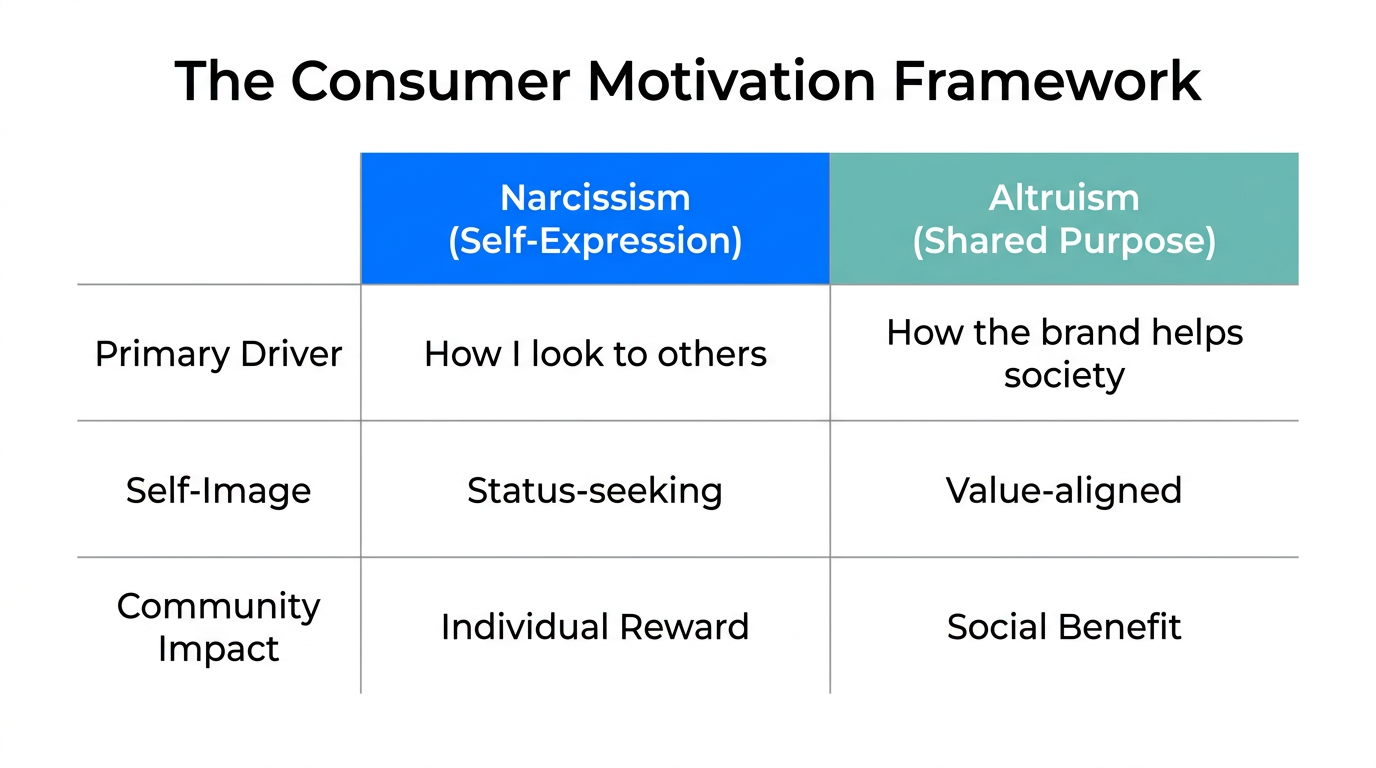
Most marketers fail because they focus too heavily on one side of the human psyche. They either sell purely on "green" credentials (altruism) or purely on vanity (narcissism). Ryan’s core thesis is that the most powerful brands live at the intersection of both. When you buy Method soap, you aren't just buying a non-toxic cleaner; you are buying a beautiful object that looks stunning on your kitchen counter. The narcissism is the visual appeal and fragrance; the altruism is the sustainability and health factor.
This dual-path approach is one of the most effective customer loyalty strategies available to modern founders. It creates a "creative tension" that deepens the consumer experience. If a product is purely functional, it’s a commodity. If it’s purely aesthetic, it’s a luxury. But if it fulfills both a selfish desire for beauty and a selfless desire for a better world, it becomes indispensable.
"You look at a dish soap more than you use it. It’s a meaningful part of the experience of buying, but most brands miss that narcissism entirely."
The Playbook for Disrupting Boring Categories
Ryan doesn't look for what’s missing in the future; he looks for what’s ignored in the present. His process for scaling a startup involves four distinct stages that any entrepreneur can replicate in their own niche market marketing efforts.
Step 1: Identify the Cultural Shift
Look for a macro trend that a specific category has completely missed. For Method, it was the "lifestyling" of the home. For Olly, it was the shift of wellness from a medicinal chore to a lifestyle pursuit, pioneered by brands like SoulCycle. When the category is stuck in the past, and culture has moved forward, that gap is your business opportunity.
Step 2: The Thief Mentality
The best ideas aren't original; they are stolen from disparate industries. Ryan often travels to Japan or London to observe retail trends in high-end fashion or architecture and applies them to soap. He once turned the texture of a pillowed building in Tokyo into the shape of a handwash bottle. The further apart the two dots are, the more powerful the innovation becomes when you connect them.
Step 3: Simplify and Subtract
Incumbents often over-complicate their products because they are hiding an insecurity. They use jargon like "Melatonin" or "Biotin" instead of simply saying "Sleep" or "Beauty." By simplifying the benefit to its most primal form, you lower the barrier to entry for the consumer. As Ryan says, "If it’s hard, it’s probably wrong."
| Brand Attribute | Legacy Approach (Incumbents) | Modern Approach (Ryan Playbook) |
|---|---|---|
| Naming | Scientific/Descriptive (e.g., Metamucil) | Emotional/Short (e.g., Olly) |
| Packaging | Functional/Sterile | Object of Desire/Aesthetic |
| Positioning | Problem-Focused | Benefit-Focused (Lifestyle) |
| Innovation | Incremental Change | Creative Tension (Altruism/Narcissism) |
The '4-Letter, 1-Word' Naming Rule
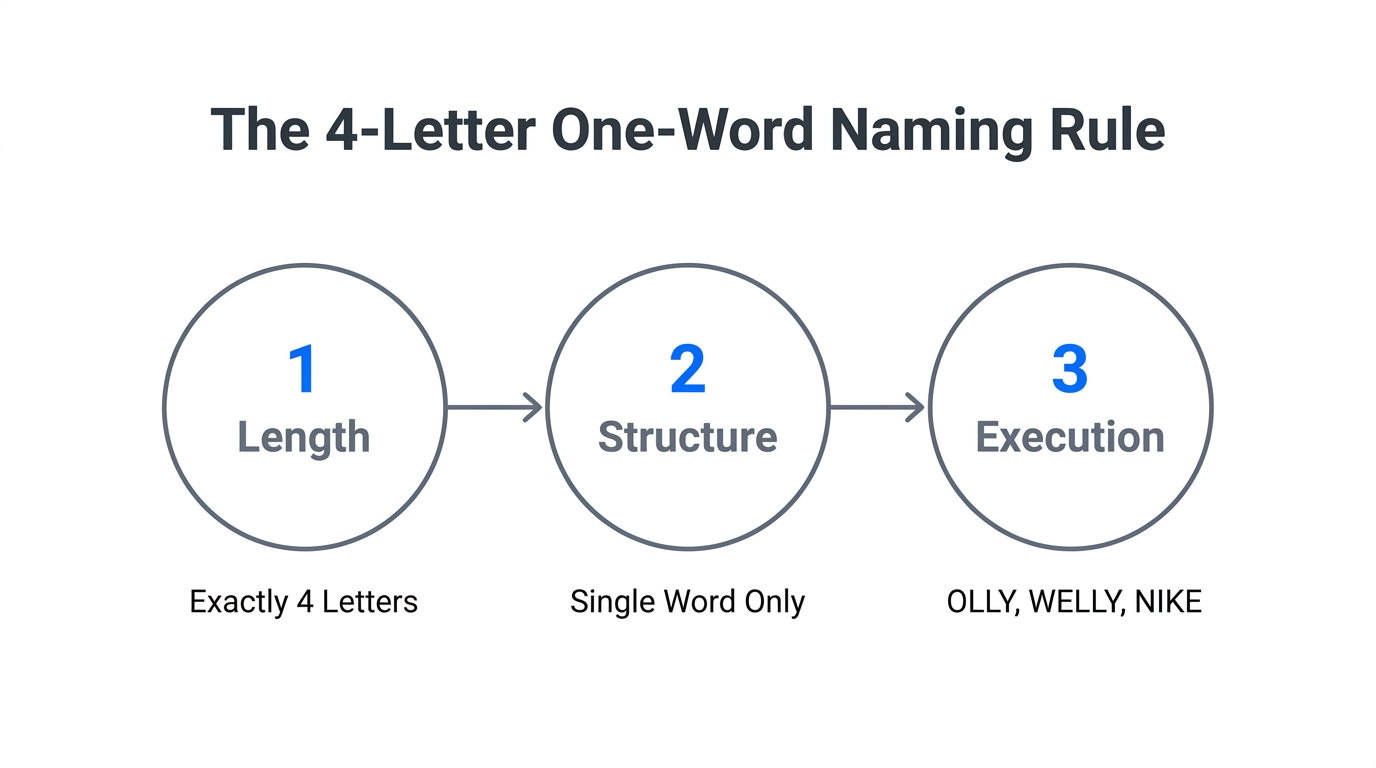
Brand naming is one of the most difficult hurdles for any D2C growth strategy. Most founders pick names that are too descriptive or too long, making them difficult to recall. Ryan’s holy grail for naming is one word, four letters. Think: OLLY, CAST, or WELL (the precursor to Wellie). Short names are iconic, easily recognizable on a crowded shelf, and feel like they have always existed.
When naming a brand, Ryan starts with a "jumping-off word" that represents the core technique or emotion. For Method, it was the idea of technique. For Olly, it was about being a "friendly ally" in the health aisle. This simplicity allows the brand to scale across categories without being pigeonholed by its name. If you are launching on Shopify, a short, punchy name also aids in domain acquisition and social media handles.
"Naming a brand is the most difficult part of a startup. If you can get it down to four letters and one word, you've found the holy grail of recall."
Why 'Boring' Products are the Best Candidates for High-Margin Growth
Many founders chase the next AI software or complex gadget, but the real wealth is often hidden in the products we use every day. Fiber, bandages, dish soap, and vitamins are all repeat-purchase commodities with massive addressable markets. Because these categories are often dominated by legacy brands that haven't innovated in decades, they are ripe for disruption through brand storytelling.
Take fiber, for example. The leading brands sound like diseases or insurance policies. By applying the Ryan framework, a founder could turn fiber into a "metabolism-boosting" lifestyle product with high-end aesthetic packaging. When you source creators to talk about these products, you don't need to explain the utility—everyone knows what soap or fiber does. You only need to explain why *your* version is a better reflection of the customer's identity. Platforms like Stormy AI streamline creator sourcing and outreach, allowing brands to find influencers who can narrate these origin stories effectively across TikTok and Instagram.
Moving from Inauthentic 'White Labeling' to Origin-Story-Led Brands
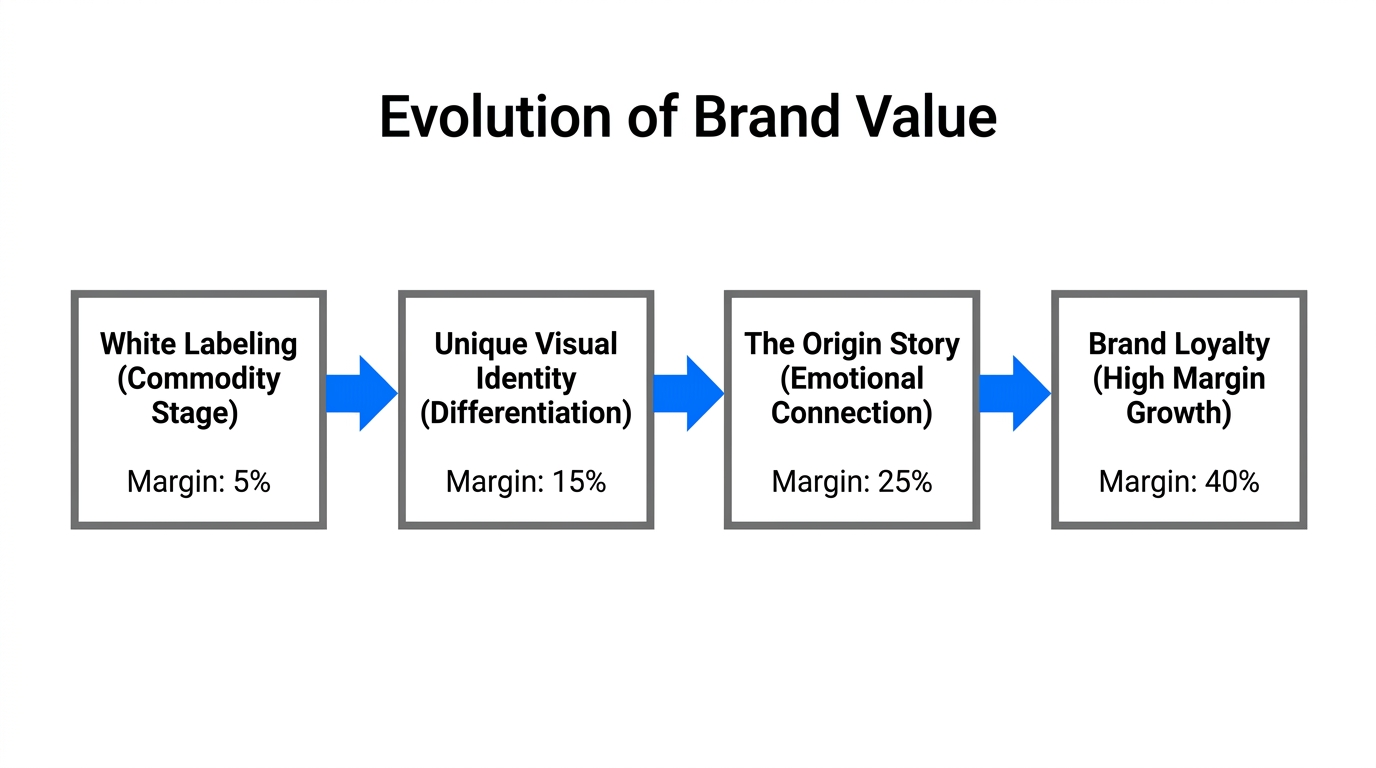
In the early days of scaling a startup, it is tempting to white-label a generic product to get to market quickly. However, long-term customer loyalty is built on authenticity. Consumers are increasingly skeptical of "faceless" brands. To win, you must sell the origin story, not just the product. Ryan suggests that if you are selling chicken, don't sell the meat—sell the farm. Create a narrative around the source that makes the consumer feel good about their purchase.
This is where UGC (User-Generated Content) becomes critical. By working with creators who can document the "why" behind the brand, you build trust faster than any traditional advertisement could. Whether you are running ads through TikTok Ads Manager or Meta Ads Manager, the content must feel grounded in a real story. Authenticity is the antidote to the surplus of choice in the modern market.
"Don't sell the chicken, sell the farm. People want to know the story behind the commodity to justify the premium price."
The Transition from CEO to 'Coach'
As a founder moves from the "state of make" to the "state of scale," their role must evolve. Many entrepreneurs struggle because they try to remain the operator for too long. Ryan’s model involves hiring "Artisan Operators"—leaders who possess both the imagination to innovate and the discipline to manage supply chains and finance. This allows the founder to move from the quarterback to the coach on the sidelines.
Scaling requires finding leaders who can live in the uncertainty of a startup. Ryan notes that highly accomplished executives from linear backgrounds often fail in startups because they panic when things go wrong. Successful scaling requires a team that can iterate and adjust without losing momentum. For founders managing multiple projects, using a centralized creator CRM like Stormy AI helps maintain the "entrepreneurial juice" by automating the discovery and outreach process, letting the founder focus on the high-level vision.
Actionable Takeaways for Modern Founders
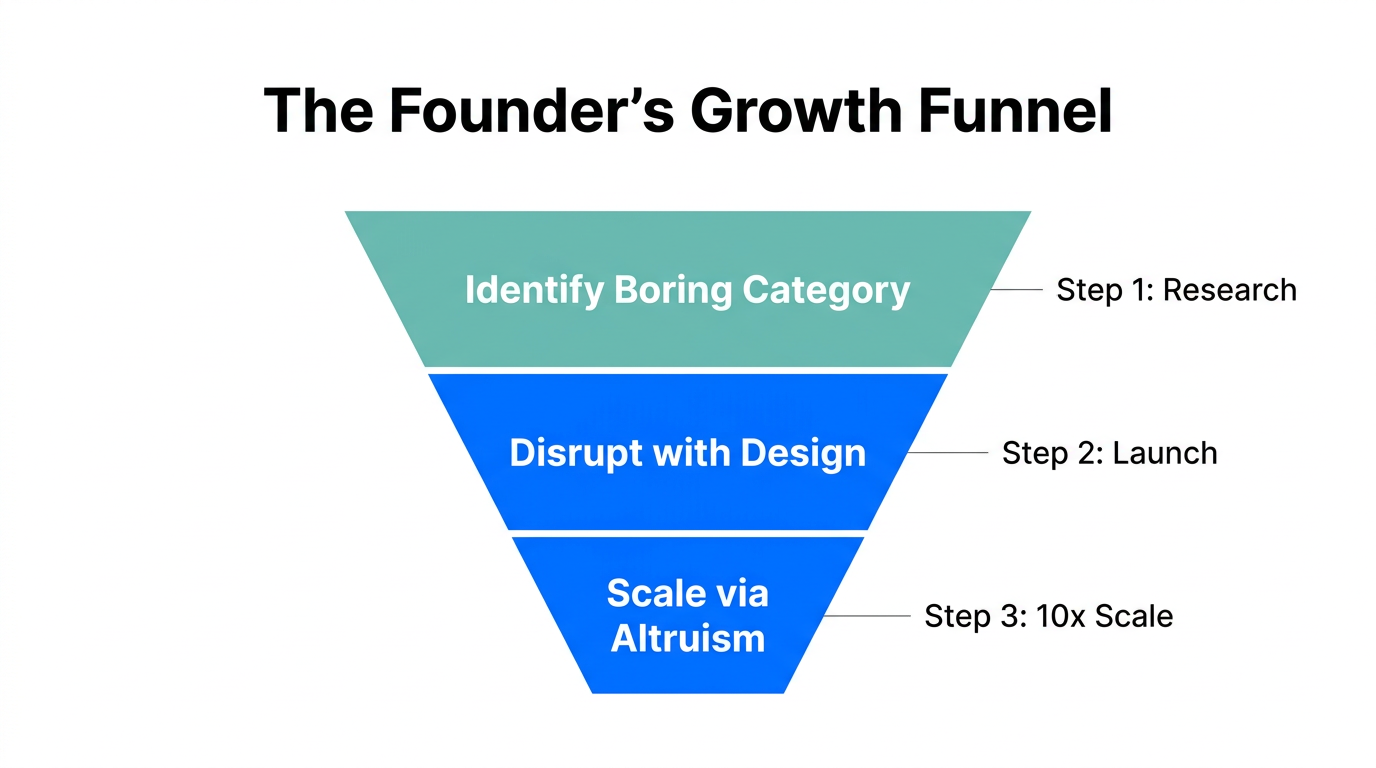
The success of brands like Wellie and Olly isn't an accident; it's the result of a repeatable framework. If you are looking to dominate a niche market, follow these steps:
- Audit the Aisle: Look for the "sea of sameness" in everyday categories. If every competitor is round, be square.
- Lower the TTF: Focus on "Time to Fun." How quickly can your customer get a satisfying result or emotional hit from your product?
- Connect the Disparate: Steal design cues from fashion or architecture and apply them to hardware or consumables.
- Balance the Psyche: Ensure your marketing hits both the narcissist (I look good using this) and the altruist (I am doing good by using this).
- Keep it Simple: Use the 4-letter naming rule and benefit-led positioning to cut through the noise.
By shifting your focus from "making something new" to "making something better," you can build a brand that resonates on a primal level. Whether you are leveraging Google Ads for search intent or scaling via influencer collaborations, the Altruism vs. Narcissism framework remains the most potent tool in the modern marketer's arsenal. Start by looking at your own kitchen counter—what boring product is waiting for its designer moment?