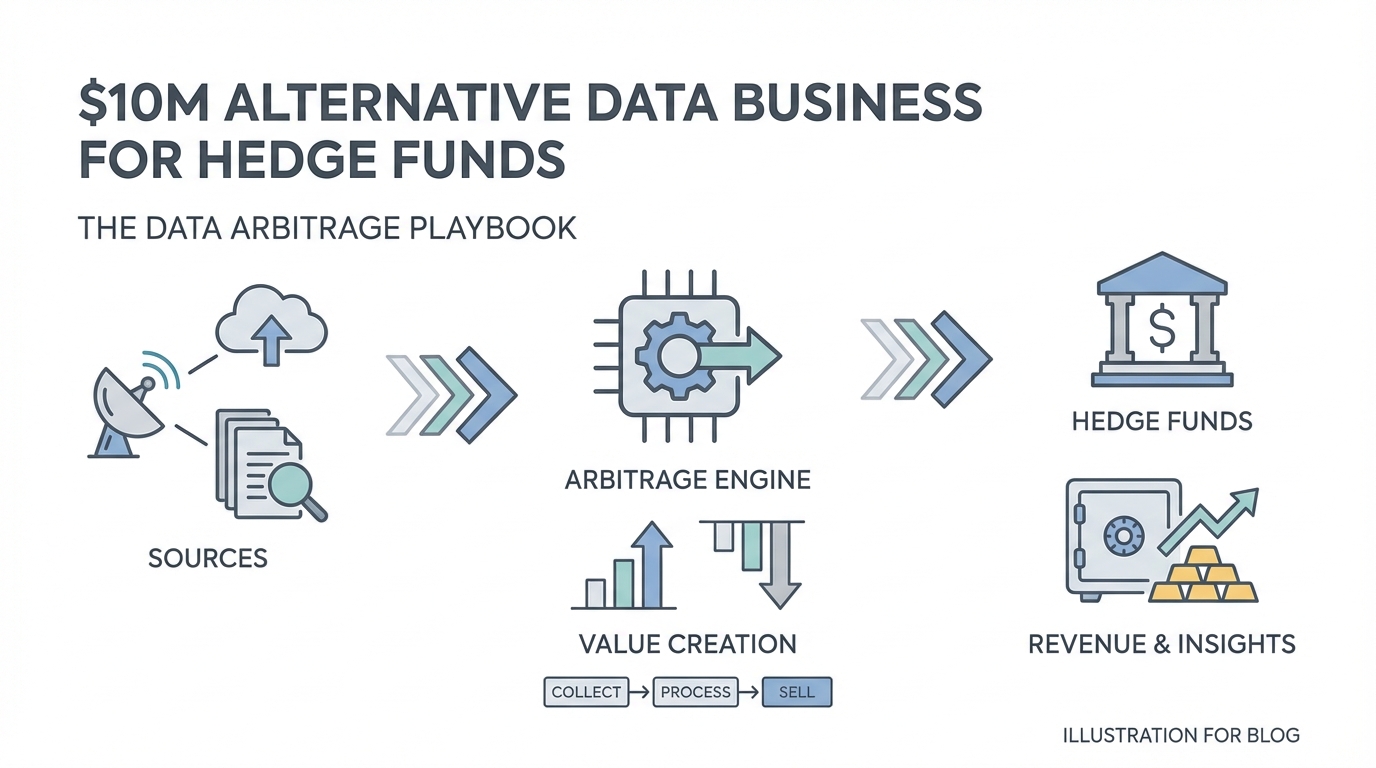
When people think of the wealthiest individuals in New York, their minds often drift to the titans of Wall Street—the high-flying hedge fund managers and private equity moguls. However, the richest man in New York isn't a trader or a fund manager. It is Michael Bloomberg. While the titans of finance are busy making bets, Michael Bloomberg has built a fortune far exceeding theirs by selling them the tools they need to make those bets. He provides the "picks and shovels" for the gold rush that is the modern financial market. This is the ultimate data arbitrage business model: identifying a price-insensitive audience that requires urgent, proprietary insights and building a pipeline to supply it.
The Michael Bloomberg Model: Selling Picks and Shovels to the Gold Miners
The core insight behind building a massive information business is understanding that information is the most valuable commodity in the investment world. Hedge funds and private equity firms operate in a state of constant urgency. They are highly rational actors; if you can provide data that helps them make money or avoid losing it, they are not price-sensitive. In the world of Goldman Sachs and other major investment banks, access to unique information is the difference between alpha and mediocrity.
For years, companies like GLG (Gerson Lehrman Group) and AlphaSights have dominated this space by building "expert networks." They connect investors with industry professionals who have ground-level insights. During his time running Ampush, entrepreneur Jesse Pujji noted that hedge fund managers were willing to pay upwards of $2,500 per hour for a simple phone call. Why? Because they had positions worth $300 million in companies like Meta and needed to know one thing: "Are your clients spending more or less this quarter?"
Step 1: Identifying the 'Alternative Asset' Customer
To build a successful alternative data provider, you must first understand the psychology of the buyer. Alternative asset managers—hedge funds, credit funds, and venture capital—are rational, urgent, and price-insensitive. Unlike a standard SaaS customer who might haggle over a $50/month subscription, a hedge fund manager will happily pay $200,000 a year if it gives them a 1% edge on a billion-dollar trade.
Investment research trends suggest that the market is moving away from generic reports toward raw, proprietary data. According to industry research, the global alternative data market is expected to grow significantly as firms seek "unique insights" and "unfair advantages." If you are a founder looking to enter this space, your first task is to find a cross-section of knowledge where you have an edge. For example, if you have deep connections in the world of Meta Ads Manager or Google Ads, you are sitting on a gold mine of hedge fund data analytics.
Step 2: The Survey-to-Insight Pipeline
The most lucrative opportunity in the current market is aggregating marketing insights for finance. Most public companies today are driven by digital ad spend. If you can track the spending patterns of $5 billion worth of ad spend across Meta, Google, and Amazon Advertising, you can predict the quarterly earnings of major consumer brands before they are even announced.
How do you build this pipeline? You create a systematic survey process for agencies and marketing directors.
- Incentivize the Data: Pay agency owners or offer high-value perks, such as an annual retreat, in exchange for submitting their quarterly spend data.
- Aggregate the Metrics: Collect specific data points—Are they spending more? Is the cost-per-acquisition (CPA) rising? Are they shifting budget from Facebook to TikTok?
- Standardize the Report: Turn these raw surveys into a clean, searchable database.
Step 3: Leveraging AI for Data Enrichment

The modern version of this business isn't just about surveys; it's about AI-assisted data enrichment. Legacy players like Tegus disrupted the expert network space by recording and transcribing calls, making them searchable via AI. You can take this a step further by using AI to scrape public data and enrich it with your proprietary survey results.
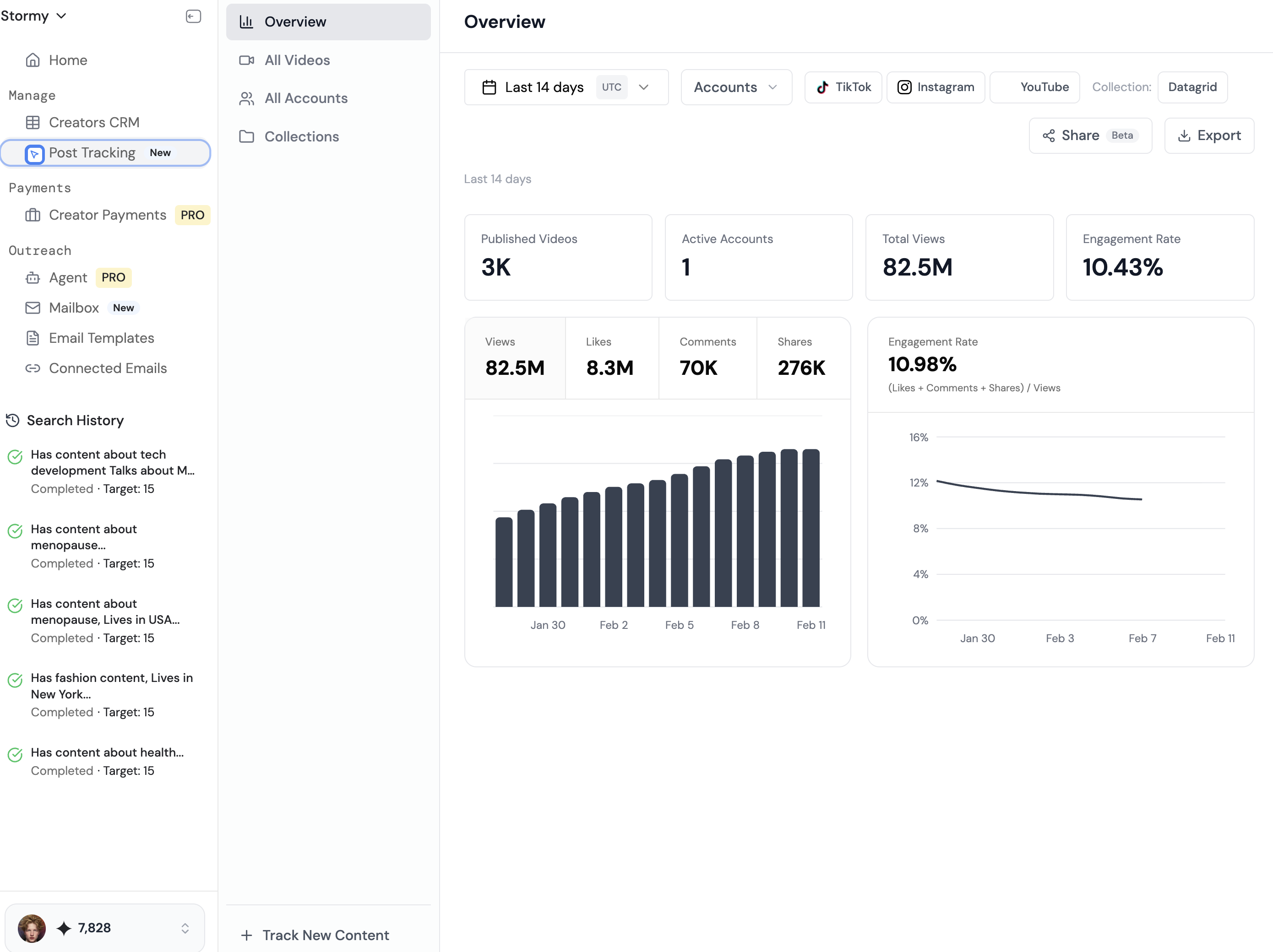
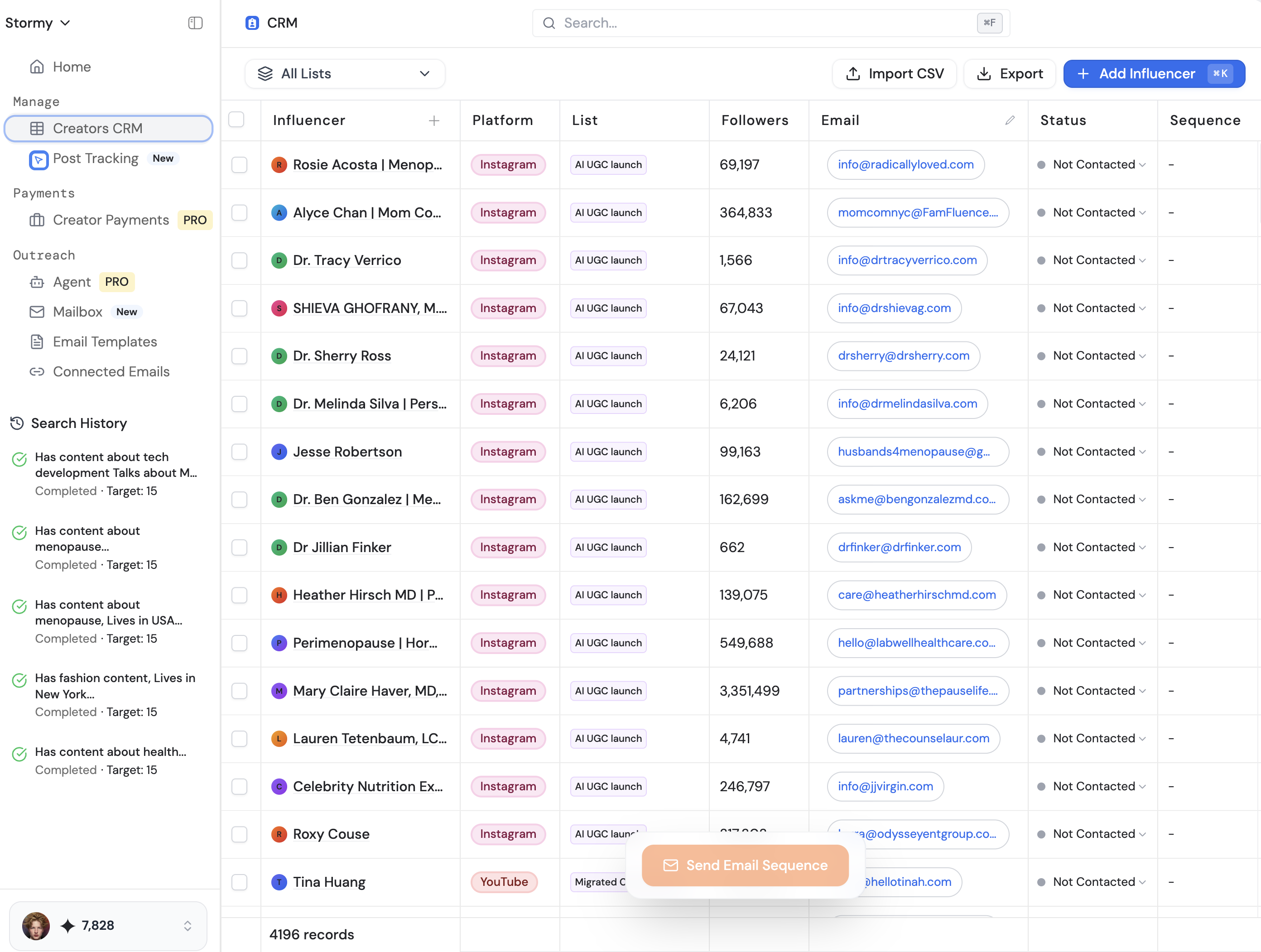
For instance, if your data shows a sudden spike in ad spend for a specific retail category, you can use AI tools to cross-reference this with social media sentiment or influencer activity. For businesses tracking content trends, platforms like Stormy AI streamline creator sourcing and outreach, providing another layer of qualitative data for your reports. In the world of post-tracking and campaign monitoring, having an automated system to see which videos are going viral helps confirm the quantitative spend data you are collecting from agencies.
Step 4: Pricing Strategies and the Reverse Auction
When selling information products to high-end finance clients, standard pricing models don't apply. The value of data decreases as more people have it. If every hedge fund in the world knows that Meta spend is up 20%, that information is priced into the stock, and the edge disappears. Therefore, scarcity is your biggest pricing lever.
Instead of trying to sell to 1,000 customers, implement a reverse auction. Decide that only 20 firms will ever have access to your data. Ask them to bid their highest annual contract value (ACV) for a seat at the table. This not only maximizes your revenue but also aligns your interests with the buyers—they are paying for the exclusivity as much as the data itself. A business with 20 customers paying $200,000 a year is a $4 million revenue business with virtually no overhead. Scale that across three verticals (Marketing, IT, and Healthcare), and you have an easily attainable $10 million EBITDA business.
Step 5: Scaling from Marketing to the GDP List
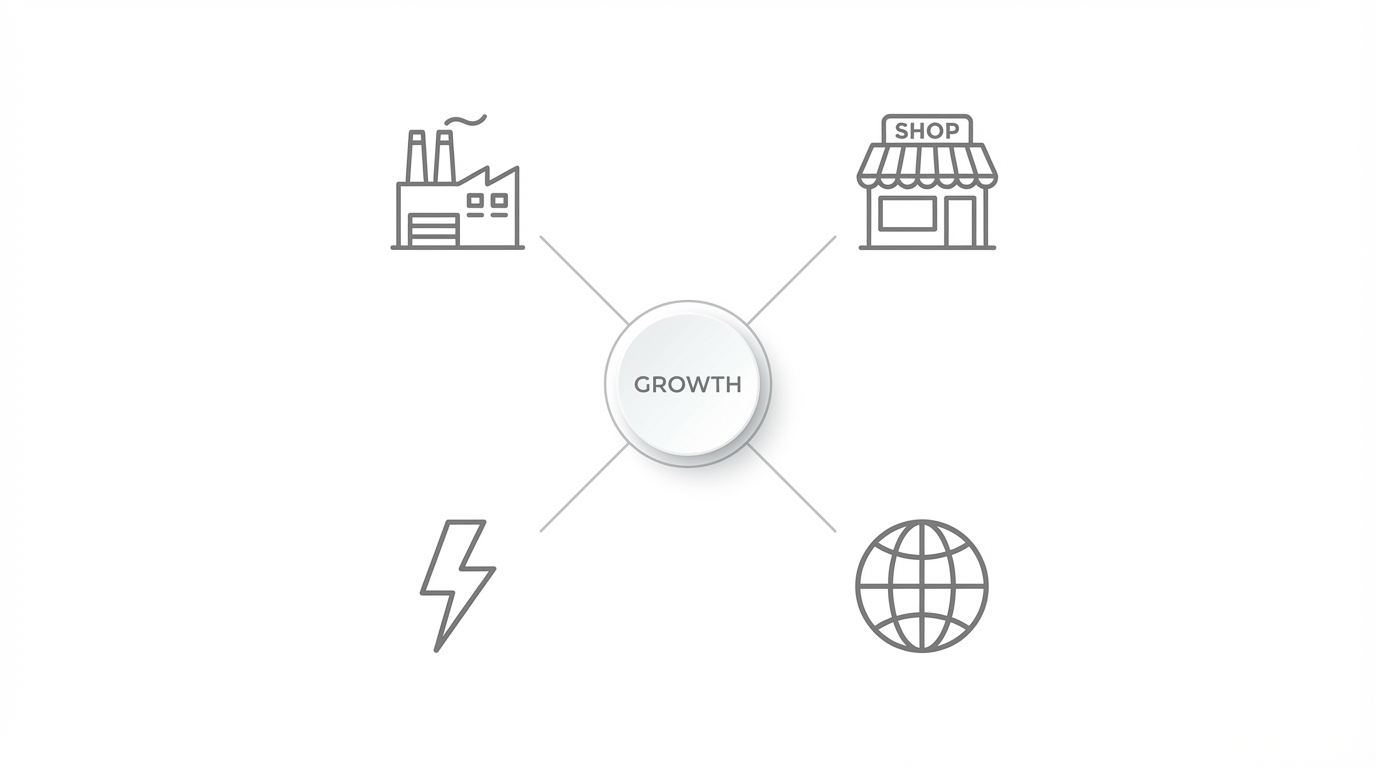
Once you have mastered the "marketing expert network" or ad spend survey model, the playbook for alternative data providers is to verticalize. You can move down the GDP list and pick off industries one by one. Potential verticals include:
- IT and Cloud Spend: Surveying CTOs on their migration from AWS to Microsoft Azure.
- Healthcare: Tracking pharmaceutical sales through doctor surveys.
- Automotive: Monitoring dealership inventory and consumer demand shifts.
- Real Estate: Aggregating proprietary occupancy and rental rate data.
Step 6: Executing the Arbitrage Without a Network
The most common objection to this model is, "I don't know any hedge fund managers." While a network helps, it isn't a prerequisite. The key is to leverage your unfair advantage in the supply of data. If you are in the construction industry, don't try to sell Meta ad spend data; sell proprietary insights on construction material lead times. If you are in SEO, use technology from firms like Boring Marketing to track search trends that predict company growth.
Use platforms like LinkedIn to find mutual introductions. Reach out to senior partners at mid-market firms with a "hat in hand" approach: "I have this data, I'm not sure if it's valuable to you, but I'd like to understand what you're looking for." Authenticity and a willingness to be helpful will open more doors than a hard sales pitch. Once you have your first customer, you can use that social proof to win the next nine.
Conclusion: Your Edge is the Information
Building a $10M alternative data business is not about being the smartest trader; it's about being the most diligent aggregator. By identifying the needs of price-insensitive hedge funds and creating a systematic way to survey and enrich data, you can build a high-margin, high-moat business. Whether you are using Stormy AI to track the burgeoning UGC economy or building a proprietary survey of IT spend, the formula remains the same: Find the data others can't see, and sell it to those who can't live without it.