In 2026, the traditional education system is facing its most significant disruption since the industrial revolution. For decades, the 'factory model' of schooling—age-based cohorts, standardized testing, and one-size-fits-all instruction—has been the status quo. However, a new wave of entrepreneurs is leveraging the Bloom’s Two Sigma Problem to build high-ticket, high-leverage business models that guarantee results rather than just attendance. By combining AI tutoring with human-led 'life grit' training, companies like Alpha School and Mentava are proving that you can scale personalized excellence.
The Two Sigma Problem: Why Personalized AI Tutoring is the 2026 Value Prop
 42:59
42:59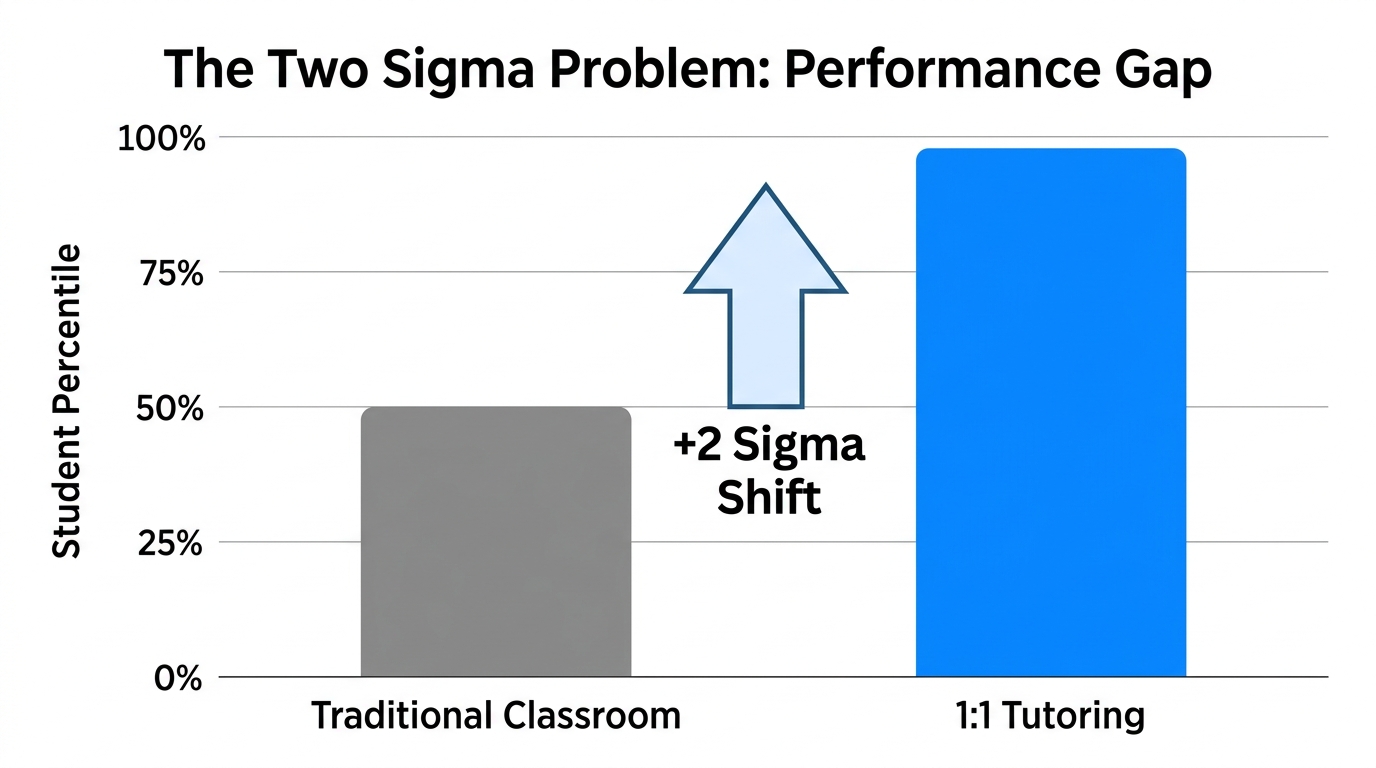
Educational psychologists have long known that one-on-one tutoring is the 'gold standard' of learning. Research into Bloom’s Two Sigma Problem shows that students who receive individual instruction perform two standard deviations (two sigmas) better than those in a traditional classroom. In practical terms, this means the average tutored student performs better than 98% of students in a standard class.
Previously, this level of achievement was reserved for the elite—the 'Mozarts' and 'Alexanders the Great' who were mentored by masters. Today, AI tutors can provide this level of precision to every child with a tablet. By utilizing mastery-based learning, these platforms ensure a student reaches 90% proficiency before moving to the next concept. This prevents the 'shaky foundation' syndrome where a student passes with a 'C' (70%) and inevitably collapses when the material gets more complex.
"The average student in a one-on-one tutoring environment performs better than 98% of their peers in a traditional classroom. AI is making that elite advantage accessible to everyone."
Alpha School: Scaling Mastery via the 'Guides vs. Teachers' Model
41:28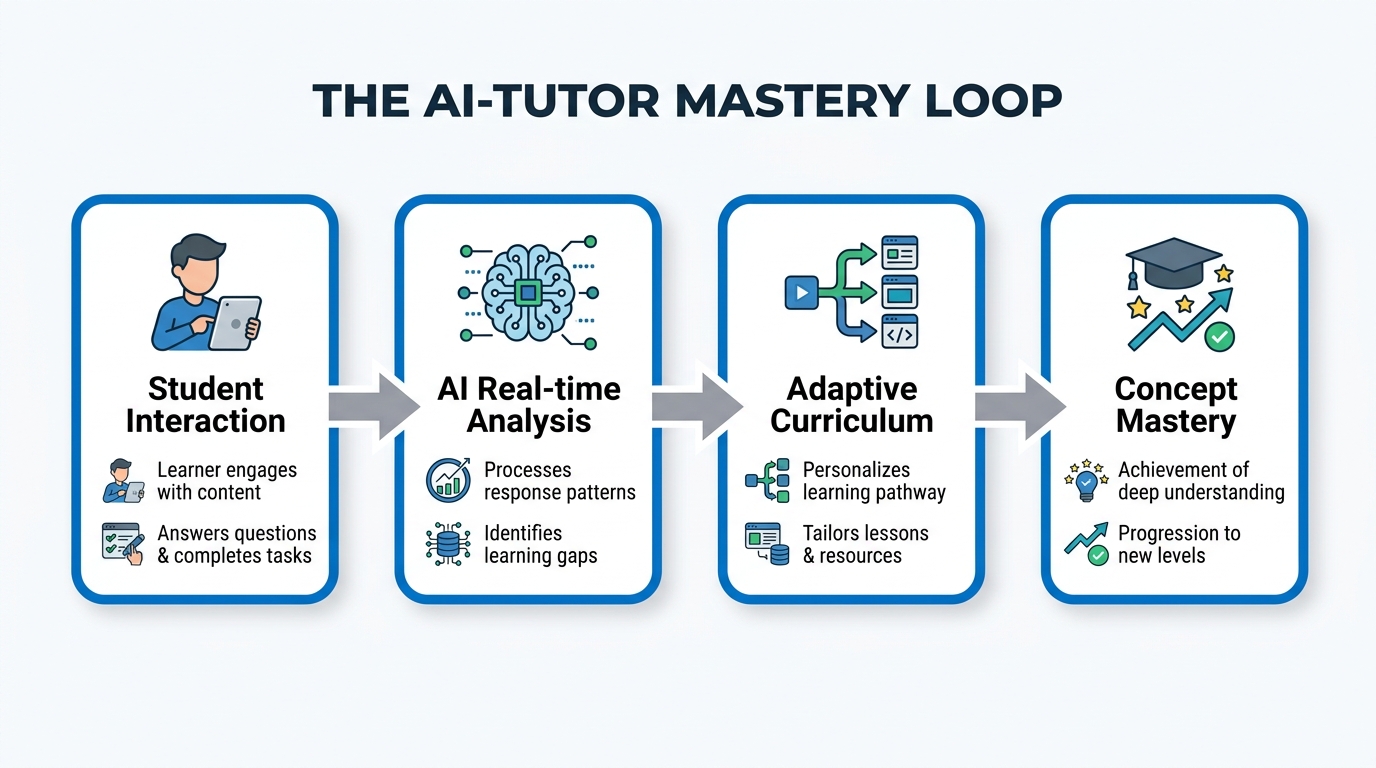
Founded in Austin, Alpha School represents a radical departure from the pedagogical norm. Under the vision of entrepreneurs like Joe Liemandt, who once graced the Forbes 400 as one of America's youngest billionaires, Alpha School uses a '2-hour academic day.' Students spend just two hours on an iPad working with an AI tutor that designs custom lesson plans on the fly. Because the AI is hyper-efficient, students often learn double the material in half the time.
But the real business innovation lies in their staffing model. Alpha School doesn't hire traditional teachers; they hire 'Guides.'
- AI handles the technical: Mathematics, reading, and science are managed by software that monitors engagement and progress in real-time.
- Humans handle the grit: Guides focus on 'Life Skill Workshops'—public speaking, entrepreneurship, and outdoor education.
- The result: A lean operational model where humans do what they are best at (motivating and inspiring) while AI does what it is best at (repetitive, precise instruction).
To scale these types of specialized educational services, many founders are turning to Stormy AI to find and vet the specific niche influencers and 'Guides' who can represent these modern brands in fragmented local markets.
Value-Based Pricing: Analyzing the $500/Month App
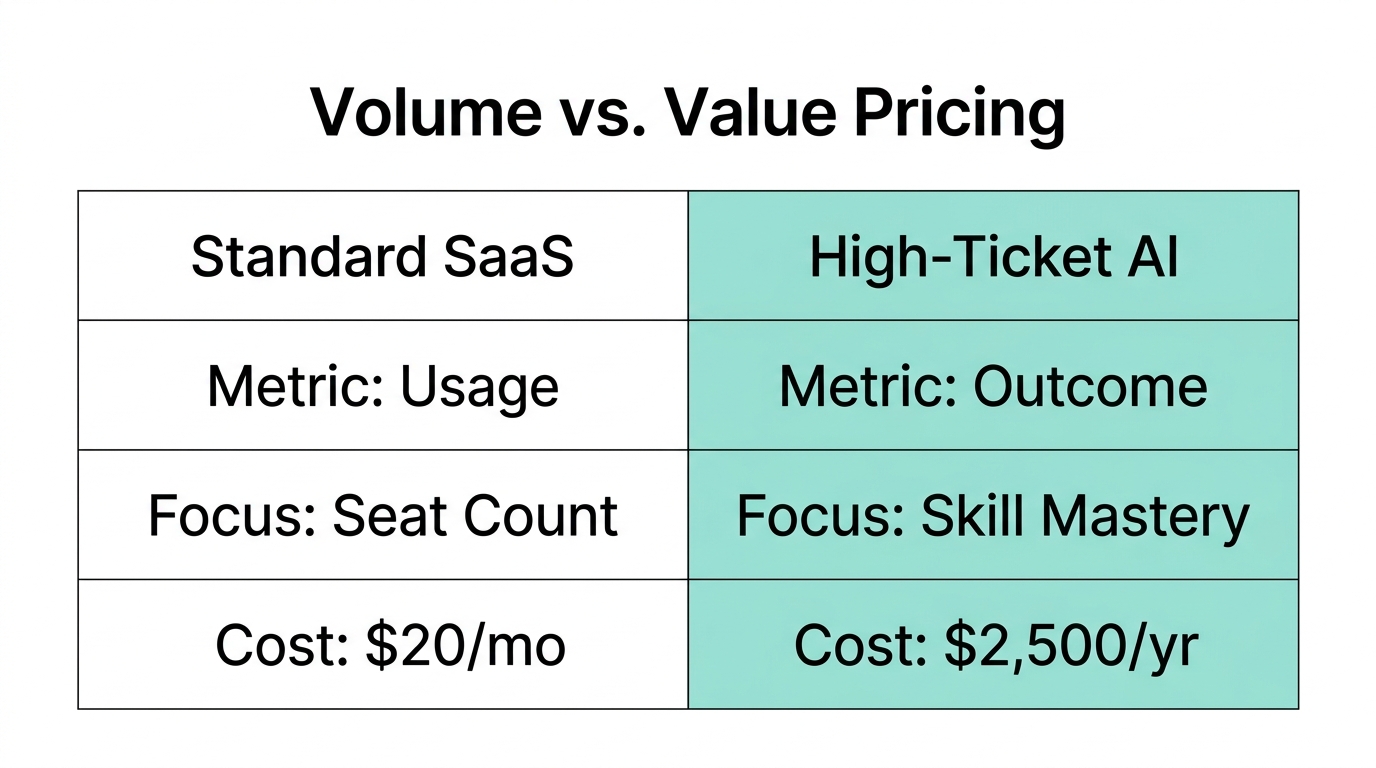
One of the most striking examples of high-ticket SaaS in the education space is Mentava. While the average educational app on the App Store might cost $7.99 per month, Mentava charges $500 per month per child.
| Pricing Strategy | Monthly Cost | Core Value Prop | Target Audience |
|---|---|---|---|
| Standard App | $7 - $15 | Entertainment/Basic Skill | Casual Parents |
| Human Tutor | $800 - $2,000 | Personalized Instruction | High Net Worth |
| Mentava (AI) | $500 | Guaranteed Literacy | Result-Oriented Parents |
This is a masterclass in Value-Based Pricing. Mentava isn't competing with other apps; they are competing with high-end human tutors. By framing their service as 'five times cheaper than a human tutor' rather than '50 times more expensive than a game,' they successfully anchor their price to the outcome: guaranteed reading proficiency for 3-5 year olds.
For entrepreneurs in 2026, the lesson is clear: if you can guarantee a high-stakes outcome (like literacy or SAT scores), you can move away from commodity pricing and into the realm of high-ticket recurring revenue, often managed through robust payment platforms like Stripe.
"If you sell features, you're a commodity. If you sell guaranteed outcomes, you're a luxury service—even if your 'staff' is purely code."
Fragmented Markets: The 'WeWork for Kids' Franchise Opportunity
As homeschooling and 'micro-schooling' trends explode, a new real estate play has emerged: The Grind Academy. This model, often described as a 'WeWork for kids,' provides the physical infrastructure for students who are technically homeschooled but want a high-performance environment.
The Grind Academy focuses on 'Sports Prep,' combining AI-driven academics with pro-level strength and conditioning. It caters to a fragmented but passionate market: parents of elite youth athletes who find traditional 8-hour school days too slow and physically draining for their children's goals. By unbundling the school experience, these 'hubs' offer:
- Morning Conditioning: Professional-grade athletic training.
- Deep Work Blocks: 2-4 hours of AI-guided academics.
- Skill Specific Training: Afternoons dedicated to baseball, drone tech, or podcasting.
This represents a massive franchise opportunity in 2026. As the 'middle' of the education market collapses, specialized hubs catering to specific niches—be it sports, coding, or the arts—allow founders to charge premium tuition (upwards of $20,000/year) for a more tailored experience than any public school could offer.
Playbook: Building a Mastery-Based Service Business
48:07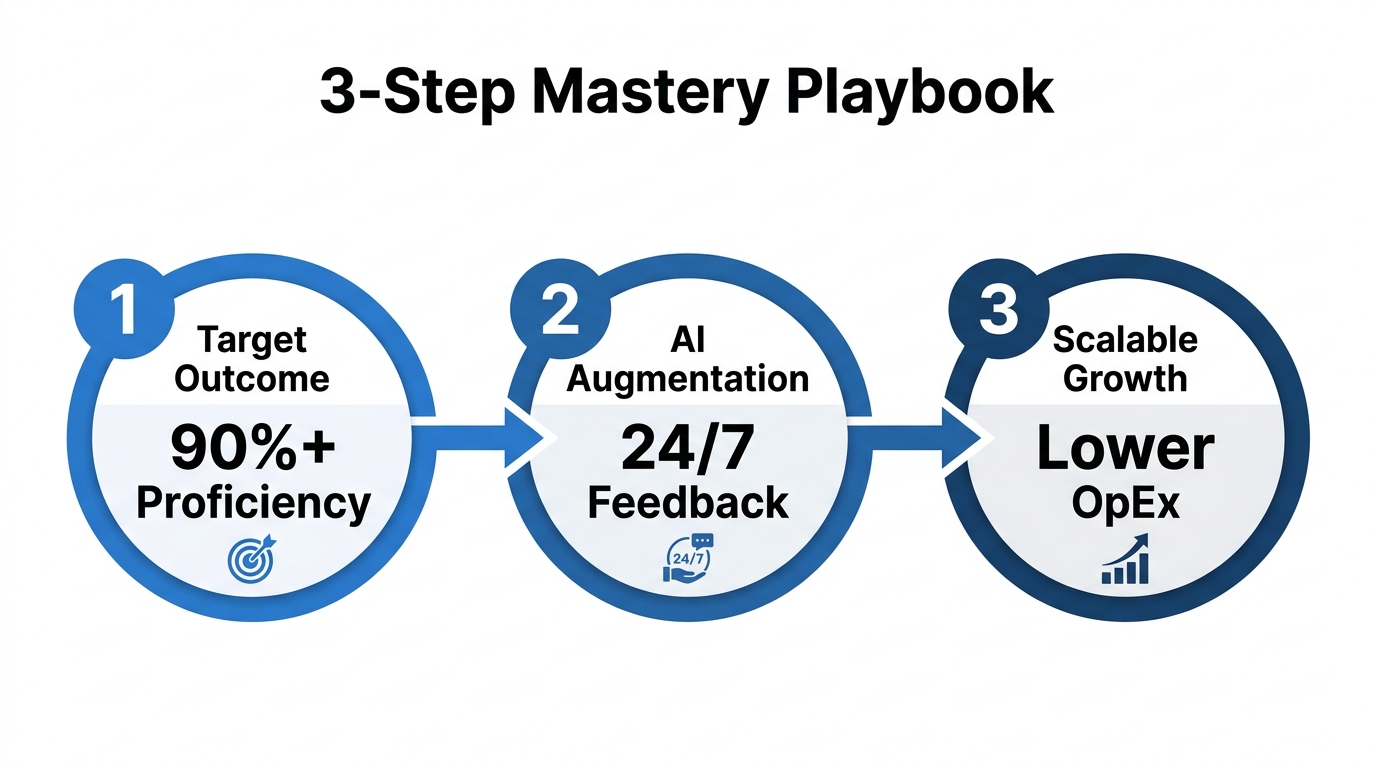
If you are looking to apply the Alpha School or Mentava logic to your own 2026 startup, follow this Mastery-Based Playbook:
Step 1: Identify the 'Two Sigma' Opportunity
Find a high-value skill that is currently taught poorly in groups (e.g., sales training, coding, language learning). Use AI to provide the personalized feedback loop that was previously only available via expensive consultants.
Step 2: Implement Radical Monitoring
Take a page from Joe Liemandt’s approach to data. Monitor performance data obsessively. If your 'student' or client isn't succeeding, the system should catch it instantly. In 2026, accountability is the product.
Step 3: Hire for EQ, Not IQ
When building your human team, don't hire subject matter experts—the AI is the expert. Hire 'Guides' who excel at motivation, empathy, and keeping the 'grit' high. Use tools like Stormy AI to identify creators and professionals who already have a proven track record of engaging audiences on TikTok and building communities.
"A smart man does first what a dumb man does last. Don't wait for scale to provide quality; provide quality through AI to achieve scale."
The Future of High-Leverage Entrepreneurship
The AI-tutor revolution is a microcosm of the broader shift in the 2026 economy. We are moving away from labor-intensive services and toward AI-augmented mastery. Whether you are building a school, a marketing agency, or a SaaS platform, the winners will be those who use technology to handle the technical 'drudge work' while humans focus on the high-level strategy and emotional grit required to win.
As you scale your own unscalable model, remember that the tools you use for discovery and management matter. Platforms like Stormy AI allow you to find the right partners to spread your message in this new, fragmented landscape across Instagram and YouTube. The era of the average is over; the era of the individual master has begun.