On every business podcast and YouTube channel, you see the same narrative: entrepreneurs "crushing it" with millions of views and an endless stream of inbound leads. But there is a silent crisis brewing behind the highlight reels. For many founders, their entire lead generation engine is built on the shifting sands of a single social media platform. When the algorithm changes—and it always does—the reach that built their empire can vanish in a weekend. To survive in the modern landscape, you need more than just a personal brand for business; you need algorithm insurance. This is the art of diversifying distribution so that a single platform’s whim doesn't become your business's extinction event.
The Danger of the 'Personal Brand Trap'
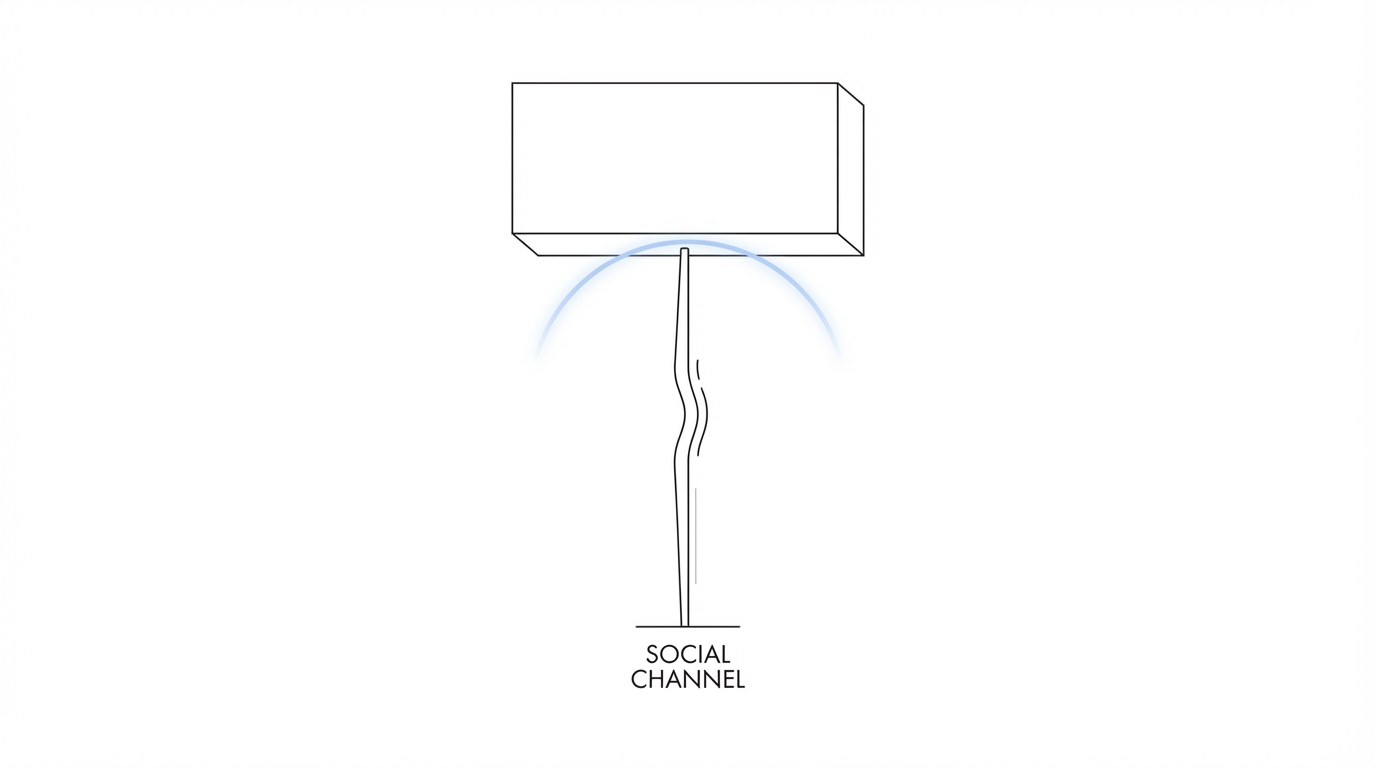
The allure of the personal brand is intoxicating. It feels like free marketing. You post a controversial opinion on X (formerly Twitter), it goes viral, and suddenly your inbox is flooded with potential customers. This is what many call the "hot hand" phase of entrepreneurship. However, relying solely on a personal brand creates a massive marketing risk management issue. You aren't just building a business; you're building a dependency on a third-party landlord who can raise the rent (or evict you) without notice.
Take the experience of Nick Huber, a well-known entrepreneur who scaled a portfolio of 11 companies. At his peak, Huber’s personal brand was a powerhouse, capable of sending thousands of website visits and hundreds of leads with a single tweet. But as the market shifted in 2024, he realized a hard truth: "I thought with a personal brand that's strong enough, you could get into an agency business of any kind and go to the moon." When the algorithm changed, that certainty evaporated. If your business depends on you being "on" 24/7 to feed the content monster, you haven't built a scalable asset; you've built a high-stress job that is one software update away from failure.
Lessons from the X/Twitter Algorithm Shift

The most prominent example of platform volatility in recent years followed the acquisition of X. Almost overnight, the reach for external links and certain types of content plummeted. For businesses that relied on organic social reach to drive traffic to their sites, the results were catastrophic. Huber noted that his ability to send business to his companies vanished as the platform prioritized different engagement metrics. This highlights why a social media algorithm changes strategy must be proactive, not reactive.
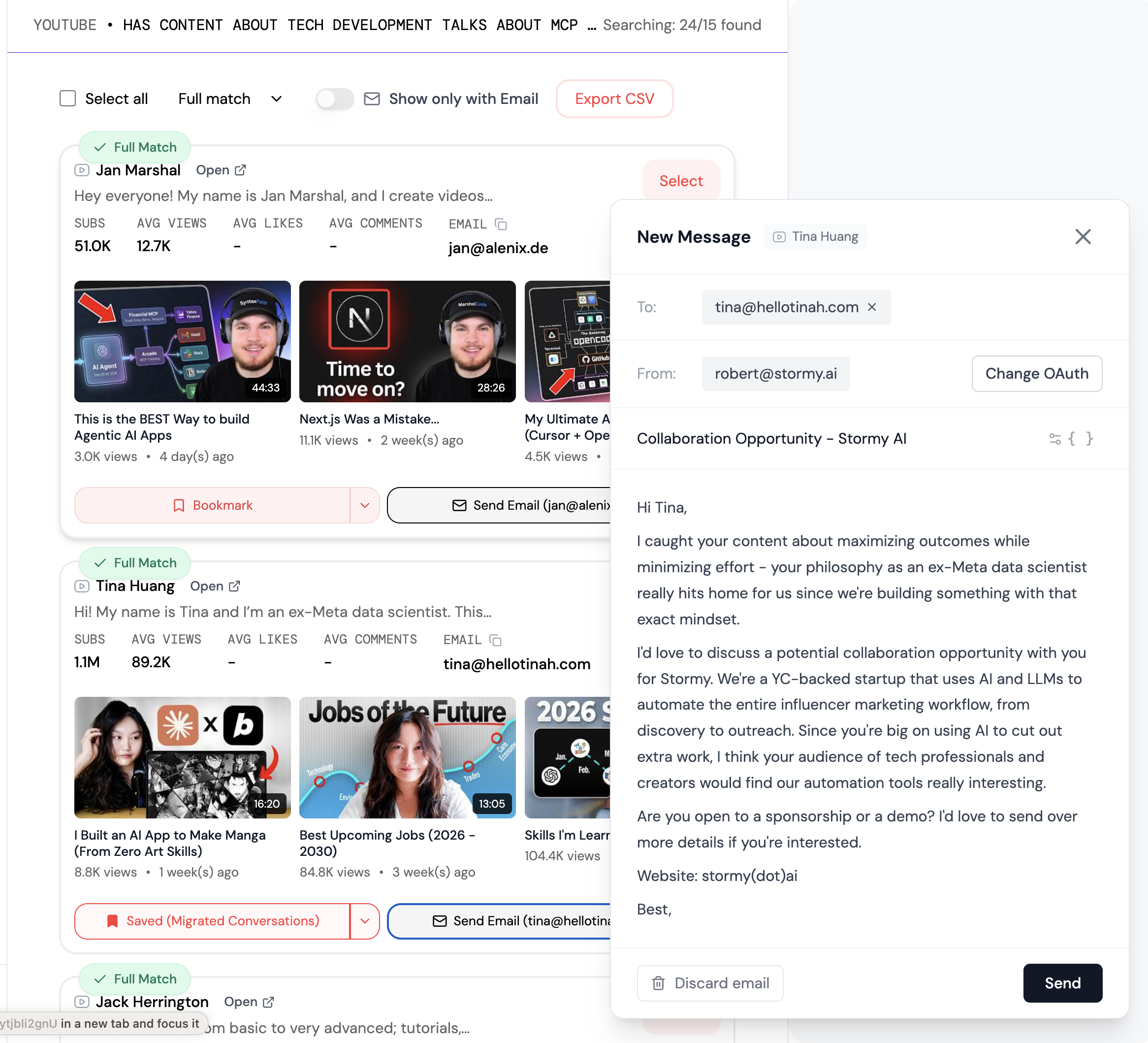
Furthermore, the risk isn't just algorithmic; it's also technical. When Huber's company rebranded from Support Shepherd to Somewhere.com, the combination of a name change and the social media shift caused 300 leads a month to vanish instantly. This is a classic case of "new owner syndrome," where aggressive changes to a working system can break the very distribution channels that made the company successful. While platforms like Stormy AI (an AI-powered search engine for creator discovery across TikTok, YouTube, and Instagram) help you find creators to diversify your content through natural-language prompts, the underlying distribution must be robust enough to withstand these transitions.
The Selection Effect: Why You Only Hear About the Winners
In the world of Stormy AI and modern influencer marketing strategy, we are often victims of the "Selection Effect." The entrepreneurs who are failing usually go silent, while those who are succeeding get louder. This creates a distorted reality where it seems like everyone is winning. To spot the real health of a business, you have to look past the vanity metrics of followers and likes. Real business health is found in durability and repeat customers, not just the latest viral hit.
Many founders mistake a bull market for their own genius. Between 2020 and 2022, high liquidity and low interest rates made almost any content distribution strategy look successful. But in a "silent recession" or a tightening economy, the flaws in these strategies become apparent. As Huber admitted, "Everyone's a genius in a bull market." The real test of a marketing strategy is whether it can generate leads when you aren't posting, and when the platform isn't actively boosting your profile. This is where AI-powered discovery tools like Stormy AI become valuable, as the platform's ability to detect fake followers and analyze deep audience demographics allows for a more data-driven approach to finding UGC creators who can maintain reach even when your personal account hits a plateau.
Building 'Owned' Distribution: SEO and Email
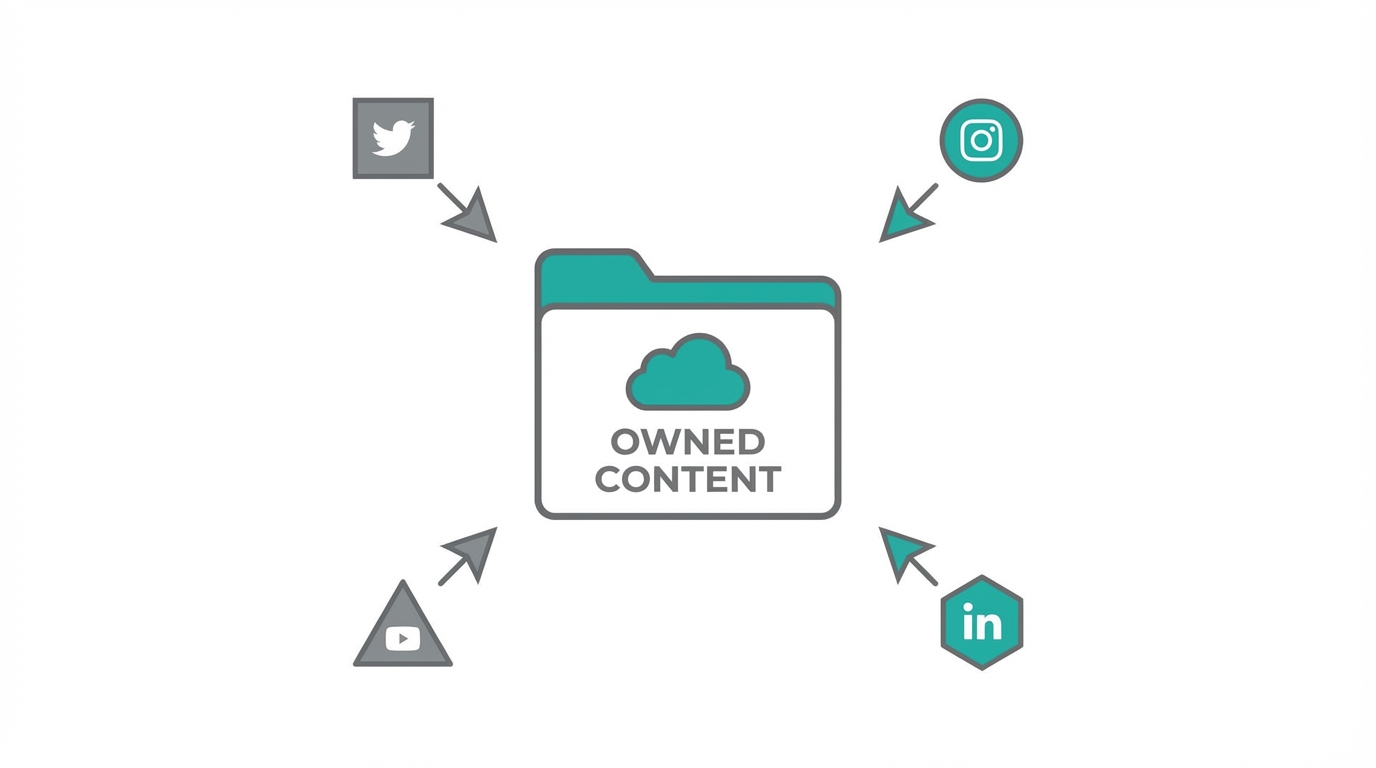
The only real insurance against algorithm changes is owned distribution. This means channels where you own the relationship with the customer and cannot be de-platformed by a single line of code. The two primary pillars of owned distribution are Search Engine Optimization (SEO) and Email Marketing.
When you invest in SEO via Google Ads or organic content, you are capturing intent. When someone searches for a solution, they are ready to buy. This is fundamentally different from social media, which is interruption-based marketing. Similarly, an email list is an asset you can take with you regardless of what happens to Meta or X. To scale this, you can use Stormy AI to automate personalized outreach emails to creators, ensuring your communication channel remains direct and scalable via a built-in AI inbox. For mobile app developers, combining this with App Store Optimization (ASO) and targeted Apple Search Ads ensures that you are reaching users where they are already looking for solutions.
The Power of One: Why Focus Beats Fragmentation
A common mistake in marketing risk management is trying to be everywhere at once. Founders often think that if they have seven different revenue streams and seven different distribution channels, they are diversified. In reality, they are usually just distracted. The richest people in the world often focus on one distribution channel that works and hammer it until it hits a ceiling.
Huber shares a story about a mentor, Sulie, who gave him a brutal piece of advice for his e-commerce business: "Don't say the word influencers until you're at $300,000 a month just off of Facebook." The logic is simple: if one channel (like Meta Ads) is working, your goal should be to maximize its potential before introducing the complexity of a new channel. Diversification is for wealth preservation; focus is for wealth creation. Once you have a "three-headed monster" of companies or channels that truly work, then you can afford to explore secondary platforms.
The Playbook: Building a Robust Distribution Team
To execute a multi-channel strategy without burning out, you need a team. However, hiring high-cost American talent for every role can kill your margins. The secret used by many top performers is leveraging global talent to handle the heavy lifting of content creation, data analysis, and lead management. Here is a clear playbook for building that team:
Step 1: Filter by Competence, Not Pedigree
When hiring internationally—whether in the Philippines, South Africa, or Colombia—don't start with an interview. Start with a typing speed and English test. Huber found that 85% of applicants for remote roles could not type 35 words per minute. By using this simple heuristic, you immediately filter for basic technical literacy.
Step 2: Use One-Minute Video Introductions
Request a one-minute video from every applicant. This filters out the 80% of people who aren't serious enough to do the work. It also allows you to judge professional maturity and communication skills instantly, which is critical for any influencer marketing strategy or creator management role.
Step 3: Implement Task-Based Assessments
Before you hire, give a paid task that simulates the actual job. If you are looking for someone to help find creators on Stormy AI, have them find 10 influencers that fit a specific set of criteria using its AI search engine. The person who is competent will shine to the top of the crowd without any work on your end.
Conclusion: Hedging Your Marketing Bets

The goal of algorithm insurance isn't to abandon social media or your personal brand. It's to ensure that these are just one part of a larger, more durable content distribution strategy. By balancing the high-upside volatility of social platforms with the stability of SEO, email, and a focused team, you create a business that can survive "algorithm winters."
Remember, success is durability over time. Don't get fooled by the sprint to low-quality revenue. Build a foundation that allows you to play the long game. Whether you are finding UGC creators for mobile app ads through Stormy AI or tracking your campaign performance with its post-tracking analytics, the key is to own your distribution. Stop being a tenant on social media and start being a landlord of your own marketing destiny.