In 2026, the landscape of digital marketing has shifted from broad awareness to hyper-specific niche mastery. If you follow Alex Hormozi, the $100 million man and the most influential business teacher on the internet, you know that the secret to explosive growth isn't just better ads—it's better Money Models. As we navigate the current economic climate, agencies that continue to chase low-ticket, high-churn clients are being left behind. The real opportunity lies in identifying industries with massive supply-demand inequality, specifically what Hormozi calls the 'pseudo-medical' niche.
The 2026 Money Model: 2x CAC + COGS
 1:34
1:34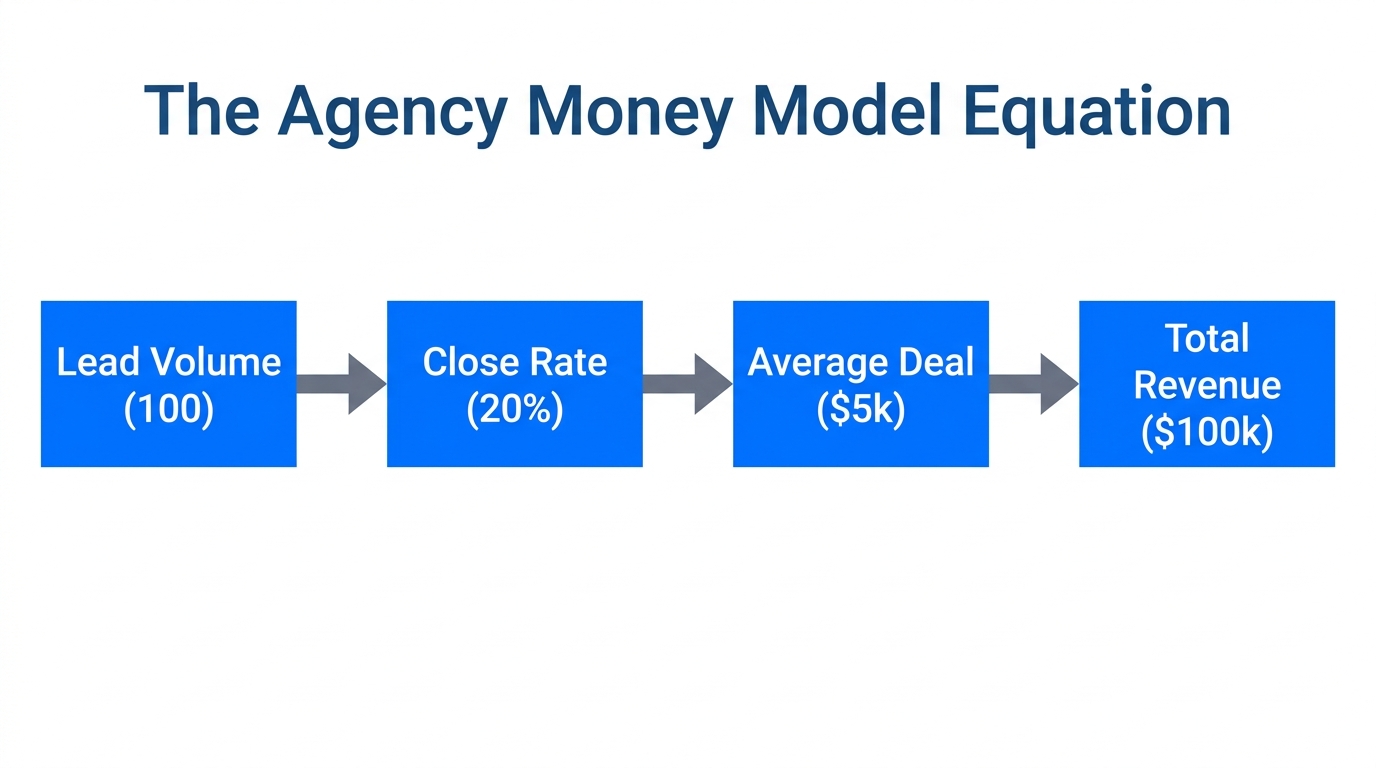
Hormozi’s core philosophy for 2026 revolves around a single, golden metric: Gross profit in the first 30 days must be greater than two times the cost of acquisition (CAC) plus the cost of goods sold (COGS). Most agencies and service businesses fail because they are "upside down" on their cash flow. They spend money on Meta Ads Manager to acquire a lead, convert them into a low-ticket trial, and don't see a profit for 60 or 90 days. By that time, the customer has often churned.
Hormozi illustrates this through the evolution of the gym business. The "old way" was selling a $99/month membership that took months to recoup the $50 acquisition cost. The "Hormozi way" involves a high-ticket $500 front-end challenge. When you stack this with upsells like supplements or annual prepays, the revenue per user jumps from $99 to over $1,000 in the same 30-day window. This allows you to outspend every competitor on Google Ads because your profit-per-click is 10x higher.
"If 10% of people buy something that's 10 times more expensive, you double your revenue. Most businesses are supply-constrained because they haven't figured out how to buy customers at a profit."
| Metric | The Old Way (Subscription) | The Hormozi Model (High-Ticket) |
|---|---|---|
| Front-end Price | $99 | $500 |
| 30-Day Revenue | $99 | $1,000+ (with upsells) |
| Payback Period | 60-90 Days | Day 1 |
| Growth Limit | Cash Flow Constrained | Supply Constrained |
Identifying the 2026 'Pseudo-Medical' Gold Mine
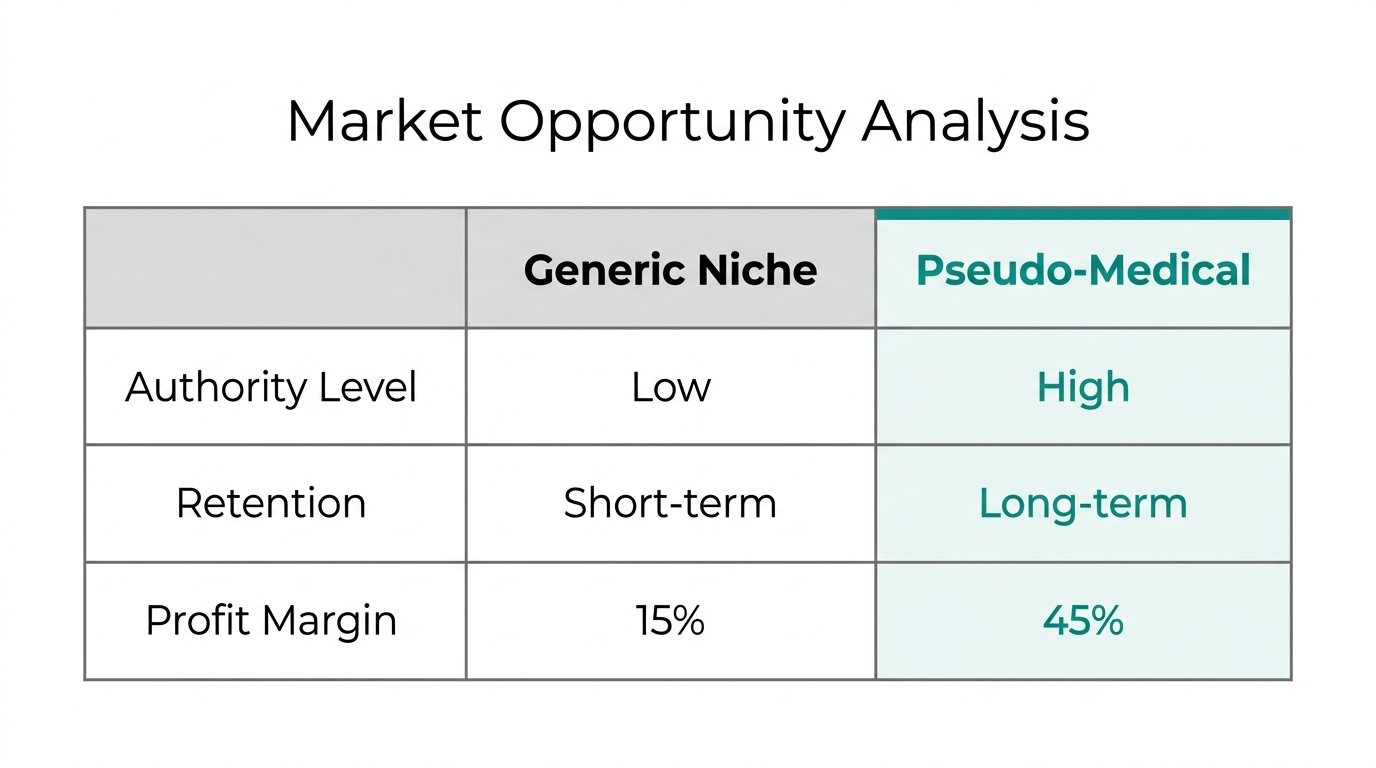
While most marketers are fighting over e-commerce or standard B2B SaaS, Hormozi points toward a massive "heat signal" in the pseudo-medical sector. This includes medspas, laser hair removal, teeth whitening, chemical peels, and high-end wellness clinics. These businesses are unique in 2026 because they possess a rare supply-demand inequality. The aging Boomer population is desperate to stay young, creating an ocean of demand, while the supply of high-quality, well-marketed clinics remains shockingly low.
Hormozi notes that many medspa owners are "killing it" despite having terrible marketing. They might only have a simple website or a phone number, yet they still maintain 40% margins. For an agency, this is the ultimate green flag. If a business is making money with poor marketing, it means the market demand is so strong it overcomes inefficiency. When you apply modern performance marketing using TikTok Ads Manager to these businesses, the results are explosive.
Why Pseudo-Medical Works
- High Price Elasticity: People don't bargain-hunt for medical procedures. They pay for the result and the safety.
- Sticky Continuity: Procedures like Botox or laser treatments require recurring visits, creating built-in LTV.
- The 'White Lab Coat' Effect: There is an inherent trust and authority associated with medical-adjacent services that allows for higher front-end pricing.
"When I see a lot of people who don't know what they're doing all making money, I know there's something there. That is a heat signal."
The 'White Lab Coat' Effect and Price Elasticity
The term "White Lab Coat" refers to the authority bias that allows healthcare-adjacent services to command premium prices. In a world of commoditized services, positioning your offer near the medical field instantly increases its perceived value. This is why a "weight loss coach" struggles to charge $100 an hour, while a "medical weight loss clinic" can sell $5,000 packages. As an agency owner in 2026, you must look for businesses that can lean into this authority.
For these high-trust niches, influencer marketing is no longer optional; it is the primary trust-builder. Local medspas and wellness centers need creators who can demonstrate the procedure and share authentic results. To scale this, agencies are using platforms like Stormy AI to discover local niche creators and automate outreach. By pairing the authority of the 'White Lab Coat' with the social proof of a trusted influencer, you create a marketing machine that is virtually impossible to beat.
The Performance Marketing Playbook: Zero-Risk Deals
5:44If you were reset to zero today with no followers and no money, Hormozi’s strategy for making your first million is simple: Negotiate the spread. Find a local service business (like a chiropractor or a medspa) that is undercharging and offer them a zero-risk performance deal. You tell the owner, "I will bring you customers for free. You only pay me for the ones that close, and I keep the spread."
Step 1: Negotiate the Floor
Ask the owner, "If I brought you 100 customers today, what is the absolute lowest price you could deliver the service for?" If they normally charge $100 but would do it for $25 at scale, your "floor" is $25.
Step 2: Sell the Transformation
You then go to the market and sell a high-ticket transformation package for $500 or $1,000. You aren't selling "a session"; you are selling a result. Because you know how to run ads on Facebook and Google, you can acquire these customers for $50 to $100.
Step 3: Capture the Spread
If you sell a $500 package and it costs $25 for the business to fulfill and $75 in ads to acquire, you keep $400 in pure profit. By taking all the risk and doing all the work, you own the customer acquisition engine. This is how you build a seven-figure business from scratch in 2026.
| Role | Traditional Agency Model | Performance 'Spread' Model |
|---|---|---|
| Risk | Client takes the risk (Monthly Retainer) | Agency takes the risk |
| Upside | Capped by retainer | Uncapped profit spread |
| Sales Difficulty | High (Must justify retainer) | Low (Zero-risk for business owner) |
| Retention | Medium (Clients cancel when ads dip) | High (You are their only source of profit) |
"I would take the first $500. I do all the work, I take all the risk. Then they convert the customers to long-term members. It's zero CAC for them and infinite profit for me."
Applying First Principles Thinking to Identify Future Niches
31:39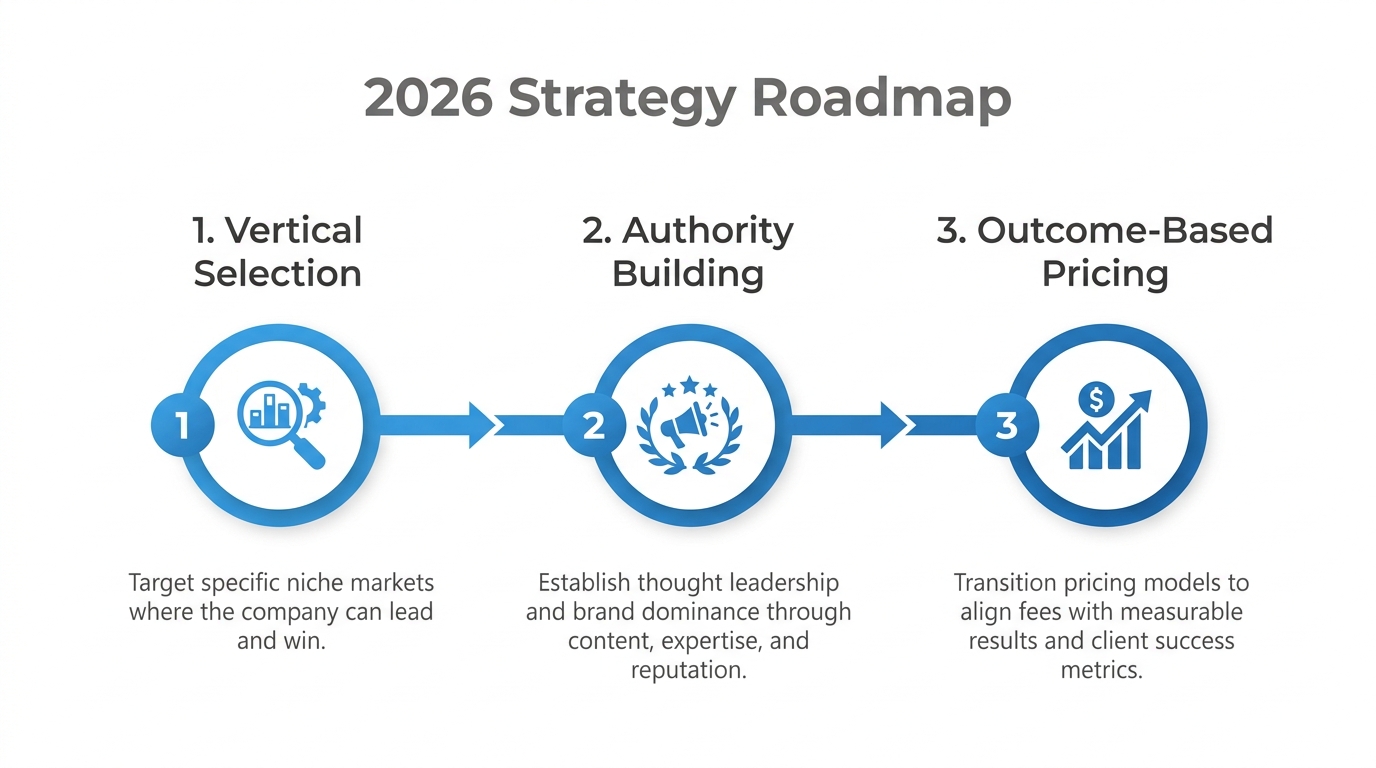
To succeed in 2026, you cannot simply copy what others are doing. You must apply First Principles Thinking. This means breaking a problem down to its fundamental truths and building up from there. The constraint for most businesses is cash flow. If you can solve the cash flow constraint by creating a money model that pays for itself, you win.
As you look for the next high-margin niche, ask yourself:
- Is there an ocean of demand with limited supply?
- Is the customer pain high enough to justify a high-ticket front end?
- Can the service be delivered at a fraction of the selling price?
- Is the current competition's marketing "lazy" or non-existent?
When you find an industry that hits all four, like the pseudo-medical gold mine, you don't need a fancy business plan. You just need an acquisition engine. For modern agencies, this engine is fueled by data and automated creator outreach. Tools like Stormy AI are becoming the backbone of this strategy, allowing agencies to find the right influencers to represent these high-authority medical brands without the manual grind of traditional outreach.
The Path to the Gold Mine
Alex Hormozi's 2026 strategy is clear: focus on money models, not just marketing tactics. By targeting the pseudo-medical niche and leveraging the 'White Lab Coat' effect, agencies can secure high-ticket clients with massive LTV. Whether you are using Google Ads to capture search intent or partnering with niche creators to drive local influencer trust, the goal remains the same—create a system where one customer pays for the next. The gold mine is open; it’s time to start digging.