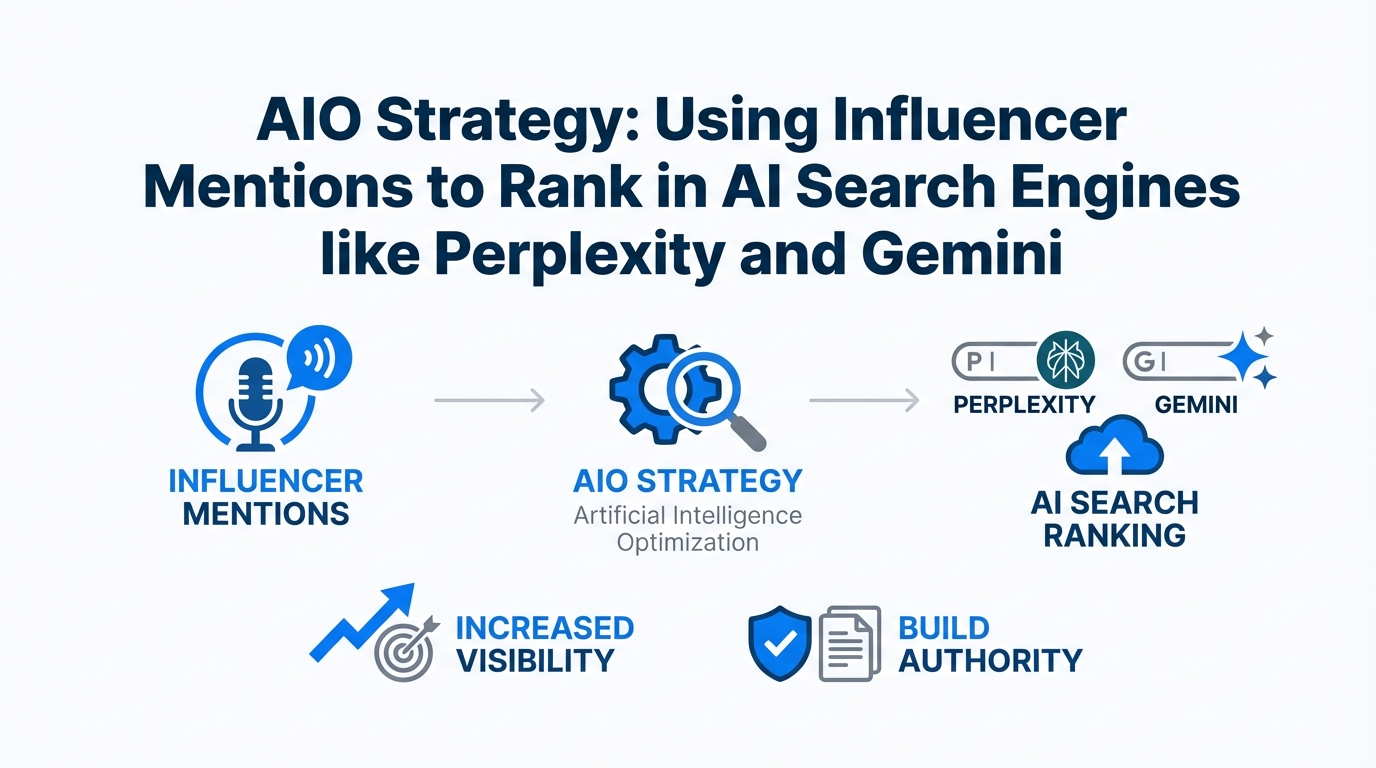
The era of the ten blue links is ending. For decades, digital marketing has been dominated by a single goal: ranking on the first page of Google. But as Large Language Models (LLMs) like ChatGPT, Claude, and Perplexity become the primary interface for information, the rules of visibility have fundamentally shifted. We are moving from Search Engine Optimization (SEO) to AI Optimization (AIO). In this new landscape, your goal isn't just to be found by a user; it is to be recommended by an algorithm.
But how do you train an AI search engine to trust your brand? The answer lies in the human element. By leveraging influencer marketing for SEO, brands can create a decentralized "web of mentions" that serves as the primary training data for the next generation of search. This strategy isn't about vanity metrics; it's about Algorithmic Trust.
Understanding AIO: The Successor to Traditional SEO
AI Optimization, or ai optimization aio, is the process of structuring your brand’s digital presence so that AI models perceive it as the authoritative answer to a user’s query. While traditional SEO focuses on keywords, backlinks, and site speed, AIO focuses on sentiment, context, and ubiquity. According to research on Generative Engine Optimization (GEO), when a user asks Perplexity, "What is the best sustainable skincare brand for frequent travelers?" the AI doesn't just look for keywords; it synthesizes thousands of data points from reviews, social media, and articles to generate a single, confident recommendation.
The influencer market is mirroring this shift. The global influencer market size is projected to reach $24 billion in 2024 and surge to $32.55 billion by the end of 2025. Marketers are no longer just buying "shoutouts"; they are buying data signals that feed the machines powering our new search reality.
The Logic of Algorithmic Trust: Moving from H2H to H2A
Traditionally, influencer marketing was Human-to-Human (H2H). A creator spoke to their audience, and the audience bought the product. Today, we are entering the age of Human-to-Algorithm (H2A) marketing. When an influencer posts a video, writes a blog post, or engages in a thread on Reddit (which now licenses its data to train Google's models), they are creating a digital footprint that AI scrapers ingest.
AI search engines like Perplexity and Google Gemini prioritize social proof and community consensus. If 100 micro-influencers in a specific niche—say, biohacking—all mention a specific magnesium supplement, the AI's internal weights for that brand increase. The AI views these mentions not as advertisements, but as verified facts within a community. This is why a perplexity seo strategy must include a heavy emphasis on distributed mentions across diverse platforms.
"The industry is shifting from 'discovery tools' to 'execution agents.' Brands are now using influencers to build a 'web of mentions' that AI search engines use to recommend products."
By seeding these mentions, you are essentially pre-training the AI to recognize your brand as the industry standard. This requires moving away from one-off campaigns and toward a constant stream of high-volume, niche-specific content.
Traditional SEO vs. AI Search Engine Optimization
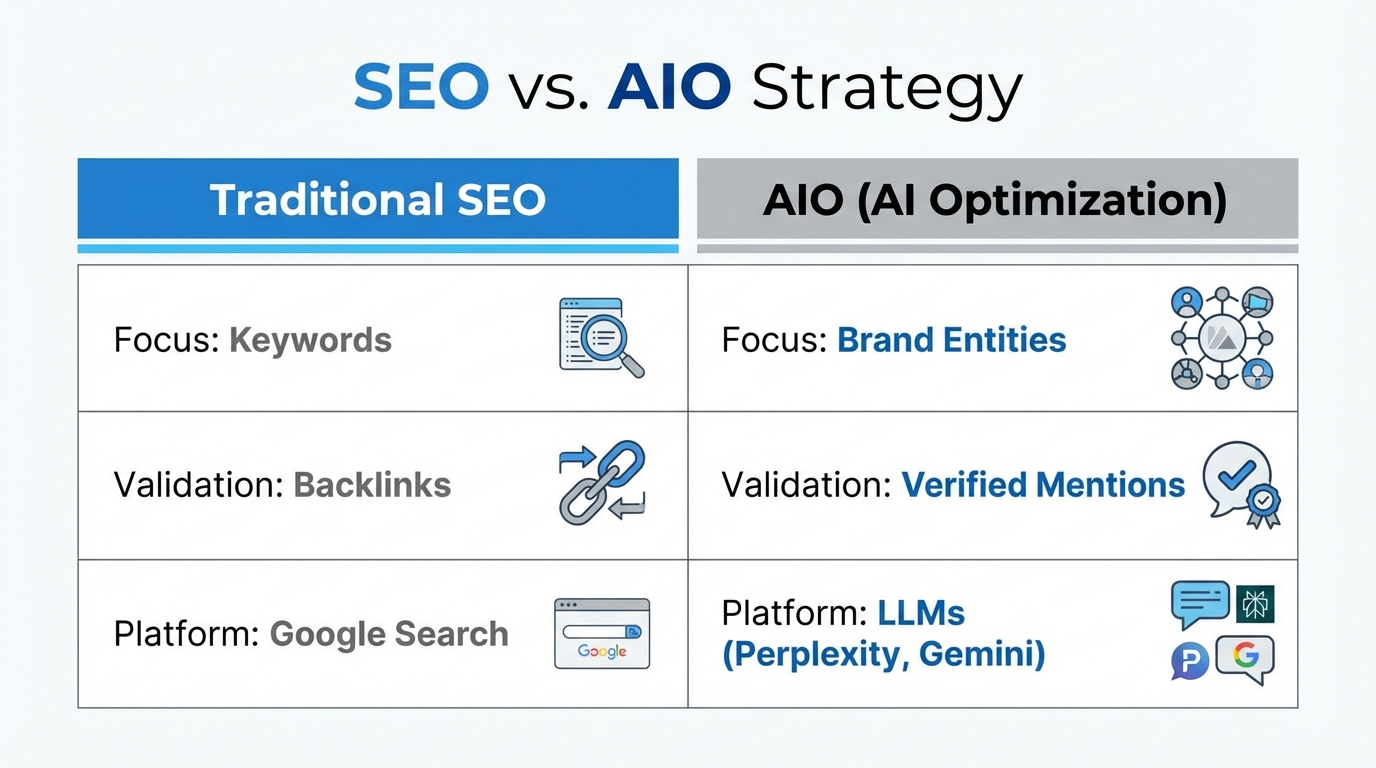
To succeed in this new environment, you must understand how the tactics differ. While some overlap exists, the goals are distinct.
| Feature | Traditional SEO | AI Optimization (AIO) |
|---|---|---|
| Primary Target | Search Engine Crawlers (Googlebot) | Large Language Models (LLMs) |
| Core Metric | Backlinks & Keywords | Sentiment & Contextual Mentions |
| Content Goal | High CTR (Click-Through Rate) | Highest Probability of Recommendation |
| Influencer Role | Traffic generation | Training data & Social proof |
| Success Signal | Ranking #1 for a term | Being the 'Citations' in an AI answer |
The 'Web of Mentions' Playbook: Seeding Influencer Content
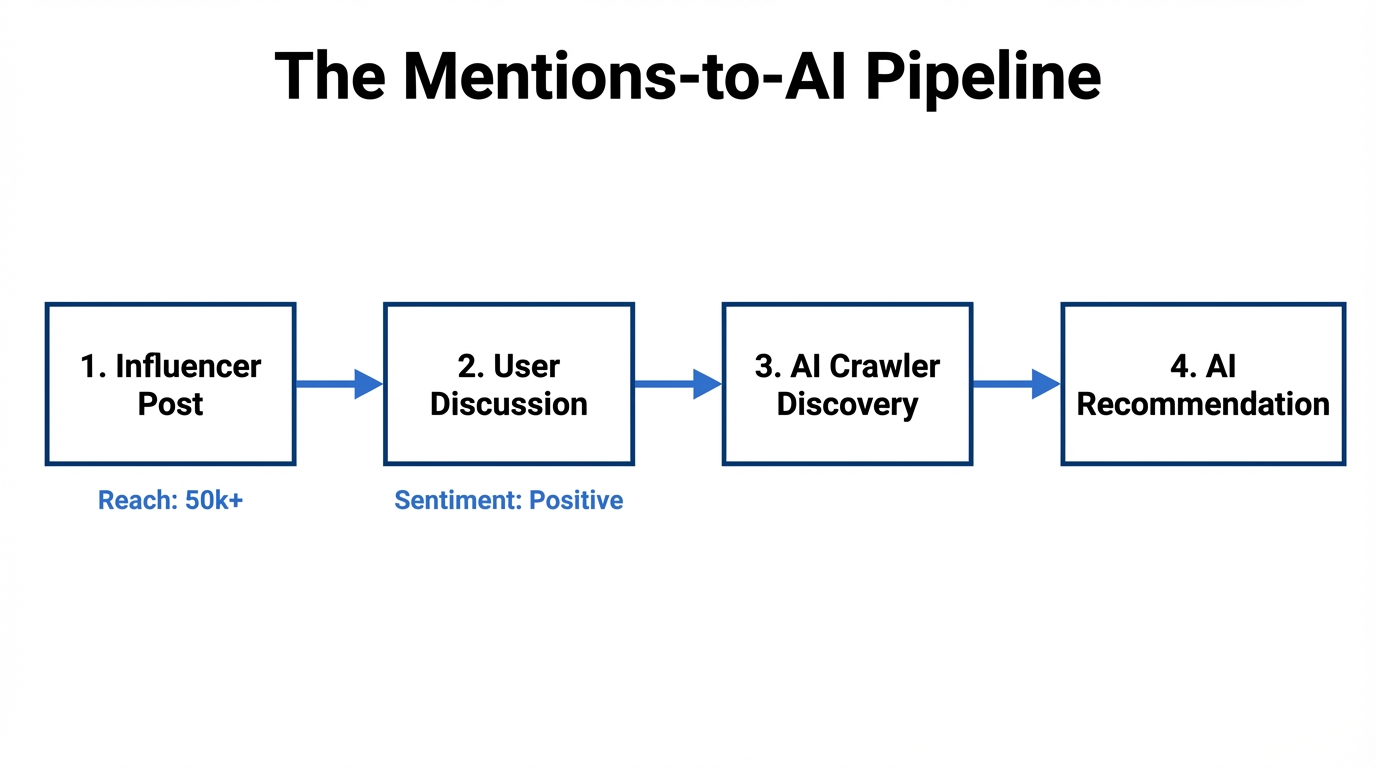
To execute a successful brand mentions for ai strategy, you need a high volume of creator-led content. Here is how to build a digital presence that AI search engines can't ignore.
Step 1: Identify Niche Clusters
AI search engines categorize brands based on the "neighborhood" of content they inhabit. Instead of targeting broad categories, target hyper-specific niches. Using topic authority frameworks can help identify where these conversations are happening. You want to be mentioned in the same breath as your top competitors by influencers who have high credibility in your specific vertical.
Step 2: Automate High-Volume Outreach
AIO requires volume. You cannot influence an LLM with five mentions; you need hundreds. This is where agentic discovery comes in. Instead of manual spreadsheets, use an AI agent to scout creators who talk about specific pain points. Platforms like Stormy AI allow you to use natural language prompts to find thousands of micro-influencers who fit your exact AIO criteria in seconds.
Once discovered, you can use specialized tools like Janney AI to automate the negotiation loop, handling the initial outreach and benchmarking rates to achieve up to 43% cost savings.
Step 3: Focus on "Citeable" Content
AI search engines prioritize content that is easy to summarize and cite. Encourage influencers to use clear, declarative statements about your product. Instead of vague praise, they should mention specific features: "This app uses AI-driven budget tracking to save users an average of $200 a month." These specific data points are exactly what Perplexity and Gemini look for when generating an answer.
Why AI Search Engines Trust Micro-Creators
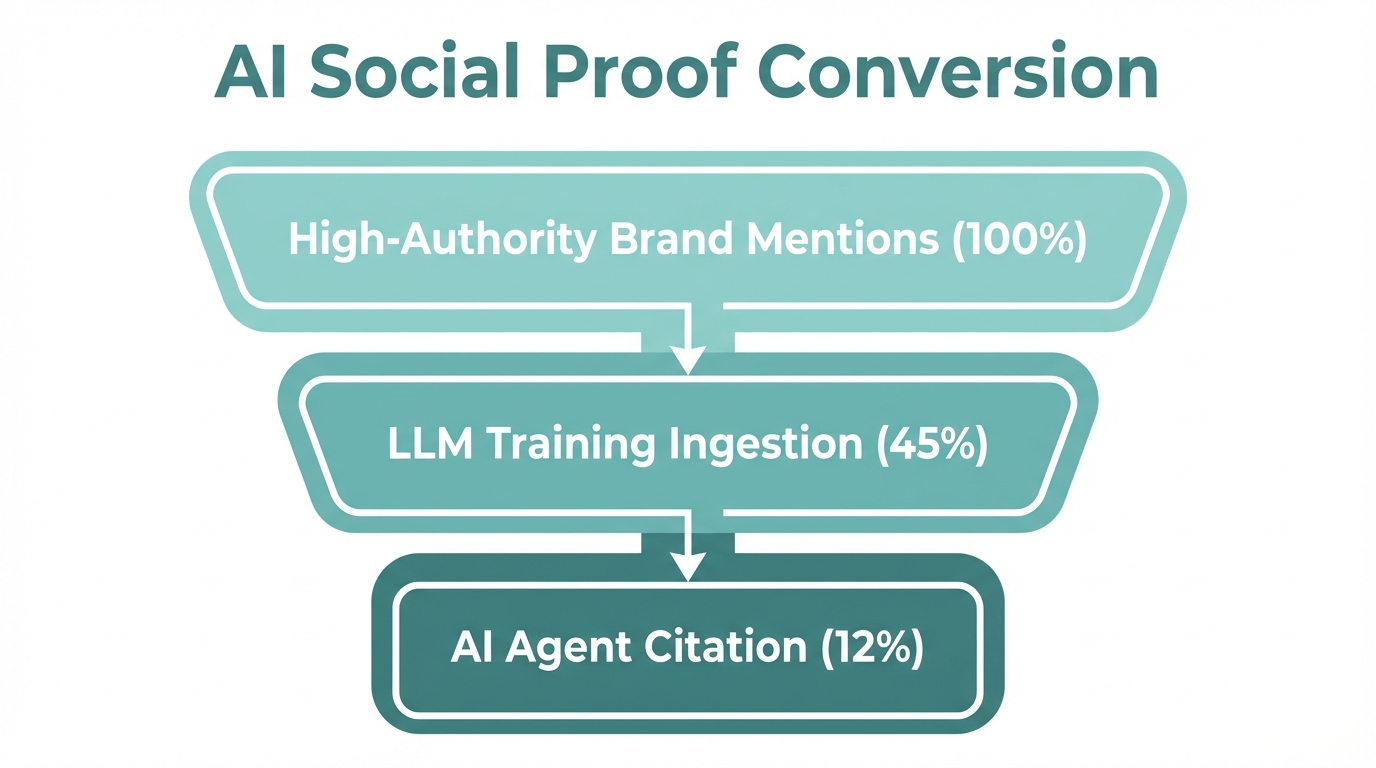
It’s a common misconception that only big-name influencers matter. In fact, for ai optimization aio, micro-creators are often more valuable. LLMs are designed to detect patterns. If one celebrity mentions a product, it might be flagged as a paid ad. If 50 micro-influencers discuss the same product organically across different platforms, the LLM perceives a consensus.
This "consensus algorithm" is the heartbeat of modern search. High volumes of micro-creator mentions act as social proof for search-driven AI agents. As noted by Nielsen, while AI handles the logistics of finding these creators, it cannot replace the human soul and personality that makes the content believable to both humans and algorithms alike.
"We are in the 'Oprah era of agentic AI,' where every niche task will have a dedicated agent. In marketing, that agent's job is to ensure your brand is the most trusted answer in the AI's database."
For brands in the mobile app space, platforms like Stormy AI can streamline this process by identifying UGC creators who specialize in app-install campaigns, providing the specific types of mentions that drive both human downloads and algorithmic rankings.
Common Pitfalls in AI Search Engine Optimization
Transitioning to an AIO mindset requires avoiding legacy SEO habits. Here are the most common mistakes brands make when trying to rank in AI search results:
- The "Vanity Metric" Trap: Over-relying on follower counts. AI search engines care about content quality and sentiment, not how many bots follow a creator. Influencer fraud still impacts 45% of accounts, which AI search engines are becoming increasingly adept at ignoring.
- Hallucinated Compliance: Trusting AI to verify "brand fit" without any human oversight. As Wellows warns, AI can miss subtle cultural nuances, leading to misaligned partnerships that can actually damage your brand's algorithmic reputation.
- Tool Fragmentation: Using disparate tools for discovery, outreach, and tracking. This creates data silos. Using an integrated platform for AI-enhanced UGC ensures that your AIO data is consistent and actionable.
Conclusion: Future-Proofing Your Brand for the AI Era
The transition to ai optimization aio is not a trend; it is a fundamental restructuring of how information is distributed. To stay relevant, brands must stop thinking about search as a list of links and start thinking about it as a conversation. By using influencer marketing for seo, you are participating in that conversation at scale.
Start seeding your web of mentions today. Focus on high-volume micro-creator partnerships, prioritize clear and citeable brand messaging, and leverage AI agents to manage the scale. In the world of Perplexity and Gemini, the most mentioned brand is the most trusted brand. Don't just rank—become the answer.