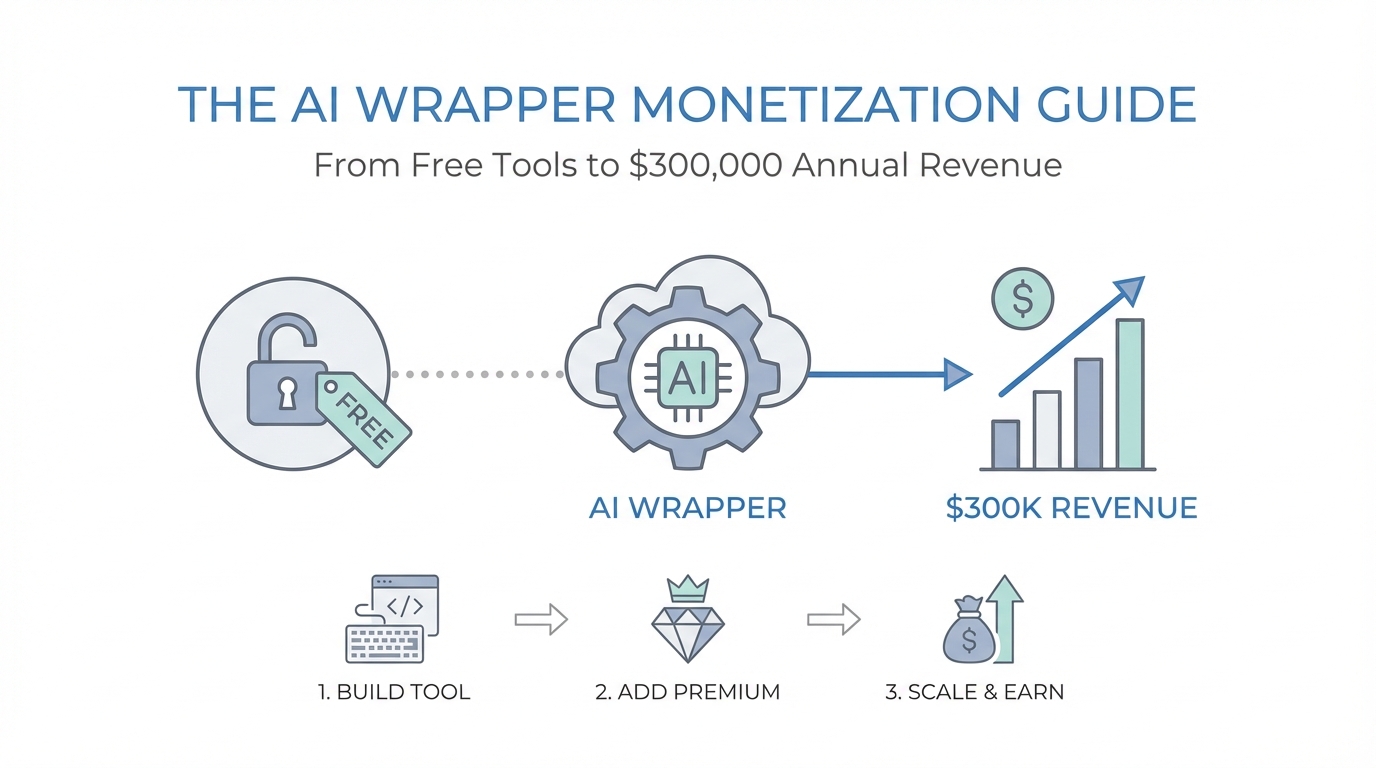
In the current gold rush of AI business models 2024, the term "wrapper" is often thrown around with a hint of skepticism. Critics argue that building on top of someone else's API—like OpenAI’s GPT-4—is a recipe for obsolescence. However, the reality on the ground tells a different story. Solopreneurs are turning simple browser extensions and interface enhancements into massive revenue engines. By focusing on user experience, niche utility, and unconventional revenue streams, these builders are proving that the value isn't just in the model, but in the delivery.
The Rise of the High-Earning Wrapper

Consider the case of Sayed Ezadi, a software engineer who turned a simple browser extension into a business generating between $20,000 and $30,000 MRR. His product, Superpower ChatGPT, is what many would call a "ChatGPT wrapper." It adds productivity features like folders, search, and prompt management directly to the ChatGPT interface. Despite the simplicity, the numbers are staggering: over 260,000 downloads and 150,000 weekly active users.
The success of these tools highlights a shift in how software is consumed. Users aren't looking for the most complex backend; they are looking for the tool that solves their immediate friction. For developers, this means the focus has shifted from training models to validating ideas fast and capturing attention in high-traffic marketplaces. Whether you are building for Chrome, Slack, or Zoom, the goal is to be where the users already are.
The Marketplace-First Strategy for Validation
One of the most effective AI business models 2024 involves building for existing platforms rather than launching a standalone website. When you launch a traditional SaaS, you are competing with the entire internet for SEO and traffic. When you launch an extension or a plugin in a marketplace, you are fishing in a stocked pond. Platforms like Gmail, YouTube, or Salesforce already have millions of users; you only need a tiny fraction of them to find your tool useful to build a six-figure business.
To find winning ideas, builders must engage in deep research where their potential users hang out. Subreddits, Discord channels, and Facebook groups are goldmines for feature requests. By listening to the frustrations of users—such as lawyers or doctors using AI to streamline their workflows—you can identify high-value gaps that the base LLM providers have overlooked. Once you have an idea, the key is to build the first version in 2-3 days using standard web technologies like JavaScript, HTML, and CSS, and get it into the hands of users immediately.
The Newsletter-First Strategy: Monetization Without a Paywall
A major mistake many founders make is rushing to gate their software behind a subscription too early. Instead, high-growth tools often use a free software tool as a lead magnet to build a high-value audience. For the first nine months, Superpower ChatGPT was 100% free. This allowed the user base to swell to over 100,000 users through organic word-of-mouth and social media mentions without the friction of a paywall.
To monetize AI newsletter audiences effectively, you can transition users from the tool to an email list. Platforms like beehiiv offer powerful monetization features, such as "Boosts," where you can earn revenue by recommending other newsletters. By sending a weekly update with AI tips, news, and features, you transform a transient software user into a long-term asset. This software sponsorship revenue can often reach several thousand dollars per month before you even write a single line of code for a premium tier.
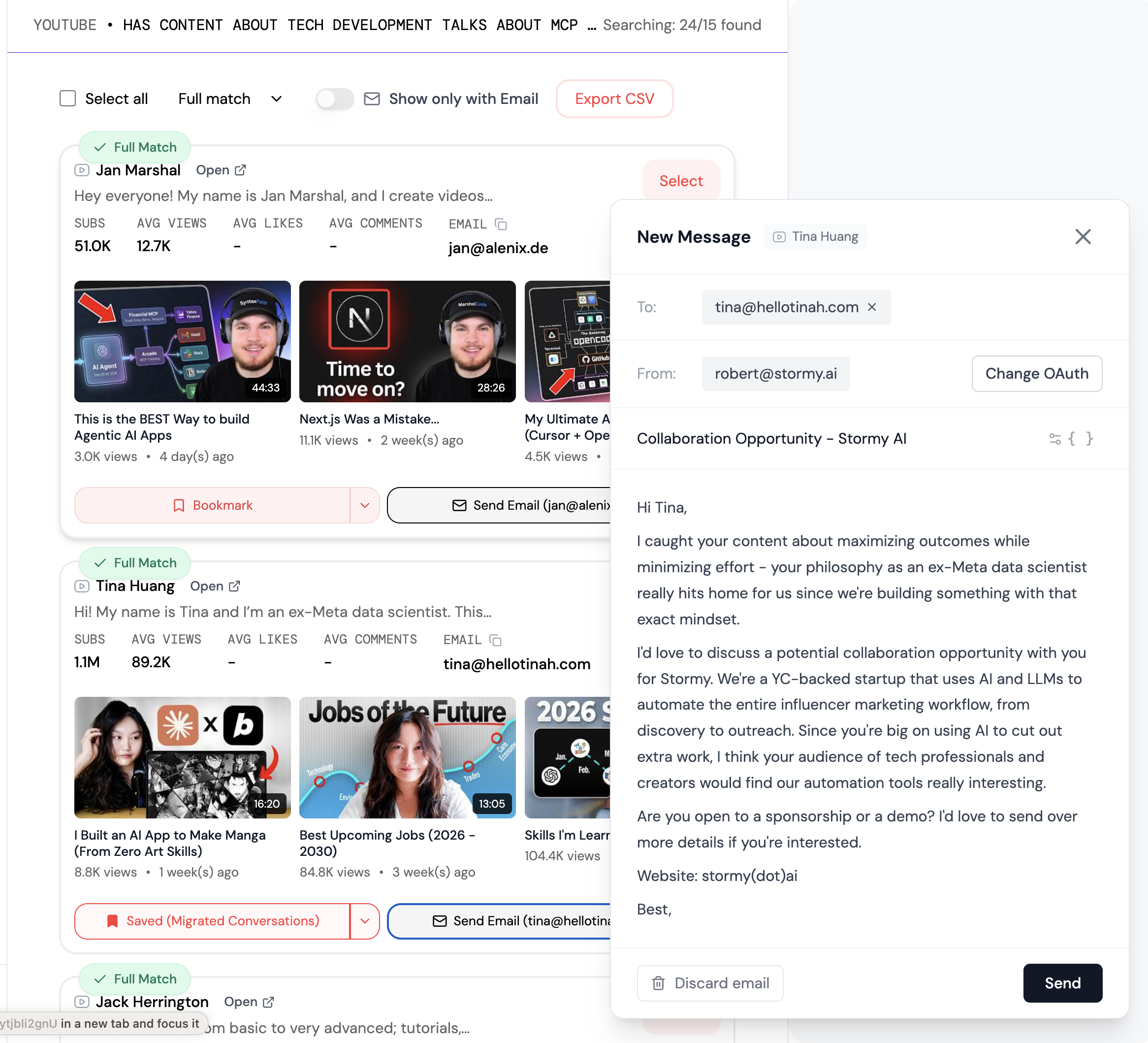
Once your newsletter reaches a critical mass, you can use Passionfroot to manage inbound sponsorship requests. This creates a diversified revenue stream: you aren't just selling a tool; you are selling access to a highly engaged niche audience. To scale this growth, many founders turn to influencer marketing. Using Stormy's AI search, you can find niche creators on TikTok and YouTube who already talk about AI productivity. Before reaching out, it is wise to use Stormy AI for vetting to detect fake followers and ensure your sponsorship budget is spent on high-quality creators.

Implementing a SaaS Freemium Pricing Strategy
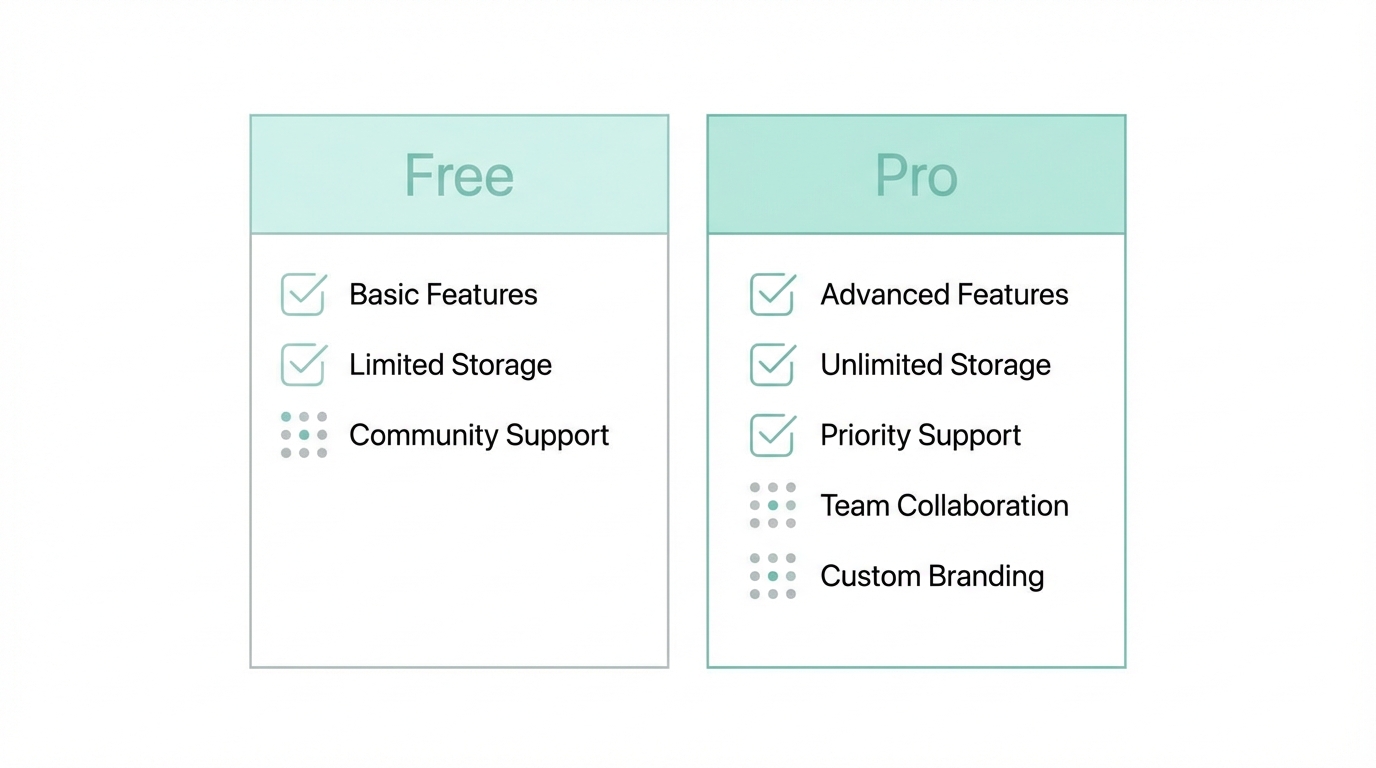
Eventually, the costs of running an AI tool—especially if you are using AWS or paying for high-volume API tokens—will require a direct monetization model. The transition to a paid tier must be handled delicately to avoid alienating your existing free users. A proven SaaS freemium pricing strategy involves keeping all existing features free and only charging for new, high-utility additions.
Step 1: Identify Power User Features
Look at your data to see which features are used most frequently by your top 5% of users. These are usually features that offer deep customization, bulk processing, or advanced integration. For ChatGPT wrapper monetization, this might include things like custom prompt libraries or advanced folder synchronization.
Step 2: Experiment with Price Points
Don't settle on a price immediately. Experiment with different tiers—perhaps a low-cost $5/month tier for individuals and a $20/month tier for professional users. Many founders use Stripe to manage these varying subscription levels. The goal is to find the "middle ground" where you maximize both conversion rates and Total Contract Value (TCV).
Step 3: Automate Your Outreach
When launching a new paid tier, you need to reach out to your most active users. Instead of manual emails, you can use Stormy's AI outreach to send hyper-personalized emails and automated follow-ups to potential brand partners or high-volume users. This is particularly effective if you are targeting business accounts that might need a team-wide license for your tool.
Maximizing Software Sponsorship Revenue
If your tool serves a specific professional niche—like real estate, healthcare, or legal—your software sponsorship revenue potential is significantly higher. Advertisers are willing to pay a premium to reach a vetted list of professionals who are actively using AI tools. By integrating sponsored "Featured Prompts" or "Tools of the Week" into your extension's dashboard or newsletter, you create a native advertising experience that provides value rather than annoyance.
To manage these relationships, a dedicated Creator CRM is essential. As your business grows, tracking who has sponsored you, what the engagement rates were, and when they are due for a renewal becomes a full-time job. Stormy's creator CRM allows you to manage every interaction, negotiation, and payment in one place, ensuring you never miss a follow-up with a high-value sponsor.
Addressing the 'Wrapper' Controversy: Building a Defensive Moat
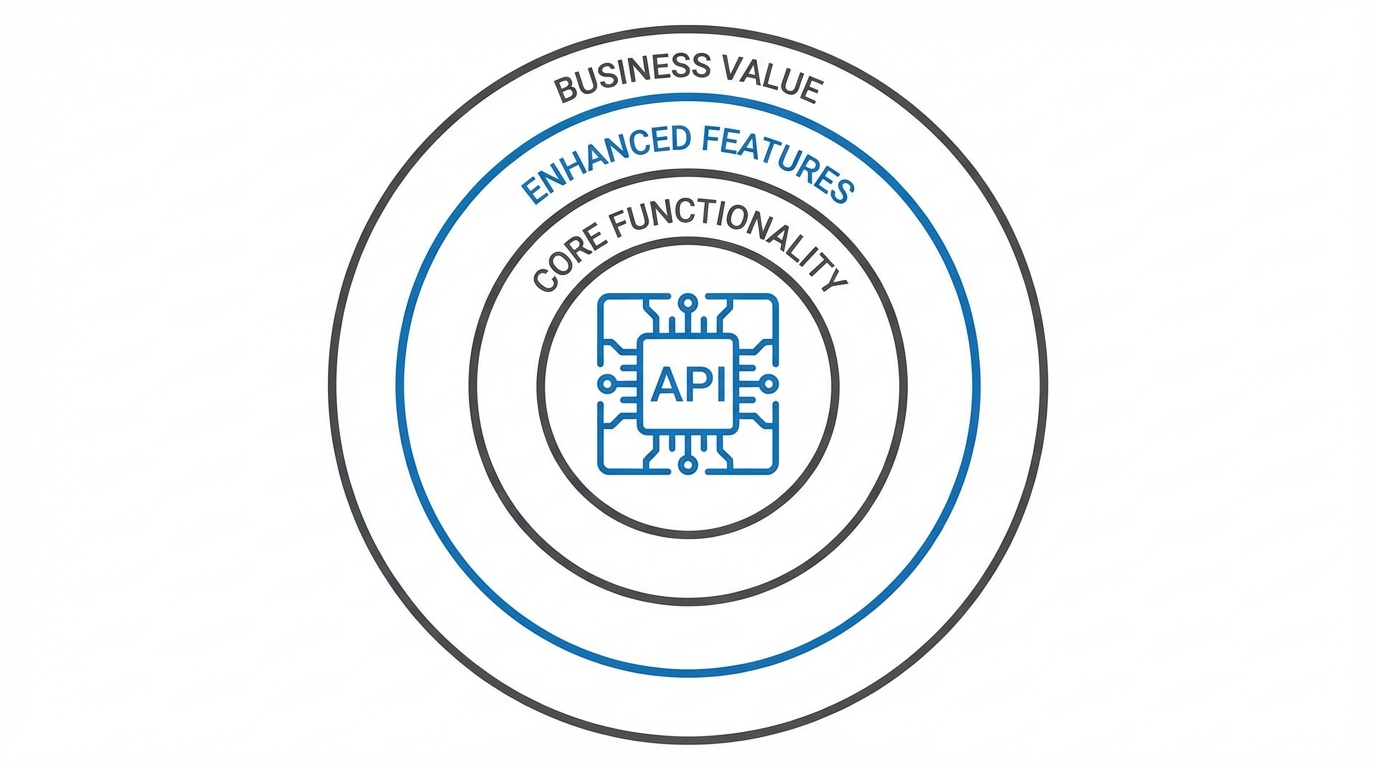
The biggest fear for any AI wrapper founder is that the underlying platform (like OpenAI) will release a native feature that makes their tool redundant, as seen with the launch of GPTs and the GPT Store. This is a valid risk, but it can be mitigated. A defensive moat in the AI space isn't built with code alone; it's built with distribution and user habits.
By building a newsletter and a strong social media presence, you own the relationship with the user. If ChatGPT becomes obsolete or changes its terms, you can migrate your 150,000 users to a different LLM or a different platform entirely. Furthermore, by focusing on UI/UX improvements that the giant platforms are too slow to implement, you stay one step ahead of the curve. Your moat is the user data, the community, and the brand trust you've built.
Conclusion: From Side Project to Scalable Business
The journey from a simple browser extension to $300,000 in annual revenue is a blueprint for the modern solopreneur. By leveraging marketplaces for traffic, using a monetize AI newsletter approach for early revenue, and refining a SaaS freemium pricing strategy, you can build a sustainable business even as a "wrapper."
Success in 2024 requires a blend of fast building and smart marketing. Don't wait for the perfect product; validate your idea in days, not months. Use tools like Stormy's post tracking to monitor how creators are talking about your tool online and analyze campaign performance across all platforms. Whether you are building the next great productivity hack or a niche-specific AI assistant, the opportunity is yours to take. Stop researching and start building.