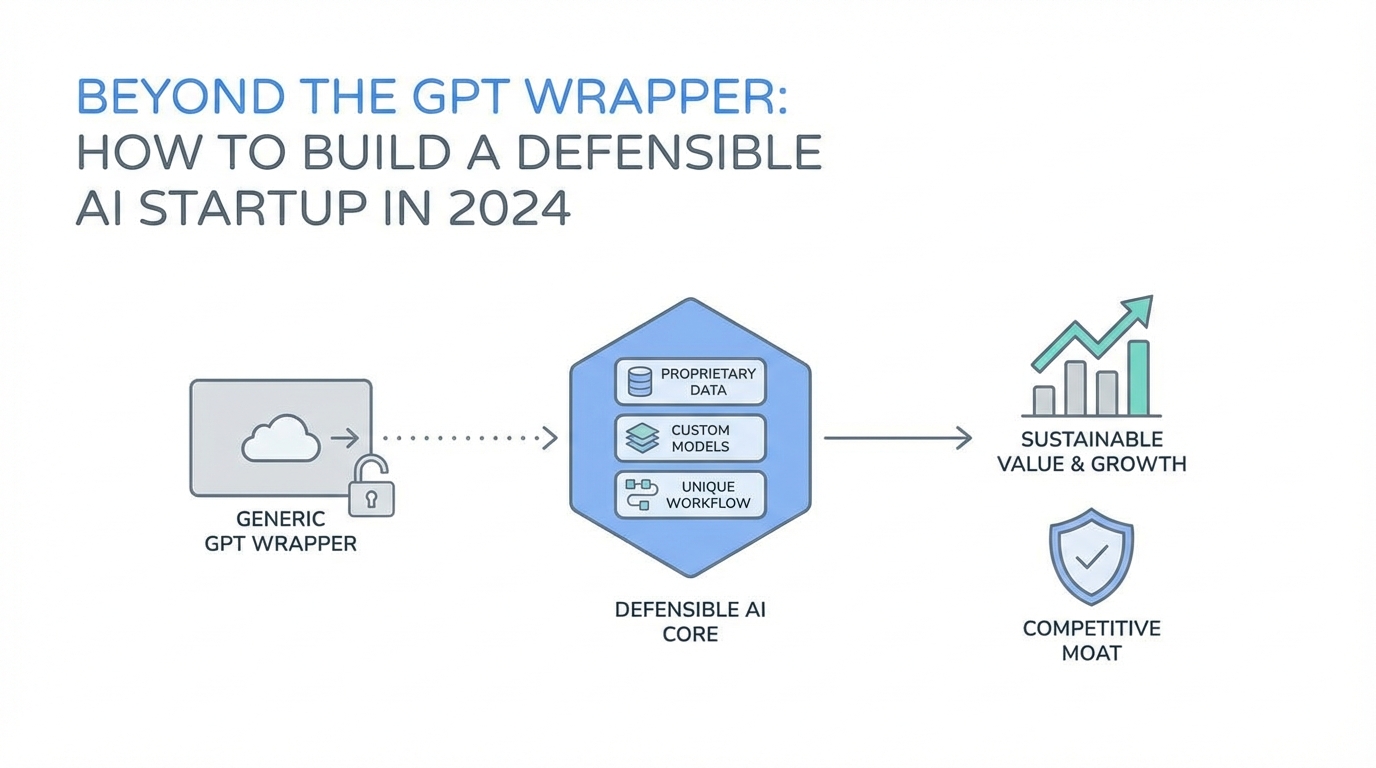
The narrative surrounding the current AI boom is often split into two warring camps. On one side, you have the visionaries who believe generative AI is a fundamental shift akin to the internet itself. On the other, you have the skeptics who argue that 99% of current startups are nothing more than "GPT wrappers" destined to be crushed the moment OpenAI or Google releases a minor feature update. This debate reached a fever pitch recently when a viral take from the ex-CEO of Reddit suggested that most AI application startups have a shelf life of only 12 to 18 months. However, the reality of AI startup strategy in 2024 is far more nuanced. Building a defensible company doesn't mean avoiding foundation models; it means building the proprietary layers, workflows, and data barriers that make those models indispensable to a specific niche.
The Myth of the Impending AI Crunch: Why Wrappers Can Become Giants
The prevailing fear among founders is that "the big players aren't slow incumbents." Unlike the transition from web to mobile, where legacy software companies struggled to adapt, the current foundation model providers are moving at breakneck speed. This has led many to believe that generative AI business models based on thin application layers are inherently unstable. But history tells a different story. When Apple first launched the App Store, the same logic was applied: why build a flashlight app or a weather app when Apple could simply build its own? While Apple did eventually integrate many of these features, that same ecosystem birthed companies like Instagram, Uber, and DoorDash—multi-billion dollar entities that built massive value on top of Apple's infrastructure.
The key to AI moat building is understanding that OpenAI, Anthropic, and Google want to build the plumbing, not the specialized tools for every industry. A foundation model is a general-purpose brain; it is not a specialized safety guide for solo female travelers or a hyper-niche design tool for architects. As long as you are solving a specific problem that requires a unique interface or a specialized workflow, you aren't just a "wrapper"—you are a solution provider. Platforms like Idea Browser highlight how many overlooked niches still exist where AI can be applied to solve real-world problems that foundation models can't touch without significant customization.
The Unique Data Barrier Strategy: Atoms, Hardware, and World-Related Data
One of the most potent ways to achieve AI application development defensibility is by focusing on data that doesn't exist in a digital-only format. General LLMs are trained on the open internet—Reddit threads, Wikipedia pages, and digitized books. This means they are incredibly smart about general topics but often lack the "ground truth" of the physical world. If you want to build a generational company, look toward niches in hardware, atoms, and world-related data.
Take, for example, the rising trend in solo female travel. Research shows that 84% of solo female travelers feel unsafe during their trips, yet they often have to rely on outdated Reddit threads or male-centric travel blogs to find safety information. A startup that builds a map-based safety platform—similar to how Hood Maps or Nomad List curate urban data—could create a massive data moat. By collecting real-time, verified safety ratings from women on the ground, you are building a database that a general AI cannot replicate. This "world-related data" becomes a barrier that protects you from the rapid expansion of general foundation models.
Focusing on High-Friction Data Collection
Proprietary data isn't just about what you have; it's about how hard it was to get. If your AI startup strategy relies on data that can be scraped by a bot in five minutes, you have no moat. However, if your data comes from proprietary hardware sensors, manual human verification, or deep integrations with enterprise systems (like internal logistics or healthcare records), you are building a defensible asset. The ex-CEO of Reddit correctly identified that the best odds for a startup lie in highly specialized fields where unique data barriers exist, particularly those not related to high-level software or finance.
Owning the Workflow: From API Call to Mission-Critical Tool
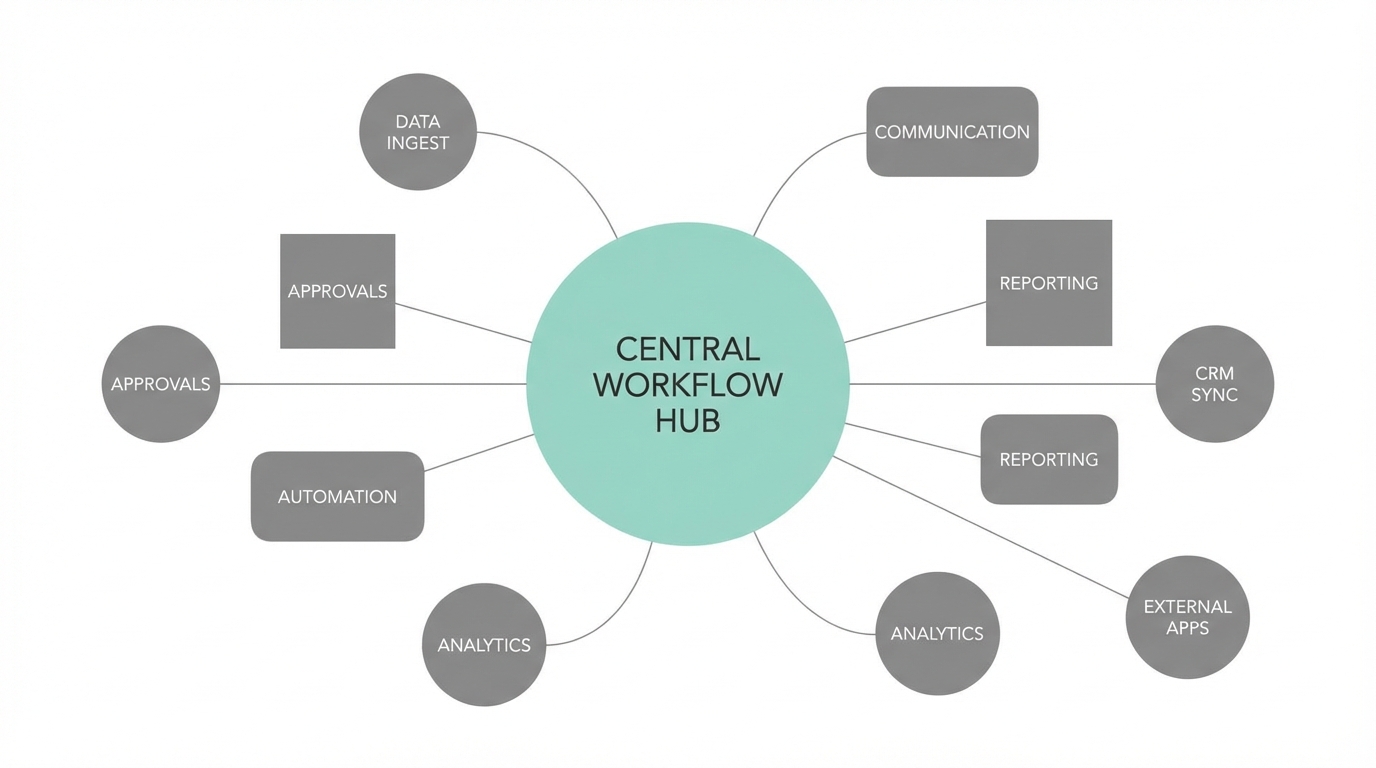
To survive in the long term, an AI startup must move beyond being a "one-click" tool. If your value proposition is "paste a link and get a summary," you are vulnerable. If your value proposition is "manage your entire content production pipeline, creator relationships, and payment tracking in one place," you become mission-critical. This is the transition from a utility to a platform.
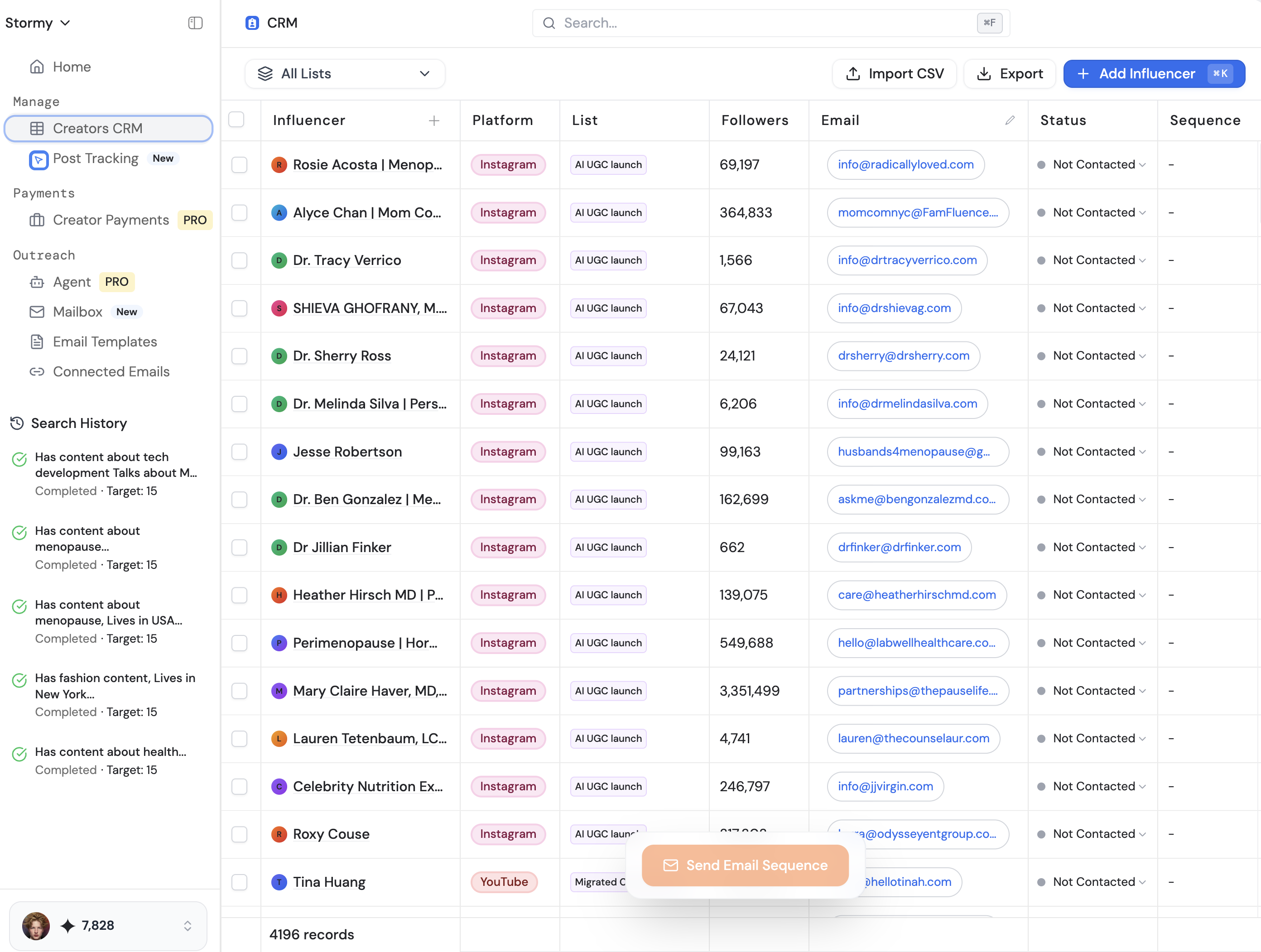
Consider the workflow of a modern marketing team. They don't just need an AI to write an email; they need to find the right influencers, vet their audience quality, manage negotiations, and track post-performance. For teams managing these complex operations, tools like Stormy AI provide an all-in-one platform that handles everything from AI-powered creator discovery to automated follow-ups. By owning the entire workflow, the platform becomes the system of record for the user. Even if a general AI becomes better at writing the email itself, the user stays because their entire history, CRM, and analytics are housed within the specialized tool.

Building these generative AI business models requires a shift in focus from the output (the AI-generated content) to the outcome (the business result). When you integrate deep into the user's daily tasks, the cost of switching to a general-purpose AI tool becomes too high. You aren't just providing an answer; you are providing an environment for work.
The 12-to-18-Month Cash Flow Play: Funding Your Long-Term R&D
There is a cynical but effective way to view the "flash-in-the-pan" AI app: as a high-yield cash cow for long-term research and development. If you can build a viral AI application that generates $500,000 in Annual Recurring Revenue (ARR) within its first six months, you have just bought yourself the runway to build something truly defensible. Instead of fearing the 18-month obsolescence window, use it to your advantage.
The strategy here is simple: capitalize on a high-growth trend (like AI-powered video editing or personalized avatars), bank the cash, and immediately reinvest into building proprietary data moats or workflow integrations. This is the "Trojan Horse" approach to AI moat building. You enter the market with a flashy, viral tool, and once you have the users and the capital, you pivot into a mission-critical enterprise platform. Many of the most successful SaaS companies began as simple utilities before evolving into the complex ecosystems they are today.
Case Study: The Rise of Node-Based AI Workflows
Creative tools like Krea AI and Glyph AI are excellent examples of this evolution. Rather than just offering a "text-to-image" box, these platforms are moving toward node-based workflows. This allows users to create complex, repeatable chains of AI agents that perform specific tasks—like changing the lighting on a product photo or trying on different outfits in a virtual dressing room. By allowing users to build and save their own "nodes" and workflows, these companies are creating a network effect where the platform becomes more valuable as more users contribute to the library of available workflows.
The 3-Step Playbook for AI Startup Growth
Even the most defensible product will fail without a distribution engine. In 2024, the most effective way to grow an AI application development business is through a creator-led, gamified approach. This framework helps you build trust and scale quickly without relying solely on expensive paid ads.
Step 1: Attach the Right Creators
Don't just chase the biggest celebrities. The most effective creators for AI tools are often in the "sweet spot" of 50,000 to 120,000 followers. These micro-influencers have highly engaged audiences and are seen as trusted experts in their niche. Building genuine friendships with these creators—rather than just sending a cold pitch—is essential. Identifying these partners is a data-driven process; using AI-powered influencer discovery can help you find creators who actually match your brand's aesthetic and audience demographics, rather than just looking at raw follower counts.
Step 2: Implement a Generous, Tiered Affiliate Program
Standard 10% affiliate commissions won't cut it in the competitive AI landscape. To truly incentivize creators, offer 30% to 50% lifetime recurring commissions. This makes the creator feel like a true partner in the business. When they know that every user they bring in contributes to their long-term passive income, they are much more likely to create consistent, high-quality content promoting your product.
Step 3: Gamify the Experience
Gamification is one of the most powerful UI trends in modern software. Whether it's Duolingo's streaks or the leaderboard of a top affiliate program, humans are hardwired to respond to rewards and competition. Gamify your affiliate program by offering high-stakes rewards—like a trip or a luxury item—for the top-performing partners each month. On the user side, use progress bars, badges, and social sharing features to encourage daily usage. The more "gamified" your product feels, the higher your retention rates will be, further strengthening your AI moat building efforts.
Conclusion: The Future of Defensible AI
Building a defensible AI startup in 2024 is not impossible, but it does require a departure from the "fast and cheap" mentality of the early GPT wrapper era. To build a generational company, you must look where the foundation models cannot: the messy reality of the physical world, the complexity of enterprise workflows, and the deep emotional connection of creator-led communities. By focusing on unique data barriers, owning the mission-critical workflow, and utilizing a gamified growth framework, you can build a business that doesn't just survive the next OpenAI update—it thrives because of it. The 12-to-18-month window isn't a death sentence; it's a head start. Use it wisely.