The barrier to entry for building a software company has effectively collapsed. We are living through a unique paradox: it has never been easier to reach a million dollars in annual recurring revenue (ARR), yet it has never been harder to maintain long-term equity value. In the current landscape, a college student can spend a weekend vibe coding a functional clone of a premium productivity tool and launch it to thousands of users by Monday. But as the cost of creation drops toward zero, so does the pricing power of most software-as-a-service (SaaS) products. If you want to build a million dollar ai business that survives the next three years, you have to look beyond the code and focus on building defensible ai moats that even the most powerful Large Language Models (LLMs) cannot easily replicate.
The Vibe Coding Revolution and the Death of the Traditional Wrapper
The term vibe coding has moved from a developer meme to a legitimate ai startup business model. Tools like Vercel V0 and Cursor allow non-technical founders to describe a user interface and functionality in plain English, watching as the AI generates production-ready code in real-time. We have seen founders vibe code clones of established apps like Things 3 or complex flight simulators in mere minutes. While this is a breakthrough for productivity, it is a nightmare for defensibility.
When you build a business that is essentially a "thin wrapper" around an API—like the popular calorie-tracking app Calai—you are participating in a temporary arbitrage. Calai is an incredible tool that allows users to take a photo of their food and instantly get nutritional data via an LLM. It reached millions in revenue almost overnight. However, without a network effect in software, its equity value is at risk. Within months, there will be hundreds of identical calorie trackers in the App Store, and eventually, Apple will likely integrate this functionality directly into the iPhone camera. If your primary value proposition can be vibe coded by a competitor in a weekend, your business is a "one-off bite," not a decamillionaire equity play.
The Sustaining Innovation Trap: Why Efficiency Isn't a Moat
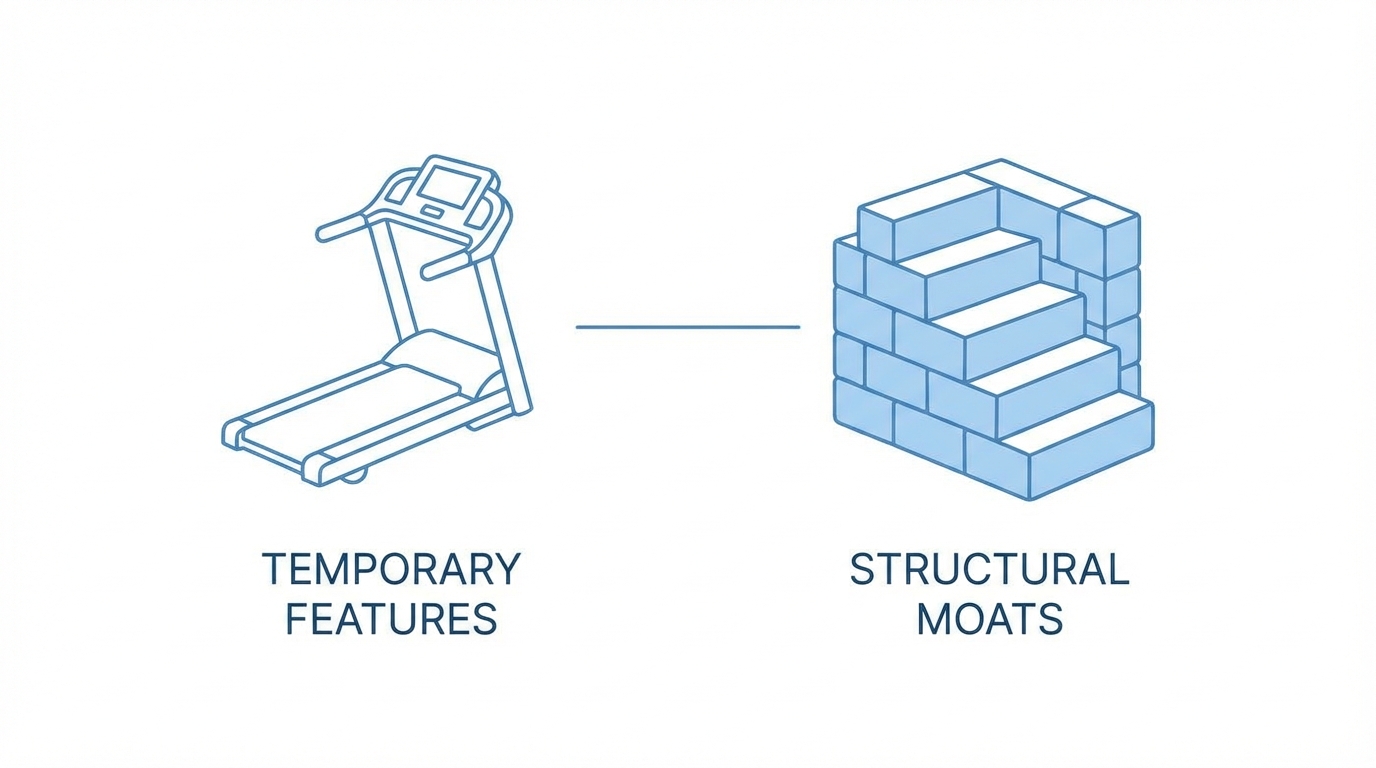
Many founders believe that AI-driven efficiency will give them a competitive edge. This is the sustaining innovation trap. Imagine a recruiting agency that uses an AI agent from a platform like Lindy to replace a 20-person outbound email team. Initially, the founder looks like a genius because their margins skyrocket. They are doing more work with fewer people and lower costs.
The problem is that this advantage is fleeting. Within 6 to 12 months, every other recruiting agency will implement the same ai startup business model. Because the cost of outbound recruiting has dropped for everyone, the market price for recruiting services will inevitably drop as well. You end up in the same commodity business you started in, but with even thinner margins and more aggressive competition. A real moat isn't just about being faster or cheaper today; it's about owning something that makes it impossible for the next person to compete, no matter how much AI they use.
Building Real Moats: Data Advantages and Network Effects
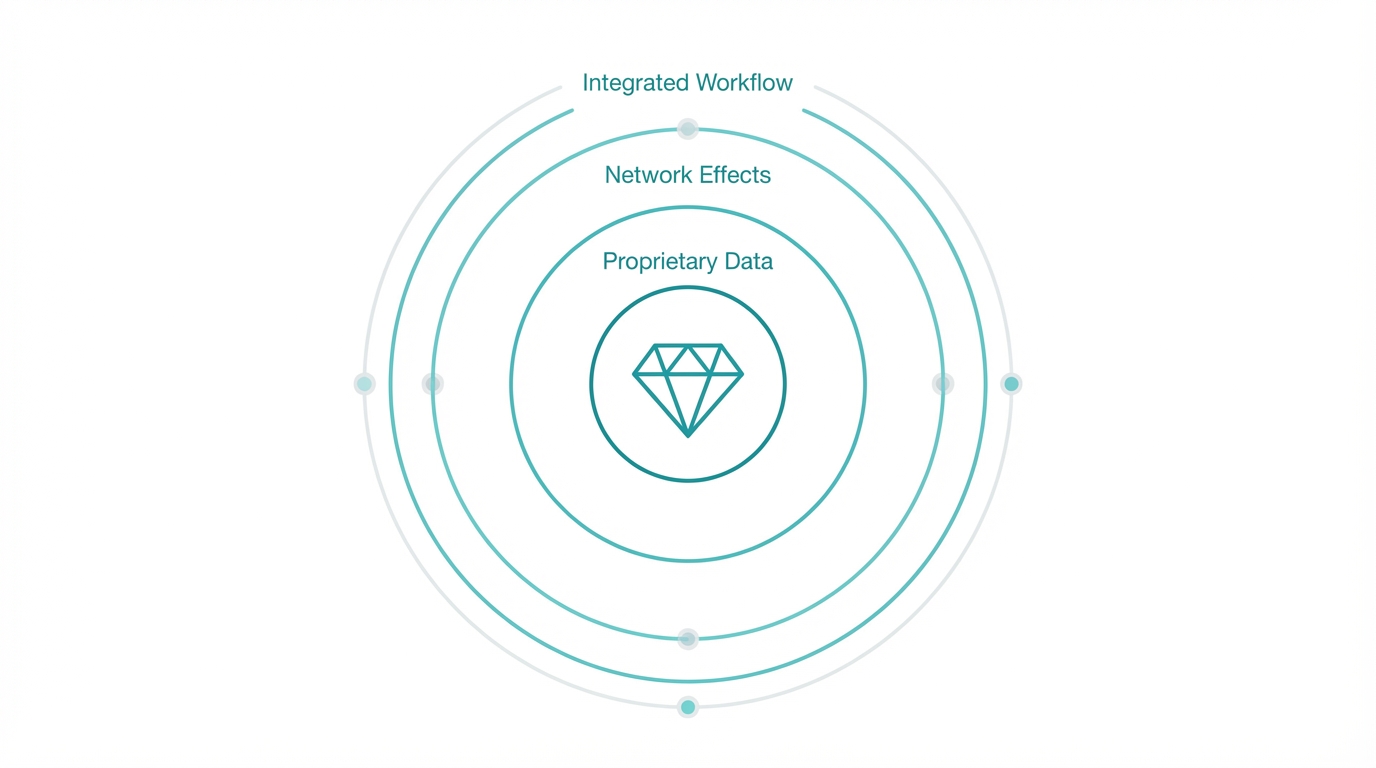

If software code is no longer a barrier to entry, what is? The answer lies in two areas: proprietary data advantages and network effect advantages. In 2025, the most successful AI companies won't be the ones with the best prompts, but the ones with the most integrated data ecosystems.
1. The Data Advantage
LLMs are trained on the public internet. If your business relies on data that is publicly available, an LLM like ChatGPT or Claude already knows it. To build a moat, you need proprietary, non-public data. This might include private financial records, specialized industry workflows, or localized real-world data that hasn't been scraped. For example, using a Gumloop automation to ingest and analyze private customer leads can create a unique intelligence layer that a generic competitor cannot replicate.
2. The Network Effect
A network effect in software occurs when a product becomes more valuable as more people use it. This is why social networks and marketplaces are so hard to displace. Vibe coding cannot recreate 10,000 active users in a community. If you build a tool that helps funeral homes manage inventory, the software itself is easy to copy. But if that software allows 500 funeral homes to trade inventory with each other, you have built a network effect. A new competitor can copy your features, but they cannot copy your network.
The Media-First Playbook: Acquiring Distribution and Data
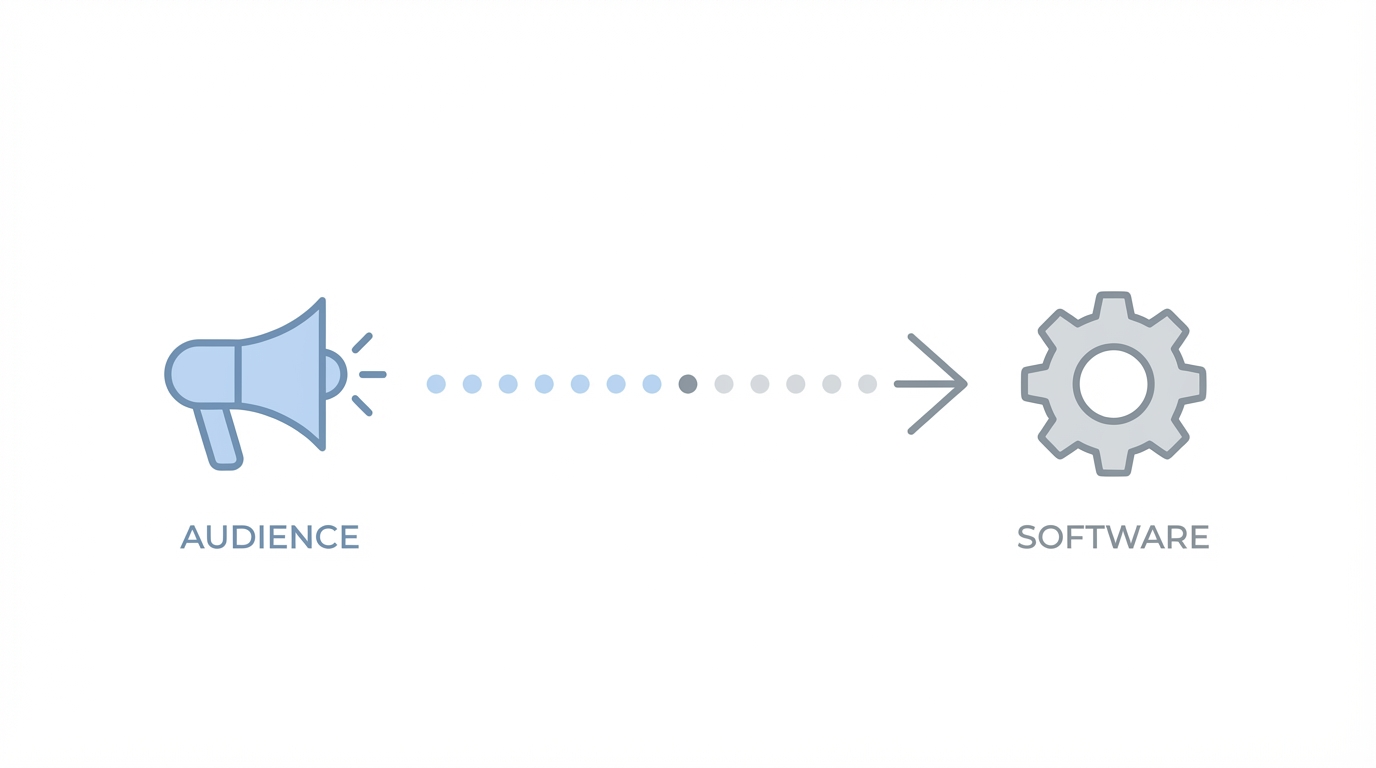
One of the most effective ways to build defensible ai moats today is to flip the traditional startup model on its head. Instead of building software and then looking for users, successful founders are buying or incubating media businesses first. By owning a high-value niche community—whether it’s a newsletter for yacht owners or a platform like TechCrunch—you secure two things: distribution and proprietary data.
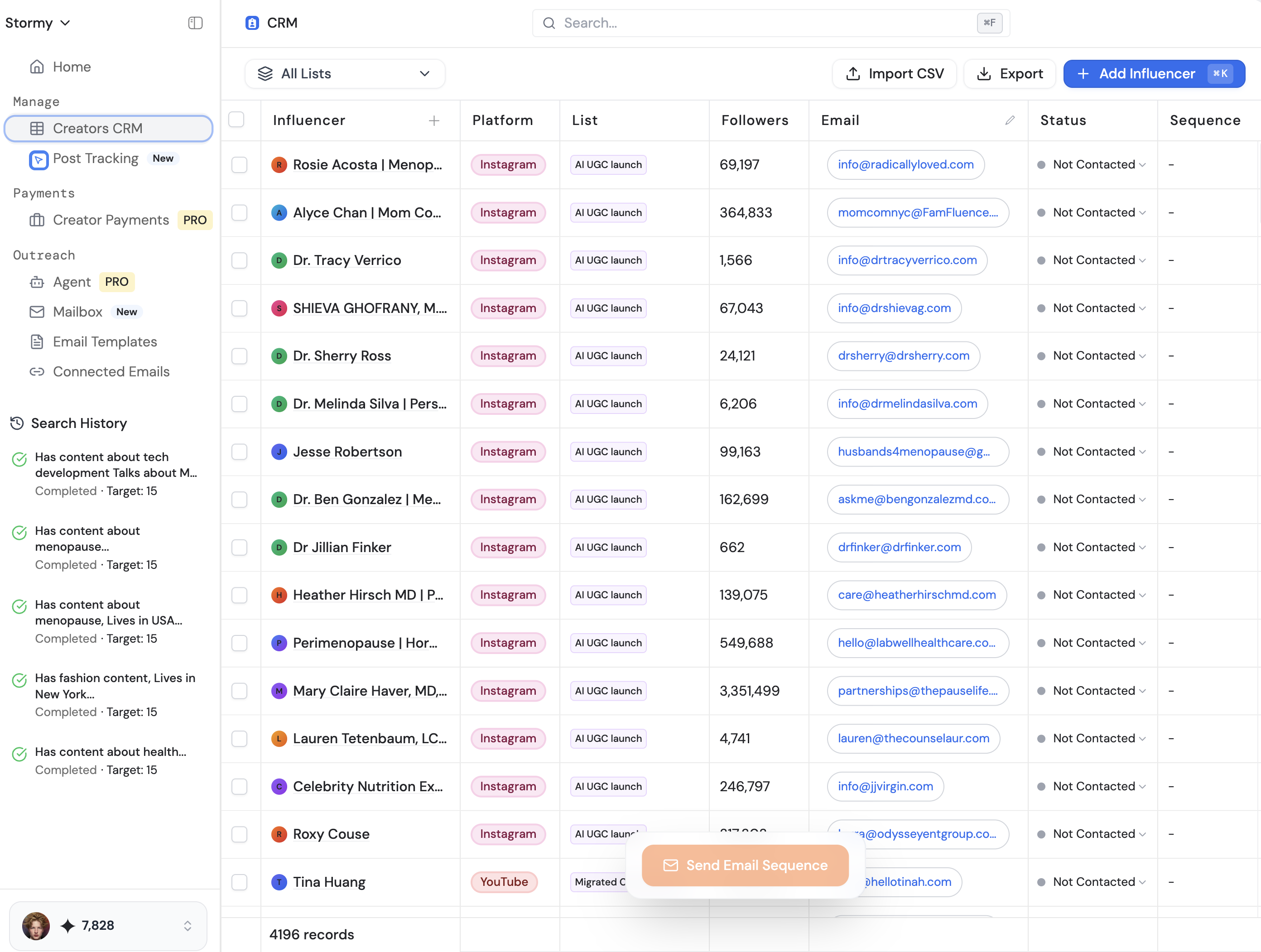
Once you own the attention of a niche, you can use AI to build custom tools that serve them. For instance, an owner of a local news media brand could use a tool like Manus AI to analyze thousands of applicant resumes or local data points to provide value that a generic search engine cannot. This strategy also applies to influencer marketing. Platforms like Stormy AI allow brands to discover creators and manage UGC campaigns at scale. By integrating AI discovery with a built-in CRM for managing relationships, tools like Stormy create a workflow moat that is far more defensible than a simple search bar.
Tactical AI Opportunities: MCP and Secure Local Data
For founders looking for the next million dollar ai business, the Model Context Protocol (MCP) represents a massive frontier. MCP is a way of piping private data or APIs directly into an LLM so it can query your specific datasets. This solves the problem of "historical data" in AI. Instead of manually uploading CSVs to a Claude project, an MCP server allows the AI to see your live revenue, Slack spend, or inventory in real-time.
The big opportunity here is security. Businesses are terrified of their private data leaking into public LLM training sets. A startup that offers a "Secure MCP" layer—essentially the 1Password of AI data connections—could build a massive moat based on trust and security. If you can provide a one-click, secure way for a CEO to query their Xero or QuickBooks data without it leaving their local environment, you have a business that is hard to displace.
The Automated Agency: High-Margin Local Services
While venture-scale software is getting harder, the opportunity in automated service businesses is exploding. There are thousands of local businesses—plumbers, roofers, and landscapers—with terrible websites and non-existent SEO. Using AI, you can build an automated agency that finds these businesses, vibe codes a beautiful new website using V0, and reaches out to the owner with a finished product.
This isn't just about selling a one-time website. The goal is to build a long-term business by offering hosting and ongoing AI-managed updates. Businesses rarely switch web hosts once they are set up. Companies like GoDaddy have proven that even with a subpar user experience, the "sticky" nature of hosting and domains creates a multi-billion dollar business. By layering AI automation on top of these old-school industries, you can build a highly profitable, defensible cash-flow machine.
Step-by-Step Framework for Evaluating Your AI Business Idea
Before you commit to your next project, run it through this framework to ensure you aren't just building a temporary wrapper:
- Step 1: The Weekend Test. Could a talented developer vibe code a 90% functional version of your product in 48 hours? If yes, you do not have a software moat.
- Step 2: Identify the Data. What data does your app use that isn't available on the public web? If you are just querying GPT-4 on public data, your pricing will eventually go to zero.
- Step 3: Define the Network. Does your product get more valuable when the 1,000th user joins? If it’s a single-player tool (like a photo editor), you are vulnerable to commoditization.
- Step 4: Analyze Distribution. How will you get users without spending $100 to acquire a $10 customer? Owning the media or the community is often the only sustainable way to win.
- Step 5: Check the Workflow. Are you integrated into the user's daily habit? Tools that manage creator relationships, like the CRM inside Stormy AI, are harder to quit than simple utility apps because they hold the history of the business's interactions.
Conclusion: The Shift from SaaS to Network-as-a-Service
The age of selling "software features" is ending. In 2025 and beyond, the most valuable AI startups will function more like Network-as-a-Service providers. They will combine the incredible speed of AI development with the unshakeable moats of community, proprietary data, and real-world service integration. Whether you are building a niche lending platform like a "Bank of Vibe Coding" or an automated local service agency, the key is to stay optimistic but grounded. It is a hard world to be a business person in because the competition is profound, but for those who focus on defensible ai moats, the rewards have never been higher. Stop coding for vibes, and start building for equity.