We have officially entered the era of the "idea guy." With the rise of vibe coding—the ability to build functional software by simply describing your vision to an AI—the barrier to entry for mobile app development has effectively vanished. According to recent data trends from Sensor Tower, dozens of apps released in just the last six months are already generating over $50,000 in monthly recurring revenue (MRR). These aren't complex enterprise tools; they are niche, focused solutions solving specific human problems with AI. If you are looking for AI startup ideas to launch in 2025, the blueprint is already being written by those who spot App Store gaps and fill them with high-intent AI wrappers.
The Vibe Coding Revolution: Why 2025 is Different

In 2025, the most successful AI business ideas for beginners are no longer about who can write the most efficient C++ code. Success is now a function of identifying a nerve. As Sam Altman of OpenAI recently noted, we are entering a phase where the value shifts from the execution of the code to the quality of the insight. Entrepreneurs are now using tools to find startup ideas backed by real-world data rather than just guessing what users want.
The secret to the current gold rush lies in the Greg's 50K MRR Framework, popularized by growth expert Greg Isenberg. To build a high-earning app today, you need five things: a group that spends money, a repeating problem, an interface that uses photos or videos as inputs, a high requirement for accuracy, and a market currently served by bad, legacy tools. When these five elements align, the vibe coding process can turn a simple prompt into a cash-flowing asset.
1. The 'Auction Strategist': Predicting Bids from Photos
The collectibles and real estate markets are high-stakes environments where accuracy is everything. An 'Auction Strategist' app would allow users to snap a single photo of an item—ranging from a piece of mid-century furniture to a foreclosed property—and receive an AI-predicted bid range and strategy. This solves the "fear of overpaying" that plagues every amateur bidder.
By leveraging computer vision models, this app can analyze recent sales data from platforms like eBay or specialized auction houses to give a real-time appraisal. This model mirrors the success of apps like Vinyl Snap, which helps vinyl collectors determine exactly what their records are worth. The key is turning a photo input into a premium insight.
2. The AI Closet Stylist: Wardrobe ROI

While fashion apps are common, there is a massive SaaS opportunity in combining personal styling with resale pricing. Imagine an app where a user takes photos of their entire wardrobe. The AI doesn't just suggest outfit combinations; it tracks the depreciation of the items. It tells the user, "You haven't worn this Gucci belt in six months; it's currently trending on Poshmark or The RealReal for $200. Click here to list it."
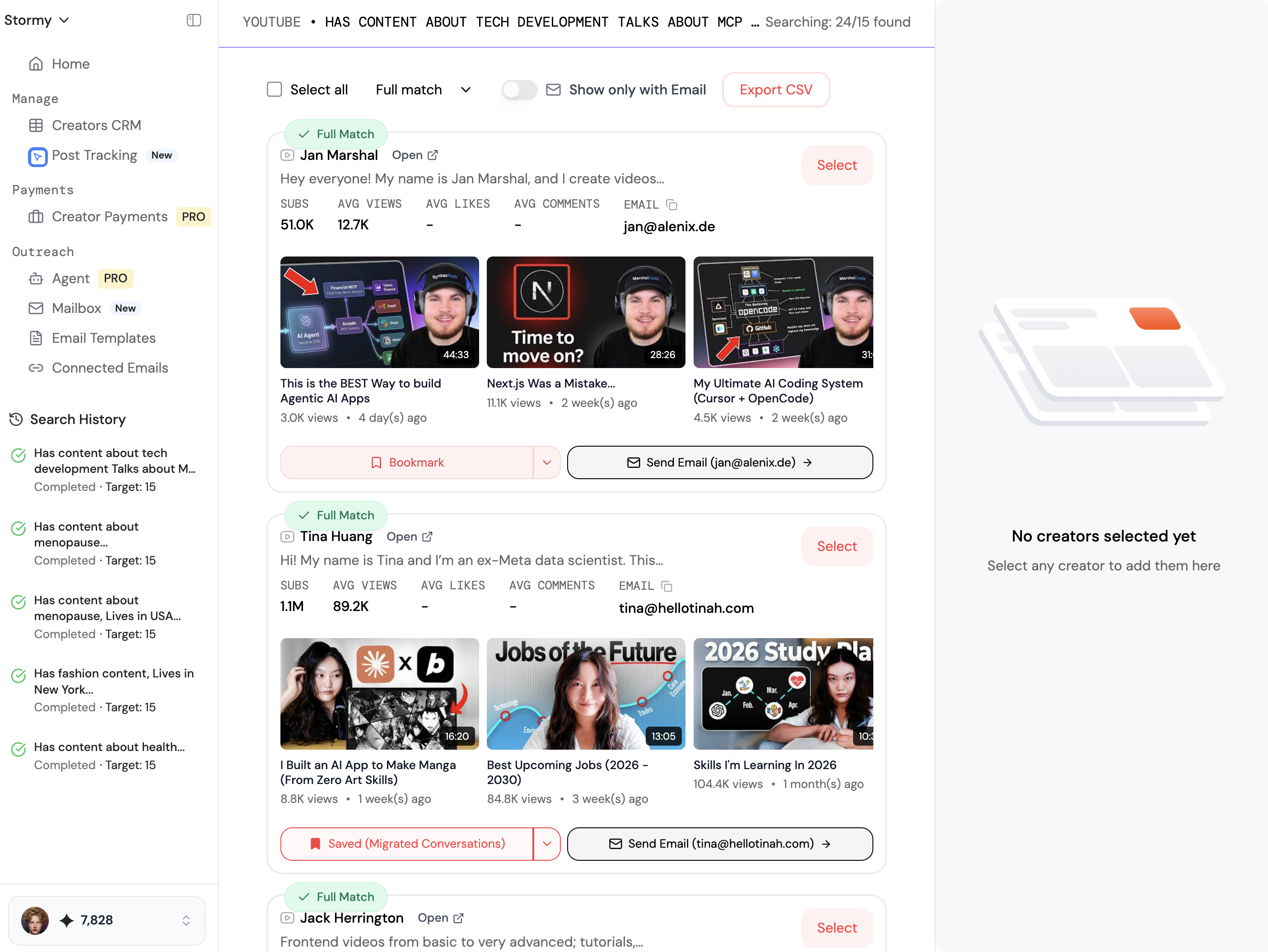
This creates a recurring behavior loop. The user opens the app daily for styling advice and weekly to manage their wardrobe's financial value. For developers, this is one of the best AI startup ideas because it taps into the high-frequency nature of getting dressed. To market an app like this, platforms like Stormy AI streamline creator sourcing and outreach, helping you find lifestyle influencers on TikTok to scale your user base through authentic UGC content.
3. Pet Health Scanners and Garden Plant Doctors
High-intent, high-frequency niches are the bread and butter of the App Store. Pet health scanners and garden plant doctors tap into deep emotional nerves. If a dog has a weird rash or a rare Monstera leaf is turning brown, the owner doesn't want to wait three days for an appointment; they want an answer now.
An AI app that uses video as an input to detect early issues can provide immediate peace of mind. While it shouldn't replace a vet or a botanist, the preliminary diagnosis based on resources from the American Veterinary Medical Association (AVMA) is a high-value insight people will pay a subscription for. These apps work because they turn a stressful decision into a confident choice. They solve the "nerve" of urgency and stakes.
4. Used Car Analysis: VIN to Negotiation Script
Buying a used car is a high-friction experience fraught with information asymmetry. A 'Used Car Analyzer' app could allow a user to enter a VIN and upload photos of the car's interior and exterior. The AI then processes the vehicle history report from services like CARFAX and visual cues to generate repair risk assessments and, most importantly, a custom negotiation script.
This is a "one-job" app that does its task brutally well. It helps the user answer the question: "Is this a $10,000 car or a $1,000 liability?" Because the financial stakes are so high, users are far more likely to convert to a premium tier to unlock the full analysis. For growth, tracking your campaign performance on Meta Ads and monitoring conversion rates is essential.
5. The 'Vinyl Snap' Model for Collectibles
The success of specialized scanning apps proves that collectors are an obsessed group with a repeating problem. This same vibe coding framework can be applied to dozen of other niches listed in eBay’s collectibles categories:
- Comic Books: Identify the issue, condition, and current CGC grading value.
- Sports Cards: Scan a 1952 Topps card and get instant price comps from PSA.
- Vintage Clothing: Identify the era of a tag and its rarity.
- Signed Merchandise: Use AI to compare signatures against a database of authentic autographs.
Each of these is a standalone 50K MRR opportunity because collectors are constantly buying, selling, and trading. They need a single scan that gives identity, value, and rarity instantly.
6. The AI Golf Swing Coach

The sports tech industry is exploding, and golf is a niche with legendary spending power. According to Grand View Research, the sports tech market is seeing a massive shift toward AI-driven performance tracking. An AI Golf Swing Coach app would use biomechanical analysis via a phone's camera to provide real-time corrections. Instead of paying $100 an hour for a pro, a golfer can get 80% of the value for $20 a month from an app.
This fits the framework of a high-intent input (video) leading to a premium insight (swing correction). It is addictive, as golfers are notoriously obsessed with incremental improvement. By building this with a simple, one-button interface, you remove the friction that usually exists in high-end sports analysis software.
7. RV and Van Life Layout Designer
The "Van Life" movement has moved from a trend to a permanent lifestyle for thousands. However, the logistics of building out a small space are a nightmare. An AI app that takes interior photos of an empty van and provides optimized 3D layouts and a shopping list is a massive App Store gap.
Similar to the AI Home Decor apps like Interior AI making $100,000 a month, this specializes in a niche where the physical constraints (square footage, weight distribution) make the AI's design plan even more valuable. It solves the problem of "I can't picture it" in a high-stakes, high-cost project.
The Playbook: How to Build Your First 50K MRR App
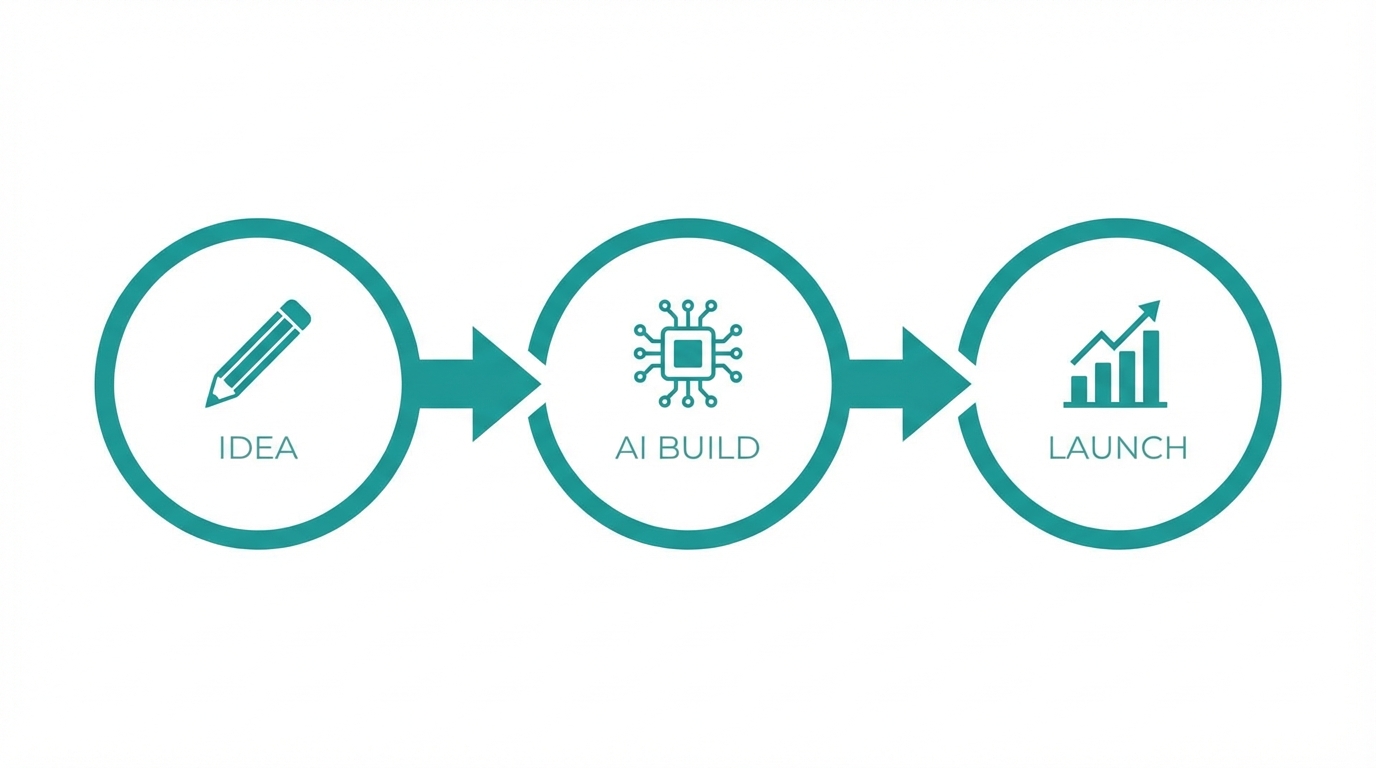
If you're ready to start vibe coding, follow this clear step-by-step playbook to ensure your app has the highest probability of success.
Step 1: Identify the Nerve
Don't start with a market; start with a repetitive pain. Look for an identity group (like churchgoers, collectors, or hobbyists) that has an urgency for answers and high stakes involved. Use Idea Browser to see what users are currently screaming for in the reviews of legacy apps on the Apple App Store.
Step 2: Focus on a Single High-Intent Input
Ensure your app's core value is triggered by a high-signal input—usually a photo or video. AI creates the most value when it interprets something that is naturally hard for a human to process quickly (like a VIN number or a plant disease).
Step 3: Build a 'Brutally Simple' Interface
Many of the top-grossing apps are one screen and one button. Do not overcomplicate the UI. The user wants the transformation, not the features. Your goal is to move the user from 'Input' to 'Insight' in under 5 seconds.
Step 4: Scale with Creator Marketing
Once your app is functional, use tools like Stormy AI to find UGC creators who fit your niche. Influencer marketing is the fastest way to drive downloads for niche AI tools because it builds trust through demonstration. You can set up an autonomous AI agent on Stormy to handle the discovery, outreach, and follow-ups on a daily schedule while you focus on refining the product.
Conclusion: The Future of Mobile is Niche
The year 2025 will be defined by the democratization of development. You no longer need a team of engineers to build a $50,000/month business. You need a sharp eye for gaps and the willingness to experiment with vibe coding. Whether you're building an AI golf coach or a vintage comic scanner, the framework remains the same: solve one job, for one obsessed group, using one high-intent input. The opportunity is on the table—it's time to start building.