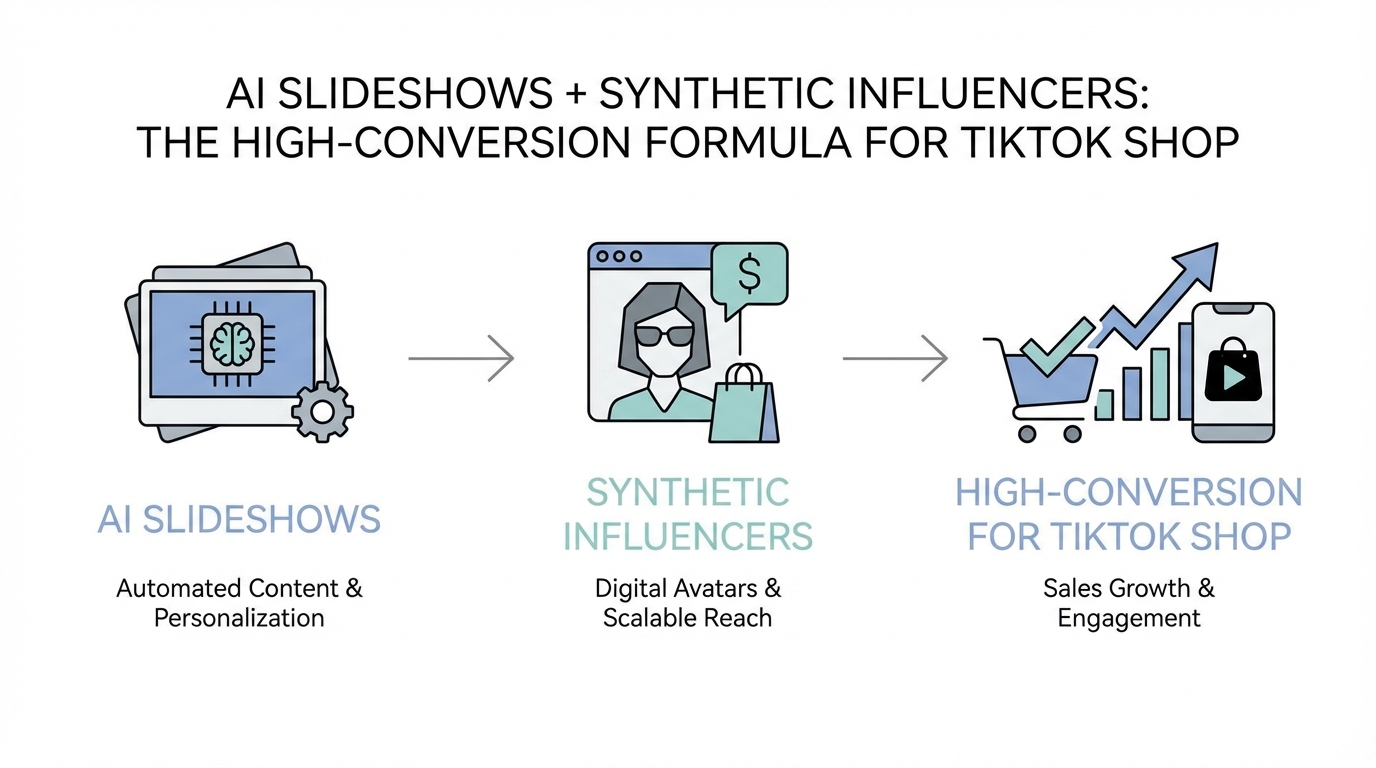
The era of the $5,000 influencer contract is facing a quiet revolution. For years, brands have struggled with the inconsistency of human creators—missing deadlines, varying content quality, and the sheer overhead of managing dozens of personalities. However, a new TikTok Shop AI strategy is emerging that bypasses these hurdles entirely. By leveraging synthetic influencers for business and the psychological power of high-velocity slideshows, savvy marketers are generating six-figure revenues with zero human faces on payroll. This approach doesn't just lower costs; it provides a level of control and scalability that traditional influencer marketing simply cannot match.
The Shift from Faceless Content to Synthetic Influencers
In the early days of AI marketing, "faceless" accounts dominated. These were often generic, stock-video-heavy channels that lacked personality and trust. Today, the game has changed with the rise of AI persona marketing. Using advanced models like Flux and sophisticated LoRA (Low-Rank Adaptation) training, brands can now create consistent, realistic synthetic creators. These aren't just one-off images; they are persistent digital personas that appear in every post, building a recognizable brand presence over time.
The key to success with synthetic influencers is consistency. When a user sees the same "creator" providing value across multiple TikTok videos, trust begins to form. Unlike traditional AI, which might generate a different face every time, training a LoRA allows you to maintain the exact same features, style, and clothing patterns across thousands of variations. This technological leap allows businesses to convert TikTok views to sales by mimicking the high-trust relationship of a real influencer without the logistical nightmare of physical production. Platforms like Stormy AI, which features a natural-language AI search engine to discover creator archetypes, are increasingly becoming essential for brands looking to bridge the gap between AI-generated concepts and high-performing social content.
The Psychology of the Slideshow: Minimum Viable Content

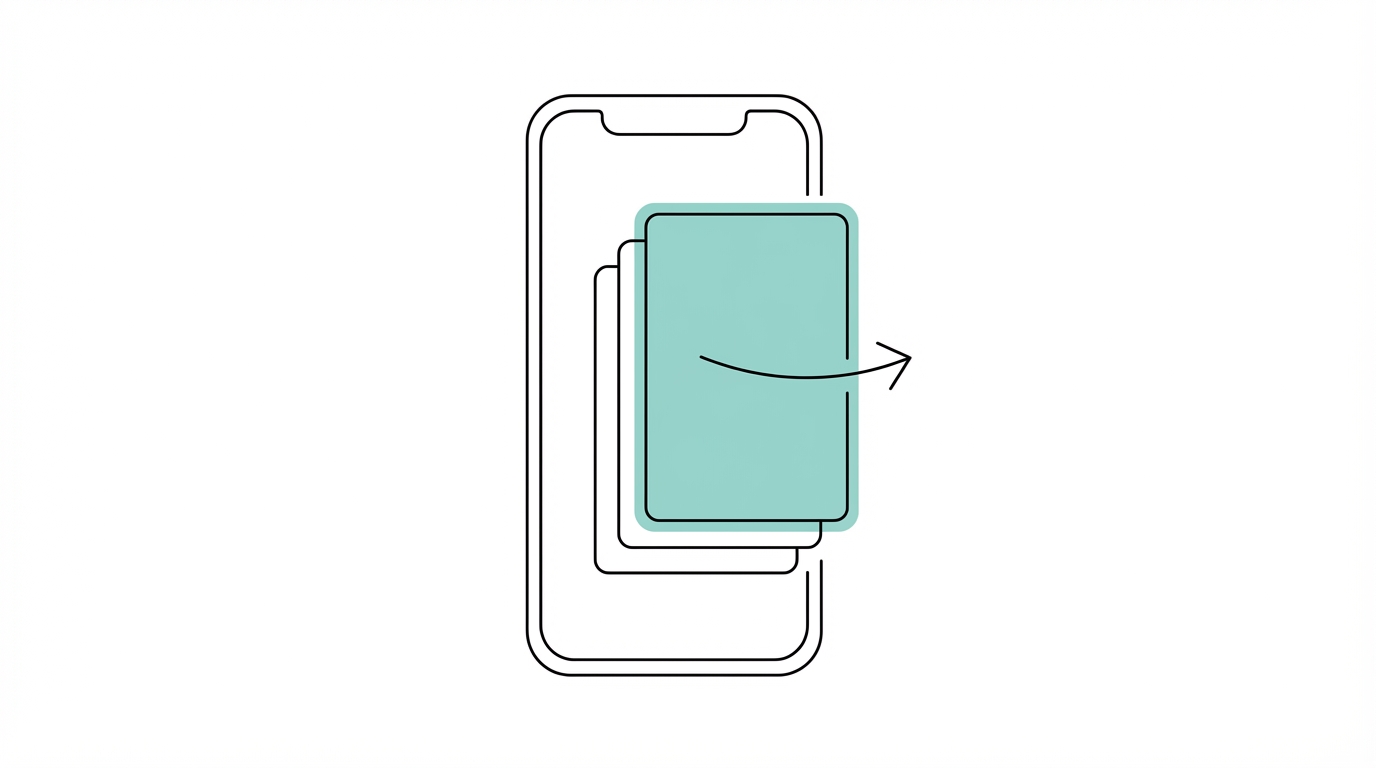
While high-production video often feels like an ad, AI generated TikTok slideshows feel like native social content. There is a specific "minimum viable content" formula that has been proven to outperform complex video edits: 8 high-quality pictures followed by 1 targeted product slide. This format taps into the "swipe-to-reveal" psychological loop, keeping users engaged as they scroll through a narrative or a collection of curated aesthetics.
Why does this work? Slideshows allow the user to control the pace of consumption, which reduces the friction often felt with unskippable video ads. For example, a successful account might feature eight slides of aspirational home office setups—sourced from an image bank or generated via Midjourney—and then end with a ninth slide featuring a specific poster or tech accessory available on TikTok Shop. This subtle call-to-action integrates the product into the user's existing interest graph rather than interrupting it. To find the right aesthetics to mimic, marketers often use Stormy AI to analyze deep audience demographics and identify which creator styles are currently trending in their niche.
The 'Hook and Demo' Playbook: A Step-by-Step Guide
To truly scale synthetic influencers for business, you need a repeatable system. The "Hook and Demo" strategy involves matching an AI-generated narrative hook with real-world product demonstrations or screen recordings. This provides the perfect balance of "AI efficiency" and "human-validated reality."
Step 1: Identify the Pain Point
Your first slide must name a specific problem. Using tools like 11 Labs for voiceovers or bold text overlays, start with a hook like, "I used to struggle with tracking my calories daily." This slide should feature your synthetic influencer looking relatable and engaged. Linking this to data-driven insights from Superwall can help you understand which hooks lead to the highest paywall conversions in mobile apps.
Step 2: Introduce High-Effort Solutions
The middle slides (2 through 7) should showcase traditional, high-effort ways to solve the problem. If you're selling a fitness app, show someone weighing every single blueberry or writing in a complex paper journal. These slides can be pulled from high-quality image banks like Cosmos or Pinterest. The goal is to build tension by showing how difficult the "normal" way is.
Step 3: The Modular Pivot
Slide 8 or 9 introduces your product as the low-effort, high-reward alternative. This is where you use a screen recording of your app or a clean demo of your physical product. By positioning your solution last, you capitalize on the user's desire for a faster, easier fix. This TikTok Shop AI strategy is highly modular; you can swap the product demo slide while keeping the successful "hook" slides, allowing for rapid A/B testing.
Finding Winning Formats through Modular Templates
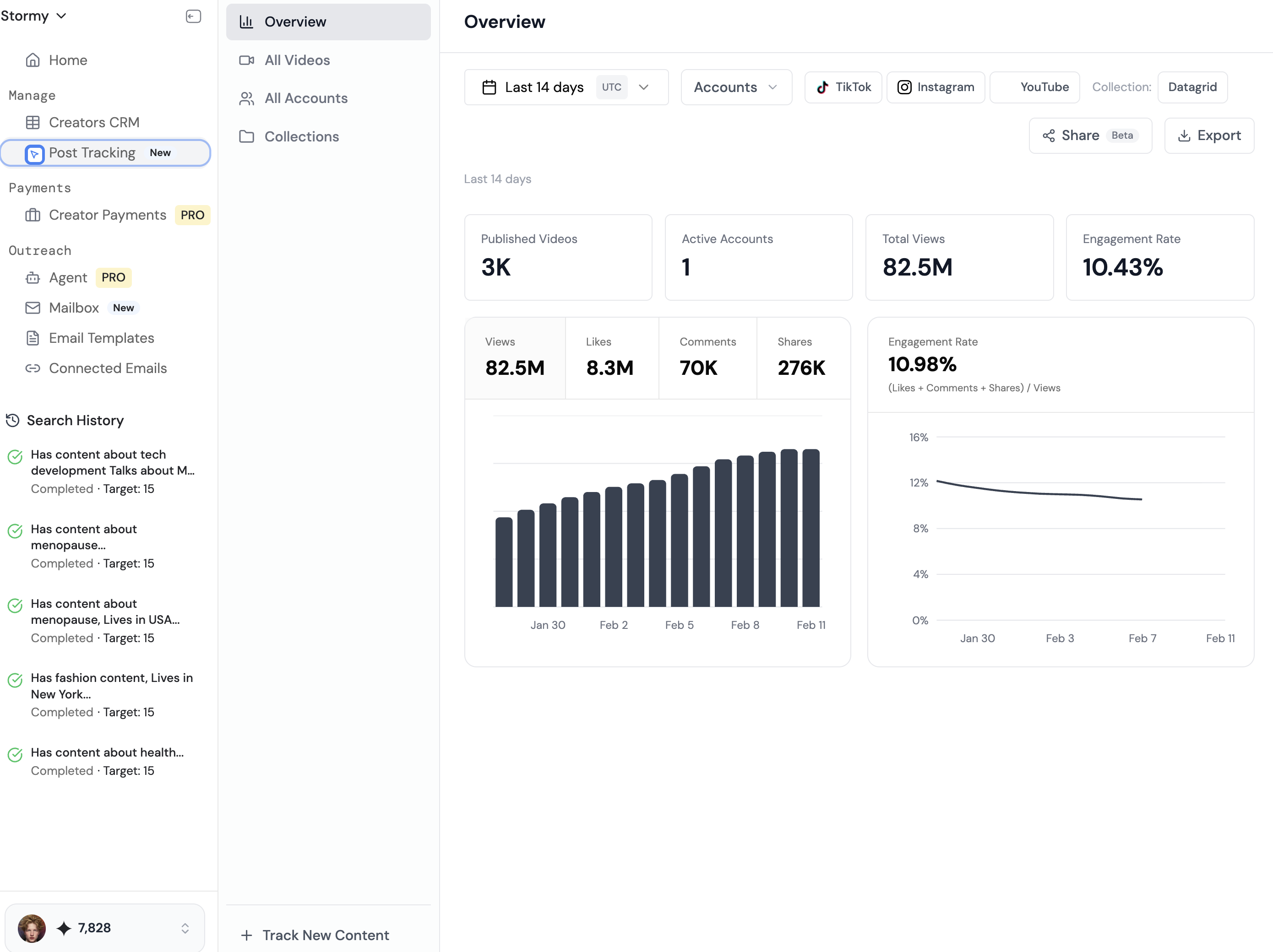
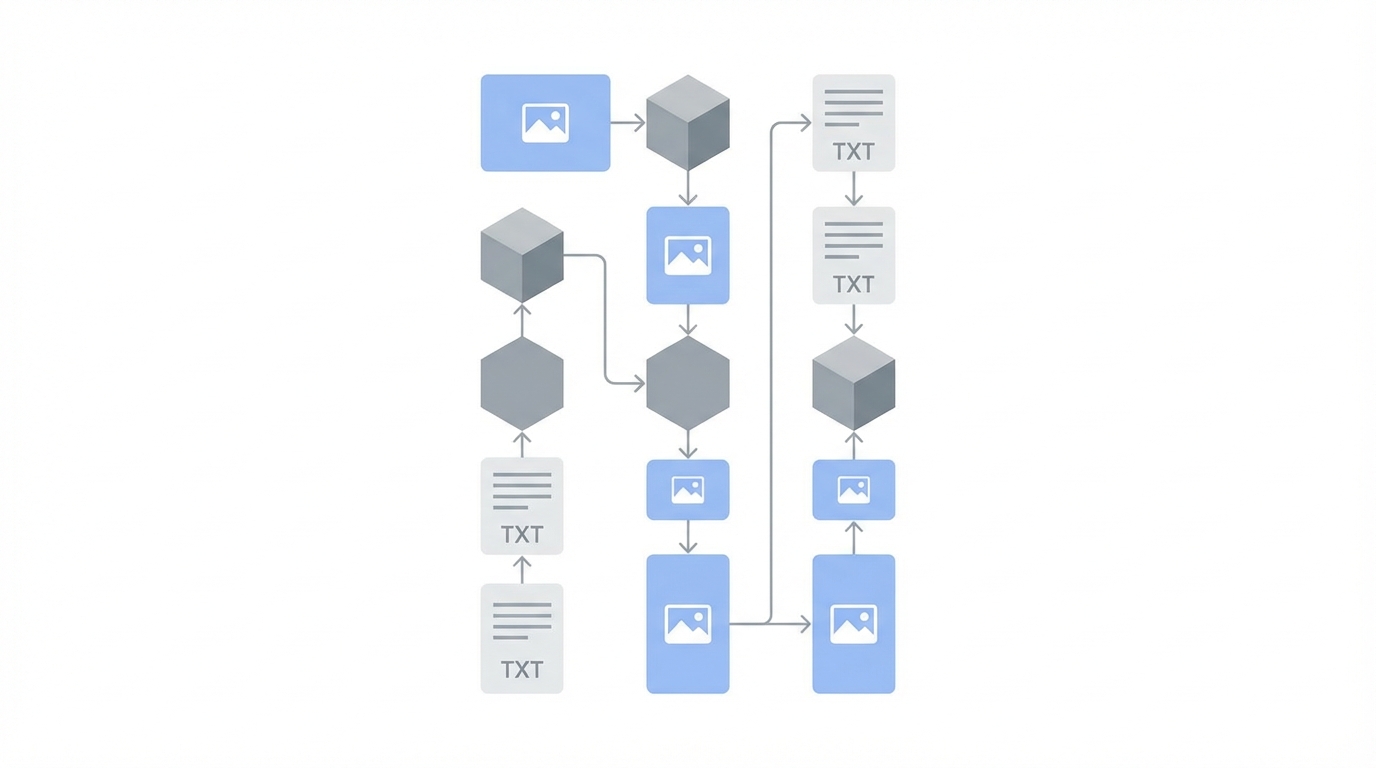
Innovation in the social media space happens in cycles. As Zuhair Lani noted in his recent interview with Consumer Club, marketing strategies often only work for a few months before consumers become blind to them. To stay ahead, you must scrape viral hits and turn them into modular templates. This involves taking a trending video, stripping it down to its structural variables (the hook, the transition, the body, and the CTA), and rebuilding it using AI.
Sophisticated operations now use "Attention Intelligence" to create a feedback loop. By posting content across dozens of accounts—often managed via physical phone farms to avoid detection from Instagram or TikTok's device fingerprinting—brands can see exactly which prompts and models are driving the most engagement. This data is then fed back into the AI to generate even more effective variants. For those managing complex mobile app campaigns, Stormy AI helps find the right UGC creators to model these AI personas after and track every interaction via a dedicated creator CRM, ensuring the "human" element feels authentic.
Case Study: Generating $100,000 in a Single Month
The potential of this system isn't theoretical. One entrepreneur, Zuhair Lani, successfully generated $100,000 in revenue in just 30 days using entirely AI-generated content on TikTok Shop. His strategy didn't involve a single traditional influencer. Instead, he used a combination of AI-generated posters and automated slideshows. By testing multiple sub-accounts, he found that a simple carousel featuring aesthetic car photos followed by a product slide for a custom poster could generate thousands of views and direct sales within hours of posting.
His success was built on validating the concept before automating. He started by manually creating content for a few accounts and, only after seeing three sales from a single video, did he invest in scaling the production. This is a critical lesson for any brand: AI generated TikTok slideshows are a multiplier, not a magic wand. You must first find a hook that resonates with a human audience on Facebook or TikTok before you use AI to blast it across a hundred accounts.
Conclusion: Your Actionable Playbook for TikTok Shop
The future of TikTok Shop AI strategy lies in the intersection of high-trust personas and high-velocity content production. By moving from generic faceless accounts to synthetic influencers, you can build a brand that lives and breathes on the platform without the constraints of human labor. Start by identifying a viral format, deconstruct it into a template, and use AI persona marketing to give that template a face and a voice. Whether you are promoting a mobile app or a physical product, the "Hook and Demo" slideshow remains the most efficient way to convert TikTok views to sales in the current market. Keep your operations lean, focus on the 95% AI/5% human split, and use Stormy AI to discover influencers and manage your campaigns with advanced post-tracking analytics that fuel your next viral hit.