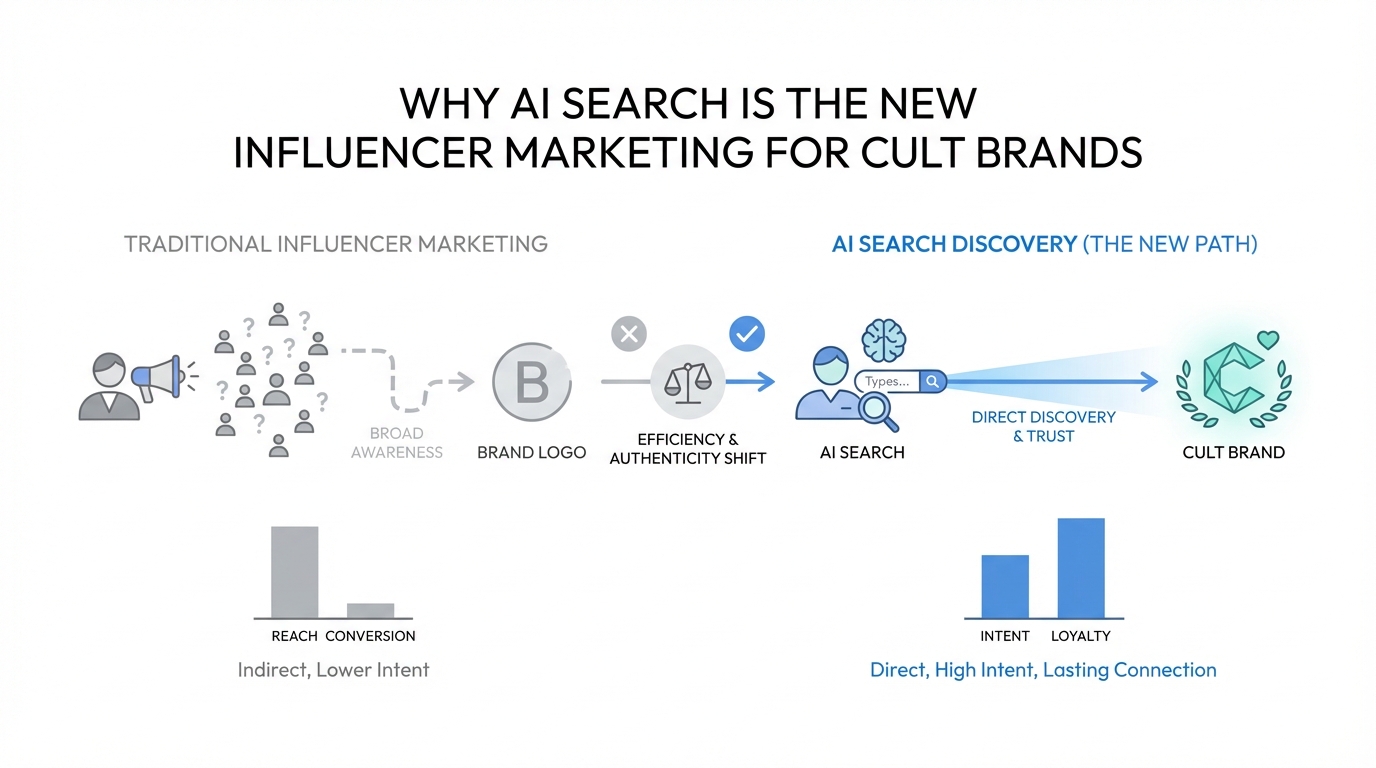
The traditional buyer journey is dying. In its place, a new, more sophisticated path to purchase has emerged, driven by Large Language Models (LLMs) and the rise of Generative Engine Optimization (GEO). For years, marketers focused on the 'first page of Google' as the ultimate prize. But today, a new breed of high-intent buyers is bypassing blue links entirely, choosing instead to conduct 90% of their research within platforms like ChatGPT and Perplexity. For cult brands and niche software companies, this isn't just a technological shift—it is a complete reimagining of influencer marketing for SEO. When an AI recommends your product, it isn't just ranking you; it is vouching for you based on the collective 'vibe' and data it has scraped from the web.
What is GEO and Why It Matters for Your Brand

To understand the opportunity, we first have to define the landscape. GEO, or Generative Engine Optimization, is the practice of optimizing your digital presence so that AI search engines—like Perplexity, ChatGPT, and Gemini—surface your brand as a top recommendation. While many treat this as a bubble, the data suggests otherwise. Even as searches on Google continue to increase, searches on AI chat platforms are growing at an equal or faster velocity. However, the value of an AI search user is fundamentally different.
As noted in recent industry discussions, AI search is particularly effective for businesses with long purchasing decision time horizons. This includes software-as-a-service (SaaS), local service businesses (like HVAC or roofing), and high-end e-commerce brands. These are categories where consumers don't make impulse buys; they do deep research to find the 'best' or 'highest quality' option. Because AI acts as a research assistant, users arrive at your site educated and buyer-ready. While traditional SEO might yield a 2% conversion rate, some brands are seeing 15% to 40% conversion rates from traffic originating in LLMs. The user has already done the comparison shopping; they’ve reached for their credit card before they even click your link.
Brand Surface Area: Influencer Marketing for Bots
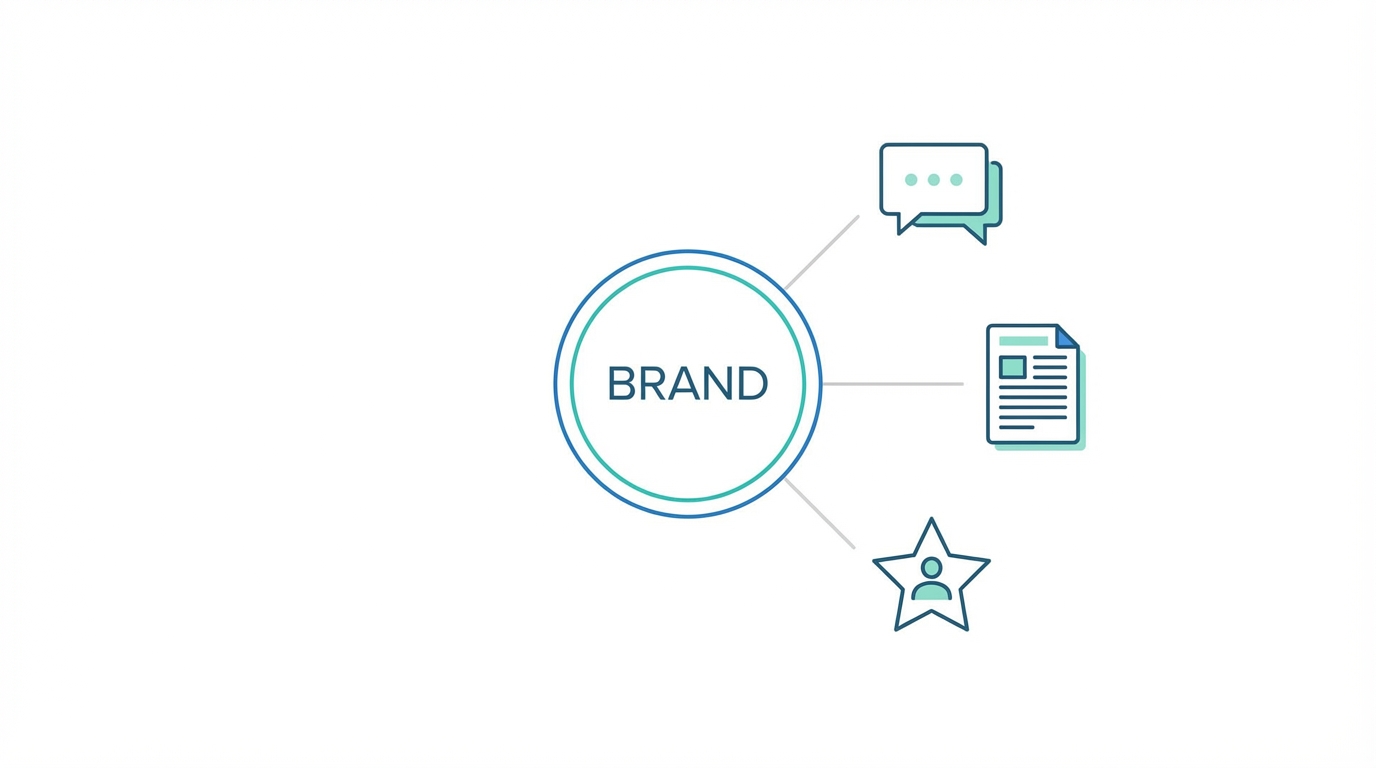
In the world of AI search, Domain Authority is being eclipsed by brand surface area. To understand why, you have to understand how AI engines actually 'think' when a user asks a question like, 'What is the best funnel building software for mobile devices?'
When a user types a query, the AI doesn't just look at one database. It performs what experts call 'AI Fanning.' It takes that single query and expands it into dozens or even a hundred derivative, highly descriptive queries. It builds a 'word map' of every possible angle someone might ask about that topic. Then, it searches Google and Bing for those derivatives, scrapes the top results (usually pages 1 through 3), and pulls all that content into its context window. Finally, it synthesizes an answer for the user.
This is where brand mentions in AI search become critical. If the AI scrapes 1,000 pages to answer a query and your brand appears on 40% of them, you are almost guaranteed to be the top recommendation. If you only appear on five pages, you’re invisible. Effectively, the publishers and listicles ranking on Google are the 'influencers' that the AI bot follows. To win with the bot, you must first win over the publishers the bot trusts. This is why digital PR for AI is increasingly indistinguishable from high-level influencer outreach.
The Cult Brand Case Study: Aesthetic and Quality
While AI search is currently dominated by software and services, a specific type of e-commerce brand is winning big: the 'Cult Brand.' These are aesthetic-driven, quality-focused companies that command a loyal following. A prime example is Sunspel, a heritage menswear manufacturer. For a brand like this, AI search is a discovery engine for users looking for a specific 'vibe' or a high-quality standard that persists across the internet.
When a user asks an AI to find 'brands similar to Sunspel with better durability,' the AI looks for sentiment-rich mentions. It isn't just looking for a backlink; it’s looking for the context of the mention. Does the internet agree that your quality is superior? Are you mentioned in the same breath as other high-tier luxury brands? This shift from raw links to sentiment-rich mentions is the foundation of influencer marketing for SEO in the AI era. You are no longer just building a path to your site; you are building a reputation that a machine can quantify.
Identifying Your High-Value Targets

The first step in any GEO strategy is identifying which URLs the AI is actually referencing. You can't just guess which blog posts matter. You need to see the data. Tools like Google Search Console can provide a hidden window into this. If you filter for queries longer than 50 characters and see impressions but zero clicks, you are likely seeing the 'AI Fanning' process in action. These are queries written by bots, for bots, to scrape your content.
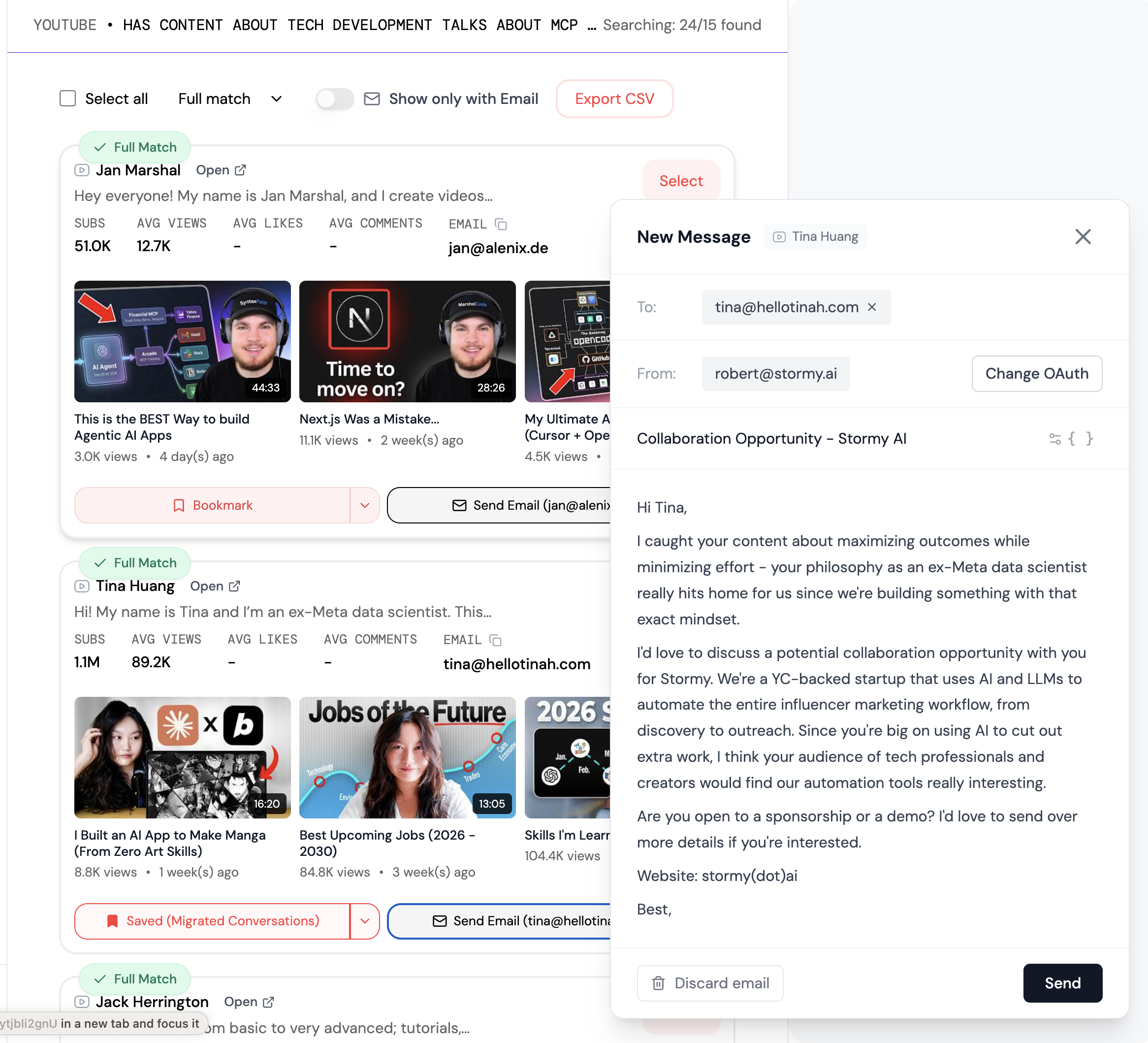
To truly scale this, you need to treat these high-ranking URLs like influencers. Modern platforms like Stormy AI allow brands to discover and vet the creators and publishers that own the 'surface area' in their niche. Instead of traditional cold outreach, you are looking for high-authority placements that serve as the source material for LLMs. By using an AI-powered search engine to find creators who already rank for your target keywords, you can strategically place your brand where the bots are guaranteed to find it.
The Outreach Playbook for AI SEO
Once you have a list of the 40,000+ URLs that the AI references for your niche, your job is to get included. This is a massive outreach undertaking that mirrors a traditional digital PR campaign. However, the speed of impact is much faster. Unlike traditional SEO, which can take months to show results, an AI search recommendation can change overnight once the source material is updated.
Step 1: Extract the Source List
Use AI search trackers to identify the exact URLs being cited by ChatGPT and Perplexity for your primary keywords. These are your 'Influencer Bots.'
Step 2: Vetting and Prioritization
Prioritize URLs that appear most frequently across multiple derivative queries. A single placement on a top-tier listicle can influence hundreds of different AI-generated responses.
Step 3: Personalized Outreach
Contact the website owners or creators. Because these placements are highly valuable, expect to pay for inclusion or offer high affiliate commissions. This is where AI-personalized outreach becomes a force multiplier. Tools like Stormy AI can manage this process, using AI to generate hyper-personalized emails to each publisher, handling follow-ups automatically while you sleep. This ensures you maintain a high volume of outreach without sacrificing the 'human' touch required to land premium placements.
From Backlinks to Sentiment-Rich Mentions
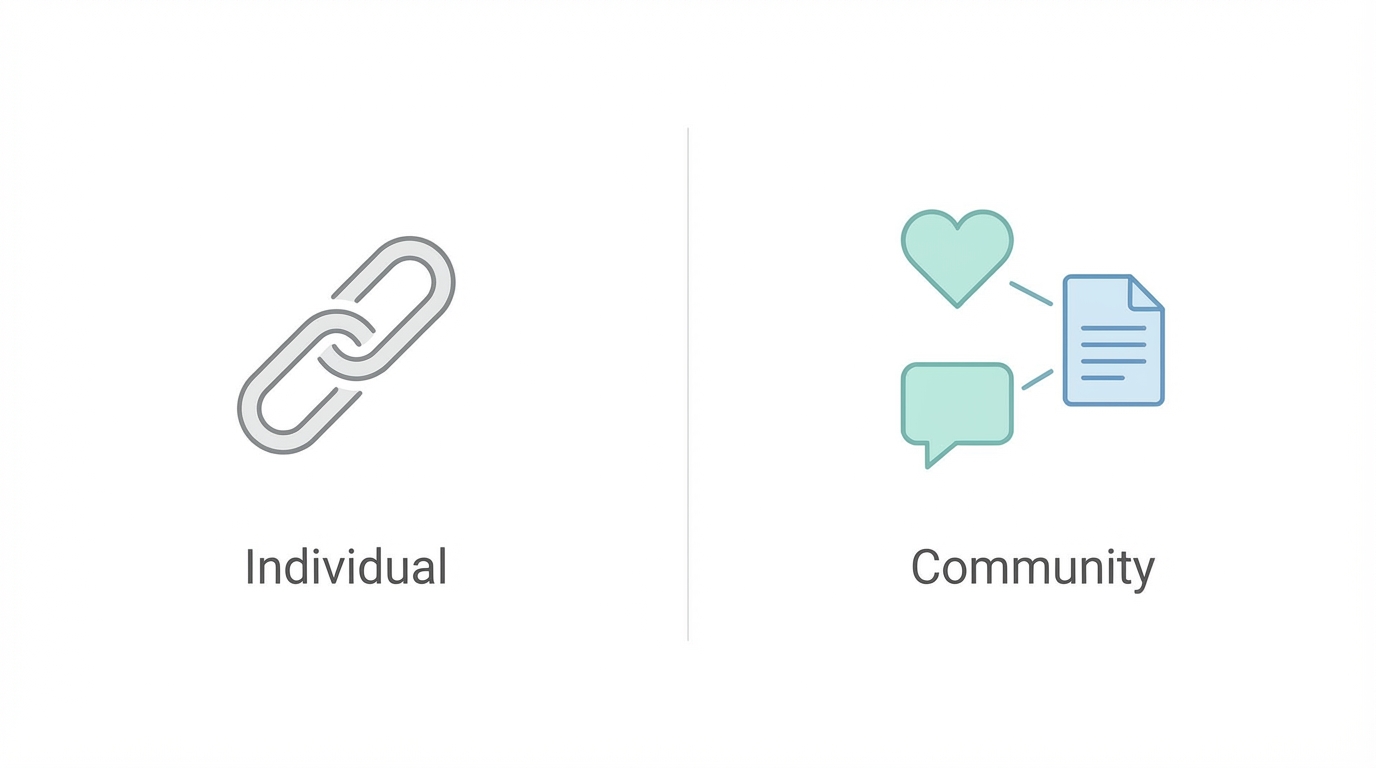
It is important to remember that LLMs aren't just looking for your URL; they are parsing the sentiment of the text surrounding your brand name. If a high-authority site mentions your brand but calls your customer service 'lacking,' the AI will incorporate that into its summary. This is why digital PR for AI must focus on quality over quantity.
Winning in AI search requires a 'moat' built on traditional Domain Authority and modern AI relevance. When you pay for a placement on a site that ranks in the top 3 of Google, you are accomplishing two things at once: you are getting a high-value backlink that boosts your site’s own ranking power, and you are securing your spot in the AI’s context window. This dual-threat strategy is how cult brands protect themselves from algorithm shifts. Even if ChatGPT-5 changes its internal ranking, its reliance on the 'indexed web' (Google) remains its primary source of truth.
Building a Long-Term AI Moat

Is AI search all hype? While the total search volume is still small compared to Google’s trillions of queries, the intent of the AI searcher is significantly higher. These are the users who are about to buy. For software companies and cult e-commerce brands, ignoring this channel is leaving the highest-converting traffic on the table for competitors.
However, you must be careful not to over-rely on a single platform. As seen with the Tally founder's experience [source: Marie Haynes Consulting], a single model update (like GPT-5) can nuke referral traffic if the AI’s source-selection algorithm changes. The only way to hedge against this 'platform risk' is to maximize your brand surface area across the entire web. If you are mentioned favorably everywhere—on TikTok, in newsletters, on high-DA blogs, and in YouTube reviews—no single algorithm update can erase your presence.
Conclusion: The Future of Brand Visibility
AI search is not a replacement for SEO or influencer marketing; it is the convergence of the two. By treating high-ranking publishers like influencers and using digital PR for AI to secure sentiment-rich mentions, brands can capture the most valuable segment of the modern buyer journey. The brands that win will be those that realize their 'reputation' is now a data point for a machine to analyze. Start by identifying where the bots are looking, and make sure that everywhere they turn, your brand is there, looking back at them with a 40% conversion rate in hand.