Most AI software companies are sitting on a goldmine they don't even realize exists. They focus obsessively on product-market fit and user retention while their most valuable asset—their Domain Rating (DR)—collects dust. If you have built a tool with a DR of 50 or higher, you aren't just running a software company; you are sitting on an authoritative media property that could be generating $50,000 per month in pure affiliate and advertising revenue without distracting from your core product. This is the new frontier of SaaS SEO strategy.
Why AI Companies are Leaving Money on the Table
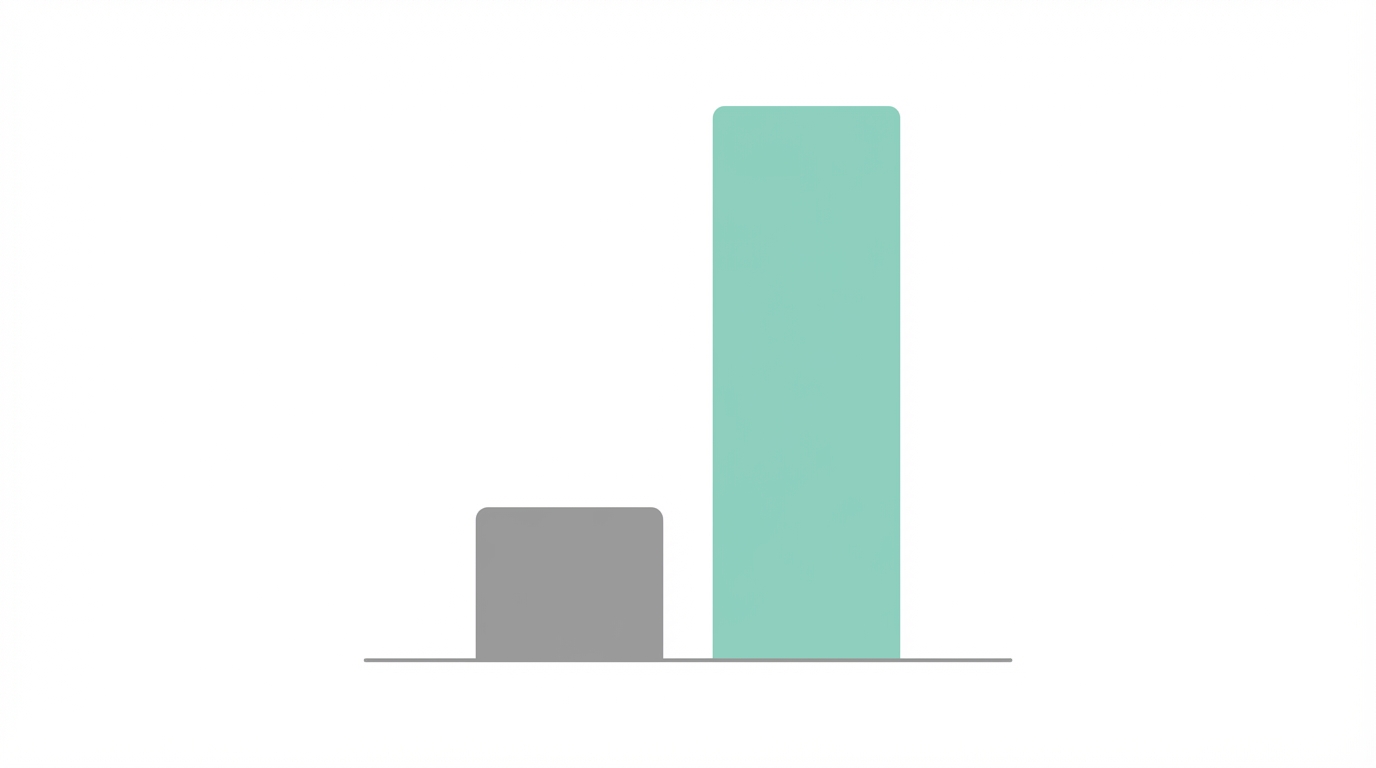
The typical AI founder mindset is focused on the tool, not the traffic. Take a look at Interior AI, a platform built by Peter Levels. With a DR of 60, the site has the authority to rank for almost any keyword in the home decor and design niche. However, by failing to utilize an editorial strategy, experts suggest the platform is leaving roughly $50,000 per month in potential revenue on the table. This calculation isn't just guesswork; it is based on the performance of similar D2C and AI brands that leverage their authority to capture high-intent search traffic.
To capture this revenue, companies must shift from being a "pure tool" to an editorial authority. By building a blog or a guide section, an AI company can target high-ticket affiliate content. For an interior design tool, this means ranking for keywords like "best reclining sofa" or "best infrared sauna." Even at a DR of 38, smaller sites have generated $11,000 a month in affiliate commissions alone, supplemented by another $10,000 in display ads. When you scale that to a DR 60 domain, the numbers quickly compound into the mid-five-figure range.
The Subdirectory Strategy: Insulating Your Domain
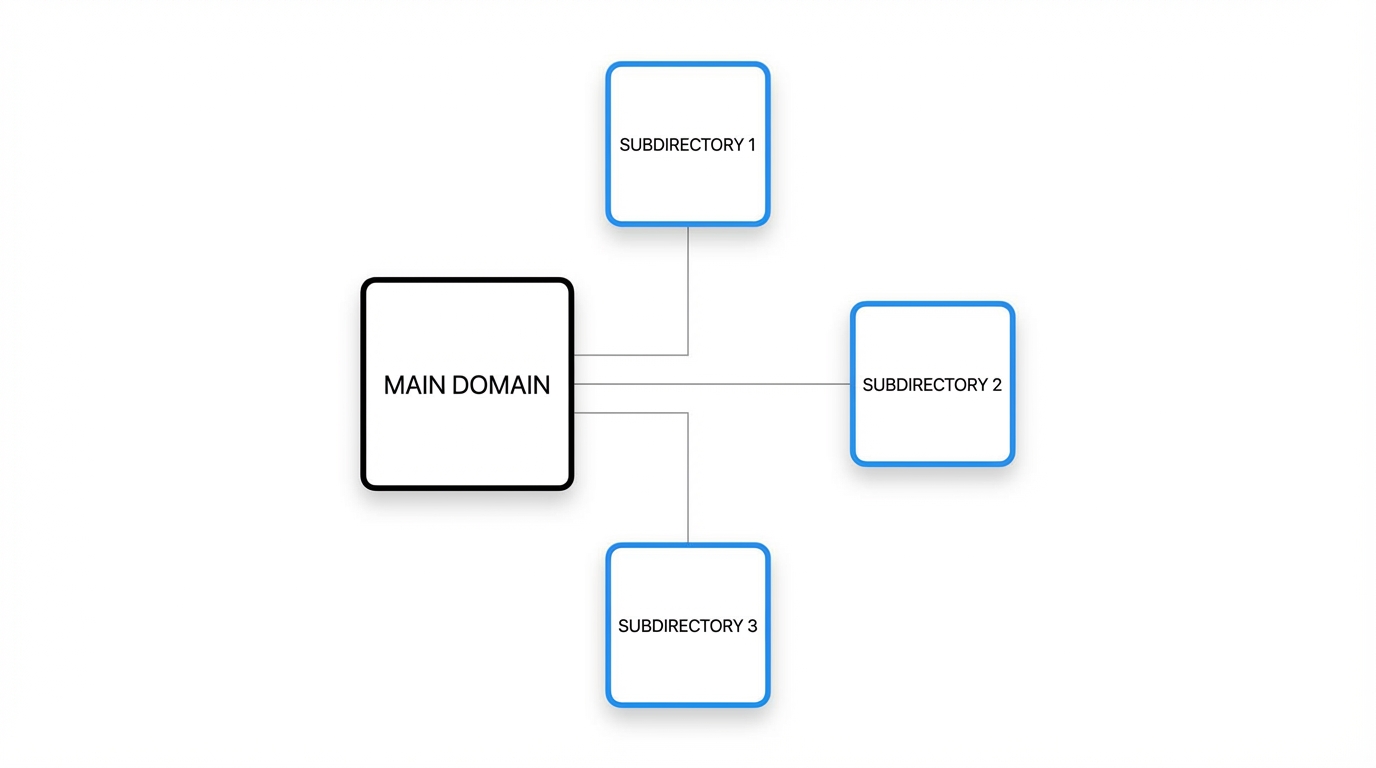
One of the biggest fears founders have is that "SEO content" will trigger a Google penalty and sink their entire product. This is a valid concern, especially in the era of AI-generated spam. The solution is technical SEO insulation. Instead of hosting content on the root domain, savvy companies use a specific subdirectory, such as /guides/ or /blog/.
This allows you to experiment with programmatic SEO for startups while protecting your core business. The key to long-term success, however, is moving away from pure AI-generated text. The modern B2B content marketing playbook requires AI-assisted, human-edited editorial pieces. By hiring a subject matter expert—for instance, an actual interior designer to vet furniture reviews—you create content that provides genuine value, which is exactly what Google's E-E-A-T guidelines reward.
The Retail Rank and Rent Model

Affiliate commissions from Amazon are just the beginning. The real profit lies in what is known as the Retail Rank and Rent model. Once you rank in the top three for a high-intent keyword like "best office chairs," you don't have to settle for a 3% commission. Instead, you reach out to brands like Herman Miller or specific Amazon suppliers and pitch them a flat-fee product placement.
Step 1: Identify Your Ranking Assets
Use tools like Ahrefs to find which of your listicles are already ranking in the top positions for "best [product]" keywords.
Step 2: Outreach to Top Suppliers
Contact the marketing departments of the brands listed in your article. Offer them the number one spot on the list for a flat monthly fee of $1,000 to $2,000. Many brands prefer this predictable cost over fluctuating affiliate payouts.
Step 3: Legal Compliance
Ensure you follow FTC disclosure rules by clearly marking paid placements with an asterisk or a disclosure statement. This transparency builds trust with your audience while allowing you to monetize your AI marketing revenue at much higher margins than traditional ads.
The Directory Strategy: Capturing Local Intent
Another massive opportunity for AI SaaS companies is the directory model. By creating a directory—essentially a "Yelp" for your specific niche—you can capture localized search intent. If you run an AI design tool, you should be ranking for "best interior designers in LA."

This SaaS SEO strategy works because Google currently prioritizes directories and user-generated content in its search results. When high-authority domains create these directories, they often leapfrog smaller local competitors. This traffic can then be funneled into your SaaS product or monetized through lead generation for the professionals listed in the directory.
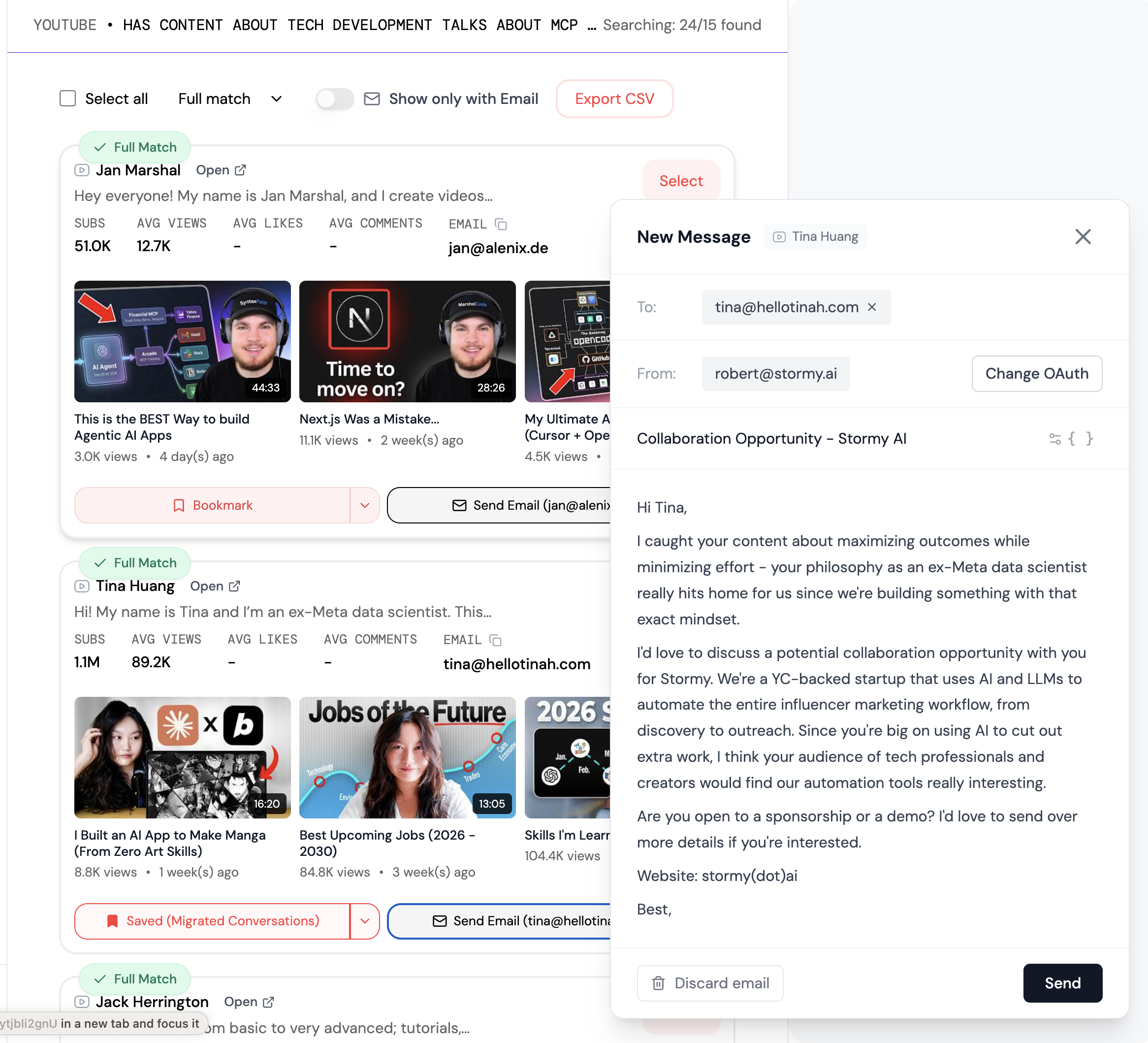
For those managing large-scale outreach for these directories or trying to find influencers to populate their content, tools like Stormy AI can help source and manage UGC creators at scale. By using Stormy's AI-powered search, you can find local creators in specific cities (like "fitness creators in LA") and automate the outreach process to build partnerships that fuel your directory's growth.
Targeting the Golden Ratio: High Volume, Low Difficulty

To maximize AI marketing revenue, you must look for "The Golden Ratio": keywords with massive search volume but nearly zero Keyword Difficulty (KD). Surprisingly, these often exist in niches that venture-backed startups are too afraid to touch due to brand optics.
For example, the NSFW (Not Safe For Work) AI niche, including AI girlfriends and voice generators, features keywords with KD scores as low as 2, yet they command hundreds of thousands of searches per month. While many founders avoid these for "brand reasons," the lack of competition from high-DR sites like Zapier or HubSpot makes them a gift for anyone willing to enter the space. These industries are being completely upended by AI, and the revenue potential for a small, agile team is in the seven-figure MRR range.
Beating VC-Funded Startups on Reddit
VC-funded companies have huge budgets, but they are often slowed down by "Head of Brand" approvals and rigid marketing playbooks. As an indie hacker or a smaller SaaS team, you can use UGC-focused strategies that the big guys won't touch. One of the most effective methods is Reddit manipulation—but not in the way you might think.
The strategy involves finding high-volume keywords where a Reddit thread appears in the top 3 results. Instead of posting links (which gets you banned), you comment from a third-party perspective, mentioning your branded keyword without a URL. You then use upvote services or community support to ensure your comment stays at the top. This captures high buyer intent traffic for free, bypassing the expensive CPCs that VC-backed companies are paying on Google Ads.
Conclusion: From Tool to Media Empire
Unlocking $50k a month in hidden revenue requires a mindset shift. Your AI SaaS isn't just a product; it's a platform with the authority to influence buying decisions across your entire industry. By implementing programmatic SEO for startups, insulating your domain with subdirectories, and exploring high-margin models like Retail Rank and Rent, you can create a secondary revenue stream that dwarfs your subscription income.
Stop leaving money on the table. Start viewing your high-DR domain as a media asset, and use the SaaS SEO strategy outlined here to turn your traffic into a profit machine. Whether you are building an interior design tool or the next generation of AI voice generators, the playbook remains the same: capture the intent, provide human-edited value, and monetize the authority.