San Francisco is witnessing a $50 trillion AI gold rush, according to market research on disruptive innovation, and the epicenter isn't found in corporate boardrooms, but in high-performance environments designed for radical output. The energy in the city has shifted from cautious recovery to a feverish pursuit of what many call the next generational platform shift. Unlike previous tech cycles, the winners of this era aren't just working harder; they are architecting their entire lives around a concept known as the subtraction of focus. This strategy, popularized by elite AI residency programs like HF0, is the secret weapon for founders aiming to build not just billion-dollar unicorns, but trillion-dollar category kings.
The New Silicon Valley: Why San Francisco is the Epicenter
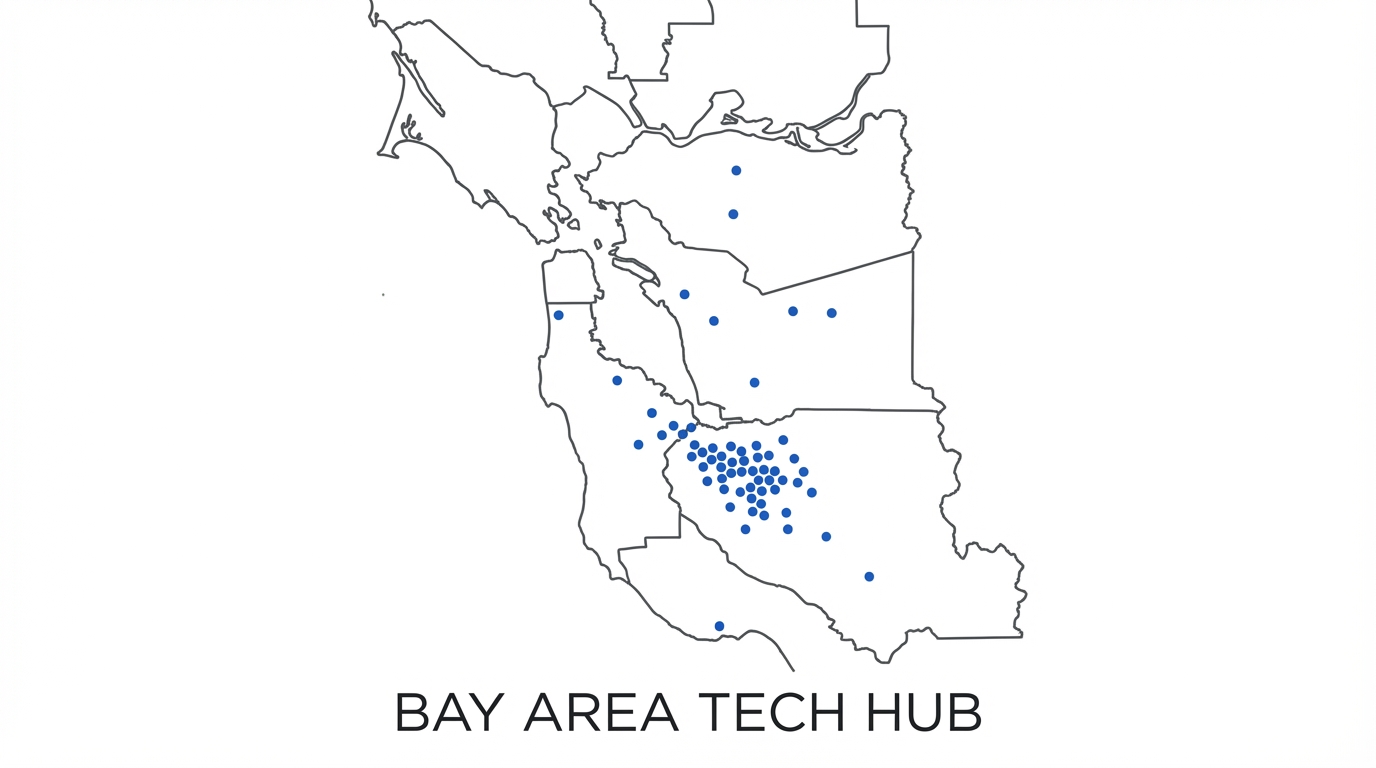
For years, critics claimed the Silicon Valley AI scene was fading, but the current reality on the ground tells a different story. San Francisco is back, fueled entirely by the generative AI explosion. From the industrial warehouses of the Mission District to the VC offices in Hayes Valley, the city is dense with talent and capital. Founders are no longer just building software; they are 3D-printing humanoid robots at places like Founders Inc Garage, a 20,000-square-foot hardware design space where 200-pound robots and military-grade drones are developed side-by-side.
The density of intelligence in SF creates a unique feedback loop. Startups like Cluey are reaching $5 million in ARR within just three months with a team of only five people. This type of breakneck growth is only possible in an environment where you can walk into a local meetup at Dolores Park and meet founders who have already built billion-dollar companies. The geography of innovation dictates that being near the capital—specifically firms like Andreessen Horowitz (a16z), which manages over $42 billion in assets—is a prerequisite for those looking to scale at the speed of AI.
Hacker House vs. AI Residency: The Performance Gap
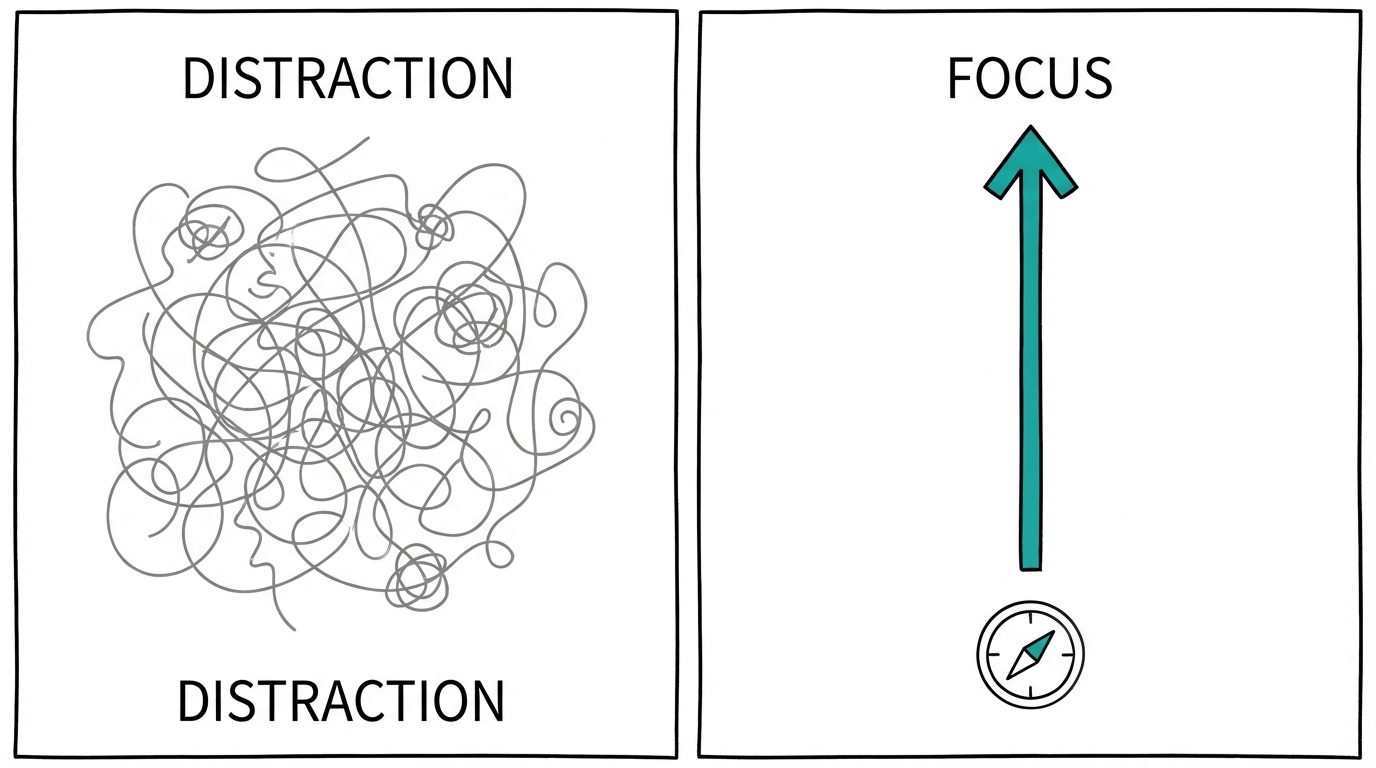

There is a fundamental misunderstanding about where high-level building happens. Most people think of an AI hacker house San Francisco as a group of developers sharing a kitchen and sleeping on bunk beds. However, the top tier of founders has moved beyond the "co-living" model into the "residency" model. While a traditional hacker house often results in friction—like arguing over dishes in the sink—a high-performance residency is designed to eliminate every possible distraction.
Programs like HF0 (Hackers Fellow Zero) operate more like a monastic order for engineers than a typical startup accelerator program. Hosted in the historic Archbishop’s Mansion, the residency accepts only ten teams per batch, three times a year. The caliber is staggering: 40% of the residents have previously founded unicorn companies. They aren't there to network in the traditional sense; they are there to disappear from the world and enter a state of total immersion.
The Vipassana Protocol: Subtraction of Focus
The core philosophy of the modern residency is modeled after Vipassana, a silent meditation retreat. In a residency, the goal is to zero out "executive function fatigue." Founders are not allowed to think about what they will eat, when they will do laundry, or how to manage their schedule. At HF0, a gong sounds at 12:30 PM and 6:00 PM every day. Meals appear on the dot. This Pavlovian routine allows developers to stay in a flow state for days, not just hours.
When you subtract the cognitive load of daily life, you unlock excess brainpower. This is critical when building complex AI infrastructure or longevity diagnostics that measure 460 biological markers to reverse aging. As one founder in the "Don't Die" movement noted, modeling biology is the most complex task on earth; it requires 100% of a founder's mental RAM. By externalizing everything else, founders can allow what they describe as the "holy spirit" of innovation to flow through their work without interruption.
Auditing Your Time: A Playbook for Radical Focus
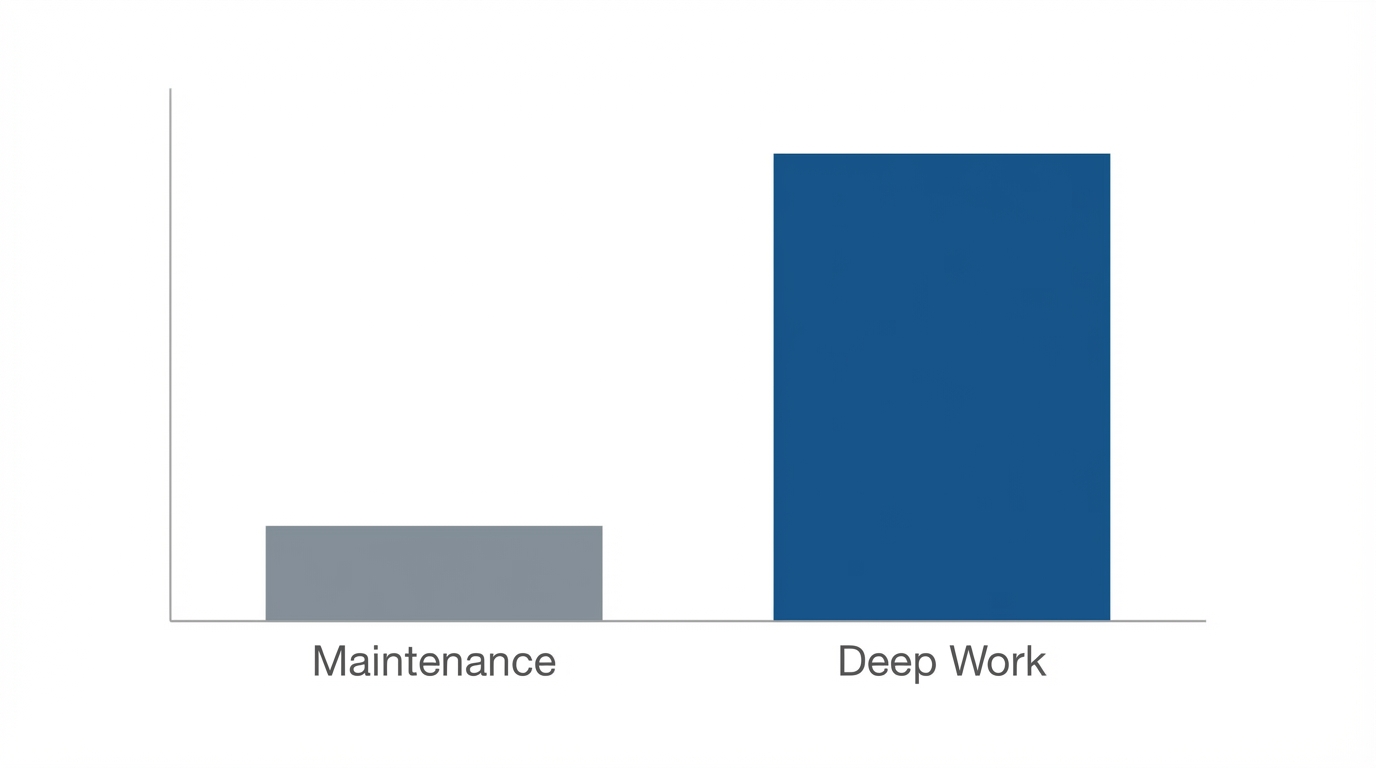
You don't need to be in a mansion to implement the residency mindset. High-performance founders use a specific playbook to subtract distractions and audit their time for maximum leverage. If you want to achieve 10x output, follow these steps:
Step 1: Externalize Executive Function
Identify every recurring task that requires a decision. This includes meal planning, grocery shopping, and scheduling. Use services to automate these or outsource them entirely. The goal is to make your physical life run on a "hard-coded" loop so your brain stays focused on the product.
Step 2: Define the 'Deep Work' Sanctuary
Whether it's a dedicated office or a corner of your room, you need a space where the world cannot reach you. In the Silicon Valley AI scene, this is often a hardware garage or a private hack space. Use tools to silence notifications and protect your peak cognitive hours.
Step 3: Automate Non-Core Growth Tasks
Growth is essential, but it can be a massive distraction from core engineering. Modern founders leverage AI-powered tools to handle the heavy lifting of marketing. For example, platforms like Stormy AI can help source and manage UGC creators at scale, allowing founders to discover creators and automate outreach while staying locked in their development cycle. This ensures the top-of-funnel stays full without the founder needing to manually vet every influencer profile.
Navigating the Golden Triangle: Getting Noticed by VCs
While focus is internal, growth requires external capital and community. The "Golden Triangle" of San Francisco—the intersection of elite talent, massive capital, and high-speed infrastructure—is where the biggest deals are made. To get on the radar of firms like a16z, you must demonstrate more than just a good idea; you need to show velocity.
The "Speedrun" vehicle at Andreessen Horowitz is designed specifically for this, backing founders at the intersection of AI, games, and creativity. They look for builders who can navigate platform shifts—the generational changes in how we do business. To stand out, founders often participate in massive community events like the bolt.new hackathon, which recently aimed for a Guinness World Record. These events aren't just for coding; they are high-signal environments where VCs scout for the most extreme and dedicated builders.
Scaling with AI: The Path to Trillion-Dollar Status
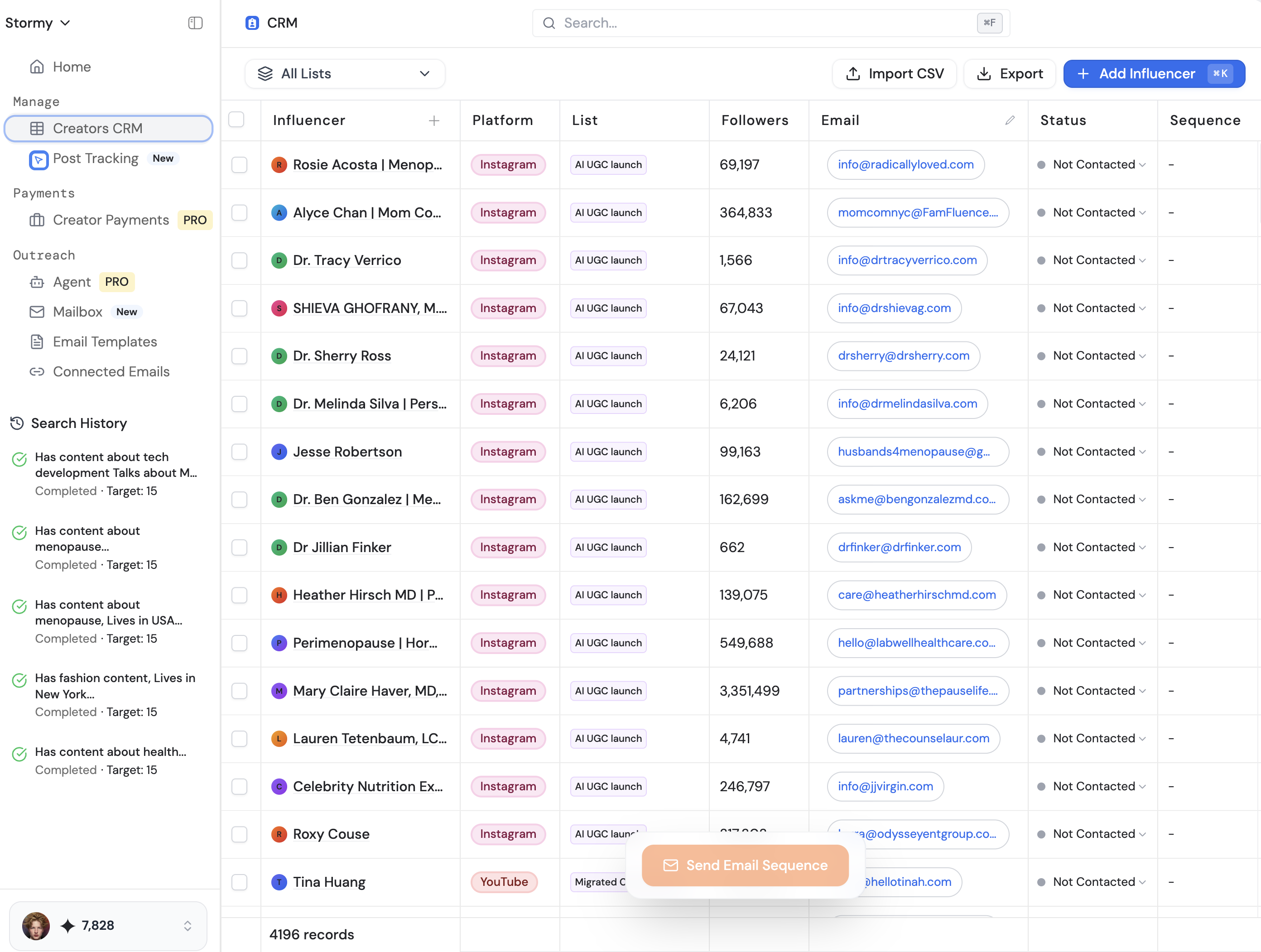
The leap from a five-person startup to a global powerhouse requires infrastructure that scales as fast as your code. As companies like Cluey prove, revenue per employee is sky-rocketing in the AI era. This is achieved by using AI agents to handle tasks that previously required entire departments. From autonomous coding to automated creator management via a creator CRM, the goal is to keep the core team lean and focused on the "impossible" problems.
By using an AI-powered influencer discovery engine, a small team can manage a global UGC campaign that drives millions of app installs without ever leaving their hack space. This is the ultimate manifestation of the residency mindset: using technology to subtract the noise of manual labor so the founder can remain the "CEO of their vision" rather than a manager of mundane tasks.
Conclusion: The Future Belongs to the Focused
The AI residency model is more than a trend; it is a response to the overwhelming complexity of the modern world. In San Francisco, the founders who are winning are those who have the courage to say no to everything except their craft. Whether you are building humanoid robots to revolutionize the military or developing AI entertainment tools, the lesson is clear: focus is your most valuable currency.
If you are ready to take your idea from a prompt to a reality, start by auditing your environment. Subtract the distractions, find your tribe in the SF AI scene, and leverage the right tools to automate your growth. The next trillion-dollar company is being built right now by someone who hasn't looked at their phone in three days. Will it be you?