For years, building a high-converting marketing funnel was a grueling process that required a small army of specialists. You needed a designer for the pages, a copywriter for the headlines, a developer for the interactive elements, and a media buyer to figure out the traffic. Today, that entire cycle has been compressed into a single afternoon. Using what industry experts call "vibe marketing," you can now deploy a complete, professional-grade marketing system—from research to video ads—in a single sitting. This isn't about generating generic "AI slop"; it is about using specialized Anthropic models and model context protocols (MCPs) to build assets that actually generate revenue for "boring businesses" like plumbing, HVAC, and professional services.
The Foundation of Vibe Marketing and AI Research

Most marketers fail with AI because they skip the most important step: deep research. They jump straight into prompting for a landing page without understanding the market gaps. A true AI funnel builder approach starts with data. By utilizing tools like the Perplexity MCP within a terminal environment like Claude Code, you can crawl the web to identify exactly what your competitors are doing and where they are failing. This allows you to avoid the "AI slop" trap where every output looks and feels the same.
The goal is to move beyond simple chat interfaces and into a specialized development environment where your marketing work and product work exist in the same place. By stacking research tools with Firecrawl—a tool that can scrape entire directories of competitor data—you build a context window that understands your target audience better than any human agency could in a week of discovery calls. This research phase identifies the unique mechanism that will make your business stand out in a saturated market.
Step 1: Using Positioning Angles to Find Market Gaps
In the "boring business" niche—think companies doing $2M to $10M in revenue in trades or local services—the biggest opportunity is positioning. Most agencies target high-growth tech startups. By focusing on the "unsexy gold mine" of local trades, you can use specialized AI skills to find angles that resonate on a deep emotional level. For example, instead of promising "more leads," a B2B lead generation automation strategy might focus on "controlling when the phone rings" or moving from "chasing work to selecting work."
You can train an AI agent on positioning frameworks to analyze competitive intelligence. The AI might suggest an "Anti-Agency" angle, highlighting that traditional agencies take months to deliver results while an AI-powered system delivers in days. This level of conversion rate optimization AI thinking ensures that your funnel isn't just a digital brochure, but a psychological trigger for your specific ICP (Ideal Customer Profile).
Step 2: Conversion-Optimized AI Landing Page Design
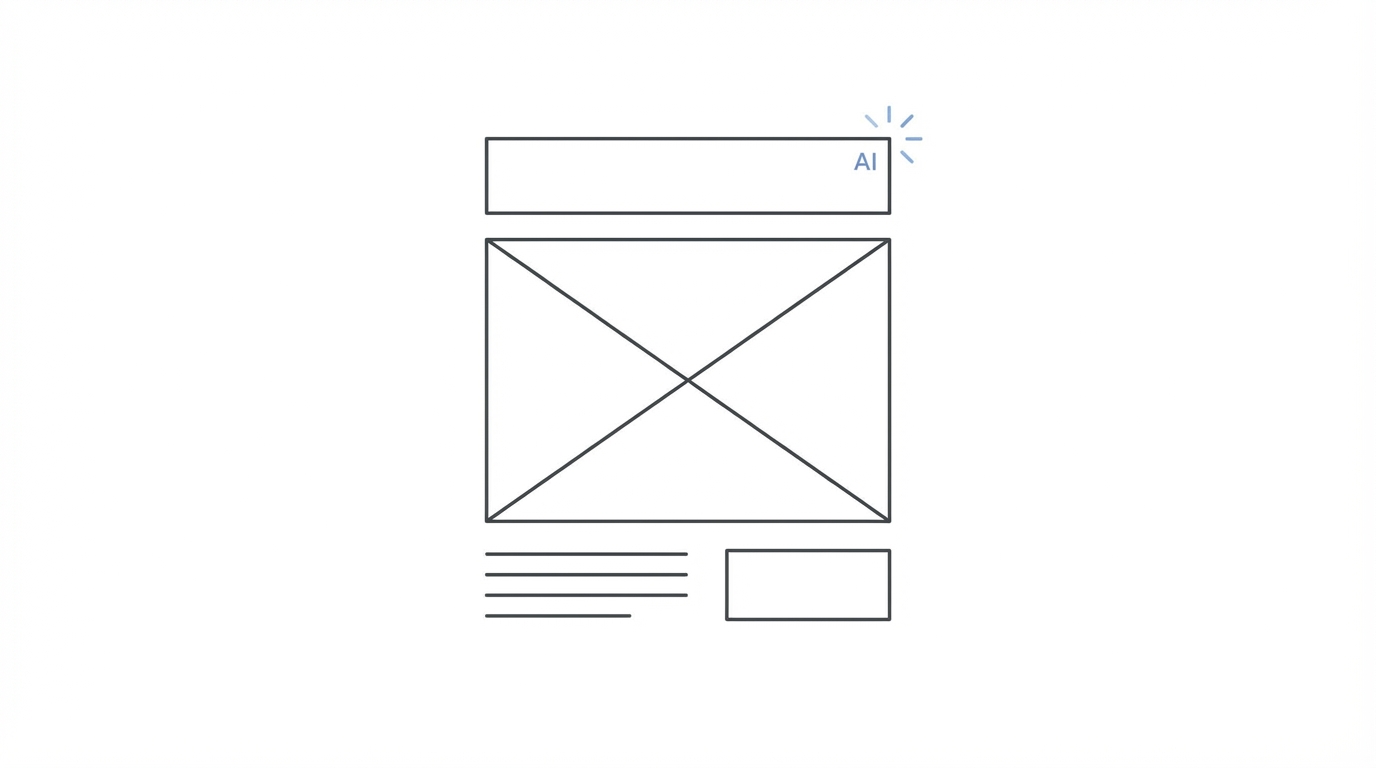
Once you have your angle, the next step is execution. Using Claude Code and the "front-end design skill," you can generate landing pages that bypass the typical AI aesthetics—no purple gradients, no rounded emojis, and no generic layouts. The key is to use browser automation tools like the Playwright MCP to capture screenshots of top-performing competitors and then instruct the AI to build something that stands in direct opposition to their corporate look.
The Anatomy of a High-Converting Page
- The Transformation: A headline that focuses on the "After" state (e.g., "From 15% margins to 30% with zero debt").
- The Unique Mechanism: Explaining why AI-powered response times win 35% more jobs.
- Social Proof Logic: Even without existing testimonials, the page should highlight industry-specific pain points that prove you understand the reader's world.
By leveraging these tools, you can create hundreds of landing page variations for different micro-niches in the time it used to take to build one. This allows for hyper-targeted marketing where a plumber in Phoenix sees a different page than an electrician in Miami, significantly increasing your conversion floor.
Step 3: Building Tool-Based Automated Lead Magnets
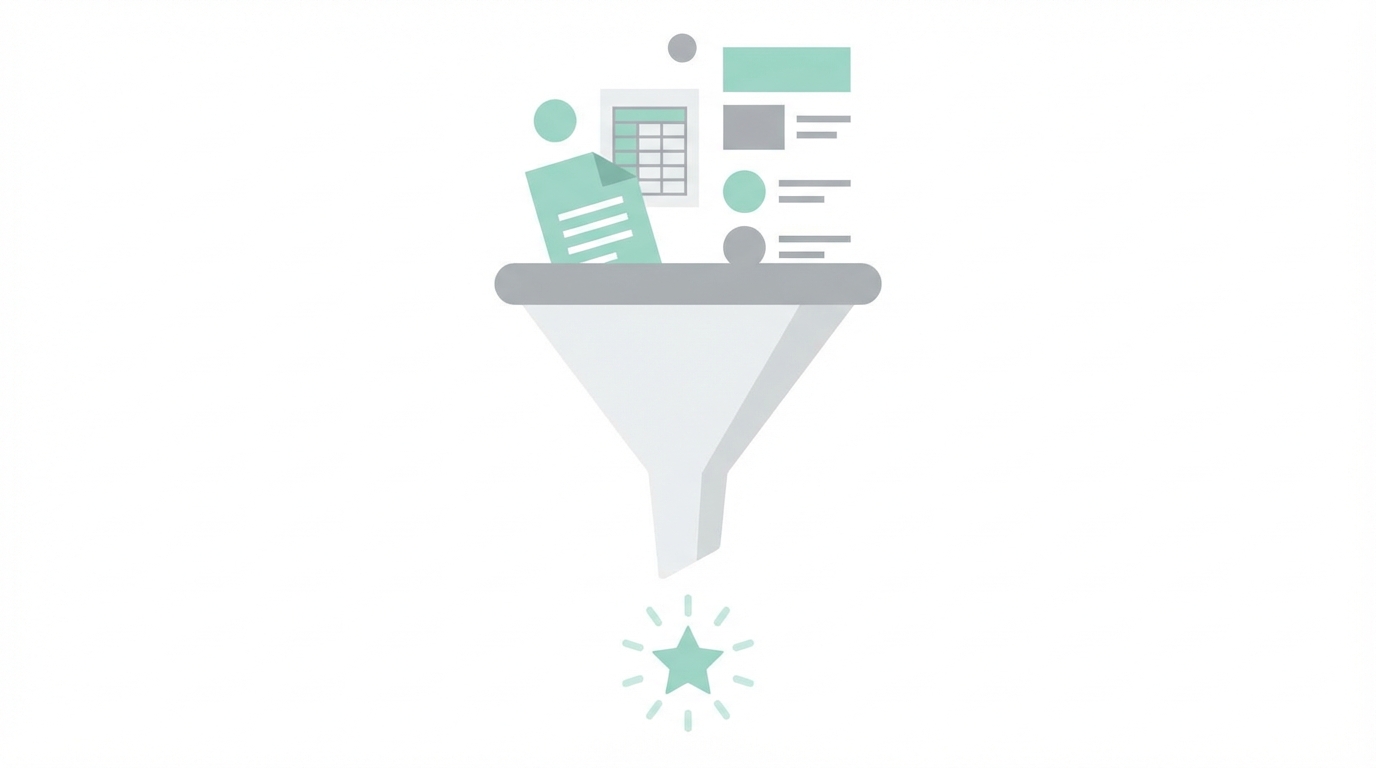
The days of the 20-page PDF ebook are over. Modern automated lead magnets need to provide immediate, interactive value. Instead of a guide, build a tool. A "5-Minute Marketing Audit" or a "Lead Response Revenue Calculator" has a much higher perceived value and forces the prospect to engage with your brand.
Using AI, you can code these tools directly into your landing page as modals or interactive components without needing expensive third-party software like Typeform or Tally. For a boring business, a calculator that shows exactly how many thousands of dollars they are losing by not responding to leads within 10 minutes is a powerful hook. It creates commitment and consistency in the prospect's mind, making them far more likely to book a follow-up call once they see their "leaking revenue" score.
Step 4: Traffic Generation and Ad Strategy Automation

A funnel is useless without eyeballs. To drive traffic, you can utilize a two-pronged approach: Programmatic SEO and AI-generated video ads. By using a keyword research skill within your AI environment, you can identify underserved local markets and generate high-quality SEO pages that target terms like "HVAC marketing for Phoenix owners."
For paid traffic, tools like Re-motion allow you to programmatically create video ads. You can take a successful DTC (Direct-to-Consumer) ad framework—which usually involves high-energy hooks and clear value propositions—and repurpose it for the boring business niche. You can generate dozens of video variations with different hooks and background colors to see which one resonates best with your audience on platforms like Meta or TikTok.
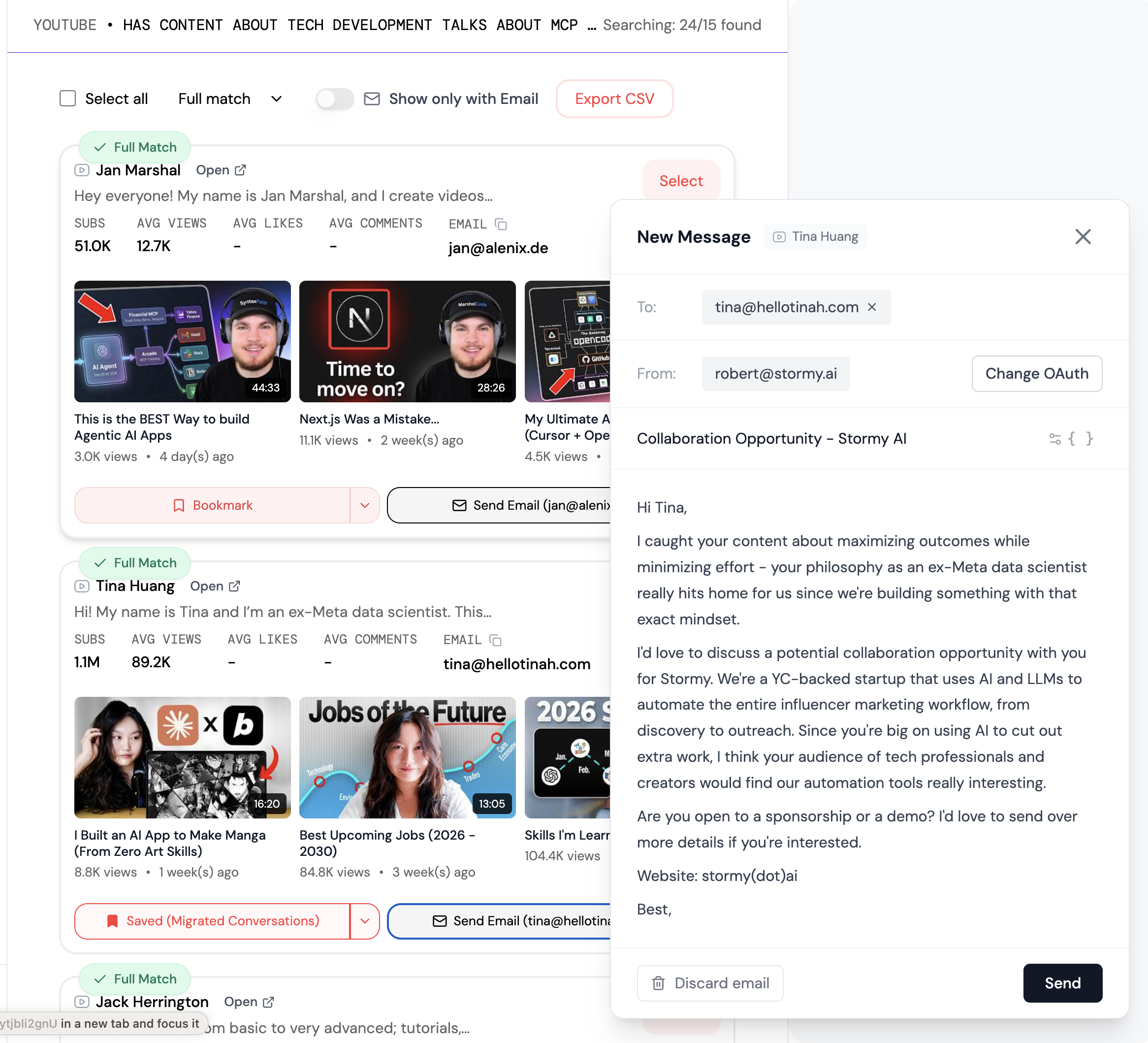
When scaling these creative efforts, managing the human element is key. Platforms like Stormy AI are essential here; they allow you to discover creators on Stormy who can provide the authentic UGC (User-Generated Content) needed to make your AI-generated ads feel human and trustworthy. Combining AI-driven programmatic creative with real creator talent is the gold standard for modern B2B lead generation automation.
Step 5: Writing the Email Nurture Sequence
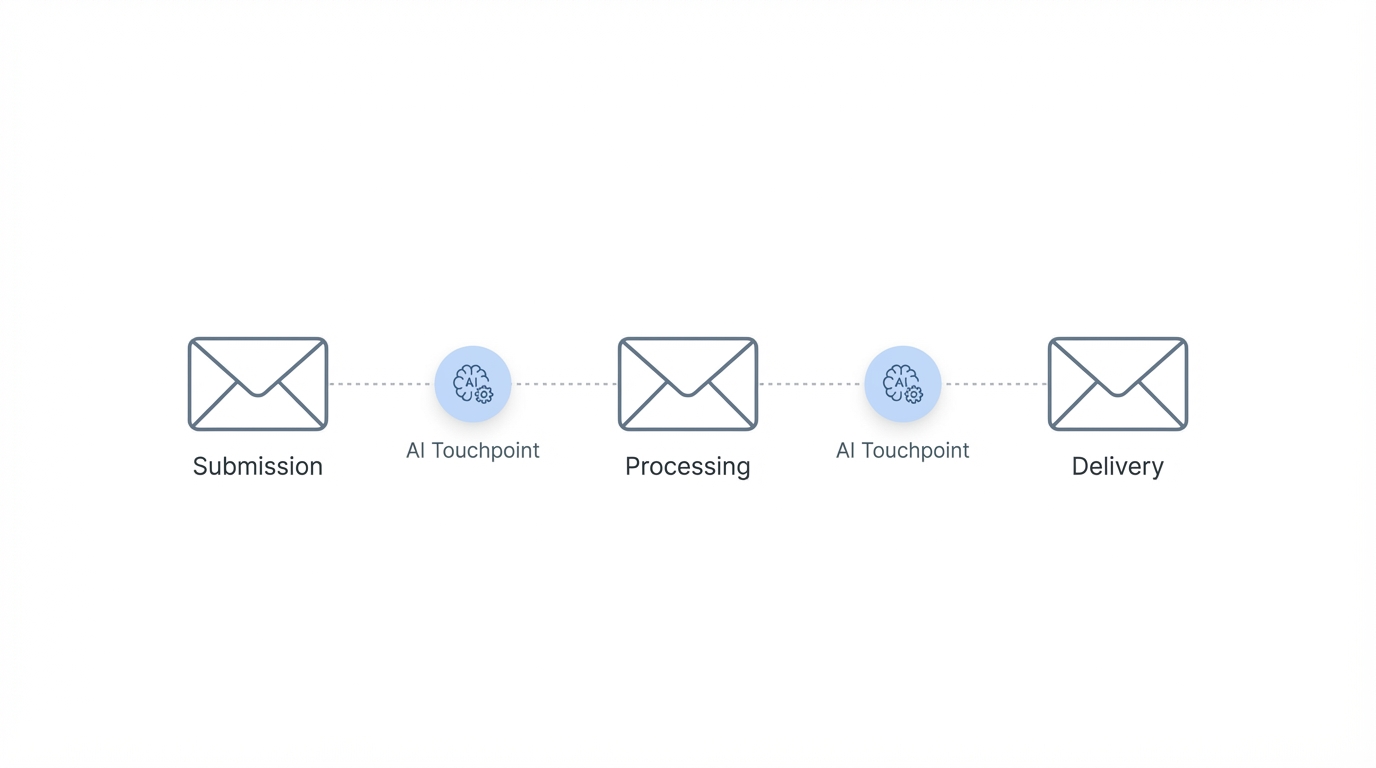
The final piece of the puzzle is the follow-up. Most leads die in the inbox because of poor follow-up. To solve this, you can train an AI agent on the works of classic direct response copywriters like Eugene Schwartz or Claude Hopkins. By giving the AI these specific "instruction manuals" (or skills), it can generate a 7-day email sequence that doesn't sound like a corporate robot.
These emails should focus on the Founder Story and the Problem/Solution framework. They should reinforce the findings from the interactive audit the lead just took, providing even more value and moving them closer to a sale. Once your sequence is drafted, you can deploy it through your CRM. If you are managing multiple outreach campaigns at once, Stormy AI can help manage these creator relationships and outreach efforts, ensuring that every lead is tracked and nurtured through the funnel efficiently.
Conclusion: From Zero to Shipped in One Sitting
The barrier to entry for building sophisticated marketing systems has effectively dissolved. By combining AI landing page design, automated audits, and programmatic video ads, you can launch a system that would have cost $20,000 and taken two months just a few years ago. The key is to maintain your "taste" and "perspective" throughout the process. AI provides the speed and the execution, but your research into the market gaps provides the soul.
Start by identifying a boring niche, use Perplexity to find the white space, and then use Claude Code to build the assets. Whether you are an agency owner or a solo founder, the ability to build and test funnels at this speed makes you a "testing machine," giving you a massive competitive advantage in any market you choose to enter. Once your infrastructure is built, host it on a modern platform like Vercel and start driving traffic today.