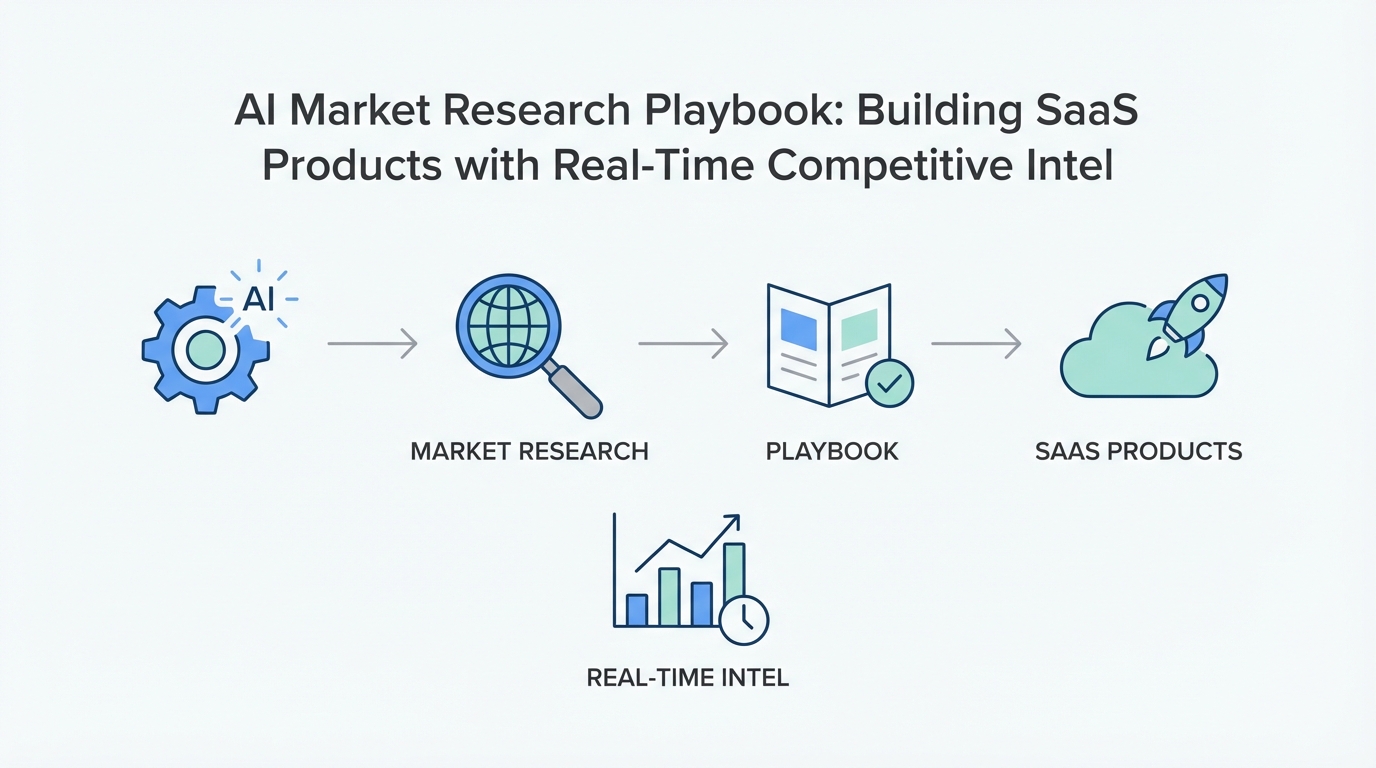
In the high-velocity world of software development, the traditional market research phase is often the first casualty of speed. Founders and developers frequently rely on static data or intuition, only to find that their "innovation" was superseded by an open-source project two weeks ago. However, a new breed of AI market research tools is changing the landscape, allowing founders to plug directly into the global zeitgeist of GitHub, Reddit, and X to validate products in real-time. This playbook outlines a technical strategy for using Claude Code and specific trend-based skills to transform social signals into robust product requirement documents (PRDs) and scalable SaaS architectures.
The Recency Problem in AI Product Management

The core challenge for any AI product management professional is the knowledge cutoff. Standard LLMs are trained on historical datasets, making them experts in the past but blind to the present. When a tool like Moltbot (formerly Cloudbot) goes viral on GitHub, the window to build a commercial wrapper or an enterprise-grade competitor is measured in days, not months. To stay ahead, you need competitive intelligence AI that bypasses training limits.
As discussed by Matt Van Horn on the Greg Isenberg podcast, the secret weapon for modern developers is a skill called /last30days. This tool functions as a real-time bridge between Claude Code and the live web. By pulling data from the last month of conversations on X and Reddit, founders can see exactly what users are complaining about, what features they are begging for, and which open-source tools are gaining GitHub stars but lacking enterprise security.
The 'Matrix Hack': Synthesizing Real-Time Intelligence
Imagine being able to "download" the expertise of thousands of developers who have spent the last week debugging a specific framework. This is what insiders call the 'Matrix Hack.' Instead of manually scrolling through threads, you can prompt Claude Code to synthesize the collective intelligence of technical communities. This is particularly effective for SaaS product validation because it highlights the friction points of existing solutions.
To execute the Matrix Hack, you don't start with a broad business idea. You start with a specific trend. For instance, prompting /last30days to "research most popular rap songs" or "highest performing cold email frameworks" reveals not just the popular items, but the underlying logic (like the 3Ps framework: Praise, Picture, Push) that is currently working. For a SaaS founder, this means you can identify enterprise gaps in tools like Moltbot by seeing what IT managers on Reddit are saying about security, multi-tenancy, and audit logging.
Identifying Enterprise Gaps in Open-Source
Open-source projects are often high on innovation but low on "boring" enterprise features. This is the ultimate competitive intelligence AI strategy: find a viral tool and identify why a Fortune 500 company can't use it yet. In the case of Moltbot, real-time research reveals that while it's a brilliant coding agent, it lacks Role-Based Access Control (RBAC) and tenant isolation. These are the "enterprise gaps" that represent massive revenue opportunities.
By analyzing user sentiment, you can build a 40-week product roadmap that prioritizes these missing links. For example, if a tool like ServiceNow recently acquired a similar voice-AI startup (like Moveworks), it serves as a massive validation signal for the market. SaaS product validation becomes less about guessing and more about observing where the money is already flowing. Claude Code for developers allows you to turn these observations into a technical architecture almost instantly.
Step-by-Step: The SaaS Validation Workflow
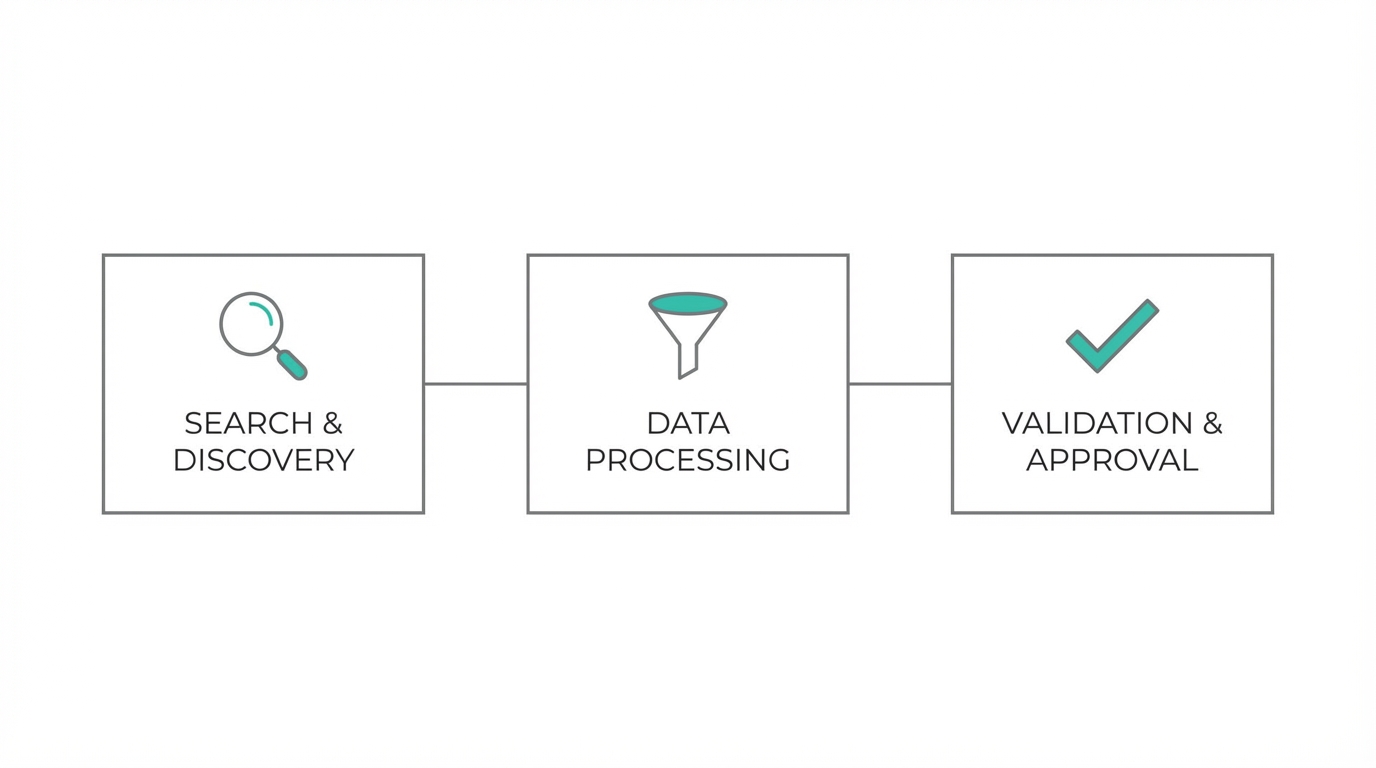

Building a product with real-time intel requires a disciplined workflow. Here is the playbook for moving from a social trend to a software architecture:
Step 1: Trend Discovery
Use the /last30days skill in the terminal to scan for high-growth topics. Focus on platforms where developers and early adopters hang out. Look for projects with a high "Hype-to-Utility" ratio. If people are excited but complaining about implementation, you've found a gap.
Step 2: Competitive Vetting
Run a competitive analysis on the top players. Ask the AI: "What are the top 3 use cases for [Tool Name] and why are users looking for alternatives?" This identifies the unconventional startup ideas that existing incumbents are too slow to address.
Step 3: Architectural Planning
Load your research into a tool like Compound Engineering. This is where you move from "vibe coding" to actual software architecture. The AI can propose a stack—for example, using PostgreSQL for multi-tenant isolation or TypeScript and Node.js for the backend.
Step 4: Proof of Concept (POC)
Don't build the whole 40-week roadmap at once. Tell the AI to build Phase 1 only. This might be a simple Slack webhook or a Discord gateway that demonstrates the core value proposition (like tenant isolation) without the fluff.
Designing for the Future: Real-Time UX Trends
Market research isn't just about functionality; it's about vibe. Using real-time data to inform your UI/UX can make a new SaaS product feel established and "premium." For example, researching the Shopify Winter Edition or the latest YC landing pages can reveal that the current design trend is moving away from rigid grids toward organic, asymmetrical layouts with warm, human-centric color palettes.
You can even prompt the AI to generate Figma design concepts based on these trends. A prompt like "design a landing page that feels warm and human, using glassmorphism and nature-distilled tones" can give you a visual head start that aligns with what users are currently responding to on platforms like X. This level of AI market research ensures that your product doesn't just work well, but it looks like it belongs in 2026.
Scaling Market Reach with Stormy AI
Once you have validated your SaaS idea and built the MVP, the next challenge is growth. In the AI era, User-Generated Content (UGC) and influencer marketing are the fastest ways to build trust. This is where tools like Stormy AI can help source and manage UGC creators at scale.
Instead of manual outreach, founders can use Stormy's AI-powered discovery to find creators who are already talking about the open-source tools you've improved upon. For instance, if you've built an enterprise version of a viral GitHub project, you can discover creators on Stormy who specialize in B2B SaaS or developer tools. This allows you to leverage the same real-time data that built your product to now sell it, creating a full-loop AI product management ecosystem.
Validation is a Continuous Loop
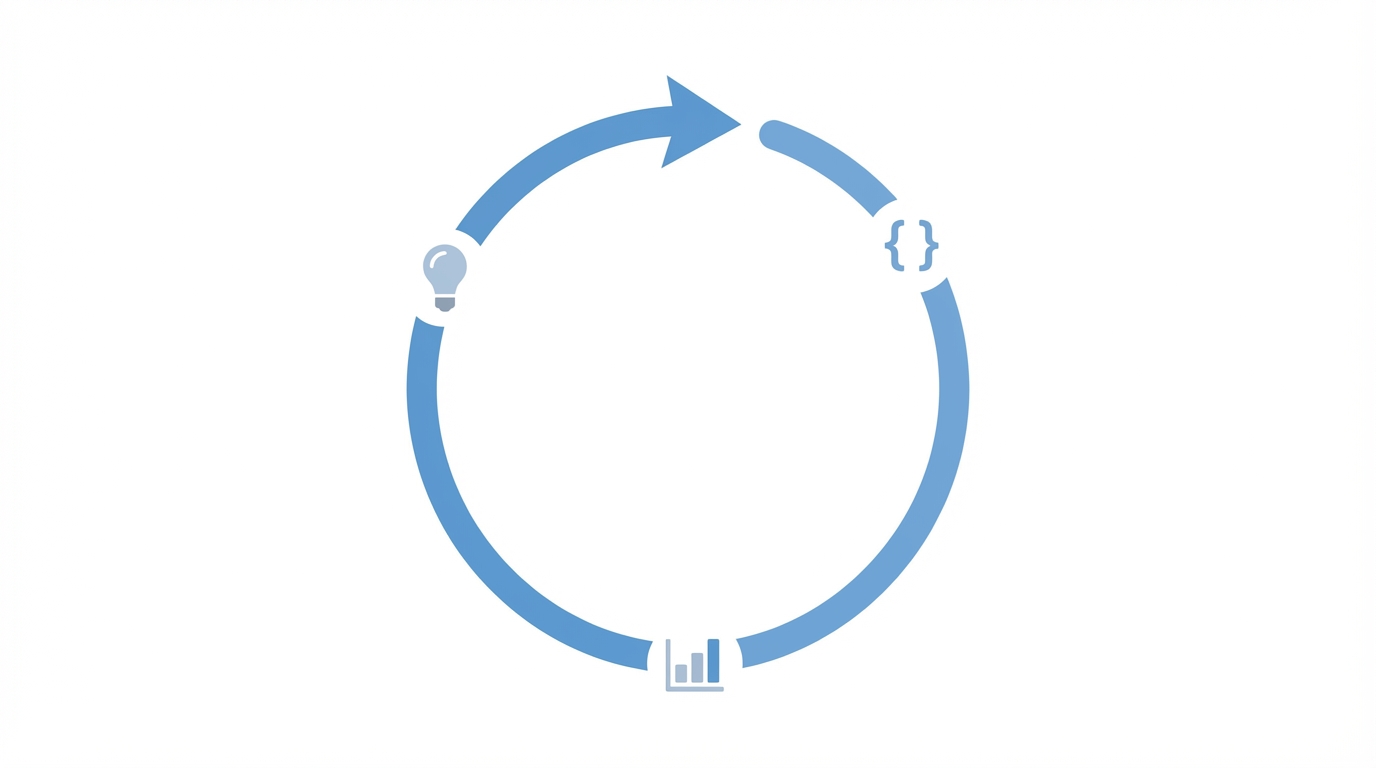
The biggest mistake founders make is treating market research as a one-time event at the start of the journey. In a landscape where new frameworks are released weekly, competitive intelligence AI must be a daily habit. Whether it's using a shell account on Telegram to run quick checks or keeping a ChatGPT window open for side-by-side troubleshooting, the most successful founders are those who stay "plugged in."
By using Claude Code for developers and the /last30days skill, you aren't just building software; you're building a response mechanism to the global market. You are no longer guessing what people want; you are listening to their real-time demands and shipping the solution before the hype cycle ends. Start small, validate often, and use the tools available to give yourself the unfair advantage of real-time expertise.