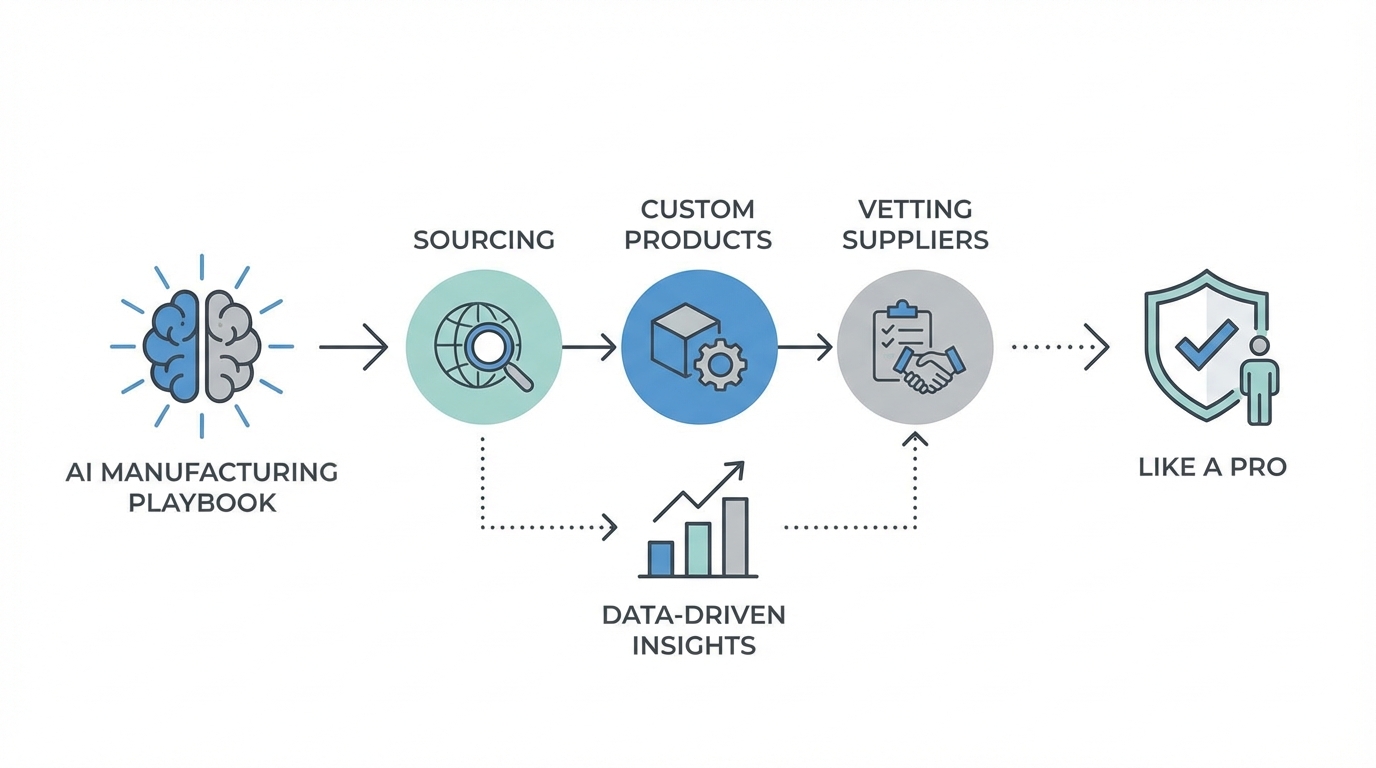
For years, the distance between having a million-dollar idea and holding a physical product in your hand was a chasm filled with technical jargon, opaque supplier marketplaces, and the constant fear of getting 'rinsed' by international manufacturers. But we have officially entered what Sam Altman, co-founder of OpenAI, calls the era of the 'idea guy.' Thanks to the emergence of specialized agents, the technical barriers to ecommerce supply chain management are crumbling. You no longer need a degree in industrial design or a decade of experience in Shenzhen to build a premium brand; you just need to know how to leverage AI for manufacturing.
Identifying Market Gaps with AI Agents
Before you even think about how to find Alibaba suppliers, you must validate that your product idea isn't just a passion project, but a response to a data-backed market need. Traditional market research used to take weeks of scrolling through Amazon reviews and Reddit threads. Now, tools like Accio by Alibaba allow you to run agentic searches that synthesize millions of data points in seconds.
Take the senior dog niche, for example. A standard search might tell you that orthopedic beds are popular. However, an AI agent can dig deeper to identify specific pain points: users are complaining about high-profile beds that are difficult for arthritic dogs to climb onto, or memory foam that retains too much heat. The insight person wins here by spotting the gap for a low-profile, cooling gel-integrated orthopedic bed. By analyzing average ratings—such as the 3.88-star rating often found for washable pee pads—you can identify product categories ripe for disruption. If the rating is low but the search volume is high, you've found your 'unfair advantage' in private label product sourcing.
The Technical Verification Checklist: Speaking 'Manufacturer'
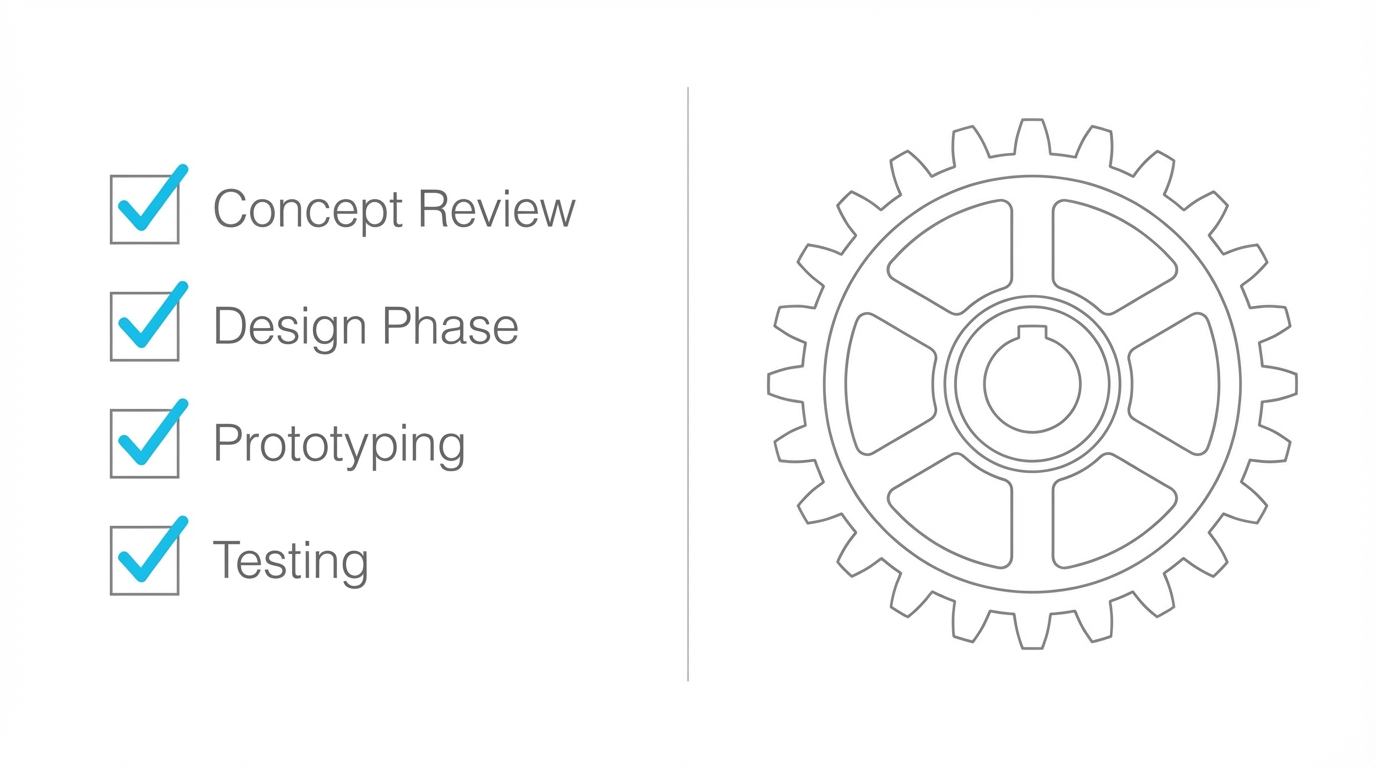
The biggest mistake 'idea guys' make is using generic language when talking to factories. If you ask for a 'soft finish,' you might get cheap matte paint that chips in a month. To be taken seriously, you must use AI for manufacturing to draft precise technical specifications. This is the difference between a prototype and a professional product.
Consider the 'Thocky' keyboard example. If you're building a mechanical keyboard for the 'cozy gaming' aesthetic, you can't just ask for it to 'sound good.' You need to prompt your AI agent to define the exact bill of materials required. For a premium sound profile, your checklist should include:
- Acoustic Layering: A five-layer internal dampening structure to achieve a 'thocky' rain sound signature.
- Material Finishes: Requesting e-coating (electrophoretic deposition) rather than standard anodization for a smoother, ceramic-like feel.
- Component Precision: Specifying Hall Effect switches or premium stabilizers to eliminate 'rattle' and 'mushy' key presses.
- Color Matching: Verifying if the factory can match PBT keycap colors to the CNC case color for a seamless monochromatic aesthetic using the Pantone Matching System.
Vetting the Shortlist: Evaluating Verified Manufacturers

Once you have your specs, the next step is finding verified Alibaba manufacturers who can actually execute. Browsing Alibaba manually can be overwhelming. Using an AI agent to filter these results allows you to rank suppliers based on reorder rates and OEM service capabilities rather than just who paid for the most prominent ad placement.
When vetting a supplier, look for these three markers of quality:
- Client History: Does the supplier already manufacture for established brands in your niche? For example, finding a factory that already produces for Leobog or Womier gives you immediate confidence in their capability for high-end mechanical keyboards.
- Certification Depth: Ensure they hold official certifications relevant to your market, such as CE marking or RoHS compliance for electronics.
- Reorder Rate: A high reorder rate is the most honest metric on any B2B platform. It tells you that professional buyers are satisfied enough to come back for a second, third, and fourth production run.
Drafting Professional Inquiry Emails with AI
Your first email to a manufacturer sets the tone for the entire relationship. If you look like a small-time dreamer, you'll get the 'B-team' sales rep and higher prices. If you look like a growing brand, you'll get better terms and faster lead times. Use AI to generate high-conversion outreach that sounds like it came from a seasoned procurement officer.
A professional inquiry should always include your Minimum Order Quantity (MOQ) expectations, specific technical requirements, and a request for a Product Roadmap. For instance, if you're launching a brand like 'Cloud Key,' your outreach should state: 'We are developing the Nook 75, a premium 75% mechanical keyboard. We require a partner capable of CNC aluminum housing with e-coating and a 500-unit initial MOQ.' This level of detail ensures you only attract suppliers who can meet your standards.
While sourcing is technical, managing the hype is personal. Tools like Stormy AI can help you manage the next phase of your business—the launch—by streamlining how you connect with the right voices for your brand. During the sourcing phase, your focus must remain on the technicalities of the ecommerce supply chain management. Managing these early conversations in a structured way is vital to prevent miscommunications that lead to expensive manufacturing errors.
Risk Mitigation: From 50 to 5,000 Units
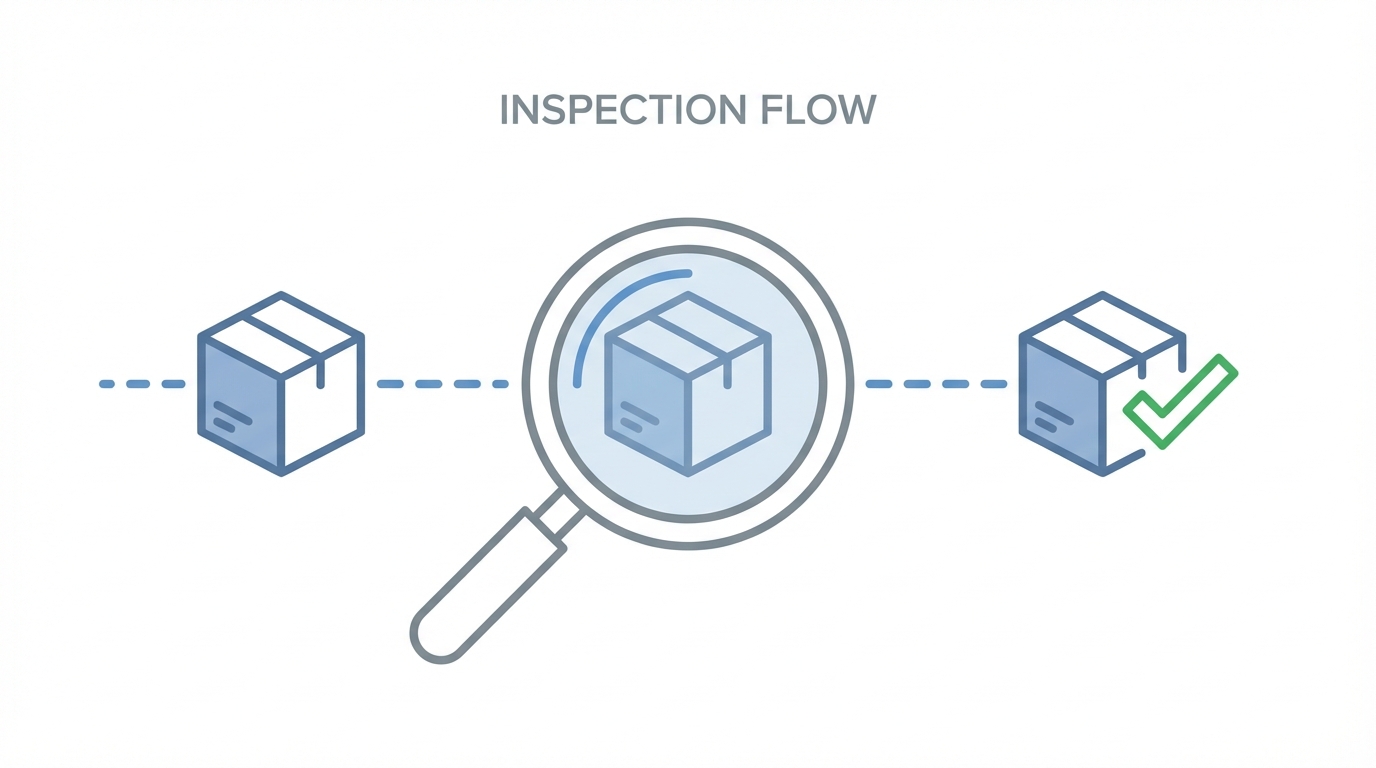
Never move straight to a full production run. The 'Idea Guy' trap is ordering 5,000 units of an unvetted product. Instead, follow a strict sampling and scaling protocol. Start by ordering a single sample with your custom specs. Once that is approved, move to a 'trial run' of 50 to 100 units. This allows you to test the market and the manufacturing consistency before committing your entire budget.
During this phase, use AI to compare the sample you received against your original technical spec sheet. If you asked for a 5-layer dampening system, take the sample apart. Does it have the layers? Is the e-coating uniform? Risk mitigation in private label product sourcing is about being 'trust but verify' in its purest form.
Managing Your Creator Pipeline
Once your samples are in hand, the focus shifts to distribution. This is where a User Generated Content (UGC) strategy becomes essential. To launch successfully, you need to find creators who fit your specific aesthetic—like the 'cozy gaming' niche on TikTok or Instagram. Platforms like Stormy AI allow you to search for these specific influencers and manage the outreach process at scale, ensuring your custom product gets the eyeballs it deserves the moment it lands in the warehouse.
The Future of Ecommerce Sourcing
The manufacturing landscape is shifting from 'who you know' to 'how you prompt.' By using AI agents to find trends on IdeaBrowser and vet manufacturers on Alibaba, the barriers to entry for high-quality physical products have never been lower. You can now act as the CEO, Lead Designer, and Procurement Officer all at once, backed by the power of agentic workflows.
In 2026, the most successful ecommerce brands won't be the ones with the biggest teams, but the ones that use AI for manufacturing to bridge the gap between a digital concept and a physical reality with surgical precision. Start by defining your 'Thocky' specs today, and by next year, you could be scaling from your first 50 units to a multimillion-dollar brand.
Conclusion: Building Your Unfair Advantage
Sourcing a custom product is no longer a dark art. By following this AI Manufacturing Playbook, you can navigate the complexities of international trade with confidence. Remember to validate your niche using data, speak the technical language of your manufacturers, and vet your partners using reorder rates and verified status. With tools like Accio and Stormy AI, the path from idea to verified Alibaba manufacturers is clearer than ever. It's time to stop being just an 'idea guy' and start being a 'product guy.'