The traditional social media production cycle is a grueling marathon of scripting, recording, B-roll sourcing, and tedious thumbnail editing. For years, the barrier to entry for viral success wasn't just creativity—it was the sheer volume of manual labor required to stay relevant in an ever-hungry algorithm. According to Statista research, the creator economy is rapidly professionalizing, and the emergence of ai for influencers has shifted the paradigm from manual execution to high-level orchestration. Today, top-tier creators are no longer doing the heavy lifting; they are using AI agents to scrape their own personas, generate cinematic visuals, and even fix their facial expressions in post-production. This guide breaks down the exact playbook for using automated content creation to build a viral production pipeline that runs while you sleep.
The Death of LLM Ping-Pong: Multi-Agent Scripting
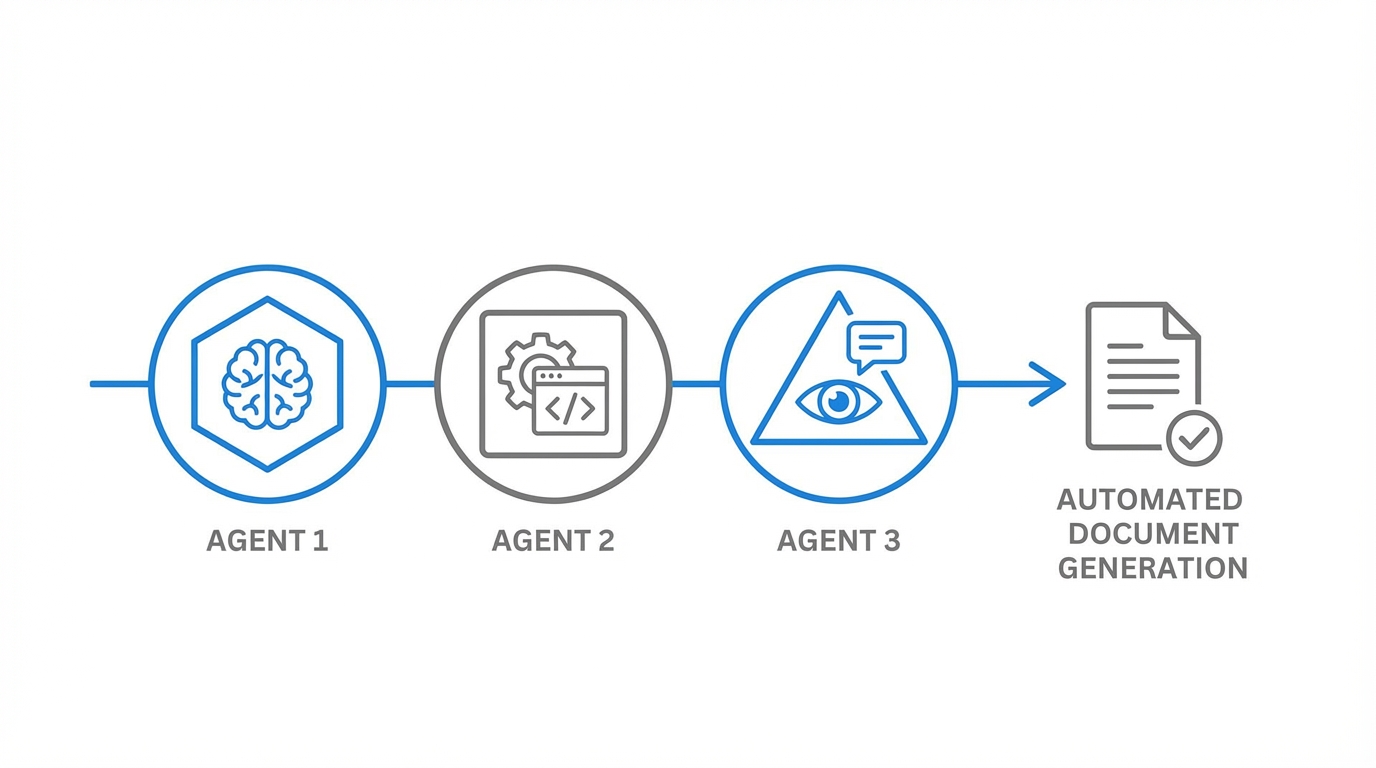
Most influencers use AI the wrong way: they bounce between ChatGPT, Claude, and Gemini, copying and pasting prompts to see which one sticks. This "LLM ping-pong" is a massive time sink. The modern approach involves using a multi-agent workflow where a single prompt triggers multiple large language models (LLMs) simultaneously. Tools like GenSpark AI allow you to ping GPT-4o, Claude 3.5 Sonnet, and Gemini 1.5 Pro in one shot, providing a reflected output that takes the best parts of each response.
To make a youtube script ai truly effective, you must provide context beyond a simple prompt. One of the most underrated hacks is scraping your own personal profiles (like X/Twitter or LinkedIn) to feed the AI agent your unique voice. By connecting your social handles, the AI understands your specific vocabulary, your past winning hooks, and your industry niche. This ensures the output isn't just generic marketing copy, but a 30-second conversational intro that sounds exactly like you. When you combine this with automated content creation, you reduce the time from ideation to first draft from hours to seconds.

Mastering the 30-Second Conversational Hook
Retention is the only metric that truly matters on platforms like YouTube and TikTok. If you can’t hook a viewer in the first 30 seconds, the rest of your high-production video is irrelevant. To create a high-retention hook, your youtube script ai should follow a specific three-part structure: the Call-Out, the Stake, and the Tease.
First, the AI agent identifies the viewer's pain point—for example, "Is this new tool actually worth your time?" Second, it sets the stakes by mentioning your personal experience or professional testing. Finally, it teases the "hacks" or "secrets" that will be revealed by the end of the video. Using ai for influencers to generate five different versions of this hook allows you to A/B test your intros before you even turn on the camera. By analyzing audience retention data to see which script versions emphasize stronger emotional triggers, creators can significantly increase their average view duration.
The Image-to-Video Gold Standard for B-Roll
Sourcing high-quality B-roll used to require expensive subscriptions to stock footage sites. Now, an ai video generator can create bespoke, cinematic clips tailored to your specific script. However, the mistake most creators make is prompting a video generator from scratch. The result is often "hazy" eyes or distorted movement.
The professional workflow is Image-to-Video. You begin by generating a high-quality AI still using models like Flux via Idea Browser concepts. Once you have a visually stunning image that serves as your reference frame, you pass it to a video agent like VEO3 or MiniMax. This ensures consistent quality and lighting. For instance, if your script mentions a "futuristic library," you generate the perfect still of that library first, then use the AI agent to add subtle motion—like a slow-motion camera pan or dust motes dancing in the light. This automated content creation technique produces 5-10 second clips that look like they cost thousands of dollars to film.
Thumbnails That Click: AI Photo Editing for Expressions
Your thumbnail is the "packaging" of your content. If the packaging is bad, nobody buys the product. Ai photo editing for thumbnails has progressed beyond simple filters; we are now in the era of generative correction. One of the biggest challenges for influencers is capturing the perfect "reaction" shot where the lighting is right, the smile looks natural, and the eyes are looking directly into the camera lens.
Using a tool like Photo Genius, you can take a decent photo and use natural language commands to fix specific flaws. You can tell the AI: "Make me smile slightly without showing teeth" or "Adjust my eye direction to look directly at the camera." This is a game-changer for ai for influencers because it eliminates the need for 50 retakes. You can also use these agents to swap backgrounds or add dramatic shadows to match the cinematic vibe of your video. High-performing thumbnails often use saturated colors and high contrast, both of which can be automated through AI preset agents to increase your click-through rate (CTR).
Scaling Beyond Production: AI Agents for Outreach
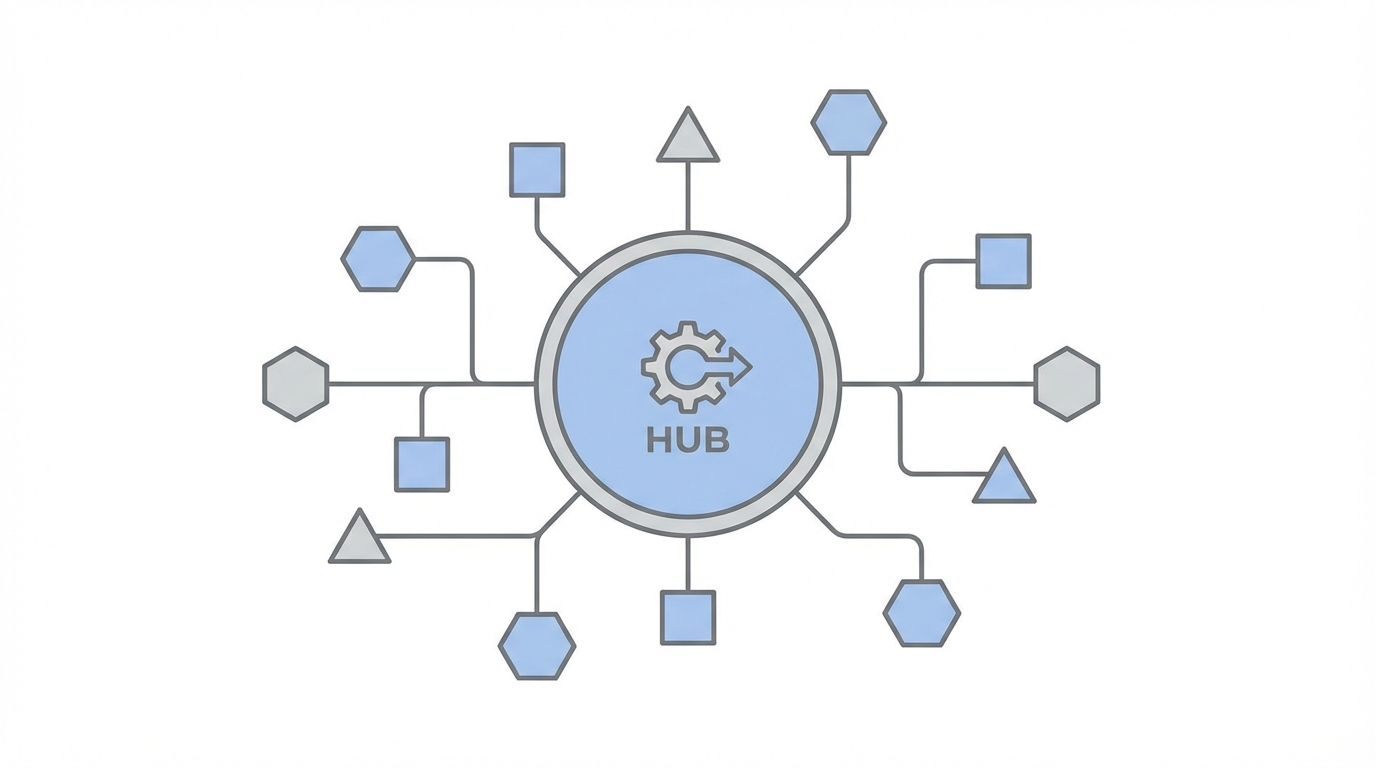
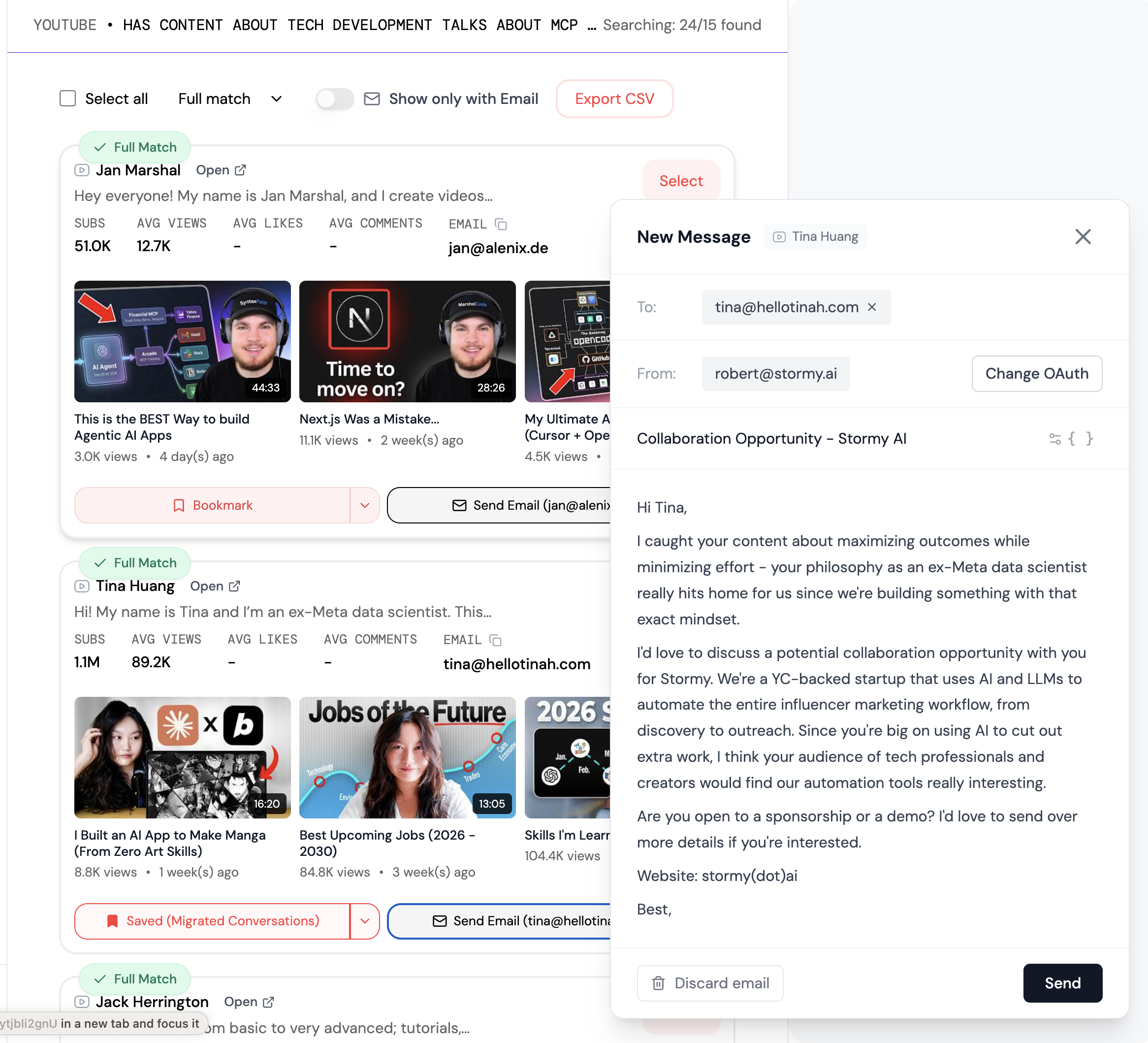
Once your content production is automated, the next bottleneck is growth and monetization. Managing relationships with other creators for collaborations or brands for sponsorships is a full-time job. This is where automated content creation meets automated relationship management. Influencers are now using AI to find peer accounts for shout-outs or guest appearances by querying databases of creators based on specific sub-niches and engagement rates.
Modern platforms like Stormy AI streamline creator sourcing and outreach by helping you find and manage UGC creators at scale. Instead of manually searching through TikTok or Instagram, you can use an AI search engine to find creators in specific cities with precise follower counts. Once identified, AI-personalized outreach can handle the initial contact and follow-ups, ensuring your influencer marketing efforts never stall while you are focused on the creative side. Using a creator CRM to track these negotiations ensures that no deal falls through the cracks, turning your personal brand into a streamlined business.
The AI Production Playbook: Step-by-Step
To implement this in your own workflow, follow these actionable steps to move from manual labor to AI orchestration:
Step 1: Contextual Scripting
Use a multi-agent tool to scrape your X/Twitter profile and generate a 30-second conversational intro. Ensure the youtube script ai focuses on a specific pain point discovered through tools like Try Shortcut for market analysis.
Step 2: Visual Generation
Don't prompt video directly. Generate a high-resolution reference image first. Use an ai video generator like VEO3 to animate that image, ensuring cinematic lighting and realistic motion for your B-roll.
Step 3: Post-Production Polish
Use ai photo editing for thumbnails to correct your eye direction and expressions. A 1% increase in click-through rate (CTR) can lead to thousands of additional views over the life of a video.
Step 4: Automated Distribution
Package your insights into lead magnets using AI slide generators and distribute them via platforms like Kit.com to convert your social media followers into an owned email list.
Conclusion: Embracing the AI-Powered Future
The transition to automated content creation is not about replacing the creator; it is about amplifying the creator's vision. By offloading the mechanical tasks of scripting, B-roll generation, and photo correction to AI agents, you free up your mental bandwidth to focus on what truly matters: strategy, storytelling, and community engagement. Whether you are using an ai video generator to create Hollywood-level visuals or a youtube script ai to nail your hooks, the goal is the same—to provide more value to your audience in less time. Start small by automating one part of your workflow today, and watch as your production quality and consistency reach levels that were previously impossible for a solo creator.