In the high-stakes world of performance marketing, the difference between a record-breaking campaign and a total loss often comes down to a single variable: the integrity of your creators. As the influencer marketing industry prepares to reach a staggering $32.55 billion valuation in 2025, the complexity of the landscape has outpaced traditional manual vetting. Modern marketers are no longer just looking for reach; they are seeking predictive marketing analytics to ensure every dollar spent translates into measurable growth.
This guide provides a technical, step-by-step playbook for leveraging machine learning to eliminate fraud and forecast campaign success. By shifting from gut feelings to data-driven influencer fraud detection, brands can secure the $5.78 average return for every $1 spent that top-tier performance marketers now expect.
The High Cost of Influencer Fraud and the Vanity Metric Trap
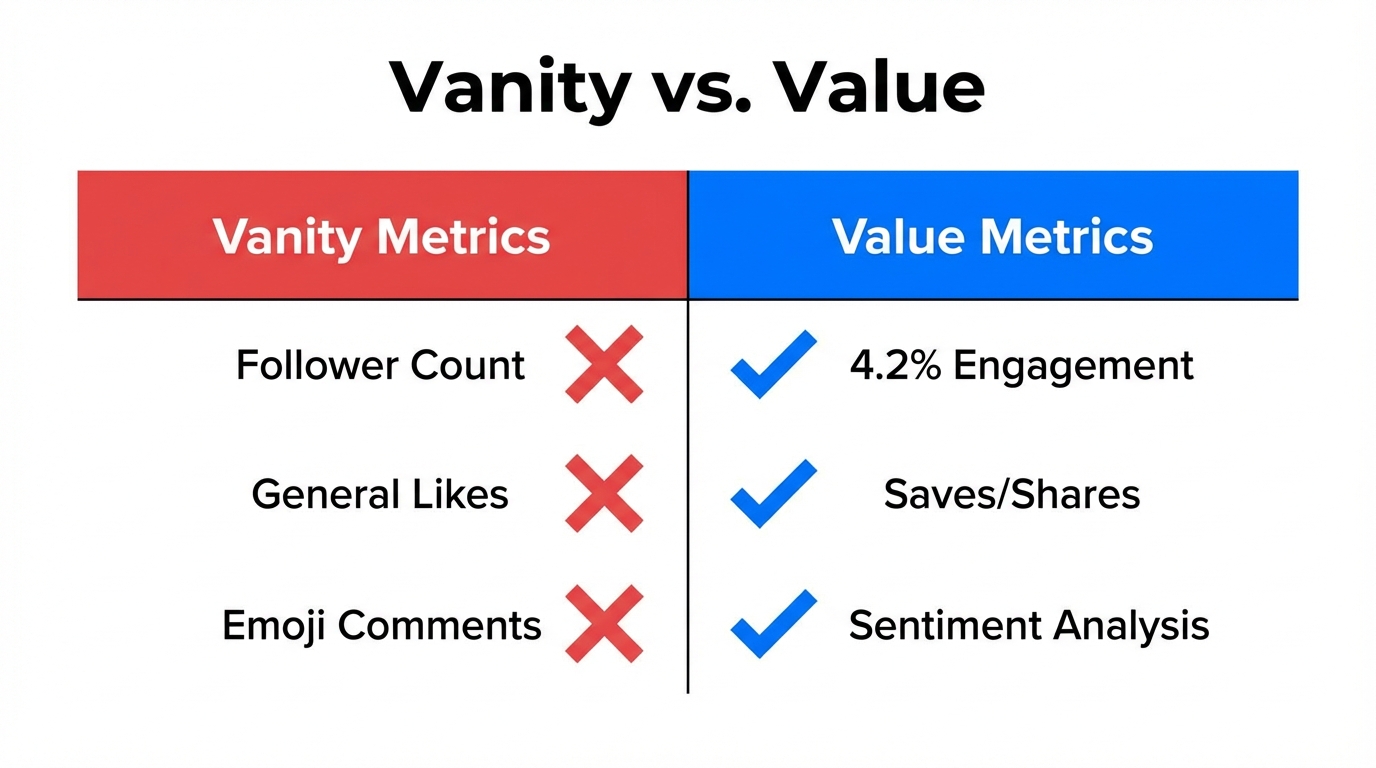
For years, follower counts and surface-level engagement rates were the primary metrics of success. However, in an era where bot farms and engagement pods are highly sophisticated, these are nothing more than vanity metrics. Current data suggests that brands utilizing advanced AI analytics experience 2.3x higher conversion rates because they look beneath the surface to identify meaningful engagement (Indahash).
Relying on legacy tools or manual spreadsheets is a recipe for "bot-based waste." To stay competitive, your influencer vetting process must evolve to detect the subtle patterns that human eyes miss—such as unnatural spikes in follower growth or generic, repetitive comment structures that signal automated activity.
"Moving from manual vetting to AI-driven predictive modeling isn't just an efficiency play; it is a prerequisite for protecting your marketing margin in 2025."
Step 1: The Technical Deep-Dive into Audience Quality Scores
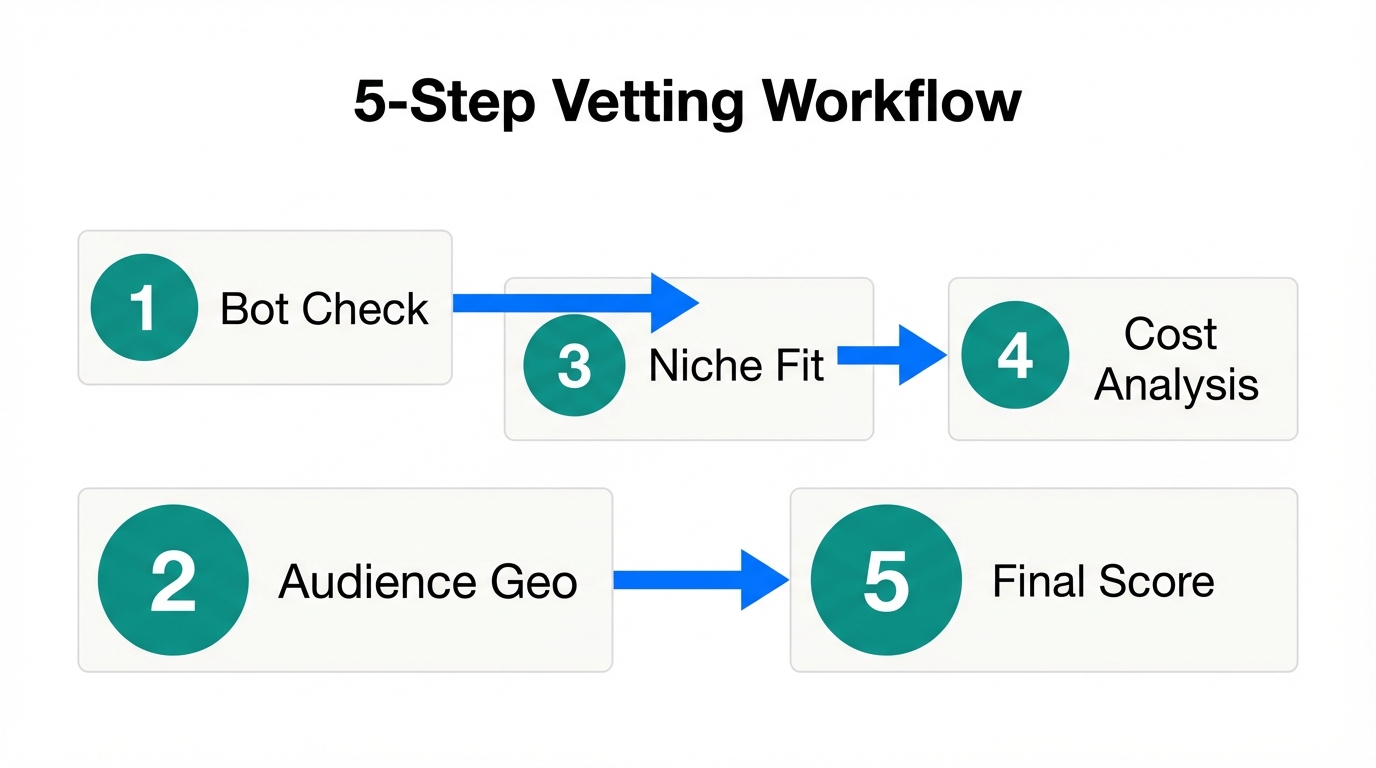
The first stage of any rigorous influencer vetting process is establishing an Audience Quality Score (AQS). This is a composite metric that uses machine learning to weigh real human activity against suspicious patterns. Eliminating bot-based waste is the fastest way to increase your net ROI.
Analyzing Growth Anomalies
Use a social media analytics tool to visualize a creator's follower growth over time. A healthy creator typically shows steady, incremental growth with occasional spikes tied to viral content. Conversely, a vertical line in growth followed by a slow bleed of followers is a classic hallmark of purchased bot packages.
Deciphering Comment Integrity
AI sentiment analysis can now categorize comments into "Low Value" (emojis only, "great pic!", "nice") versus "High Value" (specific questions about the product, personal anecdotes, or brand-related discourse). If more than 30% of a creator's engagement consists of low-value, generic comments, their influencer marketing ROI will likely suffer as those "users" will never convert into customers (Afluencer).
| Metric Category | Manual Vetting Signal | AI-Powered Signal |
|---|---|---|
| Follower Count | Total Number | Real vs. Bot Percentage |
| Engagement | Likes/Followers Ratio | Sentiment & Comment Quality |
| Growth Pattern | Historical Highs | Anomaly & Spike Detection |
| Audience Location | Self-Reported Bio | IP-Validated Demographics |
Step 2: Implementing Predictive ROI Modeling
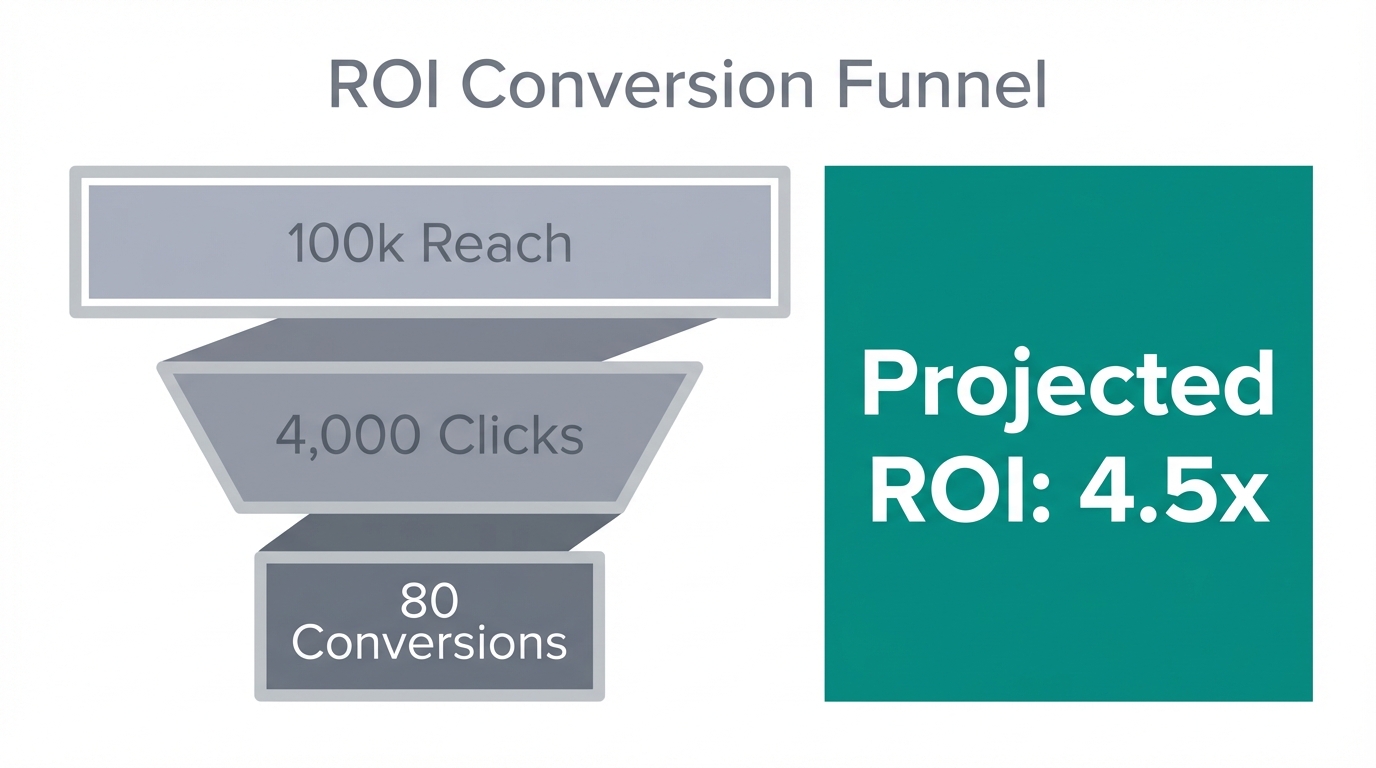
The most advanced performance teams are no longer signing contracts based on hope. They use predictive marketing analytics to forecast impressions, clicks, and conversions before a single creative brief is sent. By analyzing a creator's historical performance across similar product categories, modern platforms can estimate a range of outcomes with surprising accuracy.
Instead of guessing, use data to estimate conversions based on an influencer's historical performance data. For instance, platforms like Stormy AI streamline creator sourcing and outreach by providing quality reports that help vet their true audience value instantly. This enables you to move from broad awareness plays to performance-based discovery, where you only partner with creators whose audience demographics perfectly align with your target customer persona.
"The future of influencer marketing is 'Predictive Fit'—using machine learning to find the exact intersection of creator voice and audience purchase intent."
When you calculate your projected influencer marketing ROI, you should factor in nano and micro-influencers. These creators often boast engagement rates of 6.15% to 6.76%, significantly higher than celebrity-level accounts. AI-powered creator CRM systems make it possible to manage hundreds of these smaller partnerships with the same ease as a single large contract (Archive).
Step 3: Social Listening on Reddit and Discord
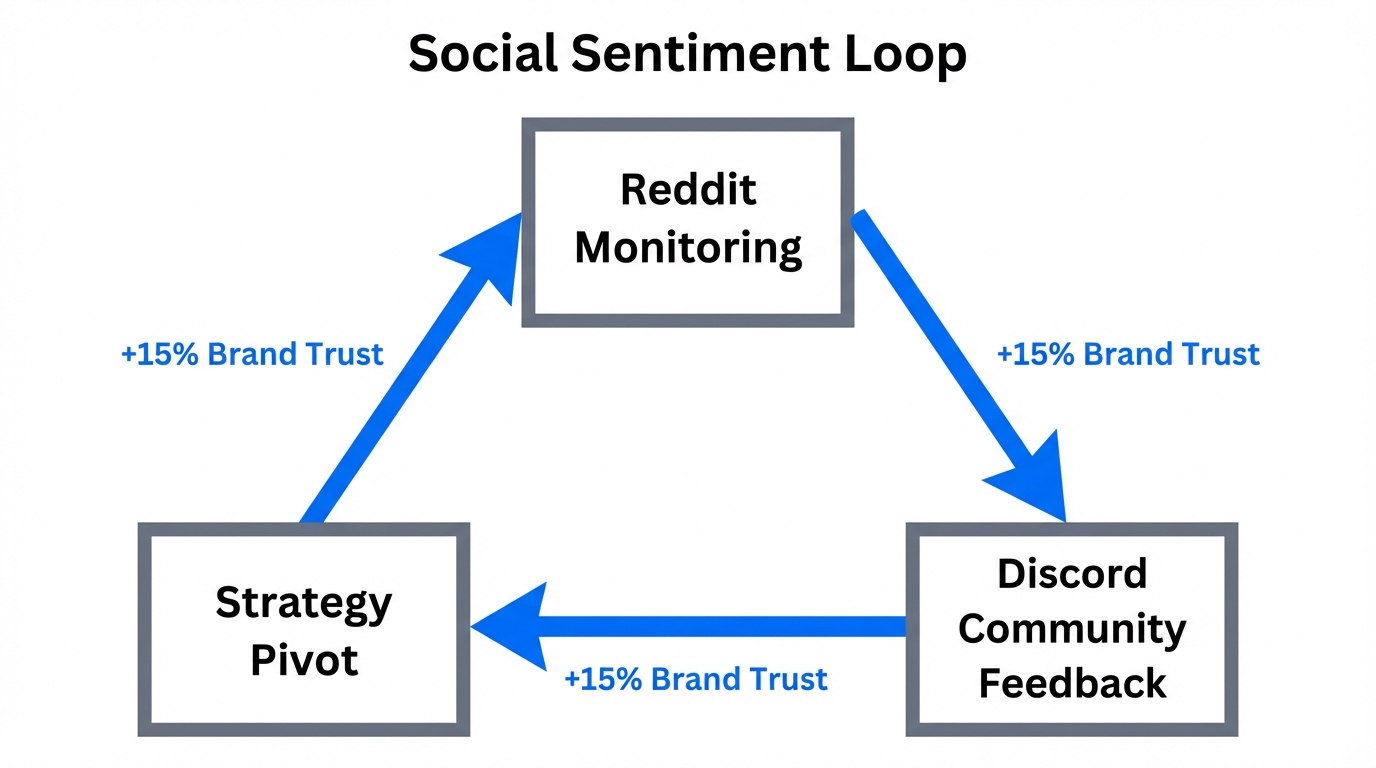
True influence often lives outside the primary feed of Instagram or TikTok. To find "organic advocates"—people who are already championing your brand or niche—you must look toward community-centric platforms. Predictive marketing analytics should include social listening across decentralized hubs.
- Reddit: Use AI to monitor subreddits related to your industry. Look for users who consistently provide high-value advice or product recommendations.
- Discord: Identify thought leaders within private servers who have genuine authority over niche spending habits.
- Niche Keywords: Use a keyword research approach to find which creators are ranking for high-intent search terms within social search.
The 'Uncanny Valley' and the Ethics of AI Content
As the market for virtual and CGI influencers is expected to reach $8.5 billion by 2030, marketers must navigate the "Uncanny Valley"—the point where AI content becomes unsettlingly realistic yet feels "off" to the consumer (LoudCrowd). Transparency in AI content is non-negotiable for maintaining brand safety.
While virtual influencers like Lil Miquela have successfully partnered with brands like Samsung, the consensus among experts is that transparency is essential. Failing to label AI-generated content can lead to FTC scrutiny and a catastrophic loss of consumer trust. When vetting creators, ensure their use of AI—whether for editing or full persona generation—aligns with your brand's ethical guidelines.
Platforms that offer automated influencer fraud detection can also help identify when a creator is over-relying on AI-generated scripts, which can smother the authentic voice that makes influencer marketing effective in the first place. Use AI for the logistics (outreach, tracking, payments) but keep the creativity human-centric.
Conclusion: Scaling Your Strategy with Certainty
Predicting ROI in the creator economy is no longer a guessing game. By implementing a technical influencer vetting process that prioritizes meaningful engagement over vanity metrics, you can insulate your brand from fraud and maximize your influencer marketing ROI.
Utilizing a comprehensive social media analytics tool like Stormy AI allows you to discover, vet, and outreach to creators with the precision of a data scientist. As the industry moves toward autonomous agents and predictive fit models, the brands that embrace these machine-learning playbooks today will be the ones dominating the market share of tomorrow. Stop reacting to social trends and start predicting them.