The influencer marketing landscape is currently undergoing its most significant transformation since the inception of social media. We are moving away from the era of manual spreadsheets and simple database filters into a world defined by autonomous systems. As we look toward the influencer marketing trends 2025, the shift is clear: the industry is no longer just about finding people to post content; it is about building a scalable, AI-driven ecosystem that operates with precision and speed. With the total market valuation projected to reach $32.55 billion by the end of 2025, the integration of agentic AI and advanced automation is not just an advantage—it is a necessity for survival.
The $32 Billion Paradigm Shift: Why 2025 is the Year of AI Integration
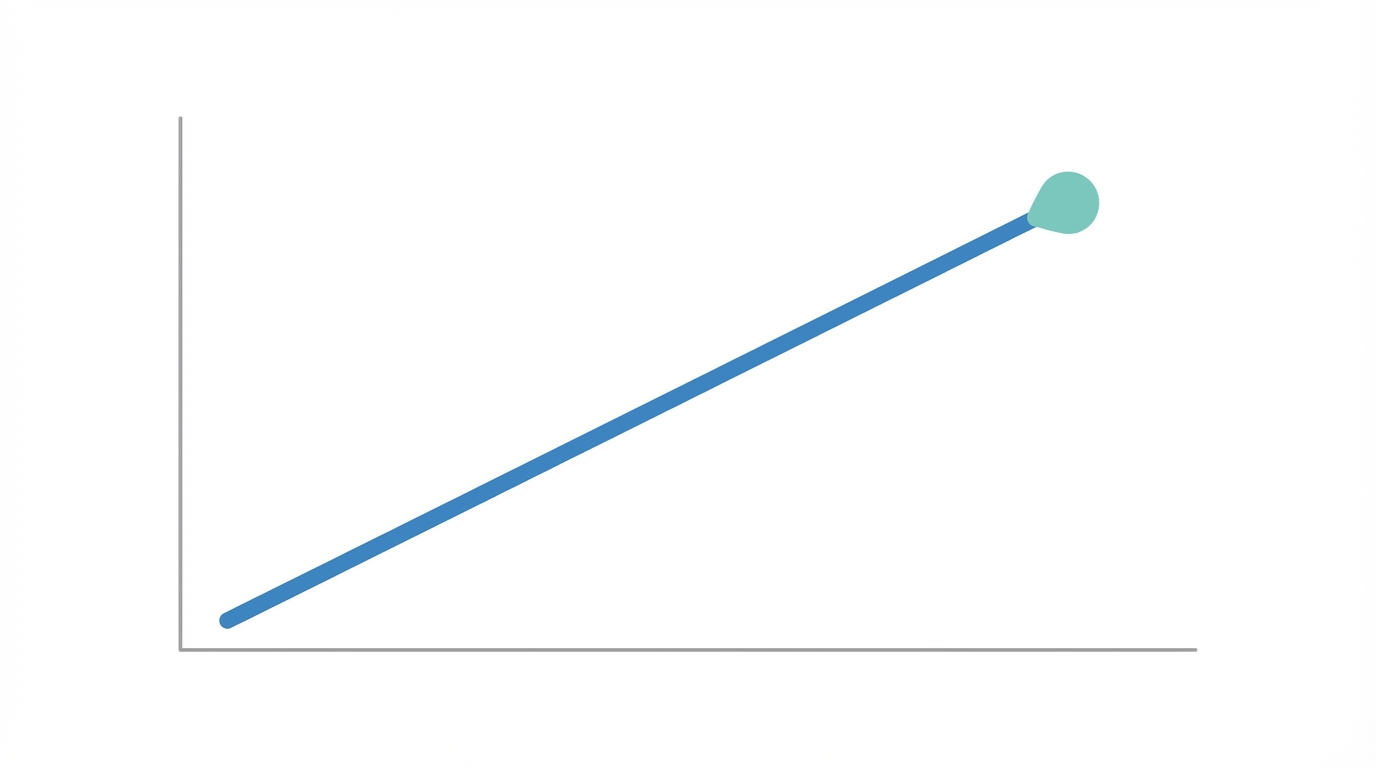
The transition from manual outreach to autonomous AI agents is the defining shift of the current era. According to data from indaHash, the influencer marketing industry is on track to hit a staggering $32.55 billion in 2025, a massive jump from the $24 billion recorded in 2024. This growth is being fueled by a rapid adoption of sophisticated technology. Currently, 60.2% of marketers already utilize AI for creator identification and campaign optimization, while a near-total 95% of brands have integrated artificial intelligence into at least one part of their marketing stack.
This efficiency is creating a divide between legacy marketers and those leveraging modern platforms. While the previous decade focused on the "human touch" as a manual labor requirement, the future of influencer marketing treats human creativity as the strategic layer, while AI handles the heavy lifting of execution, data crunching, and initial outreach. This allows marketing teams to produce a volume of content that was previously impossible without massive headcount increases.
From SaaS Search Filters to Agentic AI Autonomy
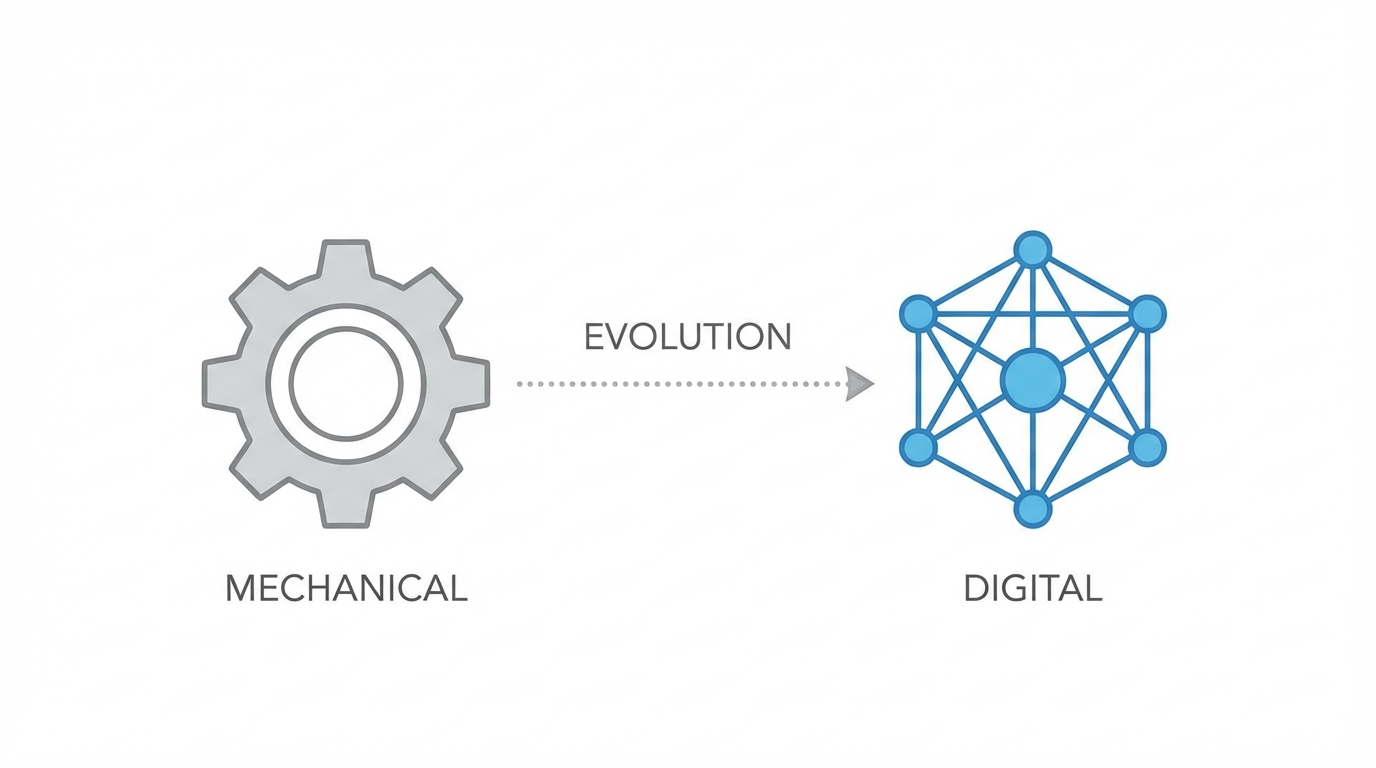
For the past five years, the industry relied on SaaS (Software as a Service) tools that functioned primarily as search engines with filters. You would filter by location, follower count, or niche, and then manually export a list. The biggest of the influencer marketing trends 2025 is the move toward Agentic AI. These are autonomous agents capable of managing the entire creator lifecycle without human intervention.
"We are moving past simple database filters toward autonomous agents that can discover, vet, email, and negotiate with influencers while you sleep."
Platforms like Janney AI are leading this charge. These agents don't just find a list; they vet the creator's recent history for brand safety, draft a personalized email based on the creator's specific style, and even handle multi-round bidding. In fact, autonomous negotiation agents have shown they can reduce influencer fees by up to 43% by utilizing data-backed bidding strategies that humans often lack the time to execute.
By 2025, AI is expected to assist in the production of 30% of all outbound marketing messages. This means the initial contact you receive from a brand—or the initial outreach a creator receives—will likely be initiated by an AI agent that has already determined the potential ROI of the partnership before the first "hello" is even sent.
The Rise of the $170 Billion Virtual Influencer Market
One of the most disruptive influencer marketing trends 2025 is the explosion of virtual influencers. These CGI-based creators are no longer just a novelty; they are becoming a core part of brand strategy. Projections from Allied Market Research suggest the virtual influencer market could hit a valuation of $170 billion by 2034. This growth is driven by the unprecedented control and cost-efficiency these avatars offer.
Brands like Fashion Nova have pioneered the use of high-fidelity, human-like AI avatars to showcase products. The economic incentive is undeniable: production costs for a high-quality influencer image can drop to as low as $0.03 per image when using generative AI tools like Midjourney. Unlike human creators, virtual influencers don't require travel budgets, lighting crews, or multiple takes. They offer 100% brand safety and can be "on location" in ten different countries simultaneously through generative AI background manipulation.
Algorithmic Trust: Influencing the Engines, Not Just the People

Traditionally, influencer marketing was about "social proof"—convincing a person to buy a product because they trust a creator. In 2025, the strategy is shifting toward Algorithmic Trust. This concept involves using creators to ensure a brand's products appear in the training data and real-time search results of AI assistants like ChatGPT, Google Gemini, and Perplexity.
Modern SEO is evolving into AIO (AI Optimization). Brands now use influencers to generate a high volume of reviews and mentions across the "web of reviews" that Large Language Models (LLMs) crawl. When an AI assistant recommends a product to a user, it does so based on the frequency and sentiment of mentions it finds across social platforms and blogs. Platforms like Stormy AI streamline this process by helping brands identify creators who have high topical authority in niches that AI engines prioritize.
"The future of influencer marketing isn't just about influencing humans; it’s about influencing the algorithms that tell humans what to buy."
Expert Mark Schaefer notes that the most successful brands will focus on building this algorithmic authority. By saturating the digital space with authentic creator content, brands ensure that they are the primary recommendation when a user asks their AI, "What is the best serum for dry skin?"
Hyper-Local Personalization: Lessons from Global Giants
Generative AI has solved the problem of scale vs. personalization. Previously, a brand could either have one high-quality global ad or many low-quality local ones. Now, you can have both. A prime example is Cadbury’s "Not a Cadbury Ad" campaign, which used AI to create 2,500+ unique localized variations featuring a single celebrity. This campaign reached over 140 million people, providing a personalized feel that was previously impossible.
Other brands are following suit:
- Dunkin' Donuts: Utilized AI-driven local creator campaigns to boost mobile app downloads by 57% by matching specific creators to regional promotions.
- GoPro: Automated the curation of 43,000+ UGC entries, allowing them to scale their community content without increasing their internal team size.
- Unilever: Reduced content costs by 30% and improved campaign turnaround by 50% through AI-driven asset analysis.
Tools such as Stormy AI enable brands to discover these hyper-local UGC creators at scale, ensuring that the content feels native to every demographic and region targeted.
The 2025 Playbook: Building an AI-Driven Influencer Workflow
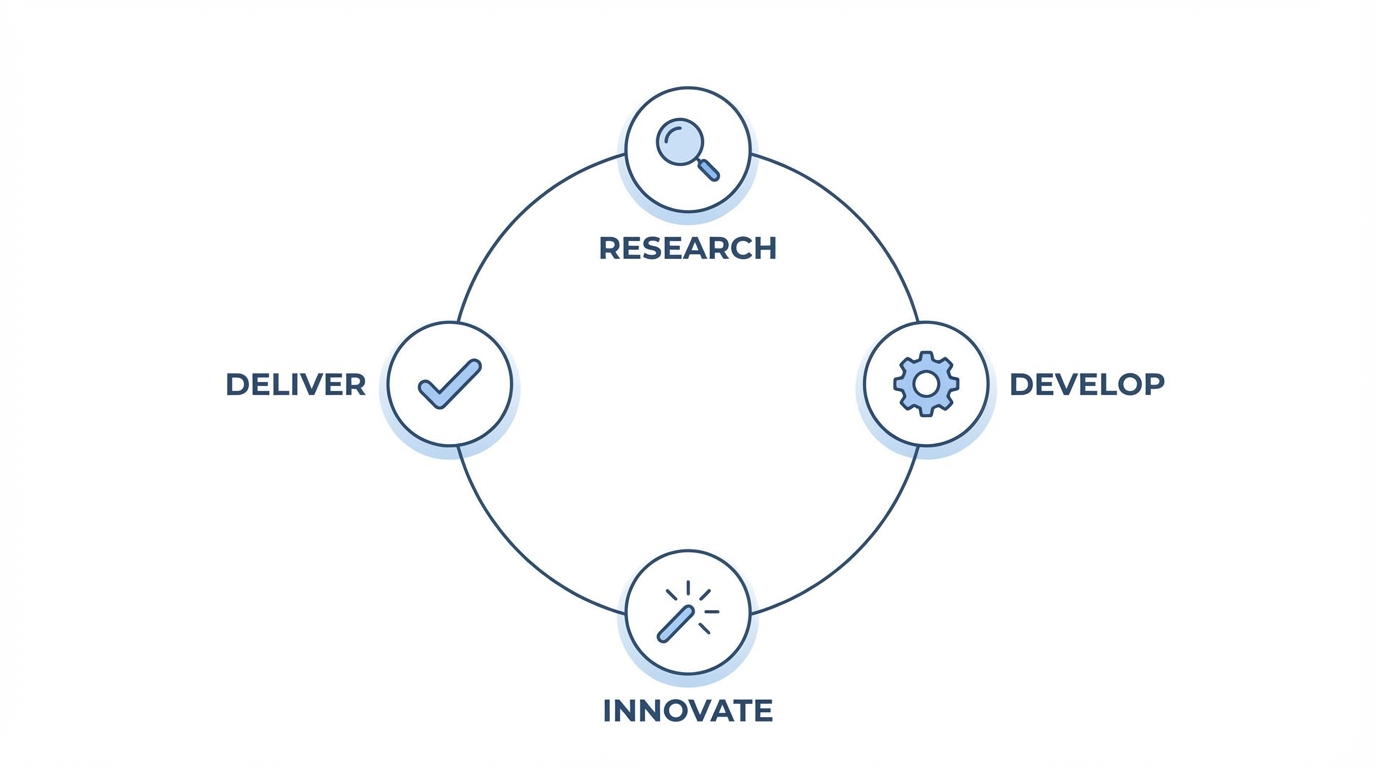
To succeed in this new era, marketers must move from a tool-centric approach to a pipeline-centric approach. Here is the step-by-step playbook for the future of influencer marketing.
Step 1: Agentic Discovery
Stop using rigid keyword searches. Use Natural Language Discovery to describe your ideal customer psychographics to an AI agent. Instead of searching for "fitness influencers," ask the AI to find "creators who appeal to working mothers interested in high-intensity interval training and sustainable fashion."
Step 2: Automated Deep Vetting
Use AI to scan the last 100 posts of a creator. Don't just look at follower counts; analyze sentiment and engagement quality. Systems can now detect "vanity metric" inflation and verify if the audience is actually interested in the creator's recommendations or just their aesthetic.
Step 3: Autonomous Outreach and Negotiation
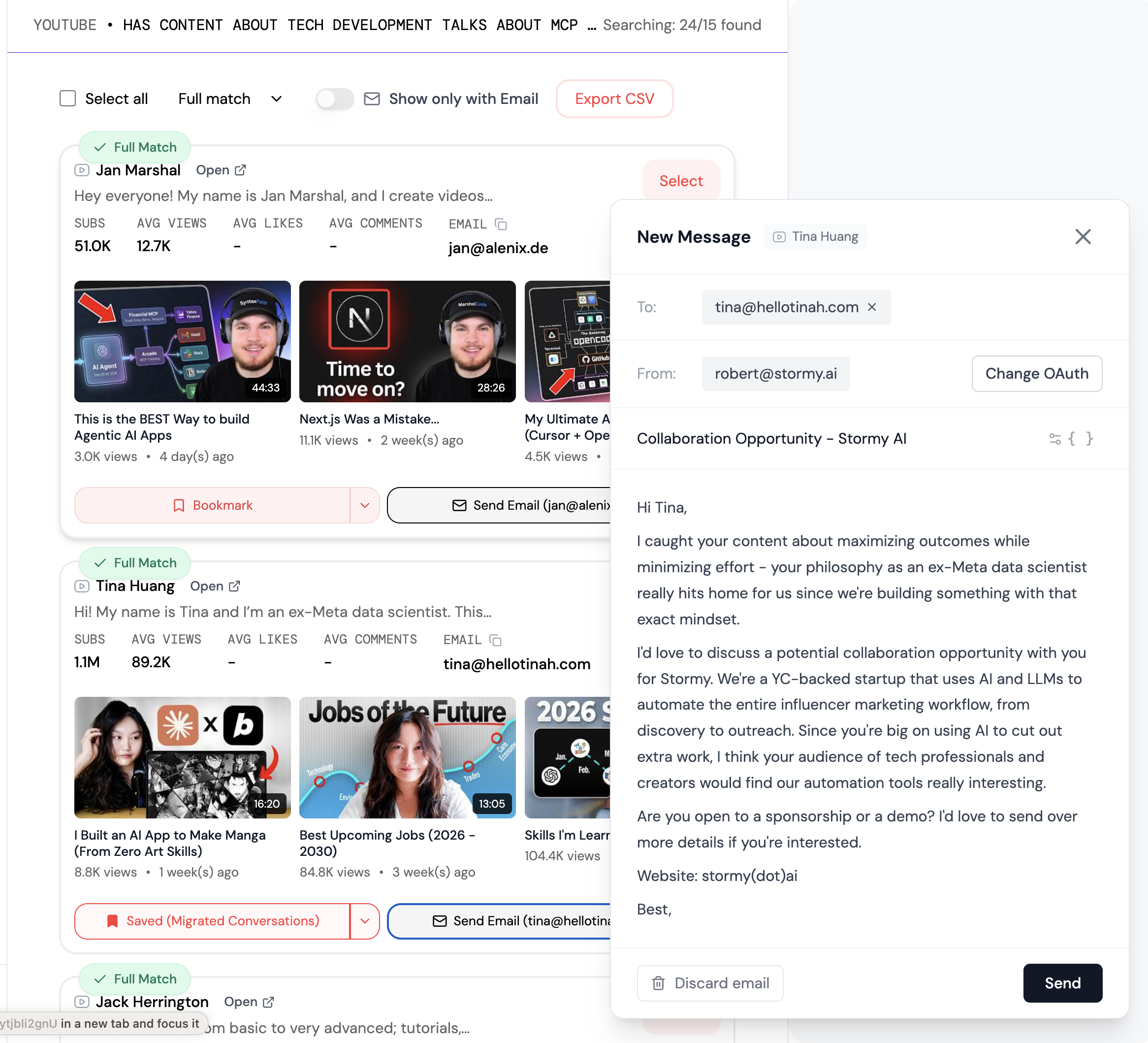
Set your Target CPM (Cost Per Mille) or Max Fee parameters and let an AI agent handle the initial 5–10 back-and-forth emails. This includes contract drafting and fee negotiation. This is where Stormy AI shines, allowing for hyper-personalized outreach that scales to hundreds of creators simultaneously without losing the personal touch.
Step 4: Real-Time ROI Attribution
Integrate AI-powered link management tools like Logie AI to track cross-platform conversions in real-time. Whether a sale happens on TikTok or Amazon, AI can now attribute that conversion back to the specific influencer and even trigger automated performance bonuses the moment a threshold is hit.
Common Pitfalls in the Age of AI
While the influencer marketing trends 2025 offer incredible efficiency, they come with risks. The most common mistake is automating a broken process. As noted on Medium, automating a disorganized spreadsheet workflow just "speeds up the mess-making." You must optimize your manual strategy before plugging in an autonomous agent.
Another risk is the Lack of Human Review. AI can draft a caption, but it often lacks the nuanced brand voice or cultural context that only a human can provide. Success in 2025 requires a "Human-in-the-Loop" model where AI handles the heavy labor, but a human Creative Director makes the final call on the "soul" of the content.
Finally, avoid relying solely on vanity metrics. Follower count is a poor indicator of storytelling skill. Use AI to analyze sentiment—how do people actually feel about this creator? Are the comments full of genuine questions about the product, or just emojis and bot spam?
Conclusion: The Future is Agentic
The future of influencer marketing is being written in code. As we move into 2025, the brands that dominate will be those that transition from viewing influencer marketing as a "manual PR task" to seeing it as a scalable data engine. By embracing agentic AI, building algorithmic trust, and leveraging the efficiency of virtual influencers, brands can achieve a level of reach and ROI that was unimaginable just 24 months ago.
For those ready to scale their UGC and creator partnerships, moving away from legacy, manual-heavy platforms like impact.com toward an AI-first solution like Stormy AI is the first step toward future-proofing your marketing strategy. The tools are here; the agents are ready. The only question is how fast your brand will adapt.