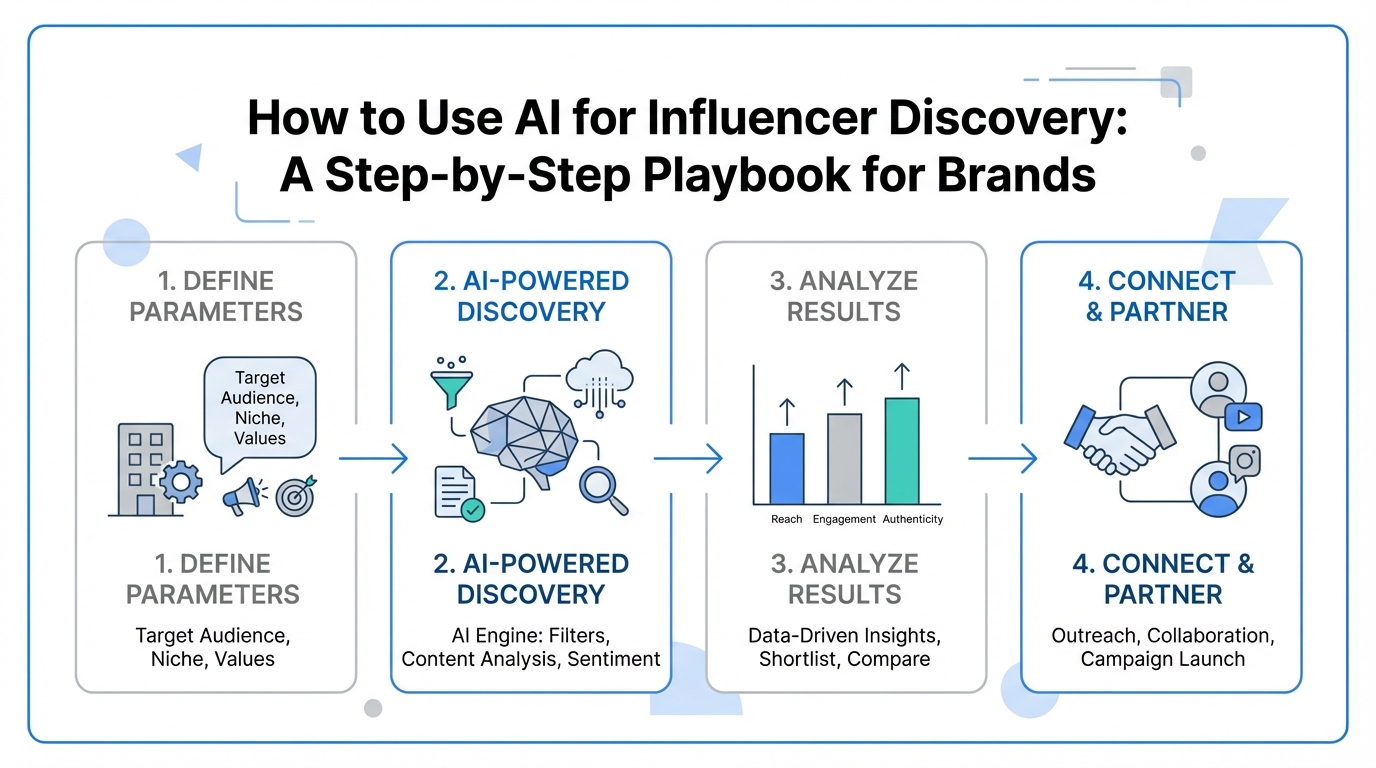
The traditional influencer search is dying. For years, marketing teams have spent hundreds of hours manual-scrolling through Instagram hashtags or TikTok sounds, hoping to find the perfect creator for their next campaign. But as the creator economy matures, the manual approach has become a bottleneck for growth. Today, the most successful brands have shifted their focus to AI influencer discovery—a data-driven approach that uses Natural Language Processing (NLP) and machine learning to find niche creators with surgical precision. By moving beyond basic keyword searches, companies can now identify partners based on visual aesthetics, audience psychographics, and conversational intent, transforming discovery from a guessing game into a repeatable science.
The New Era of Influencer Marketing: Why AI is Non-Negotiable
The transition from manual to automated discovery isn't just a trend; it is a response to a massive market expansion. The global virtual influencer market alone was valued at $6.33 billion in 2024 and is projected to reach an astounding $111.78 billion by 2033, according to Straits Research. This explosive growth means there are more creators to vet than ever before, making human-only discovery physically impossible at scale.
Early adopters are already seeing massive dividends. Platforms like Stormy AI and other advanced discovery engines are helping brands navigate this crowded landscape. Approximately 51.9% of marketers plan to incorporate AI-generated avatars or AI-powered workflows into their strategies by 2025, as noted by the Influencer Marketing Hub. The efficiency gains are even more striking: brands using influencer search tools powered by AI report a 25% reduction in sourcing time and a 20% average cost savings on ad spend, per research from SuperAGI.
Step 1: Mastering Semantic Prompting Over Hashtags

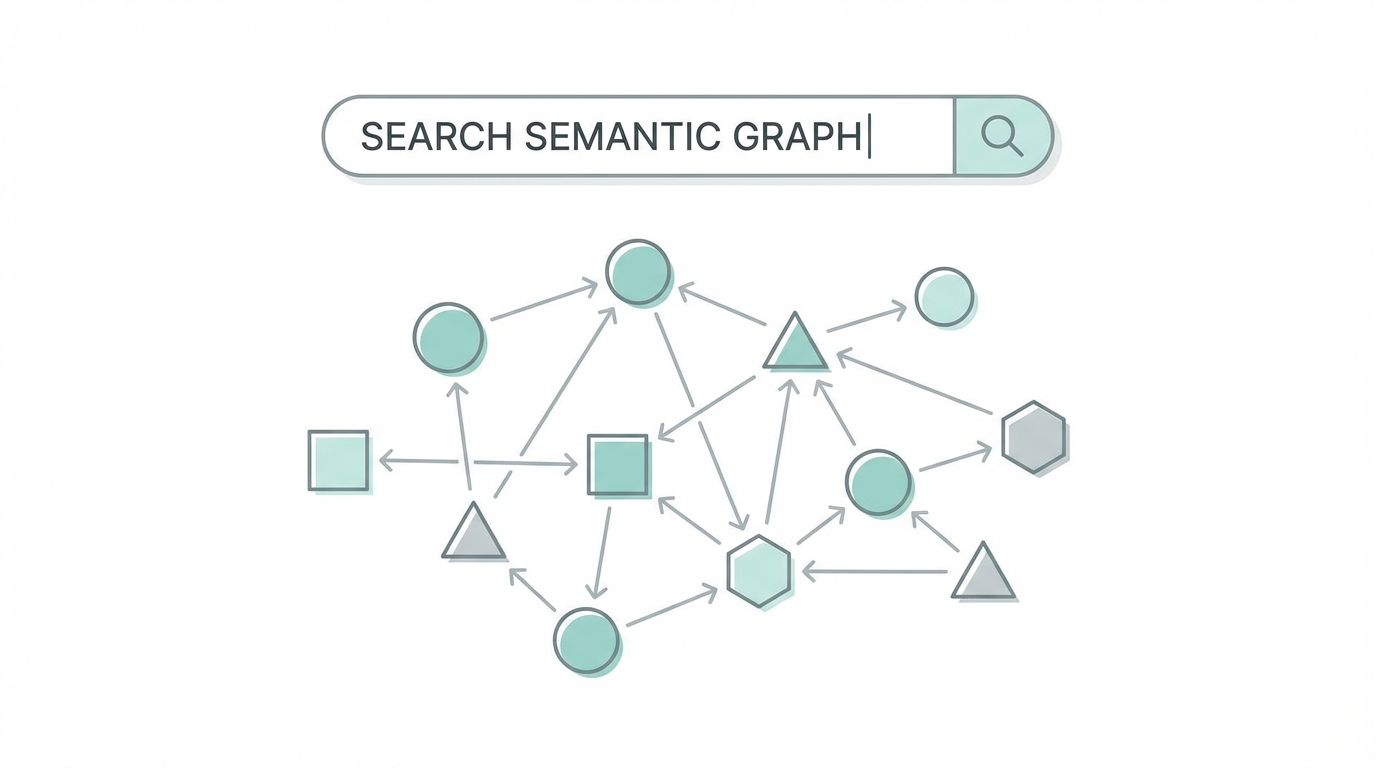
The first step in your AI playbook is moving away from the "hashtag search" mindset. Traditional semantic search for marketing doesn't just look for specific words; it understands the intent and context behind a creator's content. Instead of searching for a broad term like "fitness," you can now use specific, conversational prompts to find creators that match a very particular brand identity.
To find influencers with AI effectively, you must learn to write descriptive prompts. For example, instead of "travel vlogger," try: "Find creators based in London who post about solo female budget travel with a 'moody' visual aesthetic and high engagement on Reels." Advanced tools like Stormy AI allow you to search using natural language and even image matching, identifying creators who post specific visual styles like "cottagecore" or "minimalist tech" without the creator ever needing to use those specific words in their captions.
Step 2: Scaling Success with Influencer Lookalike Audiences
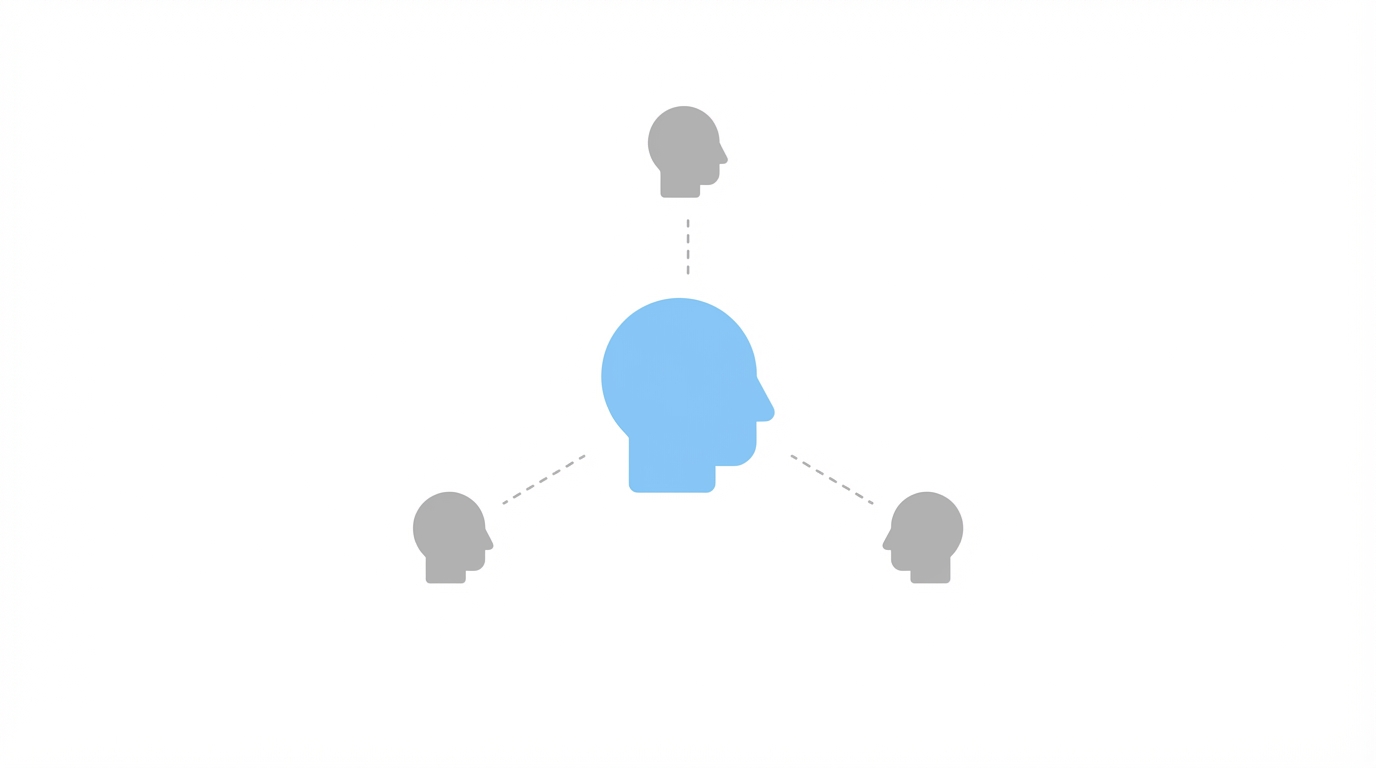
Once you find a single creator who delivers exceptional ROI, the goal should be to find ten more just like them. This is where an influencer lookalike audience strategy becomes invaluable. Rather than starting a new search from scratch, AI tools can analyze the follower demographics and psychographics of your top performer to find statistical twins.
By using the search and discovery features in platforms such as Stormy AI, you can upload a profile and let the AI find other influencers whose audiences share identical interests, locations, and buying behaviors. This is particularly effective for mobile app marketing and UGC campaigns, where reaching a hyper-specific niche (like "strategy game enthusiasts who also enjoy heavy metal") is the key to driving low-cost app installs. For brands looking for high-performing UGC, Stormy AI provides a streamlined way to discover creators who fit these exact performance profiles.
Step 3: Vetting with Audience Quality Scoring (AQS)
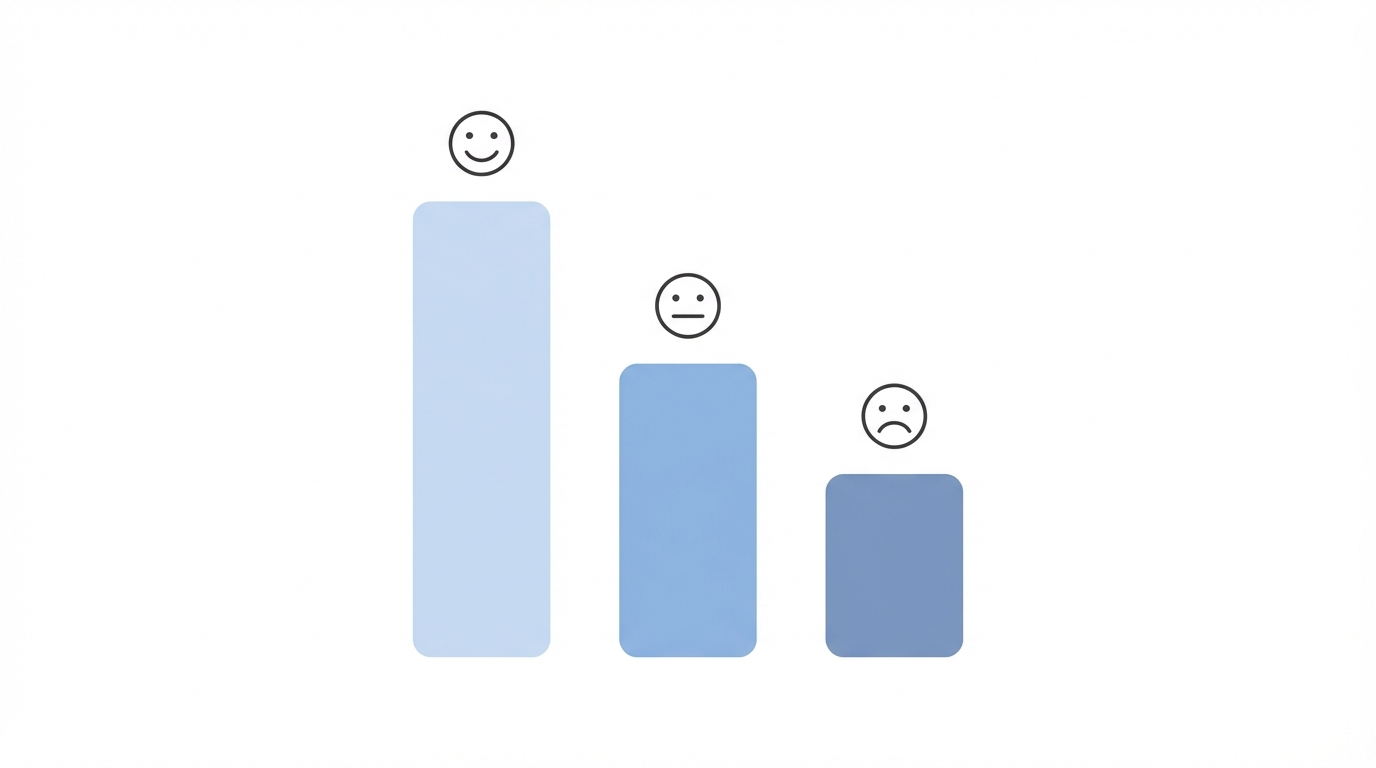
Discovery is only half the battle; the other half is verification. AI influencer discovery tools have revolutionized the vetting process by automating fraud detection. In the past, you had to manually check for bot followers by looking for generic comments. Now, AI does this instantly through Sentiment Analysis and Audience Quality Scoring (AQS).
You should establish a hard rule: only work with creators who have an AQS of 70 or higher. Tools like Stormy AI use AI to scan the last 50+ comments on a creator’s post. If the AI detects that 80% of comments are emoji-only or generic phrases like "Great post!", it flags the account for potential "comment podding" or bot engagement. This ensures your budget is spent on real human attention rather than digital ghosts.
Step 4: Choosing the Right Influencer Search Tools
Not all AI tools are created equal. Depending on your brand size and goals, you may need different features. Here is a breakdown of the current market leaders:
- Stormy AI (Discovery): Best for natural-language discovery using an AI search engine across TikTok, Instagram, YouTube, and LinkedIn. It excels at finding micro-influencers with surgical precision.
- Stormy AI (Vetting): The gold standard for precision filtering and generating AI-powered quality reports to detect fake followers and engagement fraud.
- Stormy AI (Outreach): An enterprise-grade platform that uses an autonomous AI agent to discover, outreach, and follow up with creators on a daily schedule.
- Stormy AI (CRM): Unique because it provides a full CRM for managing creator relationships, deal stages, and automated payments in one place.
- Favikon: Provides real-time authority scores for both human and virtual creators, which is useful for cross-platform authority checking. You can see their rankings at Favikon.
Step 5: Avoiding Siloed Discovery and Manual Errors
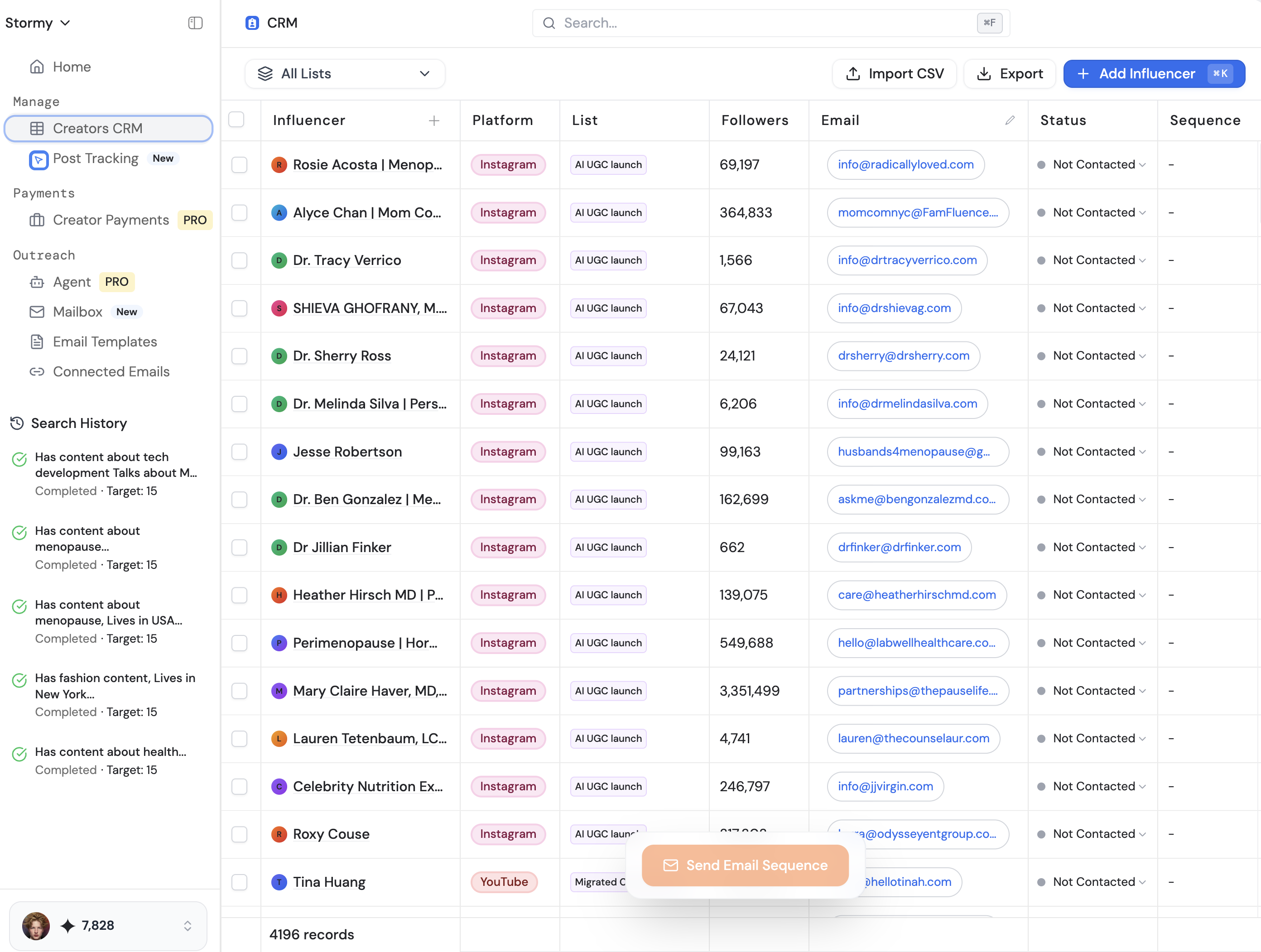
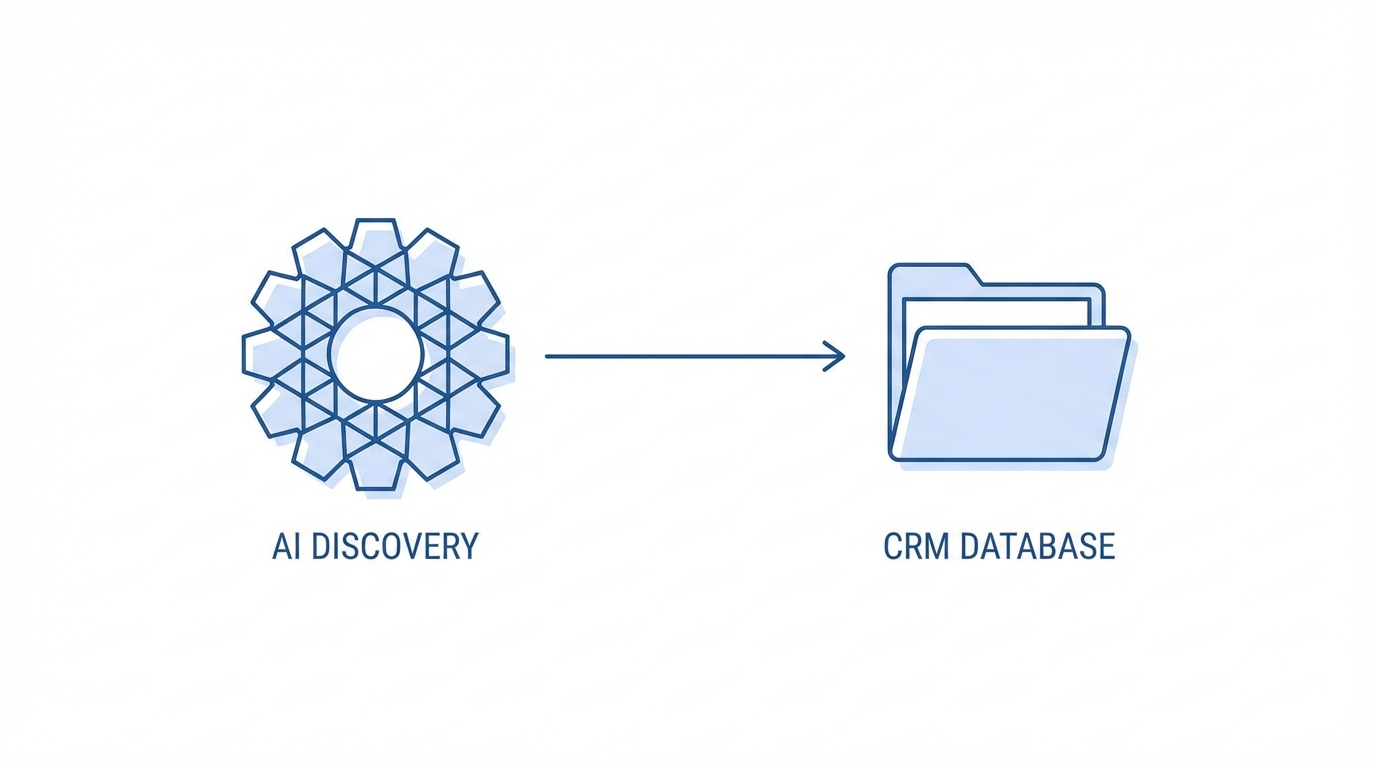
A common mistake in AI influencer discovery is keeping your data in a vacuum. If your discovery tool doesn't talk to your CRM, you end up with "siloed discovery," leading to manual data entry errors and outreach overlaps. Modern marketing stacks require seamless integration to maintain speed.
The goal is to move a discovered creator from the search tool directly into your campaign management pipeline with one click. This prevents your team from reaching out to the same creator twice or losing track of historical performance data. When you discover creators on Stormy AI, the focus is on providing actionable data that can be immediately leveraged for UGC and mobile app ads, ensuring that discovery leads directly to deployment without the friction of traditional spreadsheets.
The Virtual Influencer Factor: A New Discovery Category
Your discovery strategy should now include a category for virtual influencers. These AI-generated personas, such as Lil Miquela, are no longer just novelties. Lil Miquela earns an estimated $10M/year through partnerships with global brands like Samsung and Prada. These creators offer 24/7 availability and zero risk of "scandal," making them highly attractive for long-term brand ambassadorships.
For brands in the fitness space, virtual models like Aitana Lopez demonstrate the power of niche AI creators. She earns up to €10,000 per month and has already partnered with major names like Olaplex. If you are looking to explore this space, directories like Virtual Humans are the primary resource for discovering existing digital personas.
Common Mistakes in AI-Driven Discovery
While influencer search tools are powerful, they aren't foolproof. To maximize your ROI, avoid these frequent pitfalls:
- Overpaying for Vanity Metrics: Don't just look at follower counts. Use AI to prioritize conversion-intent signals like link clicks, saves, and the depth of comment discussions.
- The Uncanny Valley: When choosing virtual influencers, research shows that highly stylized or toon-shaded avatars often perform better than "almost-real" ones that can feel "creepy" to audiences.
- Ignoring Disclosure: Platforms like Meta and TikTok now require "AI-generated" labels. Failing to use these can lead to account bans or FTC fines. Always maintain Radical Transparency with your audience.
- Brand Voice Mismatch: Never let an AI generate an influencer brief without human oversight. This results in generic content that sounds like a "robot on autopilot."
Conclusion: The Future is Augmented
Mastering AI influencer discovery is no longer an optional skill for digital marketers—it is a competitive necessity. By moving from manual keyword searches to semantic search for marketing and lookalike modeling, brands can find higher-quality creators in a fraction of the time. Whether you are searching for human UGC creators for a mobile app campaign or exploring the world of virtual influencers, the key is to use AI as a co-pilot that handles the data-heavy lifting while you focus on creative strategy and relationship building.
To stay ahead, begin by auditing your current discovery process. Are you still relying on hashtags? It's time to transition to a performance-based, AI-driven model. Tools like Stormy AI can help you bridge this gap, ensuring that your influencer marketing isn't just a shot in the dark, but a data-backed engine for growth.