For decades, the path to a high-converting e-commerce product shot followed a predictable, expensive trajectory: hire a photographer, book a studio, wait for the RAW files, and then pay a specialist hundreds of dollars to spend hours in Photoshop. This bottleneck has long been the primary friction point for brands trying to scale their creative output. However, a new paradigm is emerging. The release of Nano Banana (also known as Gemini 2.5 Flash image) is fundamentally shifting the landscape of AI image editing for e-commerce, moving us from a world of manual layers and pixel-pushing to one of plain-language creative iteration.
The Speed Factor: Why Sub-45-Second Generation Changes Everything
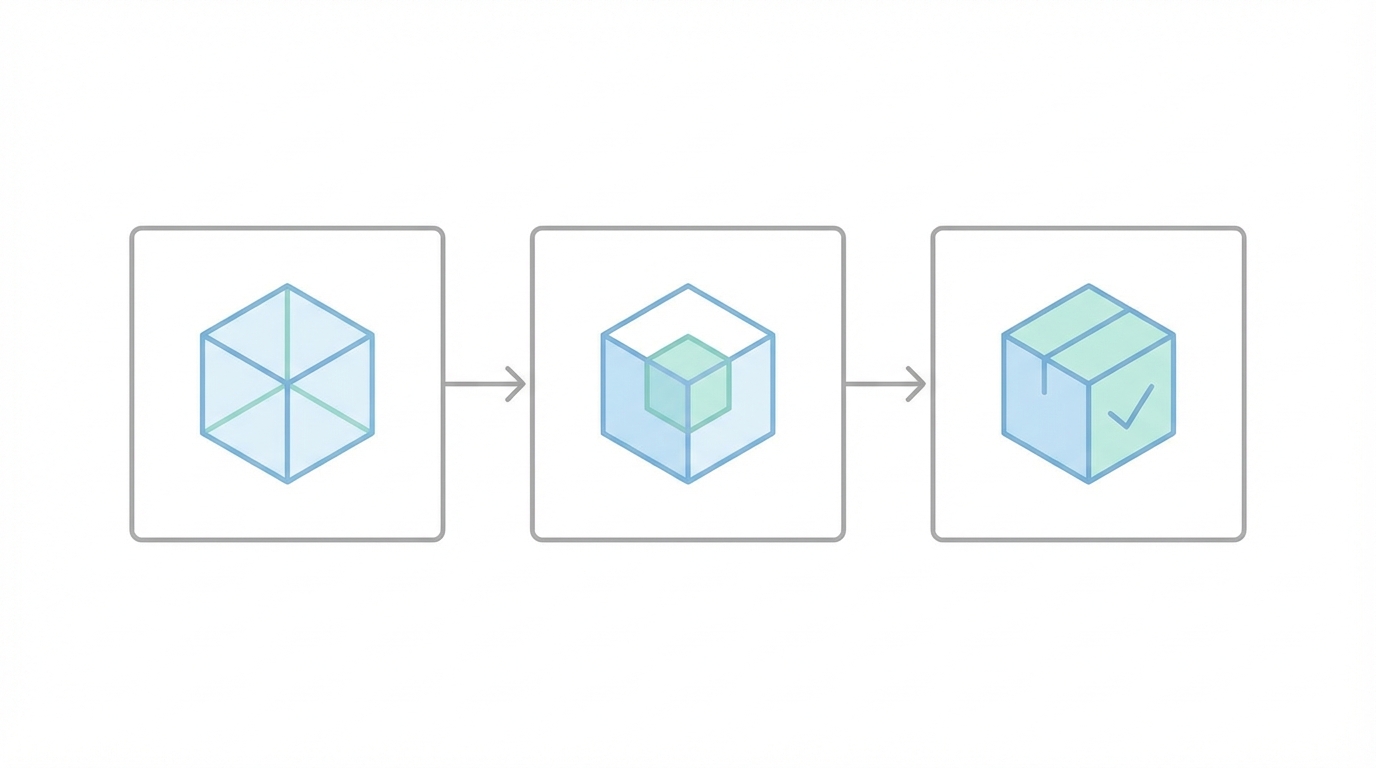
In traditional workflows, creative feedback loops are measured in days or weeks. Even with existing AI tools, the generation time can often exceed a minute, leading to a fragmented workflow where the user loses their creative momentum. Nano Banana disrupts this by offering sub-45-second generation times. This isn't just a technical achievement; it is a fundamental shift in how marketing assets are built. When an image generates in seconds, the editor becomes a playground for real-time creative iteration.
As noted in recent demonstrations at Google AI Studio, the speed of this model allows developers and marketers to "vibe code" their way to a final product. Instead of waiting for a render, you can instantly test whether a product looks better in a luxury magazine spread or a gritty urban mural. This speed enables brands to produce professional AI product shots at the speed of thought, allowing for hyper-granular A/B testing that was previously cost-prohibitive.
The 'PicShop' Revolution: Editing with Plain English
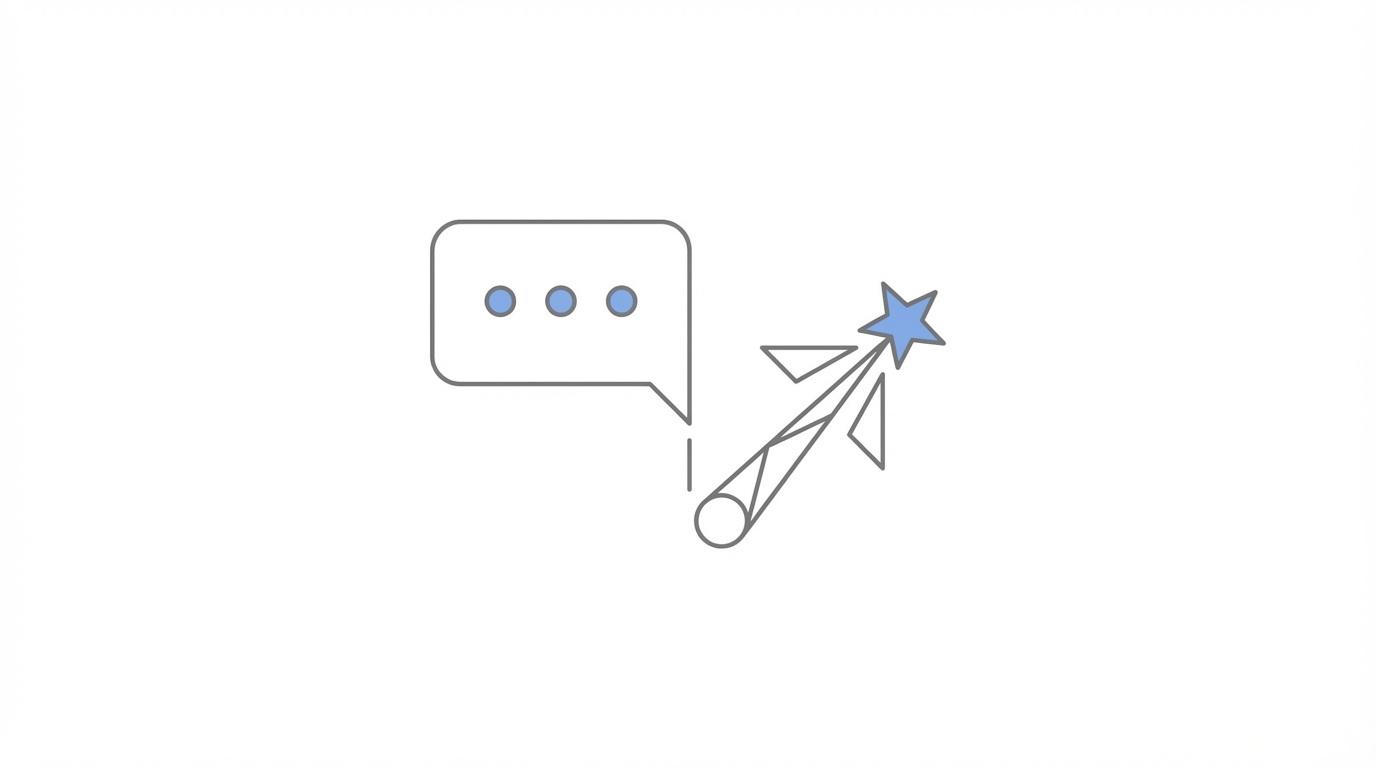
One of the most powerful Photoshop AI alternatives within the Gemini ecosystem is the PicShop photo editor. Unlike the steep learning curve associated with Adobe’s suite, PicShop allows users to remove logos, change backgrounds, and retouch products using plain English. The concept is simple: you describe what you want, and the model executes it. This is particularly useful for e-commerce brands that need to repurpose single product shots for dozens of different regional markets or seasonal campaigns.
For instance, if you have a high-quality shot of a smartphone, you can use the PicShop interface to simply say, "Remove the logo from the center of the device," or "Change the background to a rainy bus stop in London." While the model may occasionally "hallucinate" small details, the ability to manually circle an area for precise edits gives users the control they need for commercial-grade output. This level of virtual product placement allows a single asset to be transformed into an entire library of marketing collateral without ever needing to pick up a digital paintbrush.
Case Study: Reducing Photography Costs from Hundreds to Cents
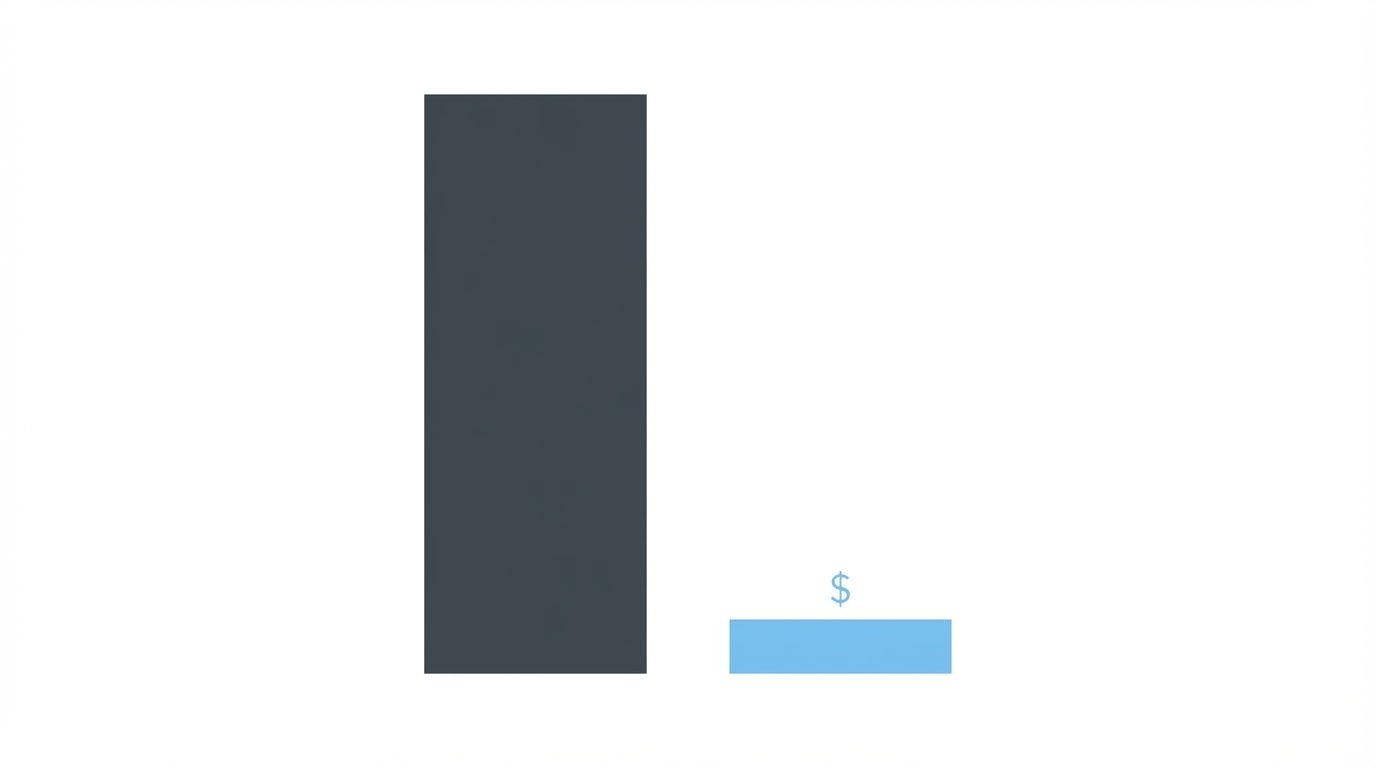
The financial implications of switching to an AI-first workflow are staggering. Traditional product photography can easily cost hundreds of dollars per shot when factoring in equipment, labor, and post-production. In contrast, using Nano Banana via Google's new image model costs approximately 4 cents per generated image. This brings the cost down to a revolutionary $40 per 1,000 images.
For a scaling e-commerce brand, this means you can generate 1,000 different ad variations for the price of a single lunch. This democratization of high-end imagery means that startups with a limited budget can now compete with global enterprises in terms of visual quality. By utilizing tools that search for market gaps—such as those found via Idea Browser—founders can identify trending product categories and instantly generate a full suite of marketing assets to test the market before even manufacturing the product.
Leveraging Influencers for Authentic AI Foundations
While AI can generate incredible backgrounds and edits, the most effective e-commerce ads often start with a foundation of User-Generated Content (UGC). Real people using products provides the social proof that builds trust. To maximize the effectiveness of Nano Banana, brands are increasingly using high-quality UGC as the "base image" for their AI remixes. By starting with a photo of a real creator, you maintain the human authenticity while using AI to swap the environment or add marketing taglines.
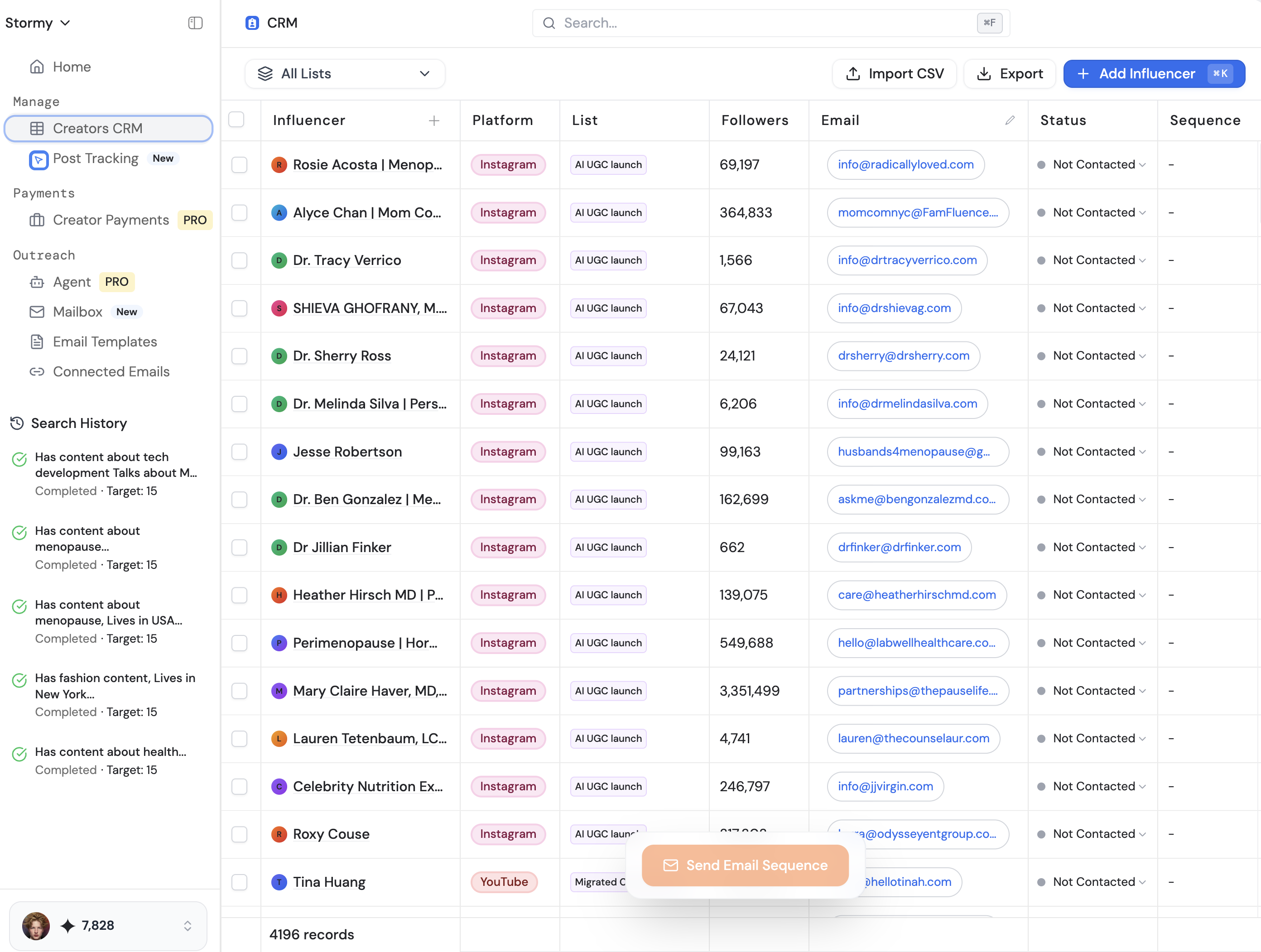
To find the right creators for these base assets, platforms like Stormy AI streamline creator sourcing and outreach, helping brands manage these relationships at scale. Once you have a library of creator content, you can use Nano Banana to place those creators in diverse settings—from a luxury villa to a subway station—ensuring your brand looks global while remaining grounded in authentic influencer relationships. This combination of AI efficiency and human-centric discovery is the future of digital marketing.

The 'Smart Creative Partner' Approach
Nano Banana isn't just an image generator; it's a smart creative partner. Because it is powered by the Gemini 2.5 Flash model, it possesses significant world knowledge and linguistic capabilities. This allows the model to suggest marketing slogans and filters based on the context of the image. If you upload a picture of a phone and ask for a luxury magazine ad, the model doesn't just change the lighting; it can actually embed text like "Crafted for tomorrow, inspired by you" directly into the graphic.
This context-aware generation is a game-changer for virtual product placement. In one demonstration, a user took an image of two people talking and used the model to dynamically place a smartphone on the table between them. The AI understood the lighting, the perspective, and the shadows required to make the object look like it was actually there. This enables brands to perform "product placement" in existing lifestyle photography, saving them from having to reshoot entire campaigns when a new product version launches.
The Workflow Integration: How to Build with Nano Banana

For brands and developers looking to integrate these Nano Banana AI features into their existing stacks, the process has never been easier. Through vibe coding, you can essentially describe an application's functionality and have the model generate the underlying logic to handle image processing. This allows for the creation of personal software tailored to a brand's specific aesthetic requirements.
Step 1: Source Your Primary Asset
Start with a high-quality product shot or a piece of UGC. As mentioned, using Stormy AI is an excellent way to find influencers who can provide the authentic "human" element that makes ads feel less like corporate propaganda and more like community recommendations.
Step 2: Define the Creative Environment
Use the build tab in AI Studio to test different environments. Do you want your product in a rainy bus stop or a high-end cafe? The sub-45-second speed allows you to test 10 different environments in under five minutes.
Step 3: Refine with PicShop
Once the environment is set, use plain-language commands to refine the details. This includes retouching shadows, adjusting color filters, or removing distracting elements from the background. This is the stage where you move from a raw AI generation to a professional AI product shot.
Step 4: Deploy and Track
Once your assets are generated, deploy them across your social channels. For brands running influencer-led campaigns, tracking the performance of these AI-remixed assets is crucial. Monitoring engagement and views via Google Analytics or social platforms will tell you which AI-generated environments resonate best with your target audience.
Conclusion: Embracing the Era of the Idea Guy
The transition from Photoshop's manual complexity to the AI-assisted speed of Nano Banana represents a massive competitive advantage for those who adopt it early. By reducing costs to $40 per 1,000 images and enabling real-time creative iteration, this technology is dismantling the barriers to entry for high-quality e-commerce marketing. Whether you are using it for virtual product placement or generating professional AI product shots, the message is clear: the brands that win will be those that can iterate the fastest.
As the barrier between "idea" and "execution" continues to thin, the focus for marketers must shift toward creative strategy and influencer collaboration. By combining the authentic reach of creators with the lightning-fast editing power of Gemini, e-commerce brands can finally achieve the holy grail of marketing: content that is both hyper-personalized and infinitely scalable.