In 2026, the retail landscape has shifted from simple search queries to a complex ecosystem of agentic commerce. Google’s ad revenue is projected to reach $318 billion this year, with Shopping ads driving 85.3% of all clicks in the ecosystem. But the game has changed: high-converting ads no longer rely on keywords, but on multi-modal AI assets. If you aren't using generative AI to build 3D, AR, and hyper-realistic video assets, you are essentially invisible to the 1.2 billion monthly searches Google handles. This playbook will show you how to leverage Stormy AI and cutting-edge generative models to dominate the Shopping tab.
The 2026 Asset Group Requirements: Beyond White Backgrounds
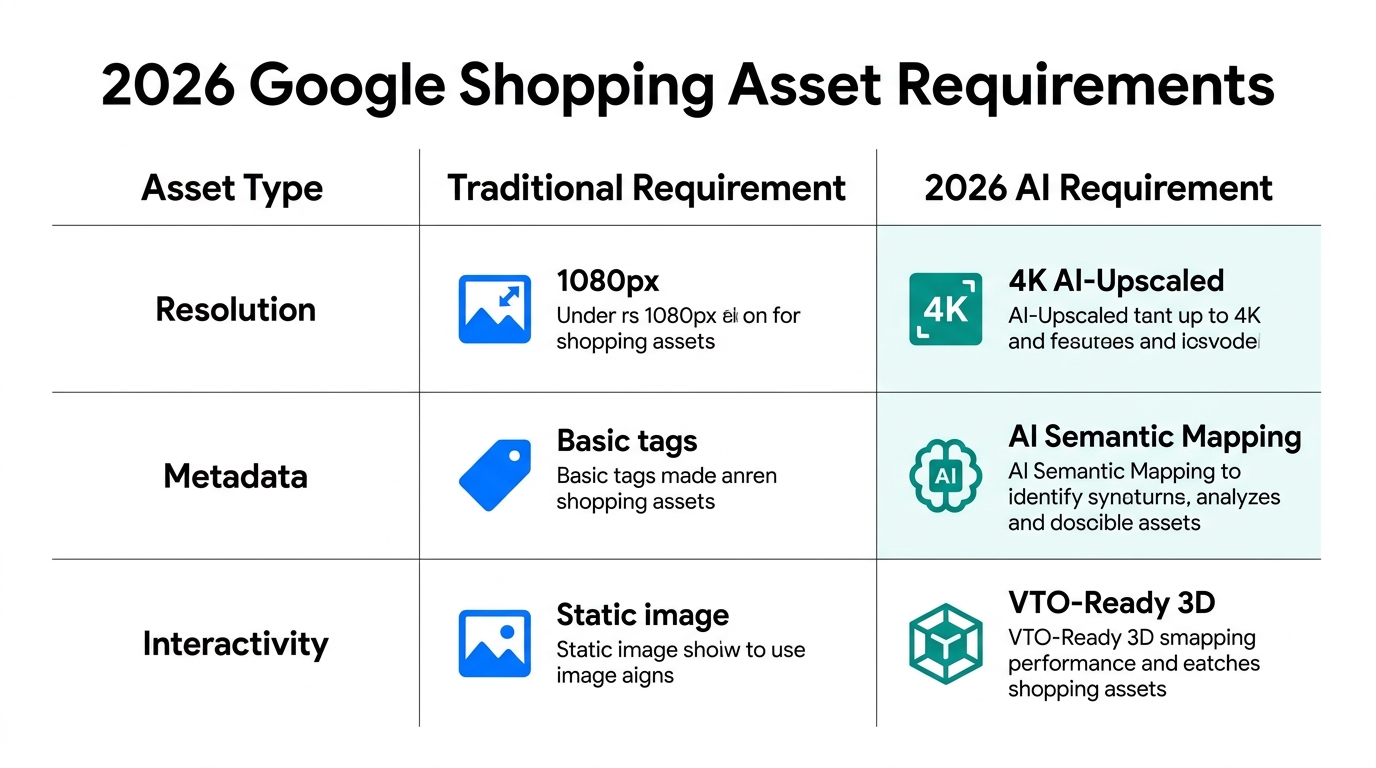
The standard for performance max asset groups ai has evolved. In 2026, Google Merchant Center Next requires a "source of truth" that goes far beyond a basic product title. To compete, your product data must feed into CTV, AI Overviews, and shoppable 65-inch screens. This requires a variety of high-resolution assets that can scale across surfaces.
To qualify for the highest "Visual Quality Score," every Asset Group in your Google Ads account must now include:
- 3D and AR Assets: Essential for home goods and apparel to enable interactive viewing via Google Scene Viewer.
- 15-Second Vertical Videos: Optimized for YouTube Shorts and TikTok-style placements within the Google ecosystem.
- 500x500px Minimum Resolution: As of April 2026, Google strictly enforces this minimum, with plans to automatically disapprove lower-res images.
Managing these requirements manually is a nightmare for lean teams. This is where Stormy AI acts as your 24/7 ecommerce employee. Stormy monitors your Google Merchant Center for "asset starvation" and can automatically flag which SKUs are missing the vertical videos or 3D models required to maintain a high Visual Quality Score.
"Product data is infrastructure, not just a feed. It must now power CTV, AI Overviews, and agentic checkout simultaneously." — Ginny Marvin, Google Ads Liaison.
Tutorial: Using AI to Upscale and Generate Pro-Grade Product Imagery
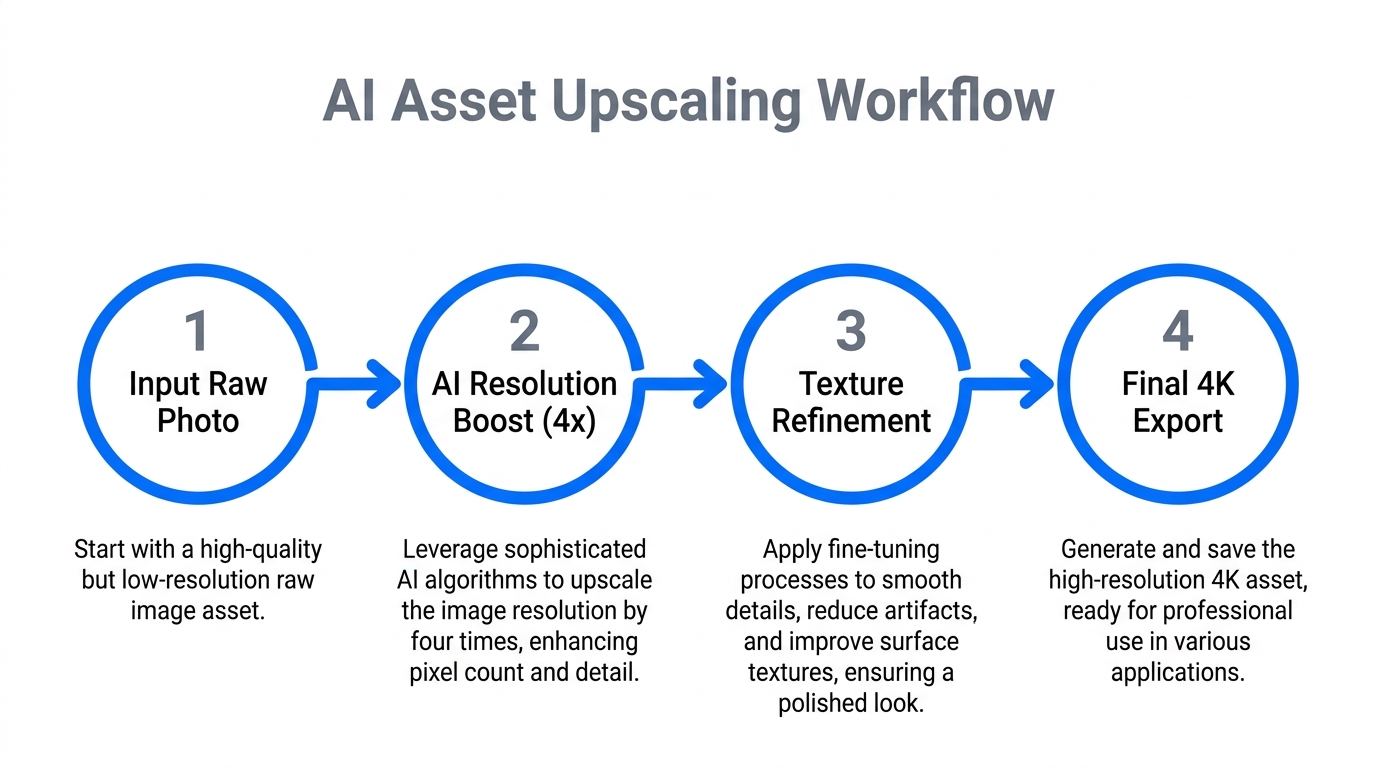
With the google shopping image requirements 2026 mandating 500x500px as the absolute floor, many legacy catalogs are facing mass disapprovals. You can use multi-modal models like ChatGPT-4o to not only upscale but also transform flat product shots into high-converting lifestyle scenes.
Step 1: The Reference Image Strategy
Don't just prompt from scratch. As performance marketing experts suggest, the secret to ai generated ads google shopping success is the inspiration image. Upload your raw product photo and a reference "lifestyle" image to ChatGPT-4o.
Step 2: Multi-Modal Prompting
Use a prompt that focuses on "photo-realism" to avoid the "AI slop" look that consumers are starting to reject. Example: "Add this product image to the foreground of a high-end modern living room. Use photo-realistic lighting, ensure the product shadows match the environment, and maintain the exact branding of the original item."
Step 3: Scaling with Stormy AI
Once you have a winning prompt, Stormy AI can help manage the output. Stormy can keep a living spreadsheet of your creative variations, tracking which generated images are live in which Asset Groups and mapping their performance directly to your Shopify revenue data.
Mastering Virtual Try-On (VTO) with the 'Nano Banana' Model
One of the biggest breakthroughs in google shopping creative strategy 2026 is the integration of Generative Virtual Try-On. Google's "Nano Banana" model allows shoppers to see your products on their own bodies directly within the ad unit. This has led to a significant increase in conversion rates, with the average Shopping ad now seeing a 1.91% conversion rate across industries.
To enable virtual try-on google ads, you must enrich your feed using the Universal Commerce Protocol (UCP). This allows Google's AI to read "raw facts" like fabric weight and sustainability standards. Stormy AI can automate this enrichment by reading your product descriptions and automatically filling in missing UCP attributes in your feed, ensuring you are eligible for the VTO features that competitors are missing.
| Feature | Google Shopping (2026) | Amazon Sponsored Products | TikTok Shop Ads |
|---|---|---|---|
| Primary Intent | Multi-surface discovery (Search, CTV, AI) | Immediate purchase-intent | Impulse/Creator-led |
| Avg. CPC | $0.45 – $1.15 | $0.80 – $2.50+ | $0.60 – $1.15 |
| Visual Requirement | 3D/AR & High-Res Lifestyle | Standard Catalog Images | High-Energy UGC Video |
Scaling Creative Experimentation: AI Actors and UGC Avatars
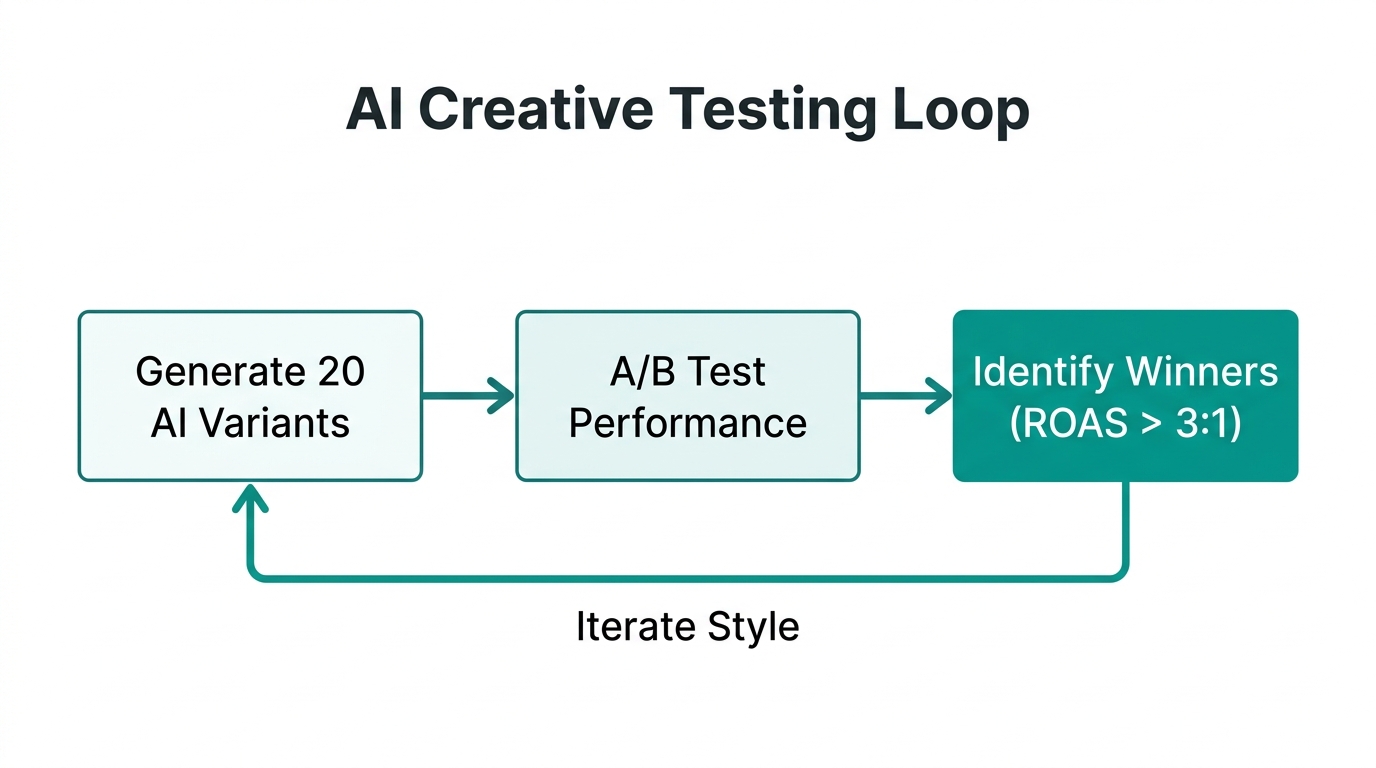
The "ad is the targeting" in 2026. To find a winner, you need to test hundreds of variations. Performance marketers are now using AI actors to generate 100+ ad variations in minutes, testing different personas (age, gender, ethnicity) to see what resonates with specific segments.
The key is experimentation at scale. You don't know if a 35-year-old female avatar or a 50-year-old male avatar will drive a better ROAS until you test. By using AI to generate these UGC-style videos, you can cut production costs while increasing your "intent depth" mapping.
"We went from zero to 30K MRR in just 7 months by focusing on capturing existing intent rather than trying to create it through viral content." — Mickey, SaaS Founder.
While you focus on the creative strategy, Stormy AI handles the back-office execution. Stormy can wake up every Monday, pull performance reports from Meta Ads and Google Ads, and drop a summary into your shared workbook highlighting which AI actor variations are the top performers. This allows you to kill underperforming assets before they bleed your budget.
Optimizing for 'Visual Quality Score' to Outrank Competitors
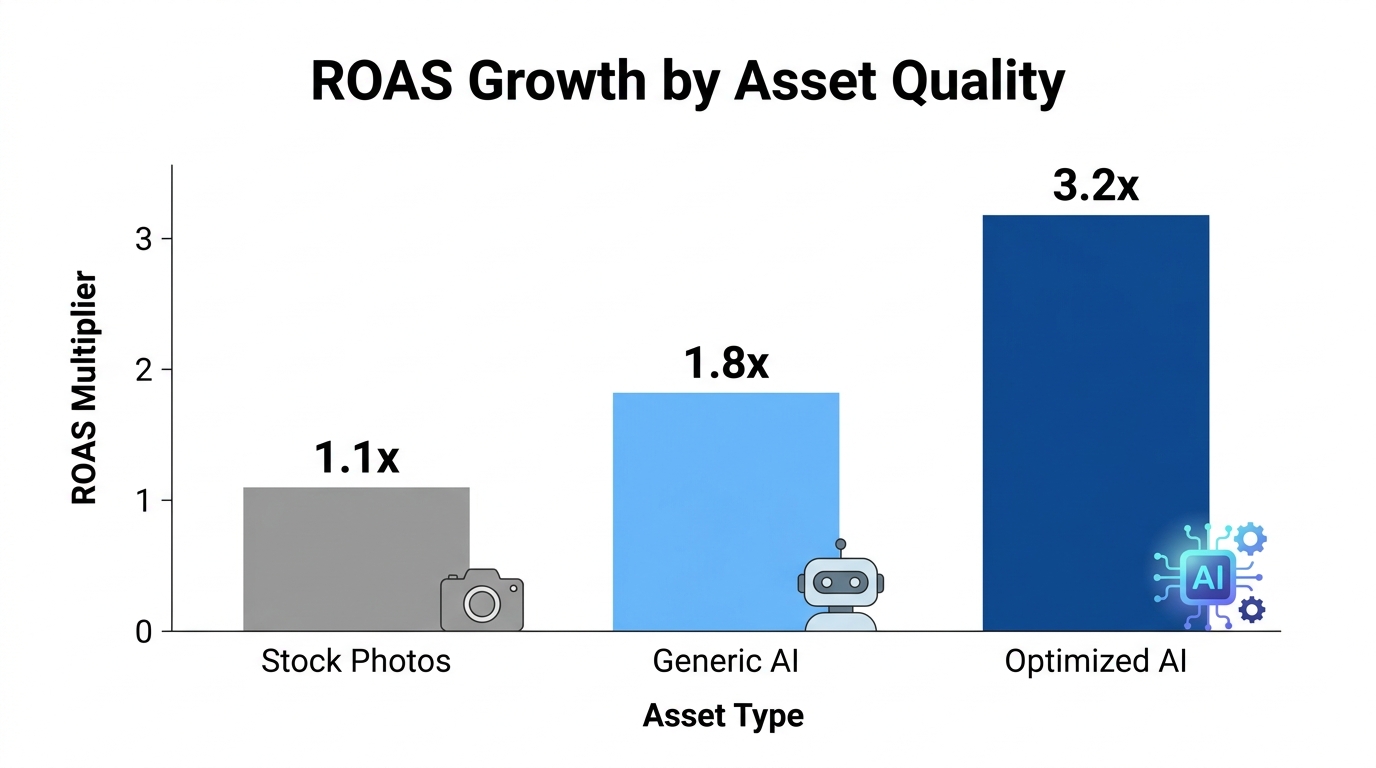
In 2026, Google's algorithms have become "profit-blind." They chase revenue, not your bottom line. To combat this, you must use Custom Labels for margin (High/Med/Low) and optimize your Visual Quality Score to ensure your highest-margin items get the best placements.
video_link attribute in the new Google Merchant API to integrate Shorts-style content directly into your listings. This is a massive CTR booster for 2026.A high Visual Quality Score is achieved by:
- Contextual Consistency: Ensuring your lifestyle images match the user's intent depth.
- Attribute Enrichment: Mapping your products to UCP standards for "Fast & Free" badge delivery.
- First-Party Data Foundation: Using server-side tracking (like Aimerce.ai) to feed accurate conversion data back to the AI Max algorithm.
Stormy AI can even help with the "messy" part of shipping and returns. If your Merchant Center policies don't perfectly mirror your website, you'll face a suspension. Stormy can run a weekly audit, comparing your Merchant Center settings against your live site to ensure everything from shipping costs to return windows are a "mirror image."
The Bottom Line for Google Shopping in 2026
Winning in 2026 requires a shift from "managing a feed" to "managing an AI employee." By leveraging generative AI for your google shopping creative strategy 2026, you can produce the 3D, AR, and high-res video assets that Google's "AI Max" algorithm craves. But the creative is only half the battle; the other half is the operational overhead of tracking, auditing, and optimizing those assets.
Don't let the back-office mess slow your growth. Stormy AI is the AI ecommerce teammate that keeps your spreadsheet updated, follows up with suppliers when inventory is low, and monitors your ad performance on a schedule. Whether you're a one-person brand or a scaling enterprise, Stormy handles the boring parts so you can focus on building the next generation of ai generated ads google shopping winners.